Forms and Opera influence

I was wondering how much influence has the opera in either southern styles or any other TCMA. I noticed a lengthy discussion about forms but never mentioned how the performance of a form could have had an influence from the opera as the warriors or the martial art plays for example. Without going thru the whole history we’ve heard about the red junk opera and TCMA but I am wondering on the performance of forms, stances, etc.

Thanks,

Mig

Jackie Chan and Sammo Hung both got formal Opera training and that is where they learned a great deal of the martial arts they carry around.

So, I would say there is an absolutely HUGE influence of Chinese opera on modern wushu and tcma around the world really.

But, everyone would prefer to be connected to a warrior of some sort, so lineages can get blurry. :slight_smile:

I always thought that Ying Jow-Fan Zi Quan looked like it had a good amount of opera influence, though I could be wrong. But that’s a northern lineage.

[QUOTE=Jimbo;1148001]I always thought that Ying Jow-Fan Zi Quan looked like it had a good amount of opera influence, though I could be wrong. But that’s a northern lineage.[/QUOTE]

No no. We are only connected to warriors of some sort. :wink:
I’m not aware of a connection, but fan zi being ‘tumble boxing,’ would make it a good match for opera…

There’s a bunch of guys from Toisan, Guangzhao, or around there on youtube, that have a very operatic way of playing Hung Kuen IMO.

Most southern kung fu should have opera influence.

Kung Fu was illigal and was disguise in opera as a show routine in opera group during Ching Dynasty.

Gwaan Dou set has a lot of Chinese opera influence

Thats way Lam Jo’s hung ga dai do and ying cheong has opera influence.

More the long weapons because it was out on displays. Daos and gims you can practice with a stick.

Thats why Lam Jo’s hung ga dai do and ying cheong has opera influence.

More the long weapons because it was out on displays. Daos and gims you can practice with a stick.

[QUOTE=once ronin;1148178]Thats why Lam Jo’s hung ga dai do and ying cheong has opera influence.

More the long weapons because it was out on displays. Daos and gims you can practice with a stick.[/QUOTE]

So you can be more specific on what kind of influence??

I am not talking about acrobatics but the way you perform forms in a presentation or in front of a public.

Thanks.

http://www.youtube.com/watch?v=BDONglIclEo

Being a Wing Chun student of a Sifu that had childhood Opera experiences, it was all connected for me from day one. I wouldn’t say that the forms themselves have been influenced, but let me say this: when our troupe demonstrated the Wing Chun system in 2001 it was noted that nobody had ever seen anything like that before! There was a ‘hint’ of Wing Chun recognised by some, but for many all they remembered was flying sticks and some crazy takedowns lol! The response? “That aint Wing Chun!” :rolleyes:

The format of demonstration is very important, and I think this is possibly where the influences from Opera leak into all Martial Arts really. You are capturing specific moments in a chaotic environment, and that I feel is the essence of a good demonstration.

a photo essay

18 Heartbreaking And Gorgeous Photos Of A Community Fighting To Keep Chinese Opera Alive

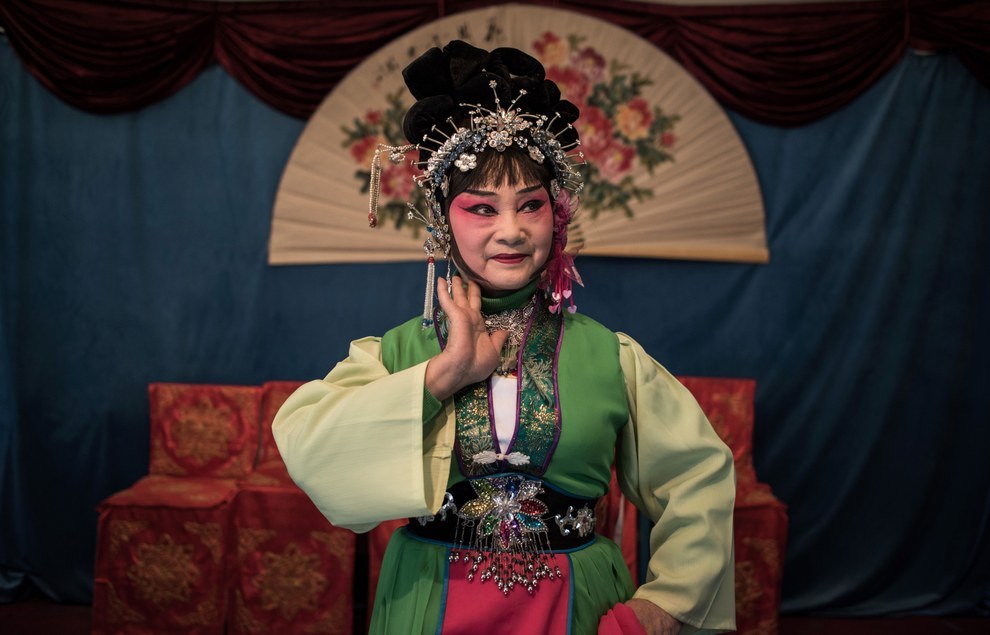
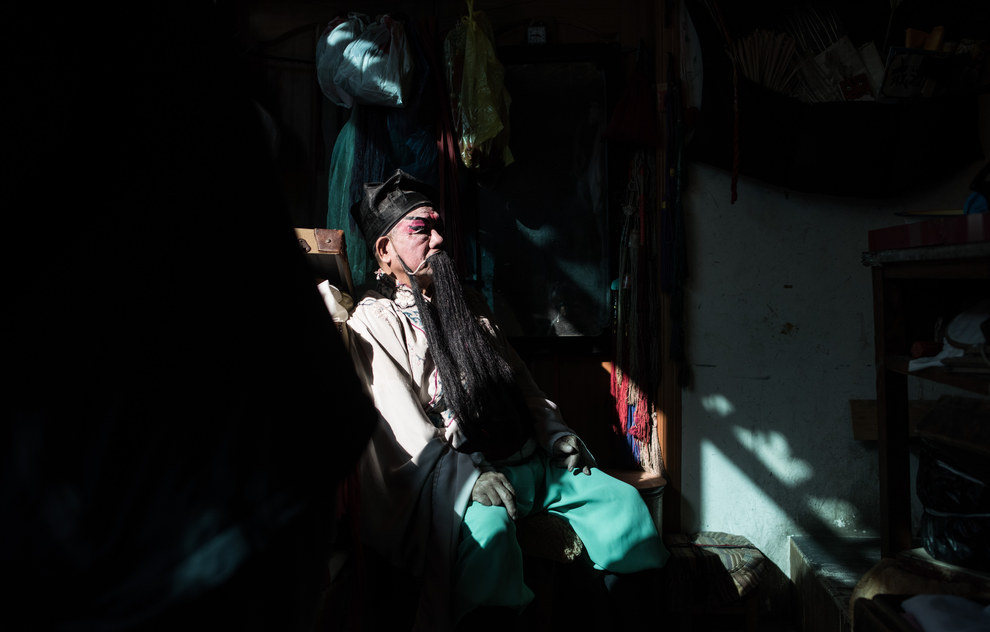
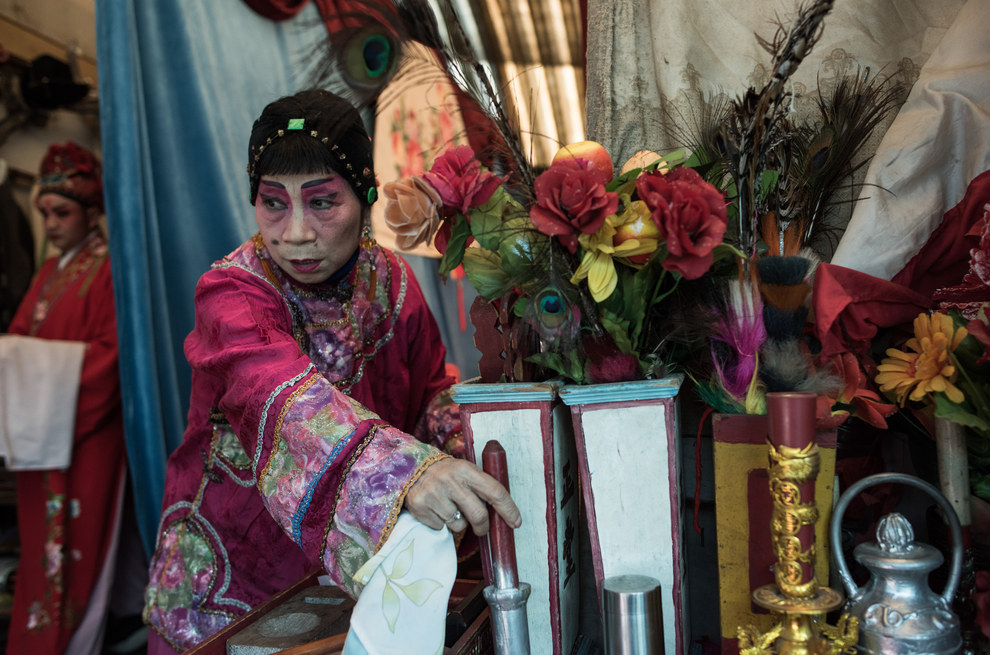
The Flower Lantern troupe are one of the last of their kind.
posted on Feb. 12, 2016, at 3:03 a.m.


Johannes Eisele / AFP / Getty Images
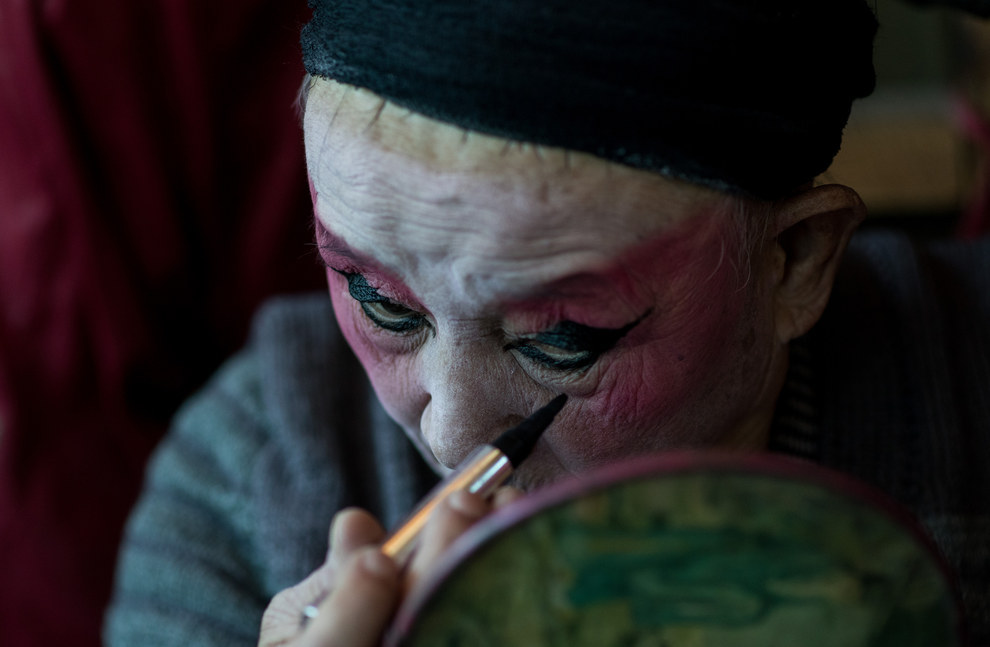
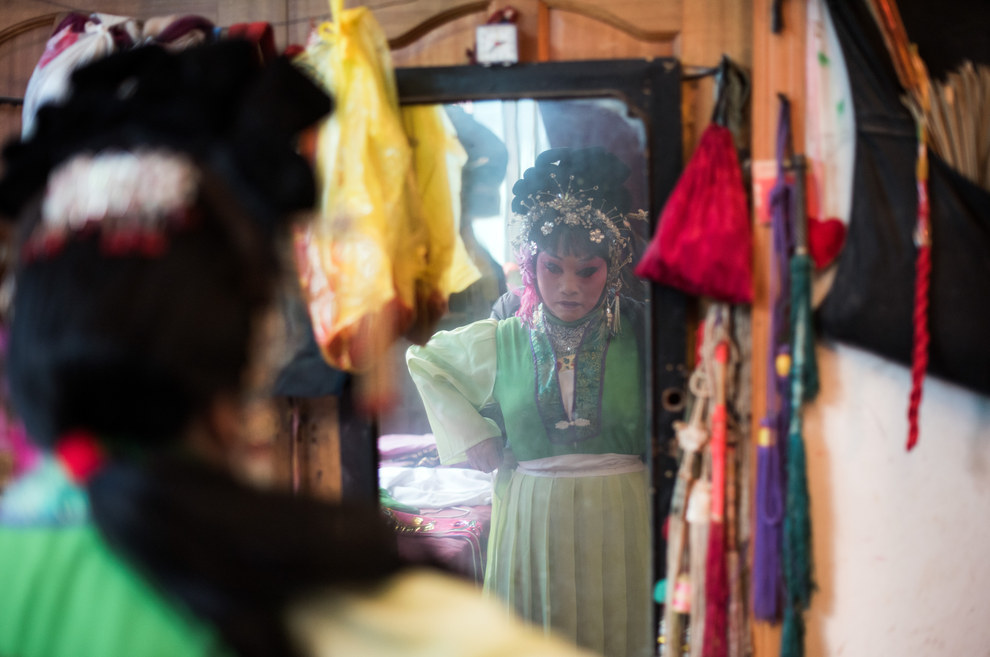
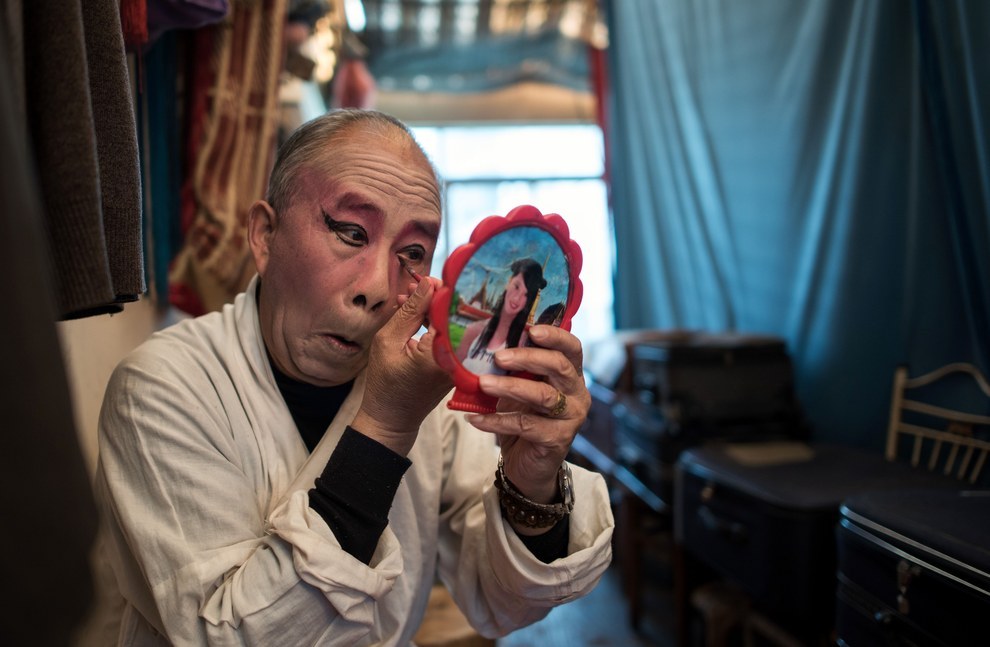
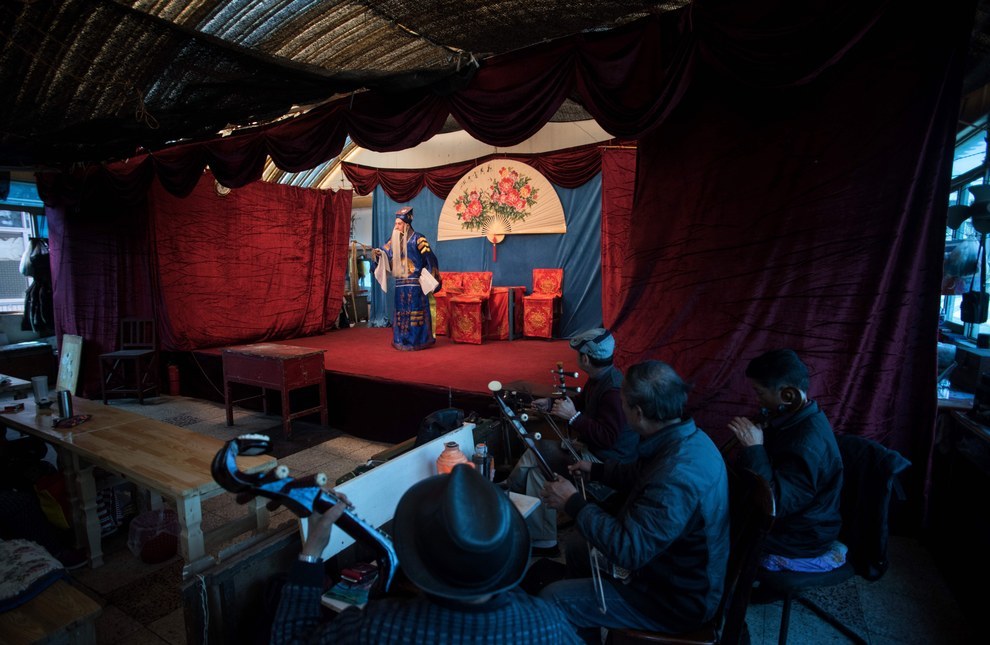
In the Chinese city of Kunming, elderly residents are putting on daily performances of traditional Chinese opera in a bid to keep a dying art alive.


Johannes Eisele / AFP / Getty Images


Johannes Eisele / AFP / Getty Images

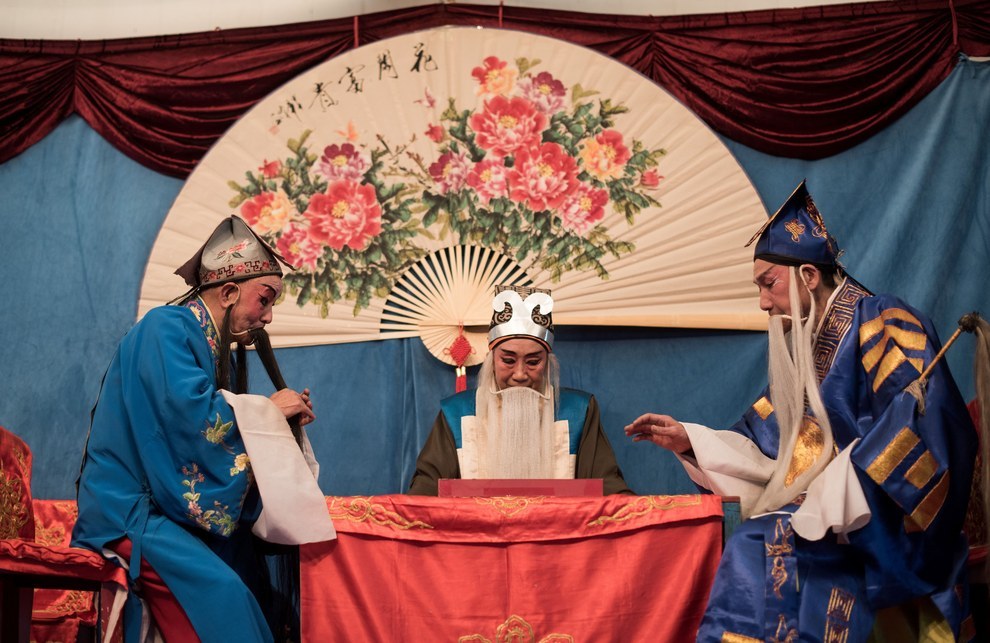
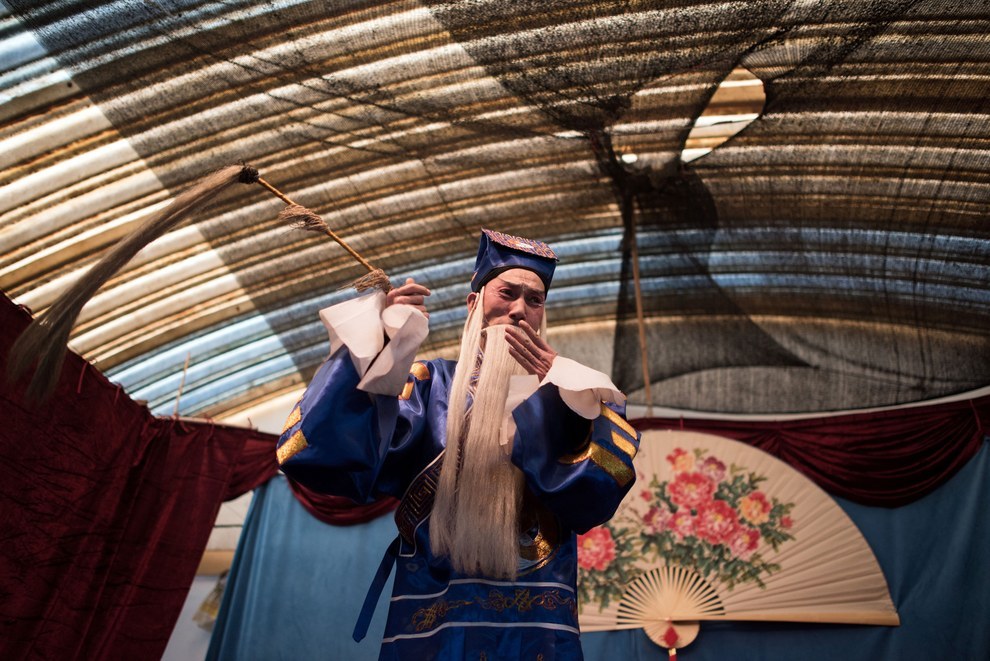
Chinese opera is a traditional form of performance that can incorporate art, music, dance, and martial arts.


Johannes Eisele / AFP / Getty Images


Johannes Eisele / AFP / Getty Images

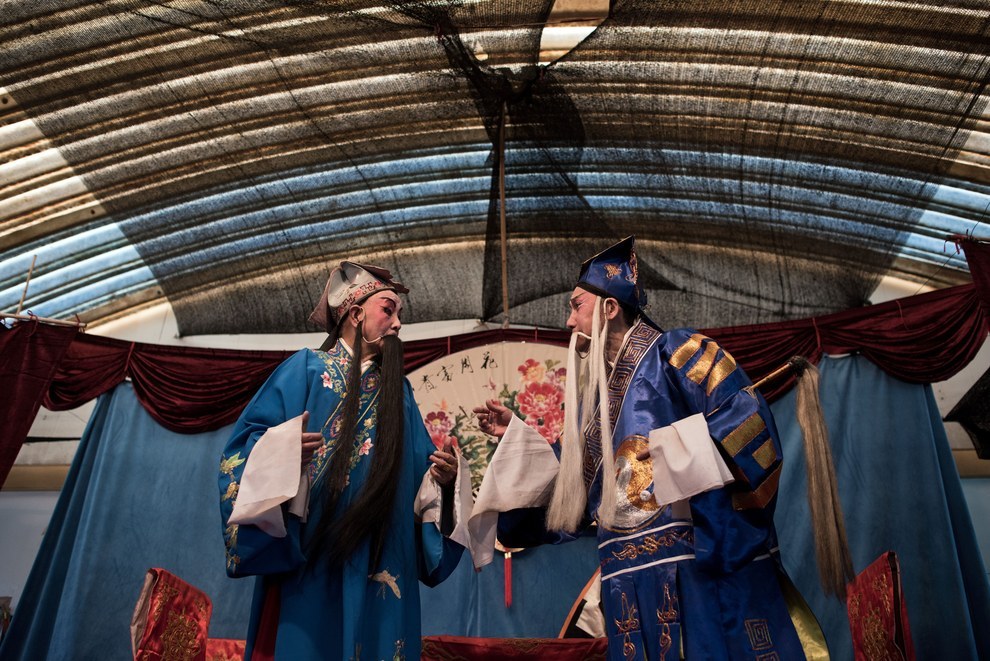
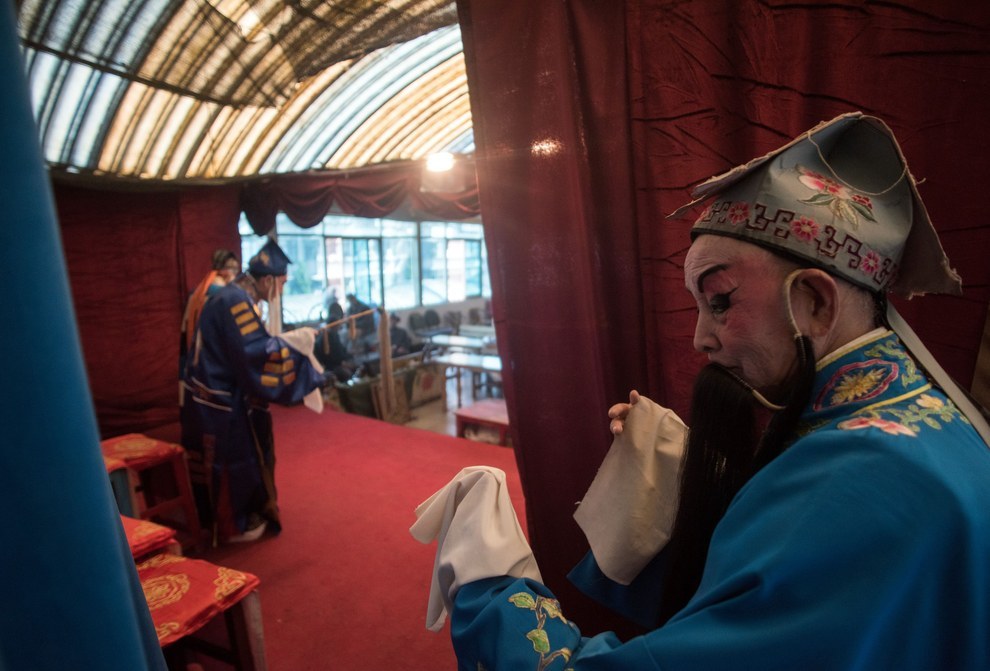
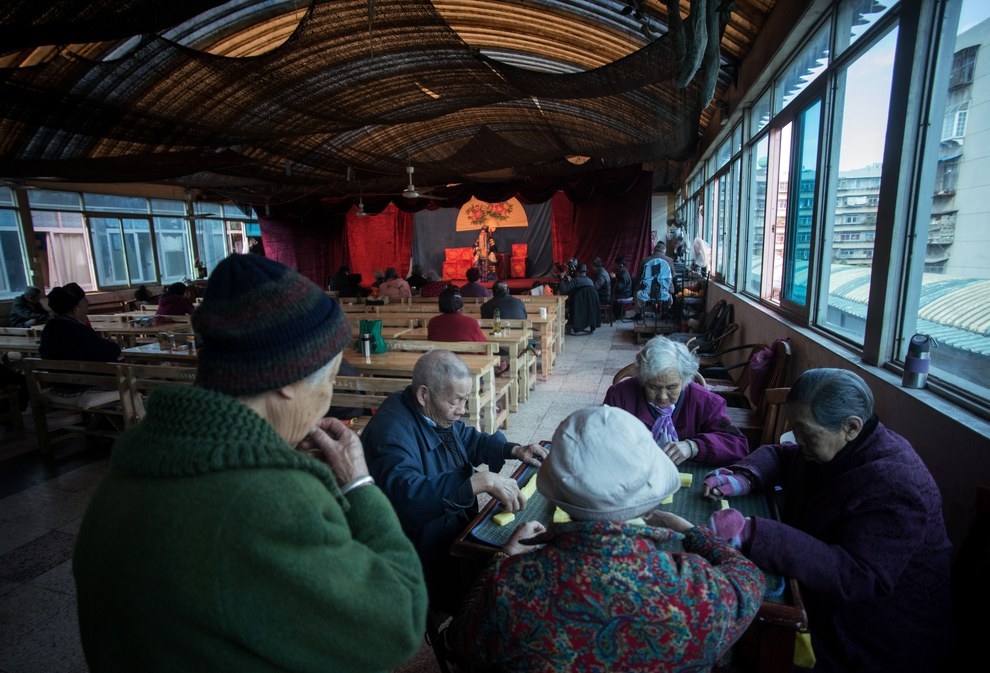
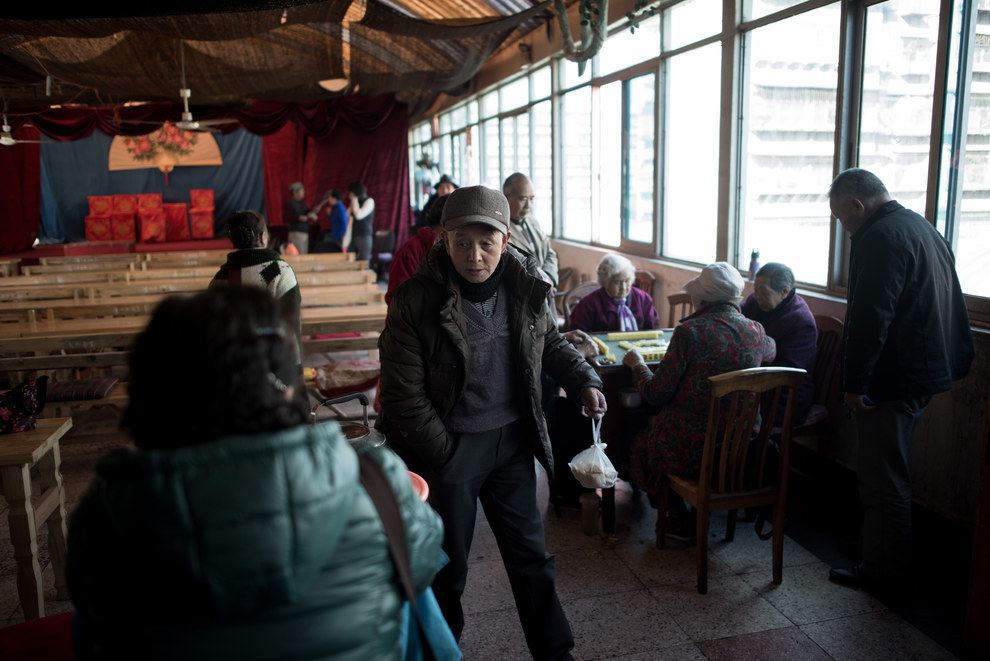
The Flower Lantern group of Yunnan perform daily shows above a food market. The Yunnan Opera has been staging performances for over 200 years, and has been awarded “Intangible Cultural Heritage” status by the Chinese government.


Johannes Eisele / AFP / Getty Images


Johannes Eisele / AFP / Getty Images

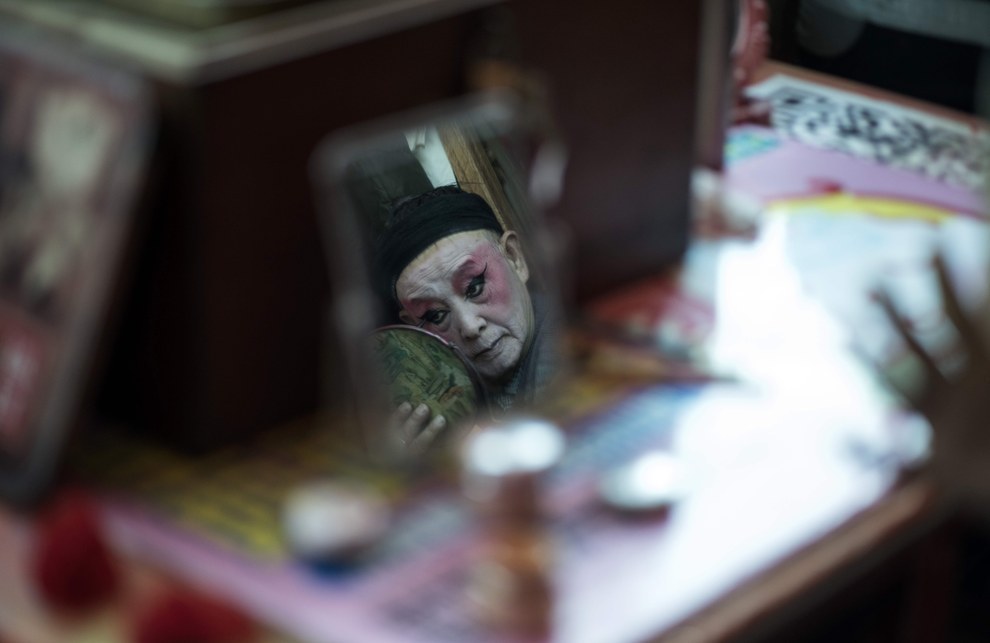
All performers are over 50, do their own makeup, and perform one show a day.


Johannes Eisele / AFP / Getty Images


Johannes Eisele / AFP / Getty Images

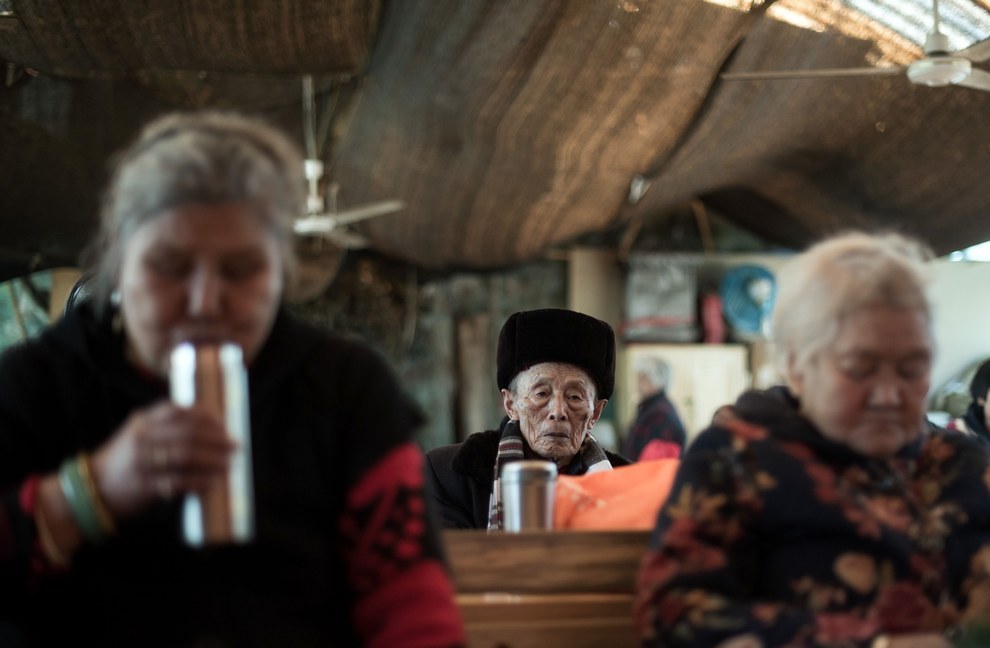
But a changing China means young people are turning to other forms of entertainment, shrinking audiences for opera.

continued next post

continued from previous


Johannes Eisele / AFP / Getty Images


Johannes Eisele / AFP / Getty Images

Speaking to the AFP, 72-year-old performer He Zhengcai said that there was no longer an audience for traditional opera.


Johannes Eisele / AFP / Getty Images


Johannes Eisele / AFP / Getty Images

“The situation is getting worse each year, our stage has moved seven times and each time it gets smaller,” he said. “Young people are no longer interested in this art, and our audiences are old fellows in general.”


Johannes Eisele / AFP / Getty Images


Johannes Eisele / AFP / Getty Images

The troupe’s founder, Gao Qinying, was pessimistic about the group’s survival.


Johannes Eisele / AFP / Getty Images


Johannes Eisele / AFP / Getty Images

“I don’t think the group could survive another year,” she said. “Five old friends used to sit there together, they came and sat on the same spot every day… Now, they are all gone.”


Johannes Eisele / AFP / Getty Images

Back on topic, I think Chinese Opera has an incalculable influence upon CMA, possibly more so than any other factor when forms practice is concerned.

Kunshan Chinese Opera Festival Opens with Martial Arts-Themed Performances

Published on September 11, 2025
[IMG2=JSON]{“data-align”:“none”,“data-size”:“full”,“src”:“https://www.travelandtourworld.com/wp-content/uploads/2025/09/Kunshan-Chinese-Opera-Festival-.jpg”}[/IMG2]
The 2025 Kunshan Chinese Opera Festival kicked off on September 8 in Kunshan, Jiangsu Province. Jointly run by the Ministry of Culture and Tourism and the Jiangsu Provincial Government, this year’s festival focuses on martial arts drama, one of the most colorful and energetic parts of traditional Chinese opera. Lasting until September 20, the event gathers performers, cultural groups, and lovers of the arts from all over China to honor past traditions while also trying fresh, creative spins on classic performances.

Focus on Martial Arts Opera

Unlike previous editions that highlighted the four archetypal roles of Chinese opera Sheng (male), Dan (female), Jing (painted face), and Chou (clown) the 2025 festival emphasizes martial arts. The opening night featured celebrated masters who presented excerpts showcasing acrobatics, stage combat, and stylized movement. Over the course of the festival, 20 martial arts performers will join forces for 10 collaborative productions, underscoring both the preservation of traditional skills and their adaptation for modern audiences.

Recognition of Talent and Institutions

During the inauguration, certificates were awarded to artists included in the 2025 National Leading Talent Development Program for Chinese Opera, designed to nurture the next generation of performers. In addition, cultural institutions that had been recognized between 2020 and 2024 by the Ministry of Culture and Tourism for excellence in opera production received official commendations. These initiatives reinforce the festival’s dual mission: celebrating the past while cultivating talent for the future. Festival Highlights and Programs

The festival features a robust structure centered on five flagship programs: [LIST=1]

  • [B]Opening and closing ceremonies[/B] showcasing the breadth of Chinese opera.
  • [B]National martial arts opera performances[/B], spotlighting acrobatic and martial artistry.
  • [B]Guest productions[/B] from acclaimed ensembles across China.
  • [B]Scholarly symposia[/B], offering discussions on history, preservation, and contemporary adaptations.
  • [B]Initiatives to safeguard endangered opera forms[/B], ensuring vulnerable traditions remain vibrant. [/LIST] Complementing these are [B]five extension initiatives[/B]:
    • Exchange and promotion events, fostering dialogue among artists and institutions.
    • The cultural tourism campaign [B]“Watch Opera, Visit Jiangsu,”[/B] encouraging travelers to pair performances with exploration of the province.
    • A special exhibition at the [B]Chinese Opera Museum[/B], highlighting costumes, instruments, and archival treasures.
    • A [B]traditional opera cultural market[/B], connecting audiences with artisans, crafts, and local products.
    • A [B]digital promotion platform[/B] bringing the festival’s content to broader audiences online.
    [B]Performances Across Venues[/B]

    Audiences can expect 39 performances in total, covering 107 productions staged by 53 ensembles from 31 distinct opera traditions. The diversity reflects China’s rich cultural map, encompassing both major regional styles and lesser-known local variations. Events are staged not only in traditional theaters but also in historic towns, university campuses, museums, and scenic landmarks. This approach allows audiences to experience opera in immersive contexts that connect performance with cultural settings.

    Advertisement Kunshan: The Heart of Kunqu Opera

    Kunshan, known as the birthplace of Kunqu opera, the oldest surviving form of Chinese opera, serves as the natural host. This marks the seventh consecutive year the city has welcomed the festival. Authorities also unveiled a new three-year action plan to chart the festival’s future growth, aiming to enhance its international profile and strengthen cultural tourism.

    From 2018 to 2024, the festival presented 348 opera genres, including puppet and shadow theater, with contributions from 494 organizations. Over that span, audiences enjoyed 295 full performances and 606 excerpts, both live and online, with attendance breaking records each year. Traveler’s Guide to the Festival

    For those planning to attend the Kunshan Opera Festival, here are some tips to make the most of the journey:

    • [B]When and Where[/B]: The festival runs from September 8–20, 2025, with events held at multiple venues across Kunshan, including theaters, historic districts, and cultural centers.
    • [B]Getting There[/B]: Kunshan is located along the Shanghai–Nanjing corridor. High-speed trains connect Shanghai to Kunshan in about 20 minutes, while Nanjing is roughly one hour away.
    • [B]What to Experience[/B]: Don’t miss the martial arts-themed performances unique to this year’s program, along with Kunqu opera shows in traditional playhouses. The special exhibition at the [B]Chinese Opera Museum[/B] provides deeper context for enthusiasts.
    • [B]Cultural Tourism[/B]: Take advantage of the “Watch Opera, Visit Jiangsu” campaign by exploring the province’s renowned water towns such as Zhouzhuang and Tongli, both rich in history and charm.
    • [B]Where to Stay[/B]: Kunshan offers a wide range of accommodations, from modern hotels to boutique inns near heritage sites, ideal for travelers seeking cultural immersion.
    • [B]Local Cuisine[/B]: Visitors are encouraged to sample Jiangsu cuisine, famed for its refined presentation and delicate flavors, with specialties like freshwater fish and seasonal crab dishes.
    [B]Overview[/B]

    The 2025 Kunshan Chinese Opera Festival shows how lively traditional culture can be right now. The spotlight this year is on martial arts opera, which includes acrobatics, song, and all kinds of daring moves. The festival is also on the lookout for new talent, showcasing young artists who breathe fresh life into classic roles. Besides the shows, there are workshops, exhibits, and walkable heritage routes around the city, all designed to take opera beyond the stage and into the streets. This makes Kunshan an easy one-stop focus for culture-loving travelers who also want to explore one of Jiangsu’s oldest and most storied towns.

    I love martial operas but that pentatonic singing scale is harsh to my ears.

  • There is huge potential for Chinese Opera to crossover if they remix the musica! Its martial arts also tend to be easier for me to watch than wushu.

    This is actually due to different brain waves. Musical patterns shape the mind. Anyone who cannot enjoy pentatonic music, whether African, South or East Asian etc, will not fully understand, feel or appreciate Chinese kung fu, in my opinion.

    There’s always the great exceptions like Sa Ding Ding. Okay, now lets see if this new website can digest some mp3s:

    very nice this music is make my wee wee is vibrating

    There’s always the great exceptions like Sa Ding Ding. Okay, now lets see if this new website can digest some mp3s:

    Nice experiment. How did you upload these?