Wing Chun by the Shenzhen Opera & Dance Theatre

Chinese kung fu dance drama wows international audience
By Deng Zhangyu | chinadaily.com.cn | Updated: 2023-06-23 17:46


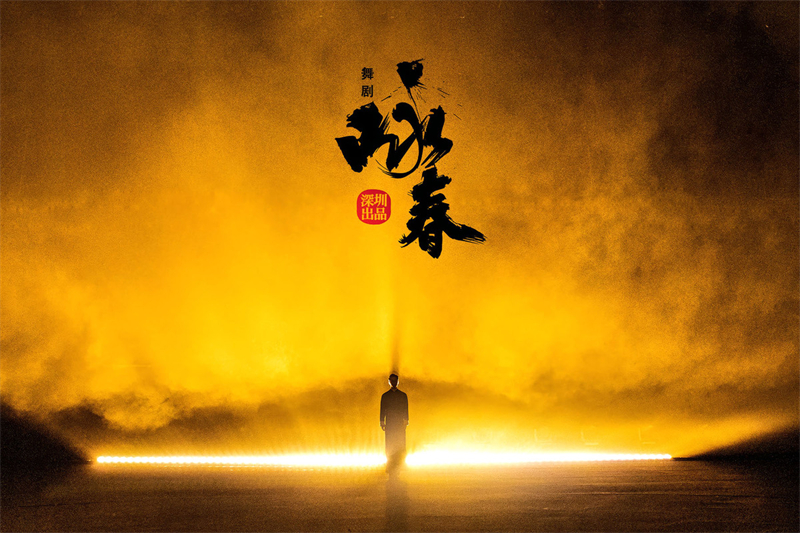
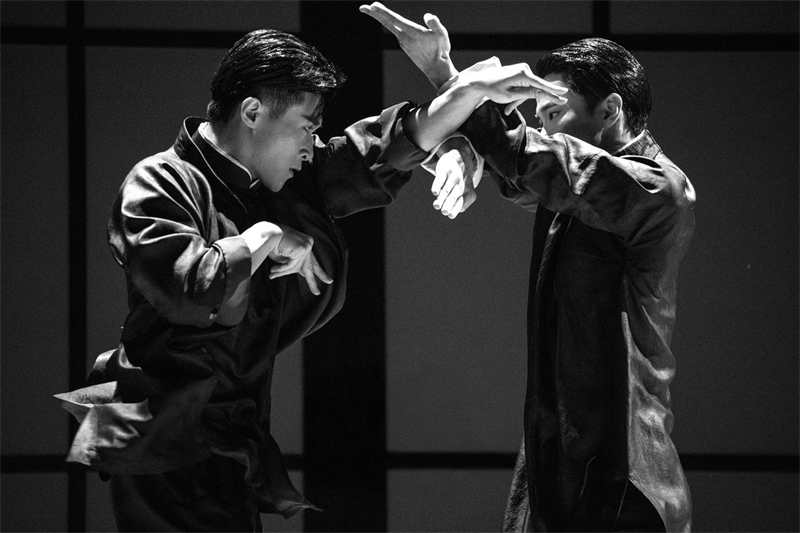
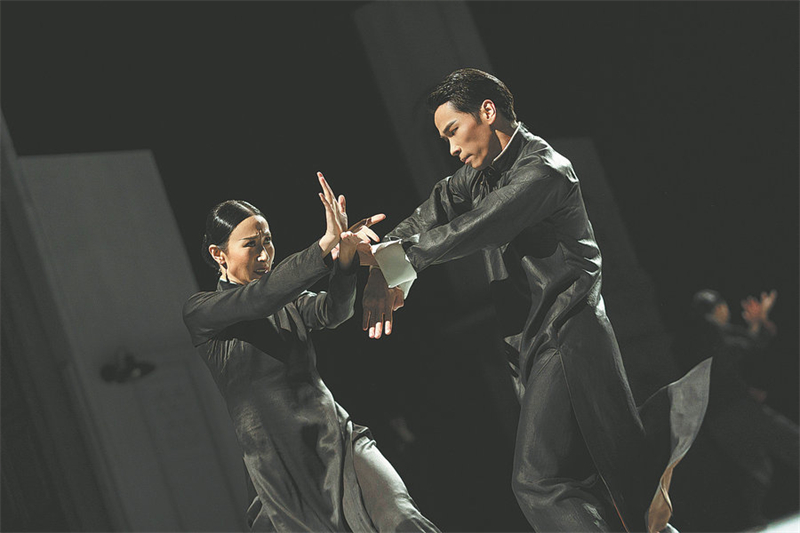
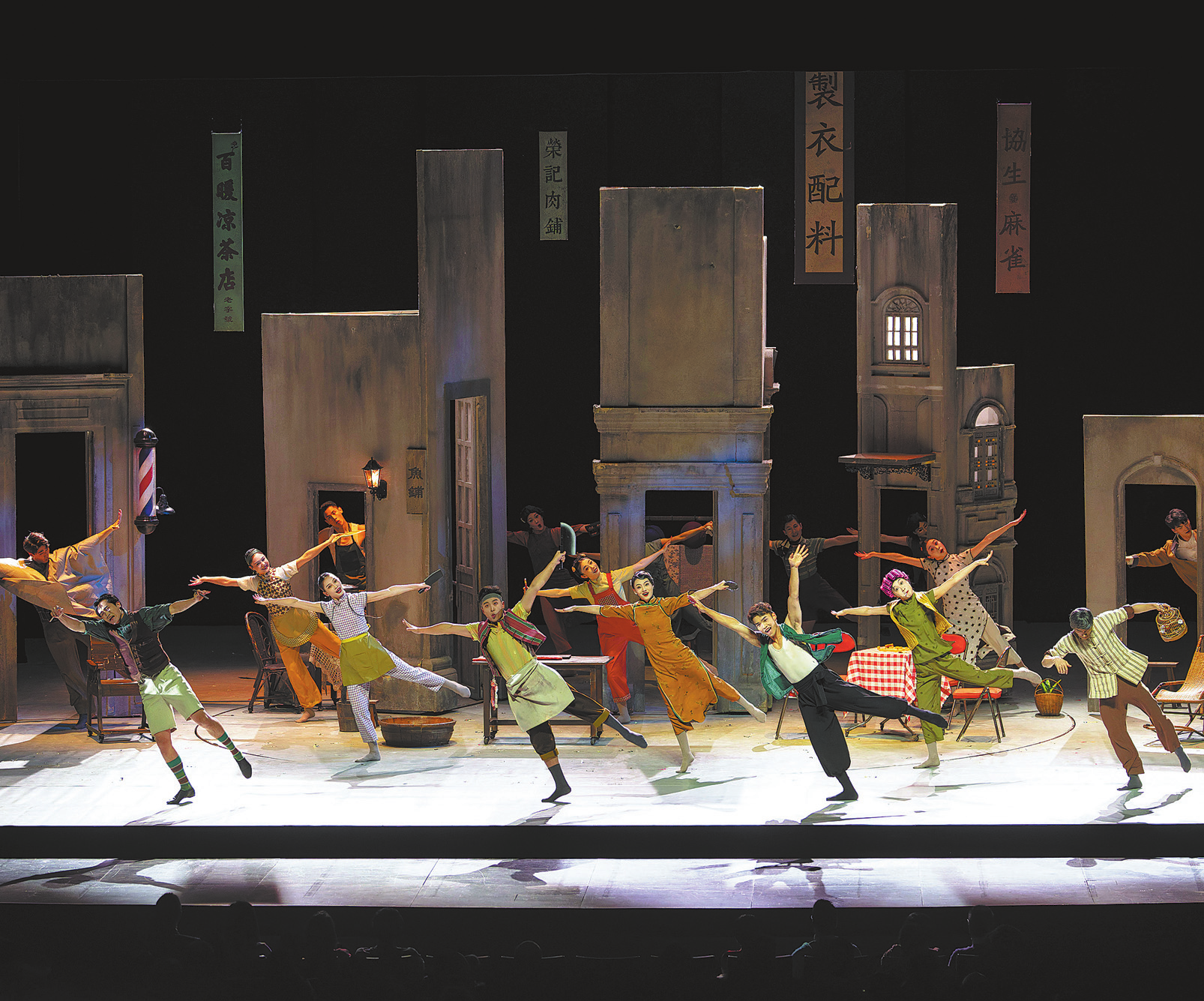
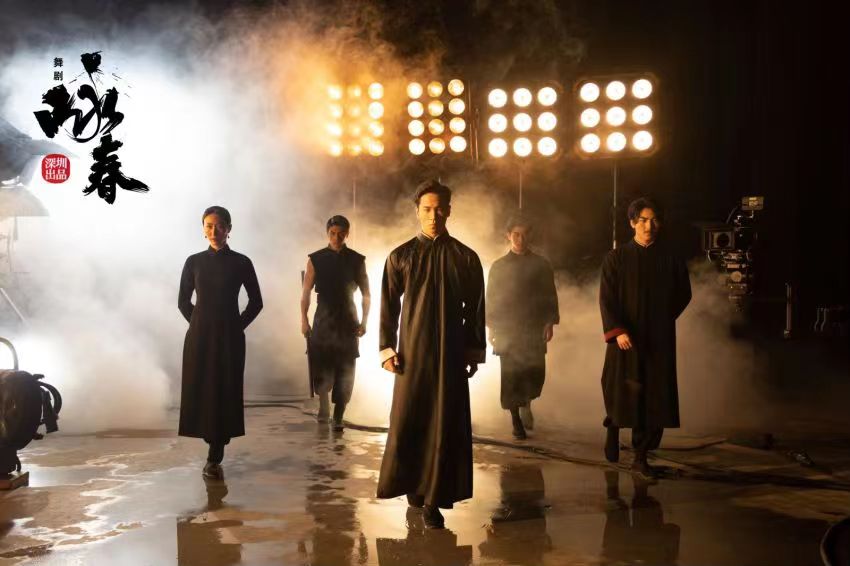
Wing Chun is produced by the Shenzhen Opera & Dance Theatre. [Photo provided to chinadaily.com.cn]

A dance drama featuring traditional Chinese kung fu that was staged in Beijing on the night of June 21 was warmly applauded by the diplomats from 29 countries who were in the audience.

The show was part of a series of cultural activities organized by Shenzhen to demonstrates the development of the city in southern China.

The dance drama Wing Chun, produced by the Shenzhen Opera & Dance Theatre, features five types of Chinese martial arts, including the well-known wing chun and tai chi and baguazhang, or eight fixed palms. It tells the story of the Chinese kung fu master Ye Wen.

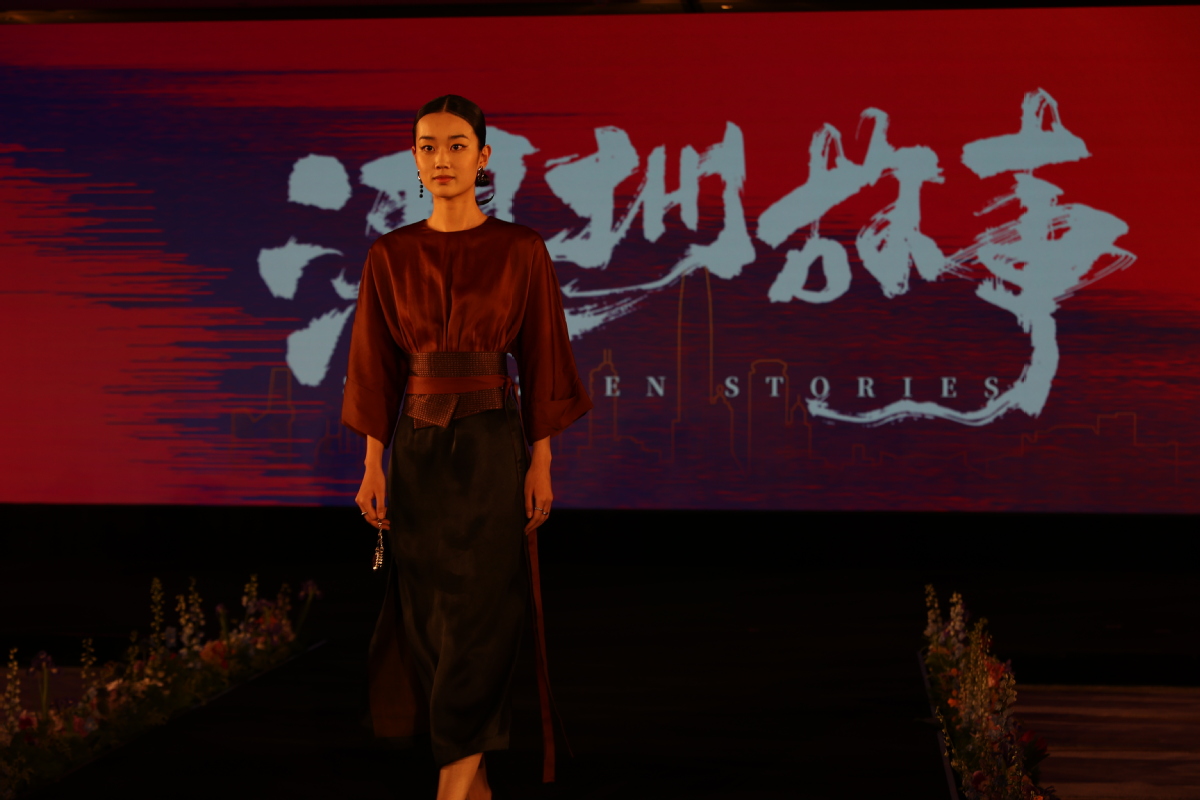
Models walk the runway at a fashion show of Shenzhen designs prior to the promotion event. [Photo provided to chinadaily.com.cn]
The drama has toured China since its launch last year and has won great popularity and acclaim from audiences across the country. It has been especially popular with young audiences.

The diplomats showed they are still young at heart after they watched the performance in Beijing at Poly Theater on June 21.

“It was probably the perfect blend between traditional Chinese culture and a very inspiring, moving, personal story plus the technology which we can see displayed on stage,” says Duarte Pinto da Rocha, deputy chief of mission at the Portuguese Embassy in China.

Luxembourg’s ambassador to China Marc Hübsch and his wife Carole Hübsch-Tompers were also touched by the drama. The couple expected that one day it will be performed outside China to allow more audiences across the world to enjoy it.

“It is an incredible performance. The combination of contemporary dance moves and traditional cultural values, kung fu moves and so on. This is just something that I never saw before,” says Marc Hübsch.


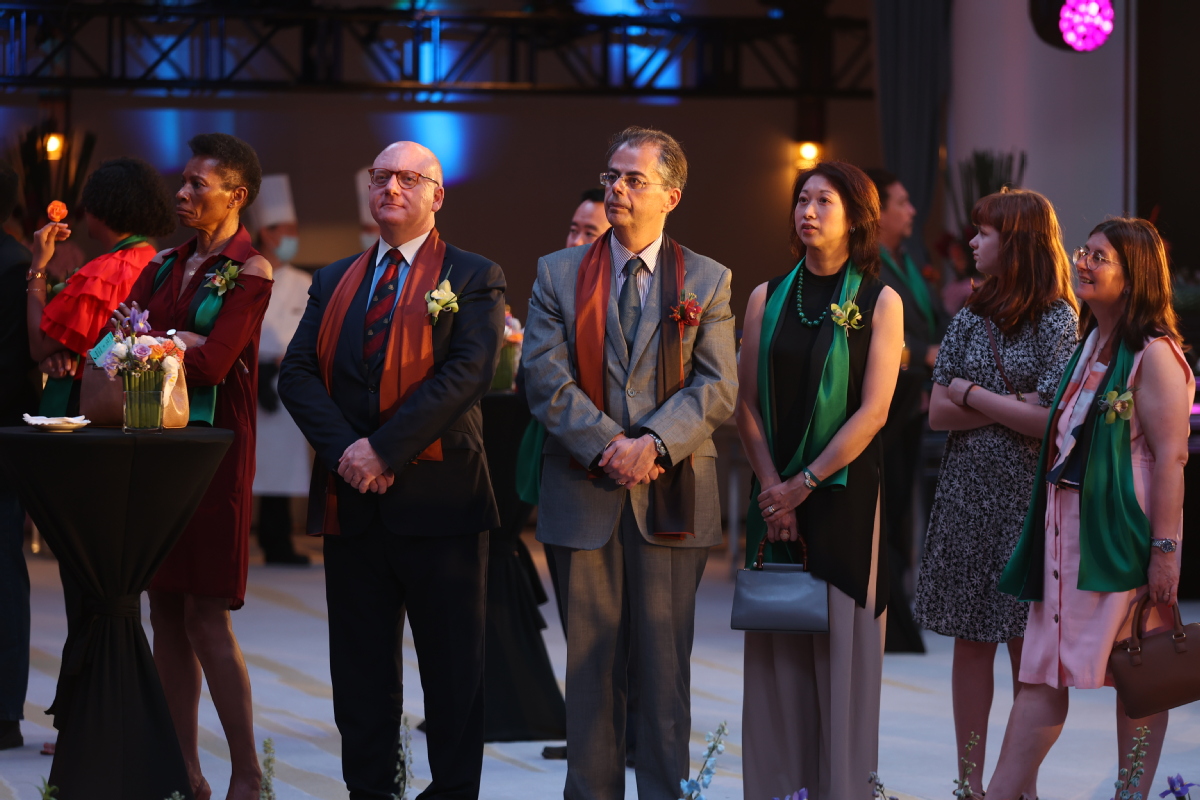
Guests enjoy the fashion show. [Photo provided to chinadaily.com.cn]
The drama is part of a series of cultural activities jointly held by the Publicity Department of the Shenzhen Municipal Committee of the Communist Party of China.

An event showcasing Shenzhen success stories and an activity inviting people to experience the traditional Dragon Boat Festival customs of the city were also held in Beijing.

Martial Arts in Live Theater
Wing Chun by the Shenzhen Opera & Dance Theatre

Shenzhen-produced dance drama “Wing Chun”

Shenzhen Dance Drama “Wing Chun” Makes Its Overseas Debut in Singapore, Telling Chinese Stories to the World with Shenzhen Spirit APAC - English
NEWS PROVIDED BY Shenzhen Municipal People’s Government
28 Sep, 2023, 20:39 CST
SHARE THIS ARTICLE

SHENZHEN, China, Sept. 28, 2023 /PRNewswire/ – On the evening of September 27th, the Chinese Embassy in Singapore held the National Day Reception at the Esplanade - Theatres on the Bay in Singapore to celebrate the 74th anniversary of the founding of the People’s Republic of China. Diplomats and envoys from over 40 countries, including the United States, Canada, Venezuela, and the Netherlands, attended the reception and watched the overseas premiere of the Shenzhen-produced dance drama “Wing Chun”.

This is the first stop of Wing Chun’s overseas tour. When walking into the theater that night, the plaque of “Wing Chun Store” with a strong Cantonese style soon came into view. Xiang Yun Sha silk, the fabric to make the exquisite performance costumes, and the potato juice used for making Xiang Yun Sha silk have attracted many audiences to take photos.

Three months ago, on the eve of the Dragon Boat Festival, 29 envoys to China and some representatives of international organizations watched the performance of Wing Chun in Beijing. After that, they invited the crew of Wing Chun to go overseas to enable people from more countries to have a better understanding of Shenzhen and experience the charm of traditional Chinese culture, according to Shenzhen Municipal People’s Government.

Today, three months after the Beijing performance, Wing Chun officially headed abroad, choosing Singapore as its first stop.

Wing Chun, due to its prominent Chinese martial arts style, has become one of the Chinese symbols recognized by many foreign friends. After enjoying the performance on September 27th, Ms. Chan Heng Chee, Ambassador-at-Large with Singapore’s Ministry of Foreign Affairs, highly praised Wing Chun: “It was wonderful! It’s balletic, it’s acrobatic, and it’s Kung Fu as well. It’s a great fusion of styles.”

As a phenomenal performance that has drawn a large audience and received highly favorable reviews in China, Wing Chun’s heading abroad this time also took Singapore by storm. “We know how popular this dance drama is in China. It perfectly combines China’s dual intangible cultural heritages of Wing Chun and Xiang Yun Sha silk, while also blending martial arts and dance seamlessly,” said Ms. Qin Wen, Cultural Counselor of the Chinese Embassy in Singapore.

The dance drama Wing Chun, based on traditional Chinese culture, embodies the wisdom of the Chinese nation through the use of “bridging” in boxing techniques. Audiences from Singapore can not only appreciate the diversity of Chinese dance art in the new era, but also feel the charm of Chinese martial arts, which shows China’s national spirit of promoting communication and exchange.

After the two-hour performance, many audiences spontaneously stood up, applauded, and took photos. Several foreign envoys expressed that Wing Chun contains typical Chinese elements and is an excellent medium for understanding Chinese culture. They also showed their expectations for Wing Chun to perform in more countries.

Now, Wing Chun is setting sail and going abroad. This Shenzhen artistic masterpiece, rich in spiritual connotation, aesthetic charm, and humanistic value, is telling Chinese stories in the new era to the world.

SOURCE Shenzhen Municipal People’s Government

https://www.kungfumagazine.com/forum/showthread.php?49689-Martial-Arts-in-Live-Theater
Shenzhen-produced dance drama “Wing Chun”

“Be Spring”, featuring Michelle Yeoh and the theatrical dancers of “Wing Chun”

//youtu.be/AeSXFDxQEow

Michelle-Yeoh
Shenzhen-produced-dance-drama-quot-Wing-Chun-quot
Lululemon

The making of “Be Spring” - a film for the Year of the Dragon ft. Michelle Yeoh

//youtu.be/4zTePiGE8hw

Michelle-Yeoh
Shenzhen-produced-dance-drama-quot-Wing-Chun-quot
Lululemon

Now playing at Sadler’s Wells, London

Wing Chun review – kung fu master gets the cinematic treatment in a spectacular show
Sadler’s Wells, London
Yip Man, who taught Bruce Lee, is the inspiration for this series of awesomely executed showdowns and acrobatics
Sanjoy Roy

Sun 1 Sep 2024 08.45 EDT

History may be about the past but it speaks to the present. Real figures become mythologised, and legends are made and remade to find their audience – perhaps nowhere more than in the realm of cinema. So it is a deft manoeuvre on the part of this stage production based on the real-life figure of Yip Man – grandmaster of the wing chun style of kung fu, teacher of Bruce Lee, and already the nominal subject of a four-part film franchise and several spin-offs – to tell his story as if it were already a movie. In short, the Man is now even more the Myth.

Shenzhen Opera and Dance Theatre’s spectacular Wing Chun follows a dual narrative, pitching between a 1990s film crew who are making a movie about Yip Man, and the man himself following his arrival in Hong Kong from south China in the 1950s. That sounds head-scratching – real-life performers playing movie-makers making movies about real-life people played by performers. But fear not: all questions are swept away by smart staging, sleek designs, awesome revolving sets, tricks of the light, a pulse-quickening soundtrack, uplifting storytainment, and above all exceptional dance, acrobatics and martial arts.


Chang Hongji (right) and Xu Tianhui as Yongcheng, Yip Man’s wife, in Wing Chun.

Hongji (right) and Xu Tianhui as Yongcheng, Yip Man’s wife, in Wing Chun. Photograph: Stephen Chung/Alamy Stock Photo/Alamy Live News
The dancers’ physical poise and prowess are outstanding. In a dream sequence, Yip Man (Chang Hongji, simultaneously restrained and spectacular) and film crew member Da Chun (a youthfully enthusiastic Feng Hoaran) seem to surf upon the seascape projected behind them, backflipping like waves breaking or spiralling airwards like spray. There is also an impressively choreographed and awesomely executed showcase of showdowns between Yip Man and the masters of various martial arts styles – Praying Mantis, Baguazhang, Bajiquan, Taichi – which mix lightning-fast action with freeze-frame and slow-motion effects. At the same time, the flow and detail of their combat echo the dynamic discipline of the calligraphy that introduces each scene, and the smoke-like patterns of light that drift behind the adversaries like motion trails.

If action and production are top-notch, the drama that embeds them can be pretty hokey. Not a problem to start with – this is a fable, not a psychodrama – but by the end, inflated by a tub-thumping score, the story is slapping on its sentiments and moral meanings thicker than a blockbuster movie, and I longed for more of the fine-tuning so evident in the dance, design and choreography.

At Sadler’s Wells, London, until 7 September.
Anyone see this yet? I hope it comes to SF.

A review

Review: Wing Chun – a particular insight into cultural physicalisation
1 September 2024 by Matthew Paluch


Wing Chun
Matthew Paluch sees Wing Chun at Sadler’s Wells, London: “Across the board there’s an exceptional level of skill and involvement.”

Title Wing Chun
Company Joyway London
Venue Sadler’s Wells, London
Date 31 August June 2024
Reviewer Matthew Paluch
Chinese performance returns to Sadler’s Wells in the form of Wing Chun. The premise is a biographical look at the Wing Chun Grandmaster, Yip Man – a renowned teacher who educated many, including Bruce Lee, and brought the form to the global level that martial arts now inhabit.

I’m not necessarily a major fan, though I have respect for anyone who has commitment and skill and, of course, I love Michelle Yeoh as much as the next sane person, but can a cocktail of Wing Chun, Tai Chi, Bagua Zhang, Baji Quan, Praying Mantis and urban legend style narrative pull a show together? In a word: yes… but with the odd caveat.

First and foremost the cast are super. Across the board there’s an exceptional level of skill and involvement. Likewise the choreography by Han Zhen and Zhou Liya. It didn’t feel as if anything was repeated more than once, which is a rarity. And the overanimated, gestural style certainly gives a particular insight into cultural physicalisation.

The narrative unfolds through a meta framework – a story within a story. Or rather a true (ish?) story, told via a biopic movie set within a live show. Confused? So was I, specifically during the first act which is narrative-heavy and not always clear – Who’s that? Is this reality or imagined movie? Which time period are we in? Etc.

The second act has both highs and lows, and could do with a serious edit. There’s a hell of a lot of melodramatic schmaltz, to the point that one’s soon looking for an ending, yet it never seems to arrive!

The lows are the above, and the highs are when the martial arts themselves get to sing. Each genre is given a solo moment and they’re riveting, highlighting the art of the discipline as opposed to just the (extraordinary) skill. I enjoyed the Praying Mantis – all zing and animalistic poses – and the Bagua Zhang which emanates grace and awareness.


The overall production values can’t be questioned, and these range from the smallest detail to the numerous, yet seamless scene transitions. Never underestimate the power of sets (Hu Yanjun) on wheels or a rotating stage. And the lighting (Ren Dongsheng) is also exquisitely realised giving endless cinematic moments of real power.

The whole experience is undoubtedly a success, but even work of this level can keep developing through ongoing analysis and tweaks. Though periods felt tiresome, I felt more appreciation for martial arts post-show than pre. The performance got me thinking about the philosophy behind the disciplines, one of self-cultivation as opposed to gratuitous violence, how this translates to movement that’s both purposeful and economic, and then transcends into dynamic, original choreography.

The intention and related, core content of the production have zero issues, but the way they’re currently packaged could do with less histrionic filler, i.e. a heavy dose of an unsympathetic, cutthroat editor.

Still hoping that this comes to SF.

Now at Hong Kong Cultural Centre Grand Theatre

Review | Dance drama Wing Chun has brilliant fight scenes, outstanding lead, confusing narrative
Ip Man is portrayed brilliantly by Chang Hongji in a high-energy martial arts and dance show that idealises the kung fu master’s life
Reading Time:
4 minutes

Performing arts in Hong Kong


A scene from a special Hong Kong edition of the dance drama Wing Chun, performed by the Shenzhen Opera and Dance Theatre. Photo: courtesy of LCSD
Natasha Rogai
Published: 12:47pm, 25 Nov 2024Updated: 1:26pm, 25 Nov 2024

Created in 2022, dance drama Wing Chun has been a smash hit in China and overseas, with hundreds of performances in dozens of cities. Demand for tickets in Hong Kong was so high that extra dates had to be added and all performances were sold out.

It is easy to see what has made the production such a success.

It is a big, visually striking show, with some exciting martial arts sequences and an outstanding central performance from Chang Hongji as legendary kung fu master Ip Man, or Yip Man – the alternative spelling that the production opts for.
That said, other recent dance dramas from mainland China seen in Hong Kong – Mulan earlier this year, Tide of Era in 2023 – were stronger artistically and more coherent, while equally entertaining.
Han Zhen and Zhou Liya, jointly billed as “chief director and choreographer”, were also responsible for Mulan, and certain devices are reminiscent of that production.

These include clever use of a revolving stage and employing an object of emotional significance. Here the signboard saying “Wing Chun Academy”, which Ip carries everywhere, and the jacket his wife Cheung Wing-sing lovingly sews for him create touching moments.


A scene from the special Hong Kong edition of dance drama “Wing Chun”, performed by the Shenzhen Opera and Dance Theatre. Photo: courtesy of LCSD
Like Mulan, the piece is theatre rather than dance. A lovely lyrical duet for Ip and his wife, played by the charming Xu Tianhui, is almost the only passage of pure dance. It lacks Mulan’s distinctive overall artistic signature.

This is perhaps not surprising, with no fewer than seven choreographers, including Han and Zhou, plus several martial arts consultants listed in the house programme. The credits projected at the end of the show go on almost as long as the ones for a Marvel film.

What really makes the production stand out is the martial arts. Cinematic in style, the scenes are skilfully constructed and brilliantly executed.

They include two street fights in which Ip confronts a gang of thugs who are preying on the local community, and an extended sequence in which he fights and defeats the leaders of four different schools of kung fu in turn before taking them all on together, ultimately winning the right to set up his own academy.

The last of the individual duels with the tai chi master is especially spectacular.

The main problem with Wing Chun is a confusing narrative which ultimately fails to generate sufficient emotional impact.

Feng Shuangbai’s script weaves together two plot strands: the story of how Ip pioneered wing chun in Hong Kong runs parallel to that of a film crew making a film about Ip in the 1990s.

Although the idea is interesting, the execution falters. Every time Ip’s story starts to build momentum, this is interrupted by switching to the film crew sequences which are rather repetitive.

The protagonist of this plot strand, Da Chun, who is portrayed appealingly by Feng Haoran, is supposed to be pursuing his dreams in an echo of Ip’s perseverance. But it is not clear what those dreams actually are – does he aspire to be a filmmaker, an actor, a martial artist? More detailed surtitles might help.

Like the iconic Ip Man films made in Hong Kong from 2008 onwards, notably those starring Donnie Yen, who studied wing chun with Ip’s son to prepare for the role, Wing Chun presents an idealised picture of a humble yet heroic figure who embodies every virtue.


Members of The Shenzhen Opera and Dance Theatre company perform in a scene from Wing Chun. Photo: courtesy of LCSD
The real Ip (1893-1972) was a more complex character who lived during a momentous era in China. He first came to Hong Kong aged 16 to study at St. Stephen’s College, returning to his hometown, Foshan, at 24 where he joined the police.

A member of the Kuomintang, he left China for Hong Kong after the People’s Republic of China was established in 1949. His wife came with him, but in 1951, a trip to Foshan left her stranded when the border with Hong Kong was closed. She died in 1960 and Yip never saw her again, although their sons were eventually reunited with him.

Wing Chun deals with Yip’s life in Hong Kong after he settled here in 1950. It focuses on his struggles to establish a wing chun academy, how he wins respect in the community by standing up for the victims of thugs running a protection racket and finally gains acceptance from the martial arts fraternity.

Neither his history with the Kuomintang nor his addiction to opium in his later years are mentioned, while his wife’s return to China is ascribed to illness, with the implication that their tragic separation was because of her death.

The Shenzhen Opera and Dance Theatre company was founded in 2018, and on this showing, its ambition and energy mirror those that have taken Shenzhen from a backwater town to a thriving city of 18 million in just a few decades.

The designs – sets by Hu Yanjun, lighting by Ren Dongsheng, costumes by Yang Donglin – are excellent and the whole troupe performs with admirable discipline and infectious enthusiasm.

As Ip, Chang is the glue that holds the show together. His dancing is equally impressive whether tenderly partnering his wife or performing thrilling feats of martial arts, and his acting is heartfelt and affecting.

The production was publicised as a “special edition” for Hong Kong, although what this entailed was unclear other than a new song by Cantopop legend George Lam being added.

An upbeat, anthemic number, it was used to accompany the curtain calls and had the cast as well as the audience clapping along.

Another Hong Kong contribution came from conductor Fung Ka-hing and the Symphonic Pops Orchestra, who gave a fine rendition of Yang Fan’s well-crafted score.

“Wing Chun”, Shenzhen Opera and Dance Theatre, Hong Kong Cultural Centre Grand Theatre. Reviewed: November 22.
Still hoping for some SF dates.
# A cultural spectacle: Shenzhen’s Wing Chun makes its North American debut in Toronto

By Yuan Shenggao | chinadaily.com.cn | Updated: 2025-12-15 18:45

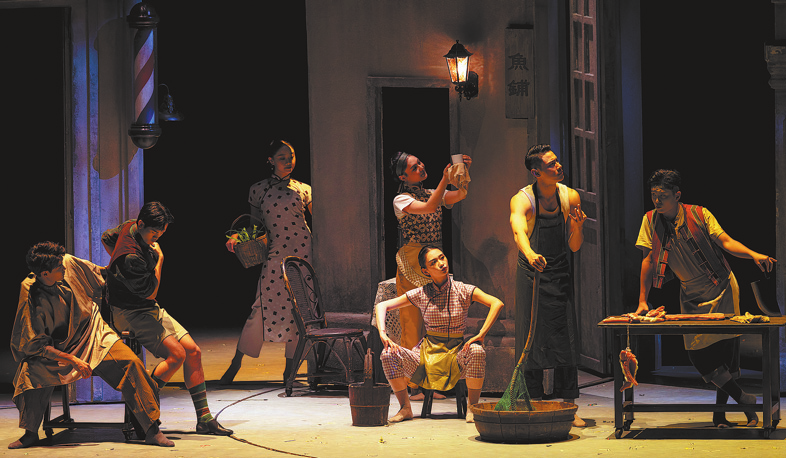
Stills from dance drama Wing Chun. [Photo provided to CHINA DAILY]

China’s acclaimed dance drama Wing Chun is set to premiere in North America on Dec 16, bringing a blend of art and Chinese kung fu to the global stage. It will offer Toronto audiences an immersive cultural experience at Meridian Hall, kicking off a three-week New Year residency featuring 20 performances.

Hailing from Shenzhen — China’s third Asia-Pacific Economic Cooperation summit host city and also known as China’s Silicon Valley — this original production fuses traditional Chinese martial arts with contemporary performing arts.

At a pre-premiere news conference in November, Wang Yanjun, cultural counselor of the Chinese Consulate General in Toronto, emphasized that the dance drama comes at a pivotal moment for China-Canada relations.

“This year marks the 55th anniversary of diplomatic ties between China and Canada,” he said. “The performance is a strong example of people-to-people and cultural exchanges between the two countries,” he added.

Wang continued: “Beyond a martial arts narrative, it resonates with universal themes of chasing dreams, perseverance, inheritance and spirituality that will strike a chord with audiences in both China and Canada.”

Presented jointly by local multiarts companies TO Live, ADEM, and the Canada-China Cultural Development Association, the North American premiere builds on a decade-long sister-city partnership between Shenzhen and Toronto, two metropolises sharing strengths in technological innovation and cultural creativity.

Clyde Wagner, president and CEO of TO Live, said: “From the moment I first experienced this theatrical masterpiece in China, I immediately knew we had to bring it to Toronto. The live performance is extremely cinematic, brimming with cultural significance and theatrical magic.”

CK Liu, CEO of ADEM, said that Wing Chun has toured cities in France and beyond, receiving overwhelming praise, particularly from English-speaking audiences.

Liu added: “This is more than a dazzling dance performance — it’s like a cinematic storytelling experience. Its unique charm can only be fully appreciated in person.”

Like Shenzhen itself, the creative team behind Wing Chun is young, passionate, and innovative.

Staged by the Shenzhen Opera and Dance Theater, the drama premiered in 2022 and has since captivated global audiences with over 280 soldout performances.

The dance drama is codirected and choreographed by the renowned "Twin Stars"of Chinese dance, Han Zhen and Zhou Liya, whose works including Poetic Dance: The Journey of a Legendary Landscape Painting, and Mulan have graced stages worldwide.

Culture in motion

The production employs an innovative dual-narrative structure that weaves together two compelling threads against the backdrop of a 1990s film shoot.

One follows Ip Man’s efforts to popularize Wing Chun in Hong Kong, embodying the principle of “harmony above all”; the other centers on Dachun, a retired lighting designer with an unyielding passion for cinema who works in a film archive. There, dusty relics revive his memories of his debut film project about Wing Chun, paying heartfelt tribute to ordinary people who chase their dreams.

Stills from dance drama Wing Chun. [Photo provided to CHINA DAILY]

This approach not only preserves an Eastern aesthetic but crafts an accessible, internationally resonant artistic language.

Inspired by Ip Man and his disciple Bruce Lee’s legendary stories, the drama traces the 300-year evolution of Wing Chun — a Southern Chinese martial art originating in the late Ming Dynasty (1368-1644) and early Qing Dynasty (1644-1911) — from its regional roots to global prominence.

Classified as a national intangible cultural heritage item in 2021, Wing Chun is defined by its focus on close-range combat, emphasizing short bridges, narrow stances, and techniques such as "borrowing force to counter force "and “overcoming hardness with softness”.

It converges on stage with four other traditional martial arts: tai chi, baguazhang (eight-diagram palms), bajiquan (eight-extremities fist), and tanglangquan (praying mantis). These are seamlessly integrated with classical and modern dance.

The dance drama, Wing Chun, features five types of Chinese kung fu, such as Wing Chun, baguazhang, or eight fixed palms, and tai chi. It will tour around the country this year, aiming to popularize Chinese martial arts as an iconic part of the nation’s traditional culture. [Photo provided to China Daily]

Brought to life by dancers and cinematic stage design, the captivating performance embodies the philosophy that “the true art of war is to stop violence”.

A standout highlight lies in the costume design, crafted from xiangyunsha, a national intangible cultural heritage fabric from China’s Lingnan region.

Dubbed the “soft gold of Chinese textiles”, it undergoes 14 procedures and 36 processes using 100 percent plant-based dyes, with its dyeing and finishing technique inscribed on the national intangible cultural heritage list in 2008.

Under stage lighting, the fabric exudes a subtle, ceramic-like luster, serving as a cultural symbol. Ip Man’s black robe, for example, embodies both romantic longing and national sentiment.

Beyond the costumes, xiangyunsha is woven into the storyline; dancers manipulate the lightweight, reddish-brown fabric to add depth and texture to the narrative.

By integrating two national intangible cultural heritage elements — Wing Chun kung fu and xiangyunsha — the drama breathes vitality into ancient traditions. This fusion revitalizes the traditional cultural heritage, enriches performing arts, and bridges past and present to offer audiences a unique cultural experience.

As co-director Han Zhen noted: “Incorporating intangible cultural heritage into a dance drama is not overly complex—every region with a history has cultural heritage. The key is whether these elements organically fit the work’s narrative needs. At the core of creation is staying true to one’s artistic vision.”

> # ‘Wing Chun’ set for N. American debut

2025-12-15 Source: Szdaily.com Editor: Holly

The hit Shenzhen dance drama “Wing Chun,” which has broken records for a Chinese production on overseas tours, will make its North American debut in Toronto on Dec. 16, local time.

The show will run at the city’s Meridian Hall for three weeks from Dec. 16, 2025 to Jan. 4, 2026. The Toronto stop will mark the show’s 300th performance globally.

图片

Crowds line up at Meridian Hall as buzz builds for “Wing Chun,” the acclaimed Shenzhen dance drama fusing martial arts and modern movement, making its North American debut in Toronto. Photos courtesy of Shenzhen Opera and Dance Theater

Having previously toured Singapore, the United Kingdom, France, and Russia, “Wing Chun” has set a new benchmark for overseas commercial performances by a Chinese dance drama, achieving both strong ticket sales and critical acclaim.

Preparations are underway in Toronto, with the stage design and technical team already on-site building the set. A widespread advertising campaign has been launched across the city’s downtown core, featuring promotions in cinemas, on public transit, and on major digital billboards.

In Toronto, the production is gaining traction in mainstream media. Toronto.com, blogTO, NOW Toronto, and Fairchild Radio have all featured the upcoming residency. The Canadian lifestyle magazine NEXT also recently interviewed members of the cast.

图片

Local mainstream media outlets including Fairchild Radio, blogTO, NOW Toronto, and more are spotlighting “Wing Chun,” the acclaimed Shenzhen dance drama set to make its North American premiere at Toronto’s Meridian Hall from Dec. 16, 2025 to Jan. 4, 2026.

The production was highlighted by the Chinese Consulate General in Toronto during a recent “Happy Chinese New Year” event for community leaders Dec. 6, local time.

The dance drama, performed by the Shenzhen Opera and Dance Theater, is co-directed and choreographed by Han Zhen and Zhou Liya, known as the “Twin Stars” of Chinese dance. It integrates Wing Chun — a close-combat martial art classified as a national intangible cultural heritage — with tai chi, baguazhang and other disciplines, expressed through classical and modern dance.

A distinctive feature of the production is the use of xiangyunsha, also known as gambiered Canton gauze, a prized Lingnan fabric recognized as an intangible cultural heritage. It is a rare silk fabric dyed exclusively with plant and mineral pigments that has a subtle luster under stage lighting.

图片

A poster for “Wing Chun,” the acclaimed Chinese dance drama set to open Dec. 16 at Meridian Hall in Toronto.

The North American premiere is jointly presented by TO Live, the digital marketing agency Adem, and the Canada-China Cultural Development Association, building on a decade-long sister-city partnership between Shenzhen and Toronto.

Since its 2022 debut, “Wing Chun” has performed to sold-out audiences in over 280 shows worldwide.

> Martial arts meets dance as new drama opens in Canada

Production rooted in Shenzhen fuses traditional kung fu philosophy with contemporary creativity, Yang Gao reports in Toronto.2025-12-20 YANG GAO

Scenes from the dance drama Wing Chun, which opened its North American run in Toronto, Canada, on Tuesday night.

Scenes from the dance drama Wing Chun, which opened its North American run in Toronto, Canada, on Tuesday night.

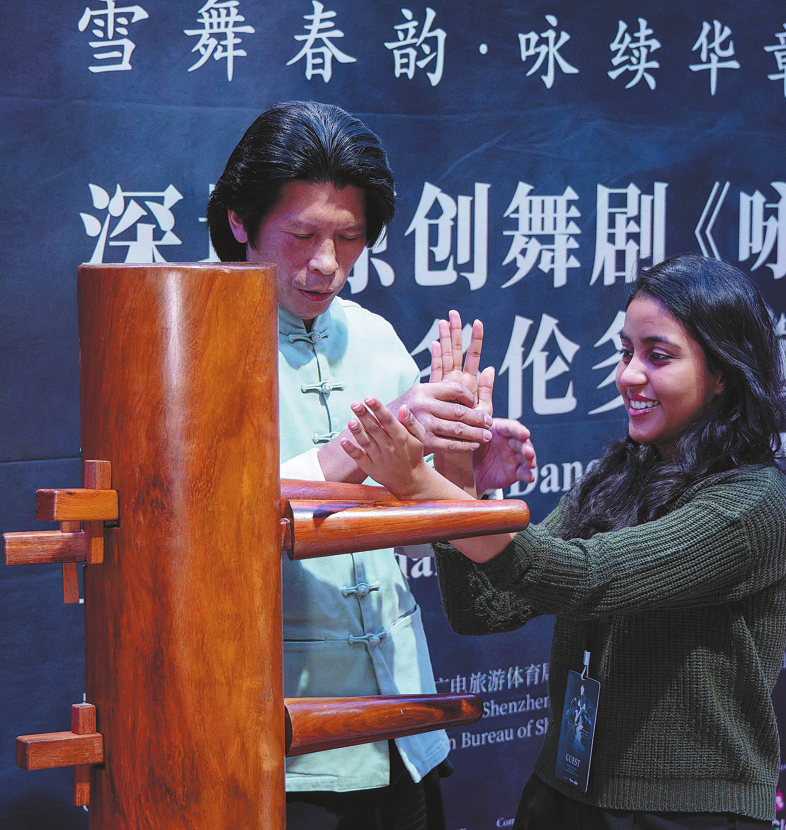
A guest tries out Wing Chun on a wooden dummy at a Toronto media event for the dance drama.

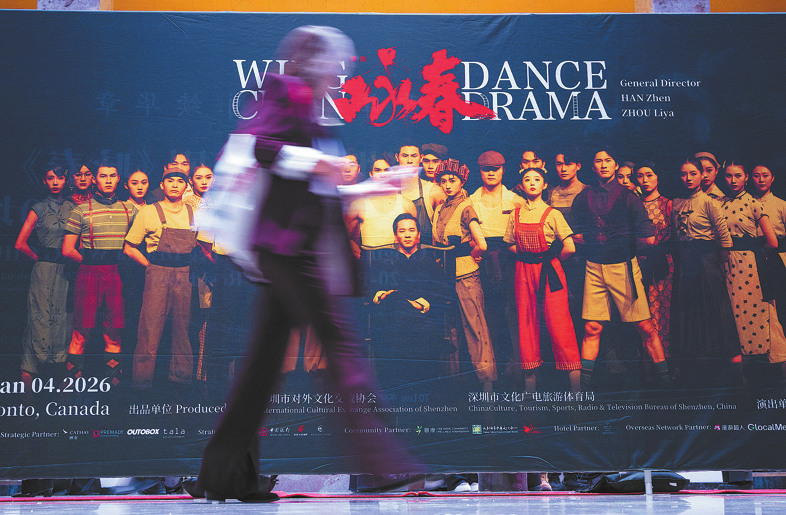
A woman passes a poster advertising the dance drama in the city.

Wing Chun, an original Chinese dance drama from the southern city of Shenzhen, Guangdong province, opened its North American run in Toronto, Canada, on Tuesday night, bringing a stylized blend of martial arts, contemporary dance and cinematic storytelling to Canadian audiences.

The production premiered at Meridian Hall, marking the first performance of a 20-show North American tour. Nearly all of the theater’s roughly 3,000 seats were filled, and the performance drew prolonged applause at curtain call.

Luo Weidong, China’s consul general in Toronto, said the production marked “an important moment” for cultural exchange, describing Wing Chun as “an artistic work that carries cultural roots and conveys the warmth of civilization”.

The dance drama unfolds along two parallel narratives. One traces the life and moral code of Ip Man, the legendary Wing Chun master best known internationally as the teacher of Bruce Lee.

The other follows filmmakers struggling to bring that story to the screen, a structure that Luo said reflects both tradition and modern creative endeavors.

“The work not only tells the story of Ip Man’s spirit as the founder of a school, but also shows the perseverance of those who pursue film and art,” Luo said.

Originating in Shenzhen, a city often associated with technology and manufacturing, Wing Chun reflects what Luo called the city’s “open and inclusive character” and its capacity to fuse tradition with modern innovation.

Luo said the show has used “the language of art to build bridges for cross-cultural communication”.

Cultural exchange has remained “an important bond” in China-Canada relations since the two countries established diplomatic ties 55 years ago, Luo said, adding that he hoped the Toronto performances would allow more Canadian audiences to experience both traditional Chinese culture and contemporary Chinese creativity.

For Zheng Zujie, an inheritor of Wing Chun, which is recognized as part of China’s intangible cultural heritage, the Toronto performances carry particular significance.

“This is the first stop of our North American cultural exchange,” Zheng said in an interview with China Daily. He said his role in the Toronto opening was to support the production’s efforts to promote intangible cultural heritage overseas.

Zheng said stage productions such as dance dramas offer a powerful way to introduce traditional martial arts to new audiences.

“Dance drama is also a type of communication, like film or theater,” he said. “From the perspective of dissemination, it’s a very good thing — a completely new attempt.”

What distinguishes Wing Chun, Zheng said, is its effort to merge martial discipline with artistic expression without losing the philosophical core of Chinese culture.

“It perfectly integrates martial arts with art,” he said, adding that the production reflects traditional Chinese aesthetics such as “the balance between hardness and softness, emotion and spirit, movement and stillness”.

As a recognized bearer of intangible cultural heritage, Zheng said his work has focused on both domestic transmission and international outreach. In recent years, he said, Wing Chun practitioners have been sent abroad annually to teach and engage with different communities.

“Within China, we focus on inheritance. Outside China, we focus on promotion,” Zheng said.

Wing Chun, he noted, has been practiced and taught overseas for decades and remains one of the most widely recognized forms of Chinese martial arts in the West.

“It is a bridge and a bond for communication between China and the world,” Zheng said, adding that it is “worth promoting with full effort”.

Zheng said he hoped the Toronto performances would spark renewed interest in Wing Chun across North America.

“Through this dance drama in North America — starting with Toronto — I think it will trigger a wave of enthusiasm for Wing Chun,” he said.

Toronto resident Anas Abdul attended the opening night.

“Honestly, it’s kind of breathtaking,” he said.

“I’ve never experienced anything like this before. It’s one of a kind, and it’s really new compared to what I’ve experienced before,” he told China Daily.

“I definitely feel like I’ve immersed myself in the traditions — the movement, the weight and what they’re talking about,” he said. “I still feel like there’s a lot more to come, so I’m really excited to see what’s going to come next.”