hi my first post i have been reading the forum for about 2
years. learning yang style 48 . should u not learn to walk with
perfect balance before anything else.And what is the proper way
to train walking forward backward and in any direction?:
ok no replies 45 people viewed. My question when u step with empty foot should u step with a natural extension in any direction? and should your knees almost touch as u move? Any reply would be help full thanks…
got me but I’m willing to bet if you master the tcc form walking should come easy
OK, Welcome to the forums.
Sometimes these forums are quite slow, be patient. Sometimes if you are more specific you will get better answers. Many reasons you might not get an answer but if you have been watching the forums for 2 years you know a few. Topics come up again and again. Nobody knows? Nobody understands your wording? Who knows?
I’m not familiar with the Yang 48 form. Isn’t that the one which combines some Yang, some Chen and some Wu styles into it? Walking is different in most styles but I am a huge proponent of walking excercises/drills. Later you can isolate each form/posture/movement and walk with it. Than you practice both sides of a technique. The thing is stepping is different from style to style. You know in our style of bagua we walk on the circle or square constantly. Ko Bu, Bai Bu… Yes in our style the ankles rub and the knees are tight. Not so much in others. Even in different methods of Yang style the stepping is quite different for different reasons. Sometimes you roll back on the heel, sometimes you step in. One guy was showing me his Kuang Ping form and he used his foot on top of mine for probing and trapping. Somtimes the foot stays flat and slides along, sometimes it’s heel toe…
I think if you ask your teacher he will explain proper stepping better than anyone here could. But in my opinion he should be having you walk until you drop. IMO, that’s more important than any form you will ever learn. Again, welcome to the forum. 
Taiji Cat Walking Step
by Mei Yingsheng
Translated by Ted W. Knecht
The Mao Xing Step, also known as the Cat Walking step, is a very important component of Tai Ji Quan. At present, most Tai Ji stylists are unaware of its practice. This is due to unknown reasons for the disciples of the Late Yang Cheng Fu incorporated this walking step to the traditional Yang long form. This article has been translated from a thesis written by Dr. Mei Ying Sheng to explain the importance of the Mao Xing Step. Dr. Mei is a Doctor of Western and Traditional Chinese medicine and is a a disciple of Grandmaster Fu Zhong Wen of Shang Hai, China.
The term Mao Xing Step has been used since the publication of Yang Cheng Fu’s book entitled, The Practice of Tai Ji Quan. In the book he stated that “the legs should be based upon Yin and Yang with the legs rising and lowering like a walking cat.” Master Wu Yu Xiang wrote in his book, Essentials of Free-sparring, that one should “step like a walking cat and issue power (jin) like weaving silk.”
In the traditional 108 posture Yang Style Tai Ji Quan fist set, postures such as Left Ward-off in Grasp Sparrow’s Tail, Step Forward, Parry and Punch and others contain the Mao Xing Step. Altogether there are 58 times where the Mao Xing Step is carried out within the form. The step should not be restricted to only the open-hand form, but also should be incorporated into the Tai Ji Straightsword, Tai Ji Broadsword, and moving Push-hands. Consequently, this step is a very essential part of Yang Style Tai Ji.
Health Benefits of the Mao Xing Step
The Mao Xing Step is performed by the movement of the waist and spine. Within the process of the motion, all of the muscles below the rib cage are exercised as if twisting a wet rag. Based upon this phenomena, the Mao Xing Step will produce beneficial physicological responses in the body.
One of the most beneficial physicological responses to occur with steady practice is the improvement of blood circulation to the lower extremeties of the body. The Mao Xing Step will allow the leg muscles to contract and expand much more affectively than ordinary walking. This will, subsequently, allow blood from the heart to flow more freely through the legs. The Mao Xing Step can function as a gentle massage which will increase the elasticity of the blood vessels in the legs and feet. The increase in elasticity of the blood vessels will benefit those with high blood pressure, arthritis, and as an aid to increasing one’s lifespan. Based upon the author’s more than 40 years experience in the practice of Western and Traditional Chinese medicine and Yang Style Tai Ji, daily practice of the Mao Xing Step will effectively regulate blood pressure in both middle-aged and elderly people.
Research has shown that the heart rate of Tai Ji practioners is slower than those of the same age group who do not practice the art. Recent medical research has also shown a coorelation between heart rate and longevity where a slower heart rate will allow the muscles of the heart to relax a longer period of time thereby allowing the muscles to obtain sufficient rest and blood.
The Mao Xing Step is very beneficial for the waist and abdomen. The motion of the Mao Xing Step will not only gently relax and turn the waist, but will also exercise the abdomen muscles in all directions. The overall movement will improve the internal and external muscles of the waist and abdomen by strecthing and strenghtening.
Method of Practice
The Mao Xing Step should be one of the most basic components incorporated into one’s Tai Ji practice. The method of practice is as follows:
Begin in a left front bow stance with the upper body erect. Place the hands on the waist, and visualize a bowl of water on the top of one’s head to aid in proper alignment of the Bai Hui acupoint located on top of the head and the Hui Yin point between the anus and the reproduction organ. This imaginary straight line should remain straight during the entire stepping process. The hips should be relaxed and rounded. The left front leg holds 70 percent of one’s body weight while the right back leg holds the remaining 30 percent.
The waist sinks downward and rotates to the left. The left hip sinks inward and slightly turns outward. The toes of the left foot rise up and turn out 45 degrees still maintaining 70 percent of the weight on the leg; afterwhich, the toes lower to the ground. The force (Jin) is spiraled into the ground. After stabilizing the left leg and one’s center, the right leg relaxes as the hips are used to raise the heel of the right foot.
The toes of the right foot naturally hang down approximately two millimeters above the ground as it slowly moves to the front.
The right foot passes approximately five millimeters away from the inside of the left foot.
The joint of the right hip is used to carry the right knee and toes, in a relaxed manner, to the front.
Still maintaining one’s weight on the left leg bring the right leg to full extention as the toes rise upward. The heel then lightly touches the ground.
The toes of the right foot slowly lower to the ground as the knee of the left leg straightens thereby exerting a forward force. The lower half of the right leg is vertical to the ground to form a right front bow stance.
Important Points: The line of motion of the right foot is an inward arc from a left front bow stance to a right front bow stance. The Mao Xing Step should be performed slowly and evenly while keeping in accord with the requirements of Tai Ji Quan.
In general, the degree of difficulty to correctly perform the step is relatively high and the physical benefits are great. The entire body will perspire and become hot only after three minutes of continuous practice. Most beginners will find that after three minutes, the muscles of the legs and back will be sore the following day. The soreness will disappear upon continued practice of the step. After the Mao Xing step has been mastered, hand postures can be incorporated with the step and performed as single exercises such as Brush Knee with Twist Step. However, the prime goal is to be able to perform the Mao Xing Step in all moving sequences within the form.
http://www.geocities.com/meiyingsheng/catbenefits.html
I hope this answers your question about tai chi walking. Ted Knecht has a decent book out on this style and very knowledgeable on Yang Cheng Fu taiji and Martial Arts in general.
Re: OK, Welcome to the forums.
Originally posted by count
Sometimes these forums are quite slow, be patient.
and
I think if you ask your teacher he will explain proper stepping better than anyone here could. But in my opinion he should be having you walk until you drop. IMO, that’s more important than any form you will ever learn. Again, welcome to the forum.
I stand corrected. See what a little patience will do for you. Great stuff RAF.
THANKS FOR THE REPLIES
THANKS COUNT AND RAF THE REPLIES ARE VERY MUCH APPRECIATED. JUST WHAT I WAS LOOKING FOR !
MERRY CHRISTMAS AND HAPPY HOLIDAYS CT.
should u not learn to walk with perfect balance before anything else.
go ahead if you like. (doesn’t sound like much fun to me.) but, it’s not necessary.
if you learn the form correctly, the form will teach you good posture, and “walking”.
- i don’t think you have to worry about “perfect balance” when you’re ‘walking’. - if you’re posture is good, you will have balance.
the important point to remember about “walking” is to keep level. - dantien does not move up and down, but in a straight horizontal line, parallel to the ground. - in essence, ‘moving from the dantien’. - and this is in relation to martial application, more than actual ‘walking’.
The first walking lesson I teach is “Don’t let the guy get around you”.
I’ll circle a student, challenging him to keep me from getting around him. But I also have to keep him from getting around me.
Then I add more people, depending on who’s there in class. If there are four people at it, three will be going at one.
I switch from person to person until all four folks have gotten their chance.
Greetings..
Walking is not just placing one foot in front of the other.. it is transitioning weight from the full to the empty leg, it controls direction and power of the movements.. too few students have a grasp of its importance.. In each of my classes walking is highlighted in one way or another.. It is the foundation that supports the movements and applications, without a good foundation the forms are not very effective.. Walking, posture and frame alignment are so closely connected as to be inseperable..
A strong emphasis on walking can’t hurt, it can only help.. but, to overlook its value will diminish the quality of the form and applications…
Just another perspective from the far-side.. Be well..
My Shrfu teaches warm ups, the breath, and this walking, to newbies… remember, it`s a slow kind of learning.
Japanese walking is being overtaken by Tai Chi walking - and it could help you live longer
Sophie Thompson
4h [IMG2=JSON]{“data-align”:“none”,“data-size”:“full”,“src”:“https://www.indy100.com/media-library/japanese-walking-method-vs-10000-steps-a-day.jpg?id=61501846&width=1245&height=700&quality=85&coordinates=0%2C0%2C0%2C0”}[/IMG2]
Japanese walking method vs 10000 steps a day
Lumen5
Whether it’s ice bathing, reformer pilates, or Japanese walking, 2025 has been the year of ditching the boring gym routines that we knew in favour of a more wellness-based approach to exercise, that delivers lasting impact.
And now there’s a new buzzword to add to your arsenal, because adding Tai Chi walking into your lifestyle could help you live longer.
The centuries-old movement is already common practice for the older generation, as it helps tackle problems that naturally occur with age.
Unlike Japanese walking, which is about speed and distance, Tai Chi walking sees you barely move at all.
What are the benefits of Tai Chi walking?
Also known as ‘cat walking’, Tai Chi walking is all about slow, intentional movements that aid balance and posture, building strength in the leg muscles.
Taking that into account, it’s easy to understand why it’s recommended for older people, as it aims to increase mobility, and prevent falls.
A study, published in the Journal of Biomechanics, saw 10 healthy adults perform five trials of Tai Chi gait, following three to seven trials of regular walking.
Upon examination, it found that Tai Chi gait requires significantly more muscle strength and challenges body balance, proving that these are essential elements we should all be building on to continue living well as we age.
This is backed up by evidence from a 2013 study which saw 61,400 men followed for 5.5 years, and those who practiced Tai Chi regularly, had a 20 per cent lower risk of death - pretty much the equivalent percentage of those who do more intense exercises. Hello, longevity.
[IMG2=JSON]{“data-align”:“none”,“data-size”:“full”,“src”:“https://www.kungfumagazine.net/true”}[/IMG2]
Pexels
Meanwhile, the American Journal of Medicine notes that Tai Chi walking improves both blood pressure, and quality of life in patients with chronic heart failure.
The Tai Chi Foundation also credits it for improving cognitive ability in older adults, as you really have to think about what you’re doing with each movement.
BMJ Evidence-Based Medicine journal published recently that those who do yoga could be getting an extra two hours sleep each night, and they believe Tai Chi may have a similar impact.
Not to mention, Tai Chi is all about mindfulness, and helps you focus on breath work, so boasts mental benefits too in the form of stress reduction.
The benefits are quite literally endless - so there’s little wonder more of us are choosing mindful, low-impact exercises over two hours of cardio. How do you Tai Chi walk?
Much like practices such as yoga, Tai Chi walking is all about being slow and intentional with your positions and movement.
The basics involve standing up straight and looking forward, before softly sinking into your knees, and shifting your weight between your left side and your right side; each time, picking your foot up off the floor, and slowly lowering your heel down in front of you.
Think of it like a slow motion step.
You’ll want to plant your heel first, before gentling placing the rest of your foot down, and leaning your weight onto it. Meanwhile, your other foot should begin to reach off the floor and tuck behind the leg you’ve just stepped forward with, helping build lower-back strength.
Here’s a tutorial that might help - and you can see how it got the name of ‘cat’ walking.
There’s no requirement on how far you should be ‘walking’ - just breathe deeply as you go and lean into what feels good.
Exercise is no longer about who can do the most reps, but manageable lifestyle integrations that will quite literally help in the long-run.
This thread is 23 years old.
Move Over, Hot Girl Walks - Tai Chi Walking Is the Latest Workout Promising to Boost Mood and Metabolism
Intentional walking never felt so good.
When you purchase through links on our site, we may earn an affiliate commission. Here’s how it works.
(Image credit: Getty Images)
BY ANNA BARTTER
PUBLISHED 9 NOVEMBER 2025
IN FEATURES
Another month, another walking trend that we can’t get enough of. This time, it’s the turn of tai chi walking. That’s right: fuse the ancient Chinese martial art with a simple stroll, and (if the internet is to be believed) you’ll be rewarded with a myriad of benefits, from better balance to lower stress levels and more.
While it may sound too good to be true - and we know that quick fixes in health and fitness are generally (read: always) unreliable at best - you might be surprised to hear that there are, in fact, legitimate pros to the practice, and they’re rooted in science, too.
Research (such as this study, published in the journal BMJ Evidence-Based Medicine) shows that both walking and tai chi individually are effective in treating insomnia, while this 2017 study (from the journal Peer J) reveals that both activities can improve both cognitive function and fitness in older adults.
Ever fans of a simple and accessible walking trend, the findings piqued our interest, so we turned to some trusted experts for their take on the practice. And call us biased, but we’d argue that this time of year is perfect for embracing the gentle power of the humble stroll, so there’s never been a better time to give tai chi walking a go.
Keep scrolling for everything you need to know, including how to do it - but, while you’re here, you might be interested in our guides to the best 10-minute walking workouts, how to lean into cosy girl autumn walks, and how to add variety to your walks, here.
Tai chi walking is trending - the experts weight in on the benefits, from improved mood to better mobility, and more
WHAT IS TAI CHI WALKING?
The clue really is in the name, here. “Tai chi walking is a form of moving meditation that involves an intentional, slow flow of motion,” explains walking expert and chief medical advisor at All Trails, Dr Suzanne Hackenmiller. “Based on the ancient Chinese martial art of tai chi, it’s less about getting from point A to B and more about developing a conscious connection with your body — focusing on maintaining good posture, keeping your balance, and controlling your breathing.”
Forget your step count, your heart rate or any other metric you’re used to monitoring as you walk - this is all about bringing mindful awareness to your walking. It’s more about the how than the why, if you will.
Marie Claire Newsletter
Celebrity news, beauty, fashion advice, and fascinating features, delivered straight to your inbox!
Contact me with news and offers from other Future brandsReceive email from us on behalf of our trusted partners or sponsors
By submitting your information you agree to the Terms & Conditions and Privacy Policy and are aged 16 or over.
“Instead of just walking for exercise, in tai chi, walking every step is done with full awareness,” agrees personal trainer and meditation teacher Federica Gianni. "You shift your weight carefully, coordinate your breath, and stay relaxed and balanced. It’s almost like doing moving meditation, but in walking form. The idea is to keep your body centred, your movements smooth, and your mind calm and present.”
HOW DID TAI CHI WALKING DEVELOP?
History buffs, listen up. “Tai chi walking grew out of traditional Tai Chi Chuan, which originated in China hundreds of years ago,” explains Rowan Clift, training and nutrition specialist at AI-based fitness and lifestyle app, Freeletics.
Clift goes on: “The practice is often linked to Chen Wangting, a 17th-century martial artist who developed Tai Chi as both a form of self-defence and a way to cultivate inner energy, or “qi.” Over time, the gentle, flowing movements were adapted into simpler walking forms that focus more on balance, healing, and mindfulness than combat.”
WHAT ARE THE BENEFITS OF TAI CHI WALKING?
Given that both tai chi and walking are associated with a plethora of mind and body benefits, you can safely assume that a hybrid of the two is going to boost mental and physical wellbeing. Let’s take a closer look.
1. IT IMPROVES BALANCE AND COORDINATION
If you’re anything like us, you’ve probably never considered the link between walking and balance, but slow things down (as you will in tai chi walking), and the relationship between the two becomes clear. In fact, studies (like this one, from the Journal of Biomechanics) reveal that deliberate shifting of weight in tai chi helps improve balance and reduce our risk of falls as we age.
“Tai chi walking is surprisingly powerful for something that looks so gentle,” shares Gianni. “Performed regularly, it helps improve balance, leg strength, coordination, and posture.”
2. IT CALMS THE NERVOUS SYSTEM
Any kind of mindful movement with a focus on the breath can work wonders for calming our frazzled brains, helping us move from fight-or-flight into our parasympathetic nervous system.
“Mentally, tai chi walking has a calming, grounding effect, lowering stress levels, improving focus, and helping people reconnect with their breath and body,” notes Clift. “Even just a few minutes a day can leave you feeling more centred and at ease.”
3. IT BUILDS STRENGTH IN THE LEGS AND CORE
We know that when our balance is challenged, the stabilising muscles in our legs and core have to switch on and work to keep us grounded. While tai chi walking isn’t what we’d call strength training, over time, this constant engagement will strengthen the muscles.
“Physically, tai chi walking helps build strength in the legs and core, improves balance and posture, and keeps the joints supple,” says Clift. “Like most mindful movement practices, consistency matters more than duration. Over time, the benefits build up both physically and mentally.”
4. IT SUPPORTS CARDIOVASCULAR HEALTH
Again, while you won’t necessarily associate tai chi walking with vigorous cardio, consistently engaging in the practice will yield heart health benefits, too.
In fact, some studies (like this one, from the American Journal of Medicine) show that tai chi itself can improve blood pressure in older adults with cardiovascular disease, while research also reveals that walking is associated with a reduced risk of heart attack, heart failure and stroke. Put the two activities together, and what do you have? A cardiovascular super-boost, if you will.
5. IT’S SIMPLE AND ACCESSIBLE
Last but certainly not least, tai chi walking is a straightforward and cost-effective (it’s free!) way to weave more movement into your day. Additionally, it doesn’t have to take hours, either; experts advise that just a few minutes of mindful tai chi walking daily can yield results.
“Tai chi walking is an accessible form of exercise that appeals to people of all ages and abilities,” notes Dr Hackenmiller. “Due to its low-impact nature, it’s particularly good for older adults who want to address concerns around balance, those recovering from joint issues, or anyone who simply wants to slow down — even for just 10 minutes out of their day.”
WHO IS TAI CHI WALKING BEST FOR?
As you’ll have gleaned from the above, one of the things that makes tai chi walking so good is that it’s available to just about anyone and everyone.
“Almost anyone can do tai chi walking,” shares Clift. “It’s especially helpful for people who want to improve balance, coordination, or mobility, including older adults or those recovering from injury. But it’s equally beneficial for anyone looking to reduce stress, quiet the mind, and move more consciously. Finally, since it’s low-impact, it suits all ages and fitness levels.”
HOW TO DO TAI CHI WALKING
While tai chi walking is simple, it’s still helpful to know exactly how to do it, to ensure you’ll reap the maximum mind and body benefits from your practice.
Clift suggests the following, as a starting point:
Start by standing tall with your feet hip-width apart, knees soft, and shoulders relaxed.
Shift your weight fully onto one leg.
Lift the other foot slowly and place your heel down first, then roll through the foot as you transfer your weight.
Keep your torso upright and your gaze forward.
Breathe slowly and evenly, letting each step follow the rhythm of your breath.
Move with intention , slow, steady, and smooth.
Remember, the goal isn’t distance or speed , it’s awareness. Done well, tai chi walking becomes a graceful, grounding practice that connects movement, breath, and mindfulness in every step.
Now, question - will you be giving it a go?
HOW OFTEN SHOULD I BE DOING TAI CHI WALKING?
“Even just a few minutes of tai chi walking a day makes a difference,” notes Gianni. “Many teachers suggest about ten to 20 minutes daily, but even five mindful minutes before or after a walk can be grounding. Like meditation, it’s less about duration and more about presence; the more often you practice, the more natural the calm balance becomes.”
Health Writer
Anna Bartter is a freelance journalist who writes about health, fitness and women’s lifestyle for publications including Stylist, Metro and Psychologies, among others.
She’s always on a quest to find a variety of fun and functional workouts that give you the most bang for your workout buck and she’s passionate about championing movement for everyone’s mental and physical wellbeing.
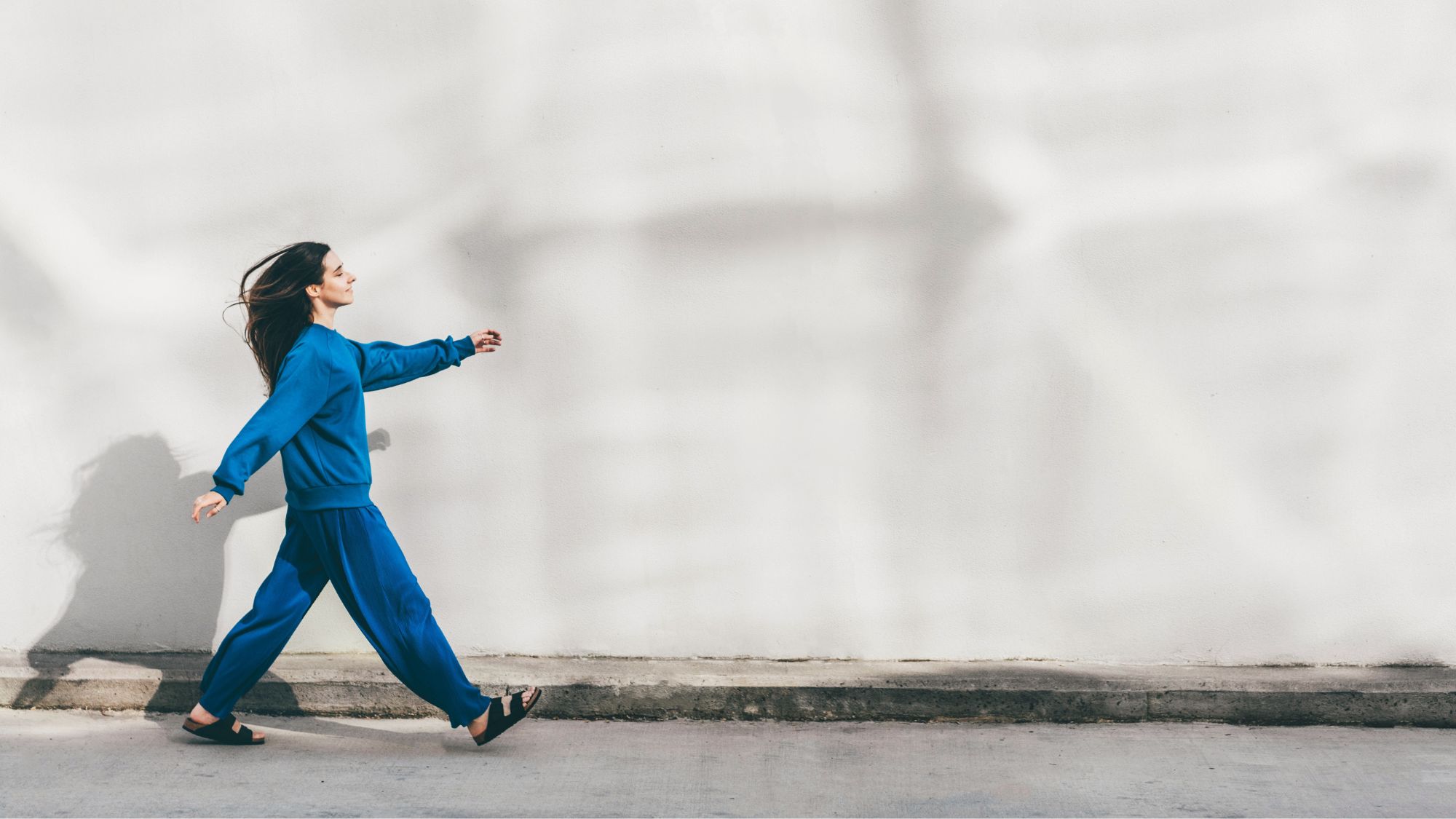

Wait…what are Hot Girl Walks?
I assume the hot girl walk involves protonating the booty cheeks out and wiggle jiggle in an oscillating pattern. I do this naturally during a bathroom trip after taco bell and it helps to hold up the stagnant humors.
A Hot Girl Walk is a 4-mile walk where you think about 3 things:
The things you’re grateful for - an opportunity to take your mind off of your daily stressors and recognize the good things in your life.
Your goals and how you’re going to achieve them - think about your previous achievements and let yourself feel proud of all you’ve accomplished and start to think about what’s next for you.
How HOT you are - after you’ve taken account of your gratitudes, achievements, and goals, you begin to feel confident.
The Hot Girl Walk is about building your confidence by recognizing all you have to be confident about, and letting it come to the surface. 4 miles is a good benchmark, but any distance you can comfortably walk is good.
The mission of the Hot Girl Walk is to unite women in a way that promotes mental and physical wellness through fitness training, that is accessible and inclusive to all.
> # ‘I Tried Tai Chi Walking—and Was Honestly Surprised by the Results’
Find out how this meditative practice can benefit your body and mind.
Dec 26, 2025 10:50 AM EST
After I tried Japanese walking, I thought I’d mastered all the buzzy walking workouts. But then my editor asked me a question: “Have you tried tai chiwalking?” The blank look on my face said it all. I’d never even heard of it.
To educate myself, I opened the encyclopedia of trendy wellness practices, also known as TikTok. There, I came across a helpful tutorial posted by Raymond Li, NASM, CPT, a personal trainer and tai chi teacher at Manhattan Tai Chi.
“Tai chi walking is the foundation of tai chi practice. It is a slow, mindful way of moving that coordinates posture, breath, balance and intention,” Li told me when we connected later. “Unlike ordinary walking, every step in tai chi walking is deliberate: how the foot lands, how weight transfers, how the spine stays upright and relaxed and how the whole body moves as one connected unit rather than separate parts.”
Slow and mindful? Clearly, tai chi walking isn’t about getting your steps in. I’m a fast walker by nature—a side effect of living in New York City for more than a decade. Doing anything slow doesn’t come naturally to me. Still, I was game to give tai chi walking a try. And honestly? It took me by surprise.
Table of Contents
What Are the Benefits of Tai Chi Walking?
Despite what some TikTok videos might have you believe, tai chi walking isn’t new. According to Li, it developed several hundred years ago as a martial art and internal cultivation practice.
“In classical training, walking drills were used to build stability, sensitivity, rootedness and efficient movement, as if you have another pair of eyes at the bottom of your feet,” he says. “Also, imagine the old days when even pavements and streetlights were not common. People had to walk in the dark on uneven ground.”
He explains that, over time, these walking methods were recognized for their therapeutic and health-preserving benefits and became a core part of tai chi as a wellness practice.
Most people walk to either get from point A to point B or to get their heart rate up. Tai chi walking doesn’t really accomplish either, so what are the benefits of doing it?
“Practiced regularly, tai chi walking can improve balance, coordination, posture, joint mobility and leg strength,” Li says.
Scientific research backs this up. A 2021 scientific review in Medicine found that tai chi helped improve balance and posture in older adults with osteoarthritis. Another study found that tai chi helped reduce pain severely for older adults experiencing multisite pain and also reduced their fear of falling.
“It encourages better circulation, smoother breathing and more efficient movement patterns,” Li says, sharing some other benefits of tai chi walking for seniors, or people of any age. “Many people also notice reduced muscle tension, better body awareness and improved stability in daily life. Because it is low-impact and sustainable, it’s something people can safely practice for many years.”
Besides these physical benefits, Li says that tai chi walking supports mental health too. “Tai chi walking naturally shifts attention into the present moment—into sensations of the feet, breath and body alignment. This can calm the nervous system and reduce stress and anxiety. The slow rhythm and continuous flow often create a meditative effect, helping people feel more grounded, centered and emotionally balanced over time,” he says.
How To Do Tai Chi Walking
Curious as to how exactly tai chi walking is done? In addition to Li’s TikTok that is shared above, the YouTube video below offers a great tutorial. In it, tai chi expert George Thompson shares that tai chi walking is a moving meditationdone by rolling each foot slowly from heel to toe, with the big toe being the last to land. “The spine is nice and long and you’re not looking down at your feet,” he says.
Thompson recommends letting your body guide you. You can walk forward, backward, sideways…wherever you feel led. He says it may feel good to drive the knees up with each step or to do a leg lift, pointing the toes and extending the leg out.
“Start slow and keep it simple. There’s no need to rush or force anything. Focus on standing upright, relaxing the shoulders and feeling each step fully before moving to the next. It’s less about how far you walk and more about how you walk,” Li says, for what to keep in mind before trying tai chi walking for the first time.
Now that I knew the benefits of tai chi walking and how to do it, I was ready to give it a try.
My Experience Trying Tai Chi Walking
I decided to try tai chi walking in my backyard. Full disclosure: I started by having my husband take a few photos of me trying tai chi walking, knowing I needed them for this article. But once I got what I needed, I sequestered him inside so I could get into the meditative spirit of it, which would have been hard for me to do with him watching and taking pictures.
To begin, I planted my feet flat on the ground and took a few deep breaths. I took in the sounds around me: the birds, the sound of someone using a leaf blower nearby and a train whistle in the distance. Then, I took my first few steps, consciously rolling my feet from heel to toe. After walking forward this way for a while, I incorporated some side steps. It occurred to me that I rarely move sideways and it felt good to move my body this way.
I was surprised at how challenging it was to balance on one foot at times. This really does take coordination and focus! I started to really pay attention to what felt good. I extended one leg out at a time as I stepped, feeling a good stretch in my outer thighs and hips. I drove my knees up one at a time, which released some tension in my glutes. I was surprised at how good tai chi walking felt. It felt similar to stretching, something I definitely don’t do enough of.
I do have to admit that I did feel a little self-conscious, hoping that none of my neighbors would walk by and wonder what I was doing. Sometimes I also struggled with figuring out how to move my body. I definitely could have benefited from working with an instructor, something Li recommends beginners do.
Overall, I equate tai chi walking with a meditative form of stretching. Especially if you spend the majority of the day sitting, going on a short tai chi walk can be a great reset for your mind and body. I can also see it being especially beneficial for older adults who want to improve their balance or incorporate more gentle movement into their day.
While I’m not sure if I’ll make tai chi walking a regular practice, I’m glad I tried it and would definitely be open to taking a tai chi class. That way, I can move with some helpful guidance.
It also helped me to realize that walking doesn’t always have to be about calorie burn, heart rate or even getting to a destination. Sometimes, being in nature, taking some deep breaths and moving in a way that feels good is enough.


# Why everyone’s talking about the ‘Tai Chi walking method’ – and how it will help your running
Pat Kinsella
Mon, 26 January 2026 at 7:52 am GMT-8
4 min read
Why everyone’s talking about the ‘Tai Chi walking method’ – and how it will help your running Nick Dolding - Getty Images
If you’re on any form of social media, there’s a very good chance you will have recently been harangued by videos of very fit looking people extolling the virtues of the ‘Tai Chi walking method’.
This may well change depending on how the algorithm sees you, but the way that this walking method is being promoted – and my natural cynicism – would normally incline me to quickly conclude that it’s a fad.
But I have form here. And as someone who took up a martial art (taekwondo) in their mid-40s and almost immediately (and completely unexpectedly) experienced a big improvement in my running, I’m much more open-minded about it’s positive potential.
Tai Chi itself is, of course, a legitimate martial art that combines combat and self-defence skills with methods of meditation, mindfulness and relaxation, which can be traced to the Great Plains of China and dates back many centuries. But it’s a broad church, incorporating lots of very different training techniques – and while most people associate Tai Chi with slow, graceful movements and deep thought, this method, as the name suggests, involves walking with much more purpose. Like moving across a frozen lake (don’t do this at home, kids!), it encourages you to consider each foot placement carefully – a bit like barefoot running, but slower.
What is the Tai Chi walking method?
There is more to this than simply walking and thinking. You also need to master breathing techniques and focus heavily on balance. The exercise itself appears relatively gentle, which is what makes it ideal for older people, but the combination of concentration and movement does kick your metabolism into gear and help you burn some calories.
How do you actually do it?
So what does the Tai Chi walking method actually look like? It is basically a slow-motion series of movements that sees the practitioner start in a neutral walking stance (with both legs slightly bent), before shifting their weight backwards onto the rear foot. They then turn their front foot slight outwards and bring the rear foot slowly forwards, touching the toe to the ground very briefly before advancing it fully forwards, landing it gracefully heel first and then rolling their weight forward towards the toe. They then shift their weight backwards again and repeat the process. Typically, mid-slow-motion step, the walker’s hands will move forwards, as if they’re pushing air away from them.
Progress – in terms of covering ground – is incredibly slow. Marathon times for Tai Chi walkers would be measured in days, if not weeks. However, like any form of walking or running, it can claim to strengthen bone density by stimulating osteoblasts (the cells that create bone tissue), but because the impact and intensity of the exercise is so low, there are none of the jarring injuries or potential cardio stresses involved. For the same reasons, it is also excellent for avoiding injury and is a very good activity for runners looking to get back into shape after recovering from sprains or muscle and joint problems. And lastly, the mediative element of the exercise is excellent for mental health.
The revelation for me when I started doing taekwondo was the additional flexibility that I gained as I progressed with the sport and how much my running benefited from this. As runners, we all know we’re supposed to stretch, but in reality most of us don’t – martial arts don’t allow for this sort of corner-cutting or general tardiness – you absolutely have to stretch, both your muscles and your mind, and the benefits are manifold.
My advice with exercises such as the Tai Chi walking method is to disregard the more outlandish claims and not expect miracles (obviously your wife will still recognise you in a few weeks’ time – even with that topknot). And certainly, don’t go signing up to any expensive courses. Still, don’t dismiss its potential positives and consider giving it a go alongside your normal running regime. Sometimes slowing your movement down and making it more purposeful can help you go faster and stay fitter in the long run.

Taichi and bagua seem similar in that they both practice forms of circular stepping, but different in theory and usage of said circles.
03-05-2026NEWS
[# Tai Chi walking: Why ’meditation in motion’ has taken over TikTok](https://www.fastcompany.com/91501284/tai-chi-walking-exercise-daily-routine-harvard-backed-meditation-in-motion-martial-art)
Forget 10,000 steps—TikTok users are sharing an easy way to incorporate a centuries-old Chinese martial art into your exercise routine.
[Photos: Tom Hutchins/VCG/Getty Images; Gianni Penati/Condé Nast/Getty Images]
LISTEN TO THIS ARTICLEMore info
0:00/ 2:29
There’s a new exercise trend making the rounds on the internet: Tai Chi walking, inspired by a centuries-old Chinese martial art that incorporates flowing hand and foot movements with breath and mindfulness.
Also know as “meditation in motion” (and dubbed “medication in motion”), Tai Chi is a gentle form of exercise that has a number of reported health benefits, primarily strength, flexibility, and balance, and, to a lesser degree, aerobic conditioning, according to an article from Harvard Medical School.
Without using weights or resistance bands, you can gain upper-body strength through arm exercises that use your core and back muscles in a similar way. Another signature of Tai Chi is it prioritizes walking heel-to-toe with focused attention.
In Tai Chi walking, exercisers adopt a Tai Chi gait, paying special attention to how they hold their posture and utilize the body’s muscles. The slow, low-impact movement is touted as especially good for older people.
Search “Tai Chi walking” on Instagram and you’ll find endless posts lauding the benefits of the trend, with some fitness influencers claiming it takes “just 7 minutes” a day to see results, while others explain how the movement helps people get grounded. Looking to get started? One of the best primers comes via this TikTok user.
It’s the latest exercise trend to hit the internet, following the “10,000 steps” craze. Popularized back in 1965 as a marketing slogan in Japan, “10,000 steps” first gained popularity in the U.S. in the 1990s, but didn’t become a daily habit for many Americans until the last 15 years. That trend ended up inspiring a whole industry of digital trackers, from Fitbits to Apple Watches.
Walking 10,000 steps a day, or roughly 5 miles, takes most people 1.5 to 2 hours to complete, though it doesn’t have to be done all in one go. Researchers have mostly debunked that as a magic number and gold standard for exercise, emphasizing that frequent movement should be the goal.
“There were no actual studies that had looked at ‘10,000 steps’” at the time the Yamasa pedometer was developed, I-Min Lee, an epidemiologist at Harvard Medical School, tells Popular Science. “It was a made-up number in the sense that 10,000 sounds good, it’s easy to remember.”
As opposed to the 10,000 steps trend, Tai Chi walking is a conscious movement, which pays more attention to how one moves instead of how much.
ABOUT THE AUTHOR
Jennifer Mattson is a Contributing Writer at Fast Company, where she covers news trends and writes daily about business, technology, finance and the workplace.. She is a former network news producer for CNN, CNN International and a number of public radio programs More
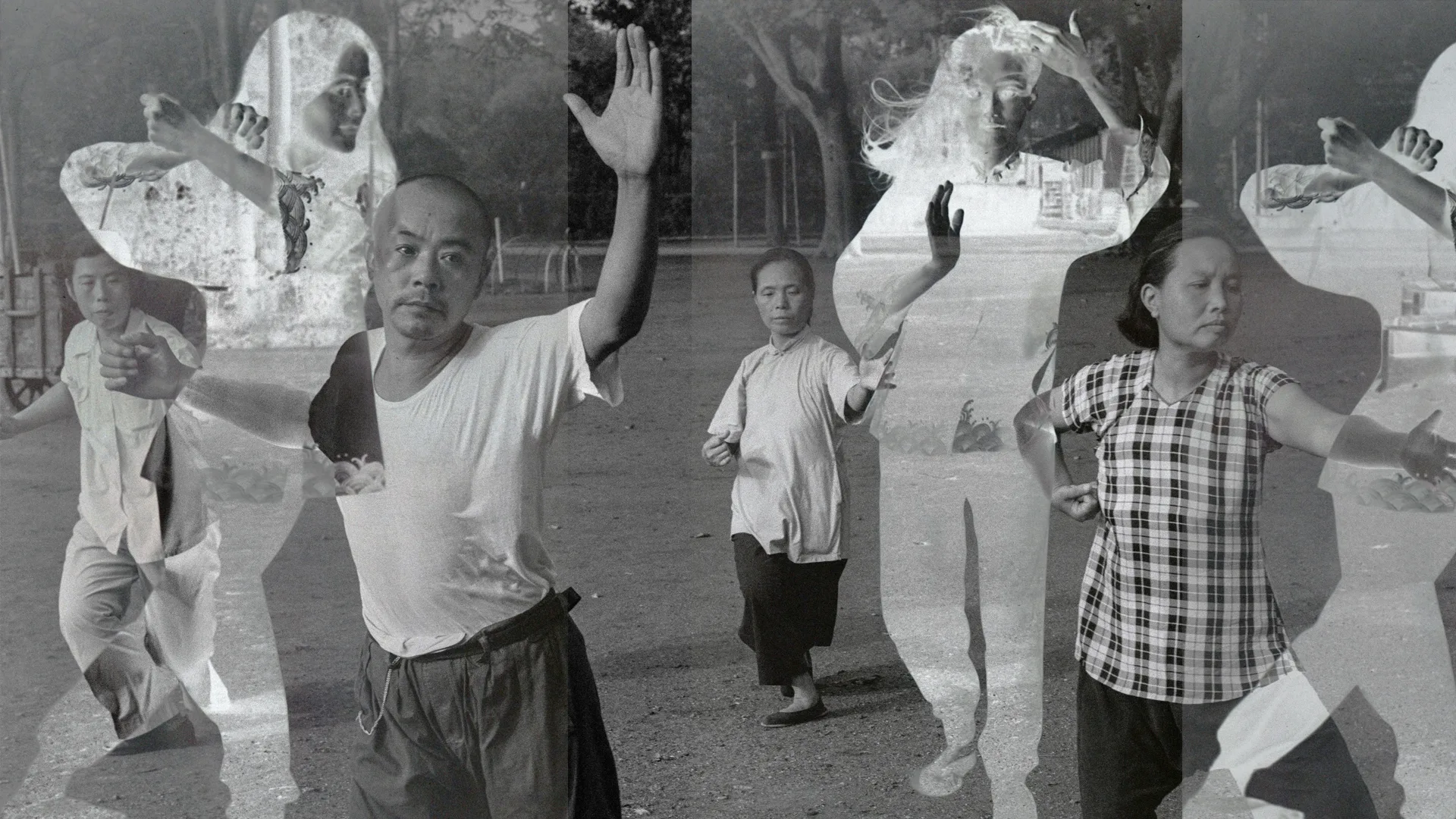
apparently the calves help pump blood up to the heart, hence the warring state idea of “breathing through the feet”