> # What is Tai Chi Walking - and is it worth a try?
Peer reviewed by **Dr Colin Tidy, MRCGP**Authored by Victoria Raw
Originally published 31 Mar 2026
Meets Patient’s **editorial guidelines**Est. 5 min reading time
The martial art of Tai Chi has been around for centuries. Originally developed as a form of self-defensive combat, it’s still going strong today - though its greatest strength now lies in its ability to support overall health and wellbeing.
For something so ancient, it’s impressive that Tai Chi is still finding new relevance in today’s wellness world. One of the latest ways it’s being embraced - particularly across online platforms - is through a more accessible adaptation of the practice known as Tai Chi Walking.
In this article:
Video picks for Exercise and physical activity
What is Tai Chi?
Tai Chi, also known as Tai Chi Chuan (Taijiquan), originated in China as a form of martial arts training. Over time, it has evolved into one of the most respected practices in Chinese culture for promoting health, balance, and longevity.
Dr Mao Shing Ni, Tao of Wellness, California, USA, is a Tai Chi master and a board-certified specialist in longevity. He explains that the term Tai Chi refers to the ultimate balance of yin and yang - the dynamic harmony between opposing forces such as movement and stillness, strength and softness, and effort and relaxation.
“In practice, Tai Chi consists of slow, flowing movements performed with awareness of breath, posture, and internal energy, which Chinese medicine calls Qi,” says Ni.
“Unlike many exercises that isolate muscles, Tai Chi trains your entire body as one integrated system. The mind guides the movement, the breath regulates the rhythm, and the body follows smoothly. In this way, Tai Chi becomes a form of moving meditation - strengthening the body while calming and focusing the mind.”
Learning Tai Chi the right way
Ni recommends that if you’re interested in learning Tai Chi, the best way to practise it correctly is with a qualified teacher.
He points out that while Tai Chi may look simple from the outside, the internal principles are actually quite subtle. A skilled teacher can guide you through key elements, such as proper alignment of your spine and joints, coordinating breath with movement, shifting weight safely and efficiently, and maintaining stability while staying relaxed.
“Without direct guidance from a teacher, beginners often rely only on imitation,” says Ni. “You may tense your body, collapse posture, or move mechanically, which reduces the benefits and sometimes creates strain.”
He adds that, traditionally, Tai Chi was taught through direct transmission, with the teacher guiding posture and helping students sense the internal flow of movement. This kind of hands-on feedback speeds up learning and helps practitioners develop the deeper aspects of the art.
How Tai Chi supports mind and body wellbeing
With consistent practice and guidance, Tai Chi offers a wide range of health benefits. Beginners often start to feel confident with the basic movements after just a few weeks of regular practice. While mastering a complete form can take several months, the positive effects on health can be noticed much earlier.
Ni explains that Tai Chi is often described as “meditation and healing in motion”.
He adds that practising it regularly can benefit your:
Joint mobility and flexibility.
Circulation and heart health.
Muscle coordination and strength.
Posture and spinal alignment.
“Because movements are performed with focused attention, Tai Chi also helps improve your concentration, enhance your body awareness and sharpen your memory and cognitive function,” says Ni. “Modern studies even suggest Tai Chi may support brain health and neuroplasticity.
“From a Chinese medicine perspective, Tai Chi helps regulate Qi and calm the spirit, which we call Shen. Practitioners often experience reduced stress and anxiety, improved emotional resilience, and a greater sense of inner balance.”
Staying safe while practising Tai Chi
According to Ni, Tai Chi is generally considered a very safe practice, which is why it’s often recommended for older adults and those recovering from illness.
However, for the best results and to ensure safety, it really should be mastered under the guidance of a teacher. Without proper instruction, people can sometimes lock their knees or joints, lean too far forwards or backwards, or move with unnecessary tension.
Ni explains that these habits can occasionally put strain on your knees, hips, or lower back. That said, injuries from Tai Chi are extremely rare, and it is considered safe for most people.
“People who should be especially careful include those with severe balance disorders, those recovering from major joint surgery or those with acute injuries,” says Ni. “For them, Tai Chi can still be beneficial, but it should be modified and taught carefully.”
Exploring Tai Chi Walking for beginners and beyond
Tai Chi Walking - sometimes called the Tai Chi walking method - is a trend that has spread across social media, and as a result, more and more people have started practising it. This allows them to enjoy some of the health benefits of Tai Chi, even without committing to the full traditional practice.
Ni describes Tai Chi Walking as a simplified approach that brings the principles of Tai Chi to life through walking.
“Instead of performing a full sequence of movements, practitioners walk slowly and intentionally while maintaining upright posture, smooth weight transfer, relaxed breathing, and awareness of each step,” he says.
“Each step is placed with mindfulness and balance, almost as if the foot is gently 'testing the ground’. Compared to full Tai Chi forms, Tai Chi walking is simpler and easier to learn, making it accessible to beginners.”
Why Tai Chi Walking has become a wellness trend
Tai Chi Walking draws from traditional walking practices designed to enhance balance and provide a deep sense of grounding. Closely linked to mindful walking meditation, it uses simple, intentional movements to foster greater awareness and promote internal harmony.
Ni explains that many people today are feeling overwhelmed by stress, technology, and constant stimulation. Tai Chi offers something very appealing - a simple way to slow down and reconnect with your body.
“It requires no equipment, no special location like a gym and no athletic ability,” he says. “People can practice it in a park, on a trail, or even in their backyard. In a world that often pushes us to move faster, Tai Chi Walking reminds us that health sometimes begins by slowing down.”
A simple guide to Tai Chi Walking
Tai Chi Walking is an easy and accessible way to practice mindfulness and improve your balance. While it’s a good idea to check in with a professional for formal training, you can safely practice these simple steps on your own:
Starting stance
Footwear - wear comfortable shoes with a flat sole or thin socks on a non-slip surface.
Position - stand naturally with your feet parallel and hip-width apart, knees slightly bent.
Posture - keep your head up, chin tucked, and spine lengthened.
Shifting your weight
The shift - gradually shift your weight to your right leg, making it feel light.
The lift - lift your left leg slowly while keeping your knee bent and bring your foot forwards.
The forward step
Heel first - step forwards gently with your heel, toes pointed slightly upwards.
The roll - roll your foot from heel to ball until flat on the ground.
The transfer - shift your weight onto your left leg as your right heel lifts.
The arm movement
The push - as you shift your weight, coordinate your hands to ‘push’ the air from your chest.
Soft joints - keep your elbows and wrists rounded and unlocked.
Sync - your hands should finish the push when your weight settles on your front foot.
Continuing the flow
Repeat - with your weight on your left leg, lift your right leg, step forwards, roll your foot down, and shift your weight again.
Breathing - inhale as you lift your foot and exhale as you shift your weight and push.
Is Tai Chi Walking good for you?
Walking is one of the easiest forms of exercise and comes with a wide range of health benefits. Tai Chi Walking, however, takes it a step further by incorporating posture, balance, and mindful awareness.
Ni explains that because steps are slower and weight shifts are more deliberate, Tai Chi Walking may improve balance and fall prevention, joint stability, leg strength, and coordination and awareness of posture.
“For heart health, it is typically lower intensity than brisk walking, but it can still support circulation and metabolic health,” he says. “It may be especially helpful for people with arthritis, balance issues, long-term stress and early neurological conditions affecting coordination.”
He adds that Tai Chi Walking naturally helps to quiet the mind. As your focus settles on the rhythm of your breath and steps, your nervous system gradually shifts from a state of fight-or-flight to one of relaxation and restoration.
“Many practitioners report reduced anxiety, improved focus and better emotional regulation,” says Ni.
Tai Chi Walking is especially helpful for older adults looking for low-impact exercise, anyone feeling stressed, those on the road to recovery, and anyone wanting a gentle introduction to mind-body practices.
Ni advises that anyone with significant mobility or balance challenges should start slowly.
He suggests helpful modifications, such as practising near a wall or rail for support, taking smaller steps, and moving at a comfortable pace. The aim isn’t to push your body, but to encourage smooth, natural movement.
“In Taoist philosophy, the highest form of practice is not intensity, but harmony,” Ni concludes. “Allowing the body to breath, and mind to move together with ease.”
Article history
The information on this page is peer reviewed by qualified clinicians.
Next review due: 31 Mar 2029
31 Mar 2026 | Originally published
Authored by:
Peer reviewed by


I remember ChiRunning! I hadn’t even started training CMA yet, but I’d been running for years by then. 
This was a fun read for me. The Tai Chi walking thing is out of control—Coworkers keep asking me what it is and I keep telling them I have no idea, just a stupid new health fad that has nothing to do with what I train…
Guess I was only partially right… whoops, one of the places I practice is a YMAA school—I had no idea it was our fault 
Next time anyone asks you about Tai Chi walking, tell them to get Tai Chi Walking: A Low-Impact Approach to Better Health by Robert Chuckrow, Ph.D. 
1 Like
> # Forget counting steps - tai chi walking is a workout to improve your posture and balance
This alternative walking practice can work wonders for stress, mood, balance, posture, and more, without worrying about the impact of exercise on your joints
BY GRACE WALSH
PUBLISHED 2 DAYS AGO
IN FEATURES
(Image credit: Getty Images)
Tai chi walking is a slow and mindful practice that delivers as many mental benefits as physical ones. Far from a new trend, this walking exercise has been practised for thousands of years.
As you might expect, tai chi walking comes from the practice of tai chi, a slow and mindful martial art for self-defence from ancient China. Tai chi walking combines ancient Qigong energy practices with martial arts techniques to build balance and core strength. “It involves taking deliberate, flowing steps while engaging your core, relaxing your shoulders, and moving your arms gently in sync with your legs,” says Shamar Thomas, a personal trainer, cardio specialist, and injury rehabilitation expert working with WalkFit.
Unlike metabolic walking or walking yoga, the focus isn’t on your muscles or getting your heart rate up. “Each step is performed with focus and mindfulness, making it both a physical and mental exercise,” says Shamar, who reveals how to do it below.
HOW TO DO TAI CHI WALKING
Stand tall: Begin with feet hip-width apart, knees soft, shoulders relaxed, and spine straight.
Set your breath: Take a few slow, deep breaths to centre yourself and prepare for mindful movement.
Step slowly: Lift one foot slightly and step forward gently, placing your heel first, then rolling through to your toes.
Shift your weight: As you step, slowly shift your weight onto your front foot, keeping movements smooth and controlled.
Move your arms: Let your arms flow naturally in sync with your steps, like gentle tai chi movements.
Engage your core: Keep your abdominal muscles lightly engaged to support balance and posture.
Stay mindful: Focus on your breath, the sensation of your feet on the ground, and the rhythm of your steps.
Repeat and reverse: Continue stepping slowly for several minutes, then switch feet and reverse direction.”
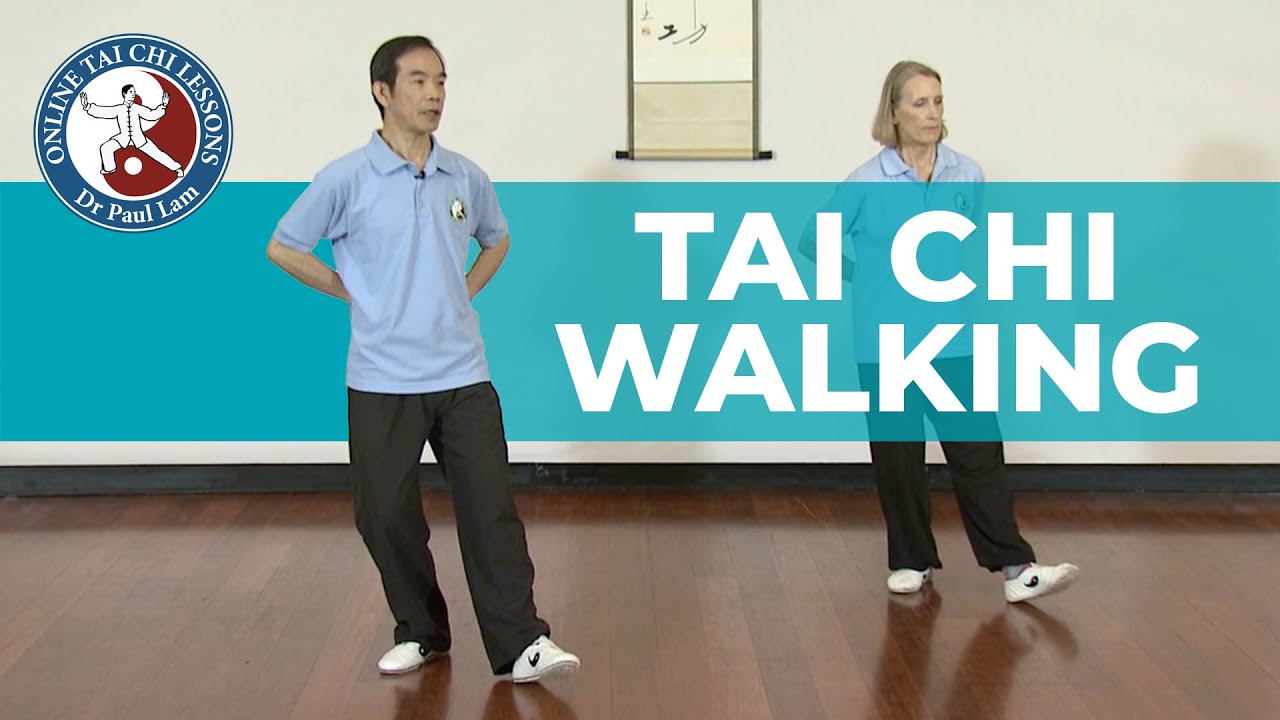
For a demonstration, see the video below by Dr Paul Lam and Tai Chi Productions.
Tai Chi Walking for Balance: Step-by-Step Beginner Tutorial by Dr Paul Lam - YouTube
WHAT ARE THE BENEFITS OF TAI CHI WALKING?
1. REDUCES STRESS
Slow, intentional breathing is one of the simplest ways to calm the nervous system, and this is exactly what tai chi walking prioritises. “Inhale deeply through your nose and exhale fully through your mouth as you walk,” says Shamar. "Synchronising breath with movement helps reduce stress, enhances focus, and turns each step into a meditative experience.”
Dr Cassidy Jenkins, a psychologist also working with WalkFit, agrees. “Beyond its physical benefits, tai chi walking supports mental well-being by encouraging focus, reducing stress, and promoting calm.”
Several studies have shown that traditional tai chi can improve sleep, with one showing a 50-minute increase in total sleep time.
Sign up for the woman&home newsletter
Sign up to our free daily email for the latest royal and entertainment news, interesting opinion, expert advice on styling and beauty trends, and no-nonsense guides to the health and wellness questions you want answered.
By signing up, you agree to our Terms of services and acknowledge that you have read our Privacy Notice. You also agree to receive marketing emails from us that may include promotions from our trusted partners and sponsors, which you can unsubscribe from at any time.
2. BOOSTS MOOD
If you do your tai chi walking outside in the sunshine this spring, you’ll reap double benefits for your mood: exercise and sunlight.
“The slow, mindful movements boost circulation, release endorphins, and anchor the mind in the present," says Dr Jenkins. “Brief exposure to natural light outdoors can help regulate your body’s internal clock. Whether practiced indoors or outside, tai chi walking is a simple, accessible way to lift mood and improve mental wellness.”
3. IT CAN BE DONE ANYWHERE
Now that spring is finally here, outdoor exercise is back on the table. Grabbing your walking shoes and heading out for some tai chi walking has the double benefit of exercise and fresh air.
However, if it’s raining outside or you’d rather not leave the house, you can do it inside - and you don’t even need a treadmill or walking pad.
“The practice benefits from a calm environment where you can focus on mindful movements and controlled breathing, whether in your living room or at a park,” says Shamar.
4. SUITABLE FOR BEGINNERS
“Unlike Japanese walking, which emphasises posture and formality, tai chi walking is meditative, rhythmic, and fluid, making it perfect for beginners," says Shamar. “It’s low-impact, easy to learn, and requires no prior experience.”
The practice is more mindful than other walking workouts as well, which helps with this. “Notice subtle sensations, such as how your feet touch the ground, the rhythm of your steps, and the environment around you,” adds Shamar.
“Pay attention to these details to help anchor your mind in the present, fostering mindfulness and improving mood, while also helping to ease anxiety and tension.”
5. BOOSTS CONFIDENCE
Improving your fitness is one way to boost your confidence, but so is improving your mental resilience. Tai chi walking can help with this, Shamar says.
“I’d recommend always starting your walk with a clear intention. For example, think ‘I am calm’ or ‘I am present’ and repeat this with each step to reinforce this positive thinking. This can lift your mood and strengthen mental resilience."
Health Channel Editor
Grace Walsh is woman&home’s Health Channel Editor, working across the areas of fitness, nutrition, sleep, mental health, relationships, and sex. She is also a qualified fitness instructor.
A digital journalist with over seven years experience as a writer and editor for UK publications, Grace has covered (almost) everything in the world of health and wellbeing with bylines in Cosmopolitan, Red, The i Paper, GoodtoKnow, and more.

For the record, Ann Swanson did not ‘accidentally’ start this Tai Chi walking trend. Tai Chi Walking goes back to 2002 with Tai Chi Walking: A Low-Impact Approach to Better Health by Robert Chuckrow, Ph.D.
1 Like
# Tai Chi Walking Can Boost Balance, Strength and More. Start With This 1 Exercise, Experts Say
Just a few minutes of tai chi walking can help improve balance and mobility.
April 28, 2026, 11:37 AM PDT / Source: TODAY
Tai chi walking has been popping up on social media recently with proponents claiming it can provide all sorts of physical and mental health benefits. And if you’re looking to add some mindfulness or balance practice to your usual walking routine, tai chi walking may be just what you’re after.
Tai chi was originally developed as a type of martial art in China hundreds of years ago, say Yun Kim and Jacques MoraMarco, both acupuncturists, doctors of traditional East Asian medicine and co-authors of the recently released book “Walking Your Way to Vitality: Integrating Walking, Breathwork and Mindfulness Into Your Daily Exercise.”
Today, you probably know it more for the slow, hypnotic movements and its potential for preventing falls in older adults.
But the authors encourage people to start building that practice early for better balance, strength and mobility that will provide benefits now and later in life.
“Prevention is the highest form of medicine,” Kim tells TODAY.com. “The concept is to start these preventative practices when you you’re relatively young and healthy to prevent something serious that could happen in the future.”
And tai chi walking offers the chance to combine the controlled, meditative movements of tai chi with the well-studied benefits of regular walking.
What Is Tai Chi Walking?
While tai chi is typically performed generally in place, forms of walking that incorporate tai chi-inspired movements have been making their way around social media.
The type of movements used in tai chi walking are actually based on “transitions between the stances of tai chi,” MoraMarco tells TODAY.com. So, while there is no such thing as “pure tai chi walking,” he says, these movements are still based on the slow, mindful, intentional weight transfer that you’ll perform in traditional tai chi practices.
You can perform tai chi walks for five to 10 minutes at a time or add a few minutes of these movements into your usual longer walks.
Benefits of Tai Chi Walking
One of the biggest benefits of practicing tai chi and tai chi walking is the balance, strength and mobility needed to prevent falls, MoraMarco says, which is particularly important for older adults.
“Depending on the posture, you’re affecting specific muscles like the hip flexor and the quads that are beyond what you would get in regular walking or jogging,” he explains.
MoraMarco, now in his 70s, recalls a moment when he nearly fell while presenting at a convention. His foot got caught on someone’s bag as he walked to the stage “and I went flying forward, but I caught myself,” he says. He credits his tai chi practice with saving him that way many times.
Meanwhile, Kim, 53, says the practice has helped her maintain strength and manage symptoms as she went through perimenopause. For her, the benefits of weight-bearing exercises to support bone density are top-of-mind as she gets older. While lifting weights is one option to get those benefits, she says, tai chi is another, gentler option.
For people with chronic pain or limited movement, tai chi and tai chi walking can help them stay active and build strength with much less impact on the body, the experts add.
There is also the mindfulness component, which supports both better body awareness and mental health. This concept, also called “yi,” translates to “mind intent” in Chinese, Kim says, and it’s “the secret sauce in all of these movement therapies.”
Tai chi is not just choreography, Kim explains. “You’re not just going through the motions,” she says. “If you want to really derive the health benefits, you want to be in your body.”
This type of awareness can also help us notice when we’re ruminating about the past or anxious about the future. With mindfulness, we are better able to “anchor our mind” in what we’re doing and feeling right then and there," Kim says.
“When you’re doing tai chi, we’re fully in the present moment,” she says. “We are feeling the feet on the ground, the shifting of the weight, the knee lifting and the core engaged.”
There is also research supporting the benefits of tai chi for improving sleep and reducing anxiety, as well as benefits of simply practicing outdoors.
How to Start Tai Chi Walking
In their book, MoraMarco and Kim share three variations of tai chi walking in order of increasing difficulty. They each evoke a different animal’s careful, considered movements.
The first one, the tai chi cat walk, does not involve the upper body and the experts recommend people start here.
To perform the cat walk:
Start in a right bow stance, meaning your right leg is forward and bent slightly at the knee. Your left leg is stacked behind you, also slightly bent. You can rest your hands at the top of your hips.
Take a moment to relax into this form with your back straight and your chin slightly dropped.
Sink your waist and right hip down while rotating to the right and opening slightly. Lift the toes of your right foot and rotate them out at a 45-degree angle. Your heel should stay glued to the ground. At this point, all of your weight should be on your right foot.
With all of your weight on the right, you can now slowly pick up your left foot and bring it past the right. Your left leg should stay bent but low, held under your body while you bring it in front of you. Straighten the leg before you gently bring your foot down, heel to toe.
As your toes come to the ground, you should straighten the right leg behind you. Shift your weight to your left leg so that you end in the left bow stance, mirroring the right bow stance you started in.
Continue walking like this for a few minutes, ideally up to 10 minutes.
When you’re ready to end, stand in the “wu ji” position, also called “standing like a pole,” to center yourself and clear your mind after your practice.
When you’re just starting out, the authors recommend aiming to perform the cat walk for two minutes and build up to 10 minutes in future sessions. You can do it outside or inside, Kim says, even up and down a hallway in your home.
And, when you’re ready, try the golden rooster walk or bear walks, which add arm movements and require a little more careful balance. As you progress, you can start to focus on your breath more intentionally, too.
Sarah Jacoby is a health reporter at TODAY.
1 Like
This Ancient Walking Practice is the ‘Gold Standard’ for Reducing Joint Pain and Preventing Falls. Here’s How to Get Started
A few minutes a day could help you stay steadier on your feet.
JUN 2, 2026 1:09 PM EDT
Health and Fitness Writer, Men’s Journal
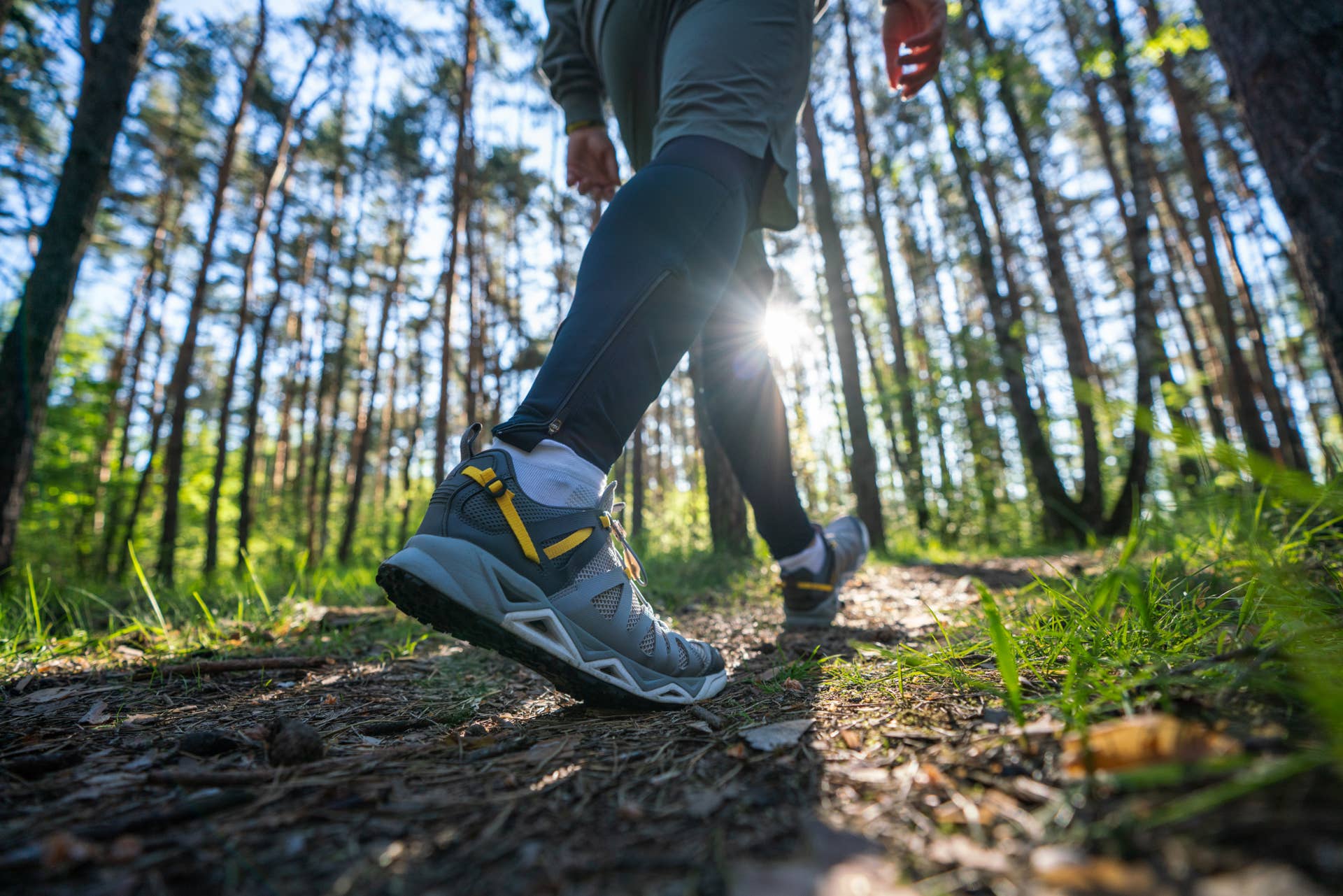
Man walking in the woods
Getty Images/sankai
June 2, 2026
Key Points
- Falls are the leading cause of injury in adults 65 and older.
- Tai Chi walking trains balance, strength, and stability, helping to reduce fall risk.
- Experts emphasize learning Tai Chi from reputable, qualified instructors for best results.
As we age, our risk of falling increases, making falls the leading cause of fatal and nonfatal injuries for adults 65 and older. With over 14 million older adults reporting a fall each year, these incidents are common, but not inevitable. Prioritizing strength, balance, and mobility training can significantly reduce your risk over time, and one of the most effective tools for doing this is Tai Chi walking.
“Tai Chi is considered the gold standard for balance and fall prevention,” says Ann Swanson, M.S., author and Tai Chi for Health instructor. “The good news is that this Chinese martial art only gets better with age! A great place for beginners to start is traditionally called ‘step drills,’ often described as ‘Tai Chi walking.’ It teaches you how to shift your weight, stay grounded, and move with control.”
Tai Chi walking blends slow, intentional movement with martial arts principles to train balance, coordination, mobility, agility, and focus all at once. It’s often described as a form of “meditation in motion.” Read on to learn how to get started and incorporate the practice into your own routine.
Table of Contents
What is Tai Chi Walking?
Tai Chi walking is a controlled stepping practice that trains balance, coordination, and full-body awareness through intentional weight shifts. Of course, normal walking has its benefits. But rather than moving mindlessly from step to step, Tai Chi walking asks you to deliberately ground yourself on one leg first, stabilize, and then smoothly transition the other foot forward.
Keeping the spine tall, the joints relaxed but supported, and the movement steady rather than rushed, emphasizes strong posture and body control. Repeatedly practicing the mindful transfer of weight strengthens single-leg stability, sharpens proprioception, and reinforces efficient movement patterns that help reduce fall risk.
How to Do Tai Chi Walking Exercises
“A simple daily practice of 10 to 15 minutes can make a profound difference,” Swanson says. “You could do a two-minute practice in the kitchen while waiting for water to boil, or a five-minute session while taking the dog outside.”
- Start in a comfortable stance with one foot slightly in front of the other and knees gently bent. Keep your posture tall and shoulders relaxed, with hands resting lightly on your hips if that helps you stay balanced.
- Shift your weight slowly onto your front leg until it feels stable and steady. Once you’re fully balanced, gently lift your back foot off the floor.
- Bring the back foot forward in a slow and controlled motion. Place the heel down first, then roll through to the toes.
- As the front foot lands, allow your back leg to become the new support by slowly transferring your weight forward onto it.
- Repeat the same pattern.
https://www.youtube.com/watch?v=Eo1h4M-ZrWQ
Benefits of Tai Chi Walking
Due to its slow and controlled nature, Tai Chi walking helps activate the deep stabilizing muscles that support the joints, building balance and helping reduce joint pain. Plus, it engages some of the body’s largest muscle groups, such as the thighs, glutes, and core, while simultaneously strengthening smaller stabilizers around the hips, knees, ankles, and feet. Such muscles play a key role in maintaining stability and preventing missteps or falls.
“Tai Chi walking trains dynamic balance in a very practical way. Instead of only walking forward, you practice moving forward, backward, and sideways with control,” Swanson explains. “Once you add the arm movements, which represent blocks and strikes, it becomes even more of a full-body challenge.”
Progressions and Modifications
Tai Chi walking can be easily adapted to different fitness levels. Beginners can start with shorter, gentler steps and a higher stance to make balance more manageable. As you build strength and mobility, you can squat lower, take bigger steps, and move more slowly, taking it to the next level.
Swanson recommends mastering the footwork first and foremost. Once that feels comfortable and controlled, you can begin layering in the coordinated arm movements to turn the practice into a more complete full-body exercise that further challenges both strength and coordination.
“Tai Chi is a lifelong practice, so there is always another layer to explore. You might be surprised to see that some of the most skillful practitioners are in their 90s and beyond!” she says.
Is Tai Chi Walking a Scam?
Tai Chi walking isn’t a scam, but much of the content being marketed as such online may not be authentic Tai Chi. As interest in the practice grows, you may have even come across AI-generated videos, books, and ads from unqualified instructors that make it harder to find accurate guidance. Stick with reputable teachers and trusted sources to ensure you’re learning the real deal.
ABOUT THE AUTHOR
Kelsey Kryger
Health and Fitness Writer, Men’s Journal
Kelsey Kryger is an ACE certified personal trainer and writer for Men’s Journal, where she covers all things health and fitness. You can also find her work in Men’s Fitness, Parade, Her Agenda, Simplifaster, and Earmilk.

1 Like
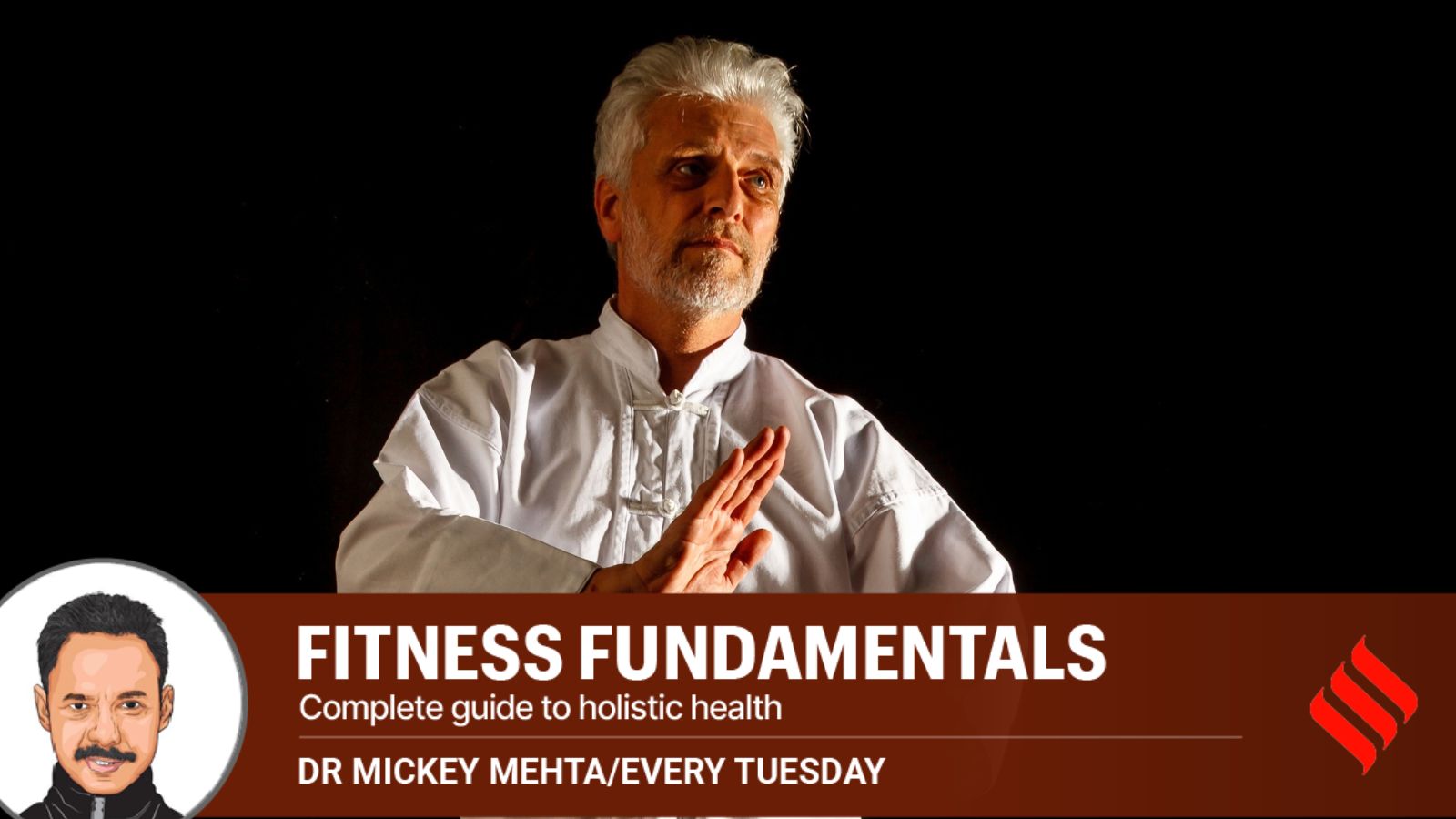
Why Tai Chi walking is a wellness revolution: It helps people slow down, beat burnout
This slow, mindful form of movement is gaining attention for its potential benefits for balance, mobility, stress reduction, cognitive health and overall wellbeing
Written by: Dr Mickey Mehta
4 min readUpdated: Jun 6, 2026 03:47 PM IST
Tai Chi walking is emerging as a global wellness movement that transforms ordinary movement into a meditative, full-body flow. (Representational/Pixabay)
In a world increasingly defined by speed, intensity and relentless performance, a quieter wellness movement is gathering momentum in parks, gardens, beachside and open spaces across the globe. It is called Tai Chi walking.
More than a form of exercise, it is a practice of deliberate, rhythmic movement synchronised with breathing, posture and awareness. Every part of the body participates. The head, heart, lungs, limbs and nervous system work together in a coordinated flow that transforms an ordinary walk into a moving meditation. The arms rise and fall gently with each step. The shoulders rotate. The chest opens. The spine mobilises. Joints loosen. Breathing deepens. Movement becomes conscious rather than automatic.
What is Tai Chi walking?
Tai Chi walking is a slow, mindful form of movement that combines the principles of Tai Chi with the natural act of walking. Unlike conventional walking, which is often done on autopilot, Tai Chi walking emphasizes synchronisation between breath, movement and attention, transforming a simple walk into a meditative practice. By engaging both the body and mind, it offers a gentle yet effective way to improve physical wellbeing, reduce stress and cultivate a greater sense of calm and connection with one’s surroundings.
The science of slowing down
For decades, modern culture has equated fitness with intensity. Yet a growing body of research suggests that slower, mindful forms of movement can deliver significant health benefits.
Studies on Tai Chi have shown improvements in balance, mobility, stress management and overall quality of life, particularly among older adults. Researchers have also found evidence that mindful movement practices can support cardiovascular health, cognitive function and emotional wellbeing.
As the body opens through gentle movement, breathing becomes more efficient. The lungs expand more fully, oxygen delivery improves and circulation becomes more effective. The nervous system begins to shift from a state of constant vigilance toward one of restoration and balance.
A workout for the brain
Tai Chi walking engages the body and the mind simultaneously. The slow, coordinated rhythm of the arms and legs requires attention, balance and spatial awareness. This bilateral movement encourages communication between different regions of the brain while strengthening coordination and concentration.
Emerging research into neuroplasticity suggests that mindful movement practices may help support the brain’s ability to create and strengthen neural pathways throughout life. Practitioners often report sharper focus, greater mental clarity and an enhanced sense of body awareness. In an age of constant distraction, that alone is a valuable benefit.
Nature as a healing partner
Researchers increasingly recognise the restorative effects of spending time in natural environments. Exposure to green and blue spaces has been associated with lower stress levels, improved mood, better cardiovascular health and enhanced psychological wellbeing. Nature, it seems, remains one of humanity’s most powerful forms of medicine.
Fast-paced schedules, endless notifications, emotional overload, screen saturation and constant productivity demands have left millions operating in a near-permanent fight-or-flight mode.
The combination of slow breathing, deliberate movement and focused awareness encourages the body to activate its parasympathetic nervous system—the biological state associated with rest, recovery and regeneration.
Easy to adopt
Unlike many forms of exercise that prioritise intensity, Tai Chi walking emphasises sustainability. It improves mobility without excessive strain. It enhances balance without impact. It supports cardiovascular function without overwhelming the body. It encourages consistency because it is restorative rather than depleting.
For many people, particularly those navigating stress, ageing, recovery or burnout, this approach feels both refreshing and achievable. It transforms exercise from a task into an enjoyable experience.
In an age defined by burnout, anxiety and overstimulation, that lesson feels not only relevant but necessary. And perhaps that is why more people are embracing Tai Chi walking — not as another fitness trend, but as a gentle return to balance, one mindful step at a time.
(Dr Mehta is holistic health expert)
What is ‘tai chi walking’ and what can it do for your body?
This discipline blends this unhurried martial art with mindful movement and offers major benefits for aging bodies
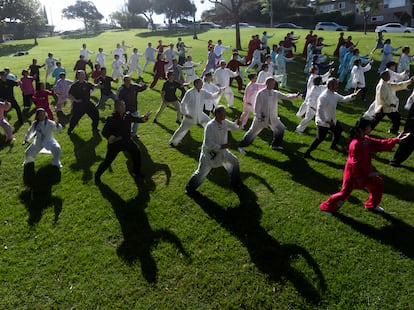
Tai chi practice in Barnes Park, Los Angeles.QIAN WEIZHONG (GETTY IMAGES)
This discipline blends this unhurried martial art with mindful movement. It offers substantial benefits for mature bodies - JUN 30, 2026 - 06:36 EDT
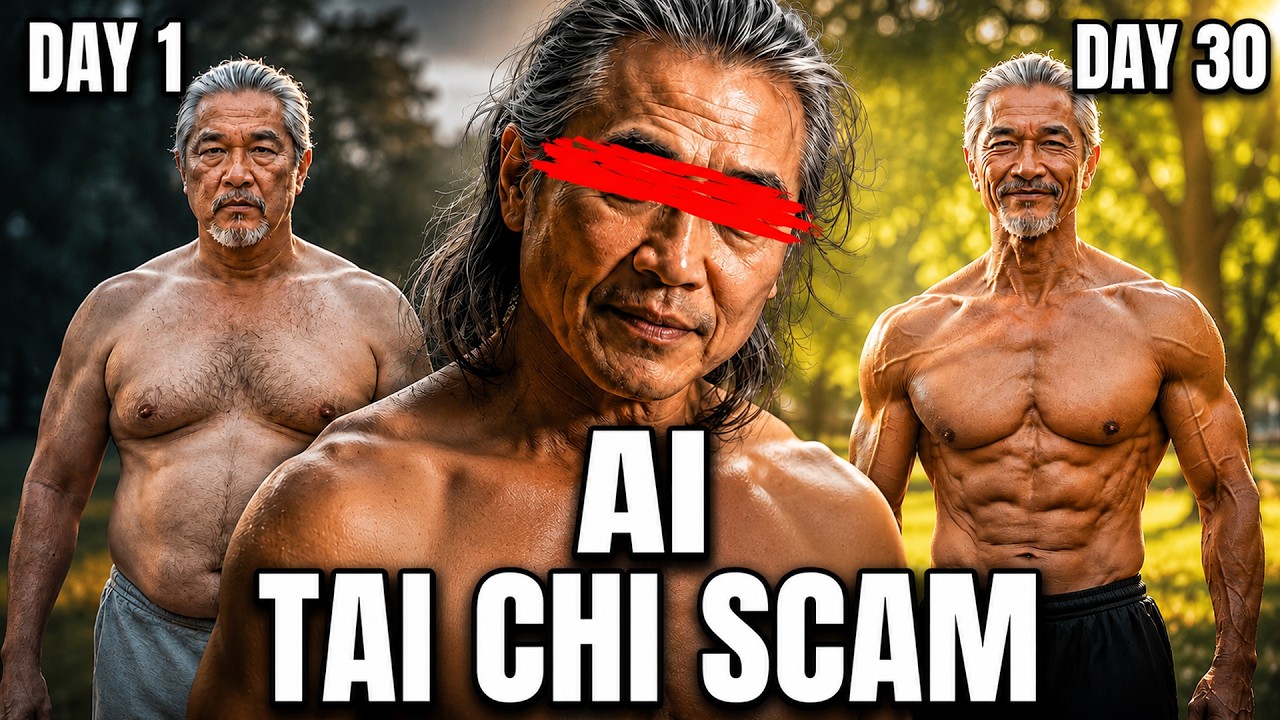
Since late 2025, and continuing to this day, if you’re over 40 and spend any time on Instagram, you’ve probably come across him: a shirtless man with implausibly defined abs, standing in a picture-perfect Japanese garden, performing slow, graceful movements while a voice-over promises that you, too, could achieve that body by practising tai chi for 15 minutes a day in your living room.
The muscular man is an AI-generated image. The company behind the campaign was MadMuscles, a fitness app owned by a Ukrainian company based in Nicosia, Cyprus, that has been widely criticized for deceptive practices. Yet amid the marketing noise and impossible abs, there is something real: tai chi walking exists, it has centuries of history behind it, and science supports it with solid evidence. Just not in quite the way it was being sold.
Tai chi walking is not an influencer invention. It was developed centuries ago as part of the martial and internal training traditions of classical tai chi. What social media has popularized is its most distilled form: a slow, deliberate and mindful walk that demands complete attention to every element of movement — how the foot touches the ground, how weight transfers from one leg to the other, how the spine remains upright, and how breathing is coordinated with each step.
The difference from ordinary walking is fundamental. When you walk normally, you generally rely on momentum; in essence, you fall forward and catch yourself with the next step. Tai chi walking removes that momentum almost entirely. Every step becomes a self-contained act of balance.
Marie Claire dubbed it the successor to the “hot girl walk,” the previous trend that revolved around striding out with confidence and attitude. The comparison is both accurate and amusing: where that trend was about energy and pace, this one is about radical slowness. At first it feels strange, even uncomfortable, as though the body is protesting against the absence of haste.
The benefits are backed by decades of research, but they are not the ones promised by the advertisements featuring the muscular man. A randomised controlled trial published in JAMA Network Open in 2024 assigned 342 people with prehypertension to two groups: one practised tai chi four times a week, while the other engaged in conventional aerobic exercise.
After one year, the tai chi group had reduced their systolic blood pressure by an average of seven points, compared with 4.6 points in the aerobic exercise group. The practice — which resembles a slow-motion dance — proved more effective than jogging at lowering blood pressure. And that conclusion comes from JAMA, one of the world’s most prestigious medical journals.
Research published in the Annals of Internal Medicine adds that practising tai chi twice a week for six months improves cognitive test scores by 1.5 points. Multiple reviews, including one by Harvard University, have also confirmed improvements in balance and fall prevention among older adults — arguably the most important and least glamorous benefit of all.
What tai chi walking does not do is make us look like the man in those advertisements. The promise that it could replace CrossFit is every bit as fanciful as the AI-generated images used to sell it.
What it does do, according to the scientific evidence, is improve movement quality, reduce stress and lower blood pressure. For someone over 40 whose joints already have a bit of mileage on them, that is no small thing.
The practice is 2,000 years old. The marketing, thankfully, is much younger.
Why more people are choosing Tai Chi walking for better health
Here’s what doctors say about the benefits of Tai Chi walking for balance, mobility, heart health and healthy ageing.
By: Lifestyle Desk
5 min readNew DelhiJul 11, 2026 06:00 AM IST
Expert on the benefits of Tai Chi walking (Photo: AI)
Gastroenterologist Dr Palaniappan Manickam recently drew attention to Tai Chi walking in a video, describing it as a practice that allows people to meditate while walking and improve their balance. While the concept may sound simple, Tai Chi walking has been gaining recognition worldwide for its potential benefits for physical and mental health, particularly among older adults.
According to Dr Gaurav Prakash Bhardwaj, Director, Sports Injury, Joint Preservation & Replacement Surgery, PSRI Hospital, Tai Chi walking combines mindful movement, controlled breathing and body awareness, making it far more than an ordinary stroll.
DISCLAIMER: This article is based on information from the public domain and/or the experts we spoke to. Always consult your health practitioner before starting any routine.
What exactly is Tai Chi walking?
Tai Chi walking is derived from Tai Chi, the ancient Chinese mind-body practice known for its slow, flowing movements and emphasis on mindfulness.
“Tai Chi walking is a form of slow, mindful movement where the focus is not simply on reaching a destination or increasing fitness levels,” says Dr Bhardwaj. “Instead, attention is placed on every step, body posture, breathing pattern and weight transfer.”
Unlike regular walking, where people often move automatically while their minds wander, Tai Chi walking encourages participants to stay fully present. “In Tai Chi walking, individuals consciously shift their body weight from one leg to the other while maintaining relaxed muscles and proper alignment,” explains Dr Bhardwaj. “Because of this mindfulness component, many researchers refer to it as a form of ‘moving meditation’.”
The practice can help calm the mind, reduce stress and improve concentration while simultaneously engaging the body, he adds.
How does Tai Chi improve balance and reduce fall risk?
“As we age, muscle strength, reaction time and proprioception—the body’s awareness of its position in space—naturally decline,” says Dr Bhardwaj. “Tai Chi walking helps counter these changes by training the body to perform slow, controlled weight transfers while maintaining stability.”
During the practice, the body’s centre of gravity repeatedly shifts from one leg to the other in a deliberate and controlled manner. This challenges the systems responsible for balance and strengthens muscles that support posture and movement.
“Regular practice can improve both static balance, which is the ability to stand steadily, and dynamic balance, which helps us remain stable while moving,” Dr Bhardwaj notes.
Research has shown that Tai Chi may help improve:
- Balance and postural control
- Coordination between the upper and lower body
- Body awareness and proprioception
- Reaction time
- Confidence while walking and moving
“Several clinical studies and public health organisations recognise Tai Chi as an effective strategy for fall prevention among older adults,” he adds.
Who stands to benefit the most?
According to Dr Bhardwaj, Tai Chi walking can be beneficial for a wide range of people. “Older adults looking to reduce fall risk often benefit greatly from Tai Chi,” he says. “It can also help people recovering from periods of inactivity, individuals with mild arthritis, those experiencing stress or anxiety, and adults seeking a gentle way to stay active.”
People with mild mobility limitations or balance concerns may also find the practice useful. However, he advises caution for certain groups. “Individuals with severe balance disorders, advanced neurological conditions or significant musculoskeletal problems should consult a healthcare professional before beginning any new exercise programme,” he says.
How soon can beginners expect results?
“For most healthy individuals, Tai Chi walking is one of the safest forms of exercise because the movements are slow, controlled and easily adaptable,” says Dr Bhardwaj. Beginners do not need prior experience in meditation, martial arts or yoga. Most experts recommend starting with short sessions lasting 10 to 15 minutes a day.
“The initial focus should be on posture, breathing and smooth weight transfer rather than mastering complex techniques,” Dr Bhardwaj advises.
Research suggests noticeable improvements can occur relatively quickly. “Studies have shown that when practised consistently two to three times a week, people may experience improvements in balance, mobility and overall wellbeing within six to twelve weeks,” he says.
DISCLAIMER: This article is based on information from the public domain and/or the experts we spoke to. Always consult your health practitioner before starting any routine.

Recently was told by riverside taichi uncle that taichi walking actually is supposed to train the six harmony.
Apparently just normal walking will pump the blood and circulation via the calves.
Discover How Tai Chi Walking Can Improve Balance and Strength for Seniors
Emily Laurence Sardinha
Tue, July 7, 2026 at 11:25 AM PDT
Discover How Tai Chi Walking Can Improve Balance and Strength for Seniors
Our bodies naturally change as we age, something you’ve likely noticed first-hand. For example, muscle mass and bone density both start decreasing as early as around age 30, which is why strength training becomes increasingly important in middle age.
You may also notice that the same workouts you did when you were younger make you feel winded more quickly. This is because blood vessels and arteries can stiffen with age, which increases the heart’s workload. Lung capacity also slightly declines as you get older, which can make physical exertion more taxing than in the past.
Joint pain also becomes more common with age, which can make high-impact exercises like running, rope jumping and burpees painful for some because of the compressive force they put on joints.
This doesn’t mean you should stop working out once you reach a certain point in life; it just means you might have to change the way you exercise. For example, swimming is notoriously easy on joints and a great way to stay active. Walking is another type of exercise everyone can benefit from. There’s one walking workout in particular that seniors can benefit from, which physical therapists and a personal trainer explain below.
The Walking Workout That Supports the Body as We Age
When it comes to walking workouts, many people assume that faster is always best. But tai chi walking—which is slow and mindful—is proving to be a walking workout many people can benefit from, particularly senior adults.
“Tai chi walking is a mindful way of walking rooted in the principles of tai chi. It may look simple from the outside—slow steps, gentle weight shifts—but internally a lot is happening,” says Raymond Li, NASM, CPT, a personal trainer and tai chi teacher at Manhattan Tai Chi.
Li explains that tai chi walking includes body alignment in the tai chi bow stance, which is the rotation of the long axis of the body (the imaginary vertical line running lengthwise from head to toe), single-leg balance, weight-shifting control and body and breathing coordination.
If you’ve never heard of tai chi walking and want to see what it looks like, there are helpful tutorials on YouTube and TikTok, such as this one that Li posted, which is a tutorial showing how to do it.
Why Tai Chi Walking for Seniors Is Worth Trying
Regie Tiu, PT, a physical therapist and founder of Restore Plus Physical Therapy in Long Island City, New York, says that tai chi walking has many benefits for senior adults. “Tai chi builds strength through slow, controlled movements instead of using heavy weights. It strengthens the muscles without stressing the joints that come with heavier lifting and high-impact exercises. The slow pace also trains balance and coordination, which most seniors need,” he tells Parade.
Physical therapist and Out Wellness founder Dr. Syd Young, DPT, PT, adds to this, saying that one reason tai chi walking is beneficial for seniors is that it can help improve balance, which in turn reduces the risk of falling.
“When you walk tai chi-style, you shift your weight fully onto one leg before the other foot ever leaves the ground, and you place each step down slowly and deliberately. That trains single-leg stability, ankle and hip control and proprioception—your body’s sense of where it is in space—which are the exact systems that erode with age,” Dr. Young explains.
Li adds to this, saying that tai chi walking depends on several systems working together: muscle and joints, posture and alignment, coordination, nervous system response and body awareness.
“As we age, these systems often decline—especially if we become more sedentary. Tai chi walking helps by training all of them at once,” he says.
Dr. Young highlights a 2019 scientific study showing that a therapeutic tai chi program reduced falls in high-risk older adults by 58% compared with a stretching program and by 31% compared with a conventional multimodal exercise program.
Li explains that tai chi walking is so effective for reducing falls because it improves balance during weight transfer, explaining, "Many falls happen during transitions when shifting weight from one leg to the other, turning or changing direction. Tai chi walking trains these transitions in a slow, controlled way.
And according to Li, tai chi walking strengthens muscles and joints that support stability, including the core, thighs, hips, glutes, calves and ankles.
All three experts say that, unlike running, tai chi walking is low-impact, so it doesn’t put pressure on joints—another reason why it’s particularly beneficial for senior adults.
“This matters because joint pain is one of the biggest reasons older adults stop moving, and inactivity then accelerates the very decline they’re worried about,” Dr. Young says, adding that the American College of Rheumatology and Arthritis Foundation strongly recommends tai chi for knee and hip osteoarthritis in their clinical guidelines.
How To Try Tai Chi Walking for Seniors
Before you try tai chi walking, Tiu recommends working with a physical therapist if you have poor balance because tai chi walking can be risky since you have to hold your weight on one leg. That way, you can work on building your strength and balance with a professional before trying tai chi walking. Dr. Young adds to this, saying that anyone with a history of falls, dizziness, neuropathy or a recent surgery should see a physician or a physical therapist first.
As with learning any new skill, Li recommends seeking out a tai chi walking class, if possible. To find one, do a Google search for tai chi that includes your city or town. Many local gyms, parks and senior centers also have tai chi walking classes.
When you first start this exercise, Dr. Young suggests trying it alongside a stable countertop until the single-leg movements feel steady. Before trying walking, Li recommends getting comfortable standing on one leg first. Once that feels safe, you can try tai chi walking. Dr. Young adds that it’s important to wear no-slip shoes.
Remember: This practice is meant to be slow. “The biggest mistake I see seniors make when doing tai chi is not moving slowly enough. I see people rush through it just so they can get the movement done,” Tiu warns.
Just like with other forms of exercise, Dr. Young emphasizes that consistency matters if you want to reap the benefits. “Five to 10 minutes a day does more than one long session a week because balance is a skill your nervous system rebuilds through frequent practice, and the fall-prevention evidence shows benefits grow with practice duration and frequency,” they say.
Tai chi walking is an exercise you can do no matter how old you are. It’s a lifelong activity that will help support your body as it continues to change. The more you do it, the more balanced and stable you’ll feel on your feet.
Sources
- Kohn, J. C., Lampi, M. C. and King, C. A. R. (2015). Age-related vascular stiffening: causes and consequences. Frontiers in Genetics. doi: 10.3389/fgene.2015.00112.
- Vaz Fragoso, C. and Gill, T. M. (2011). Respiratory Impairment and the Aging Lunch: A Novel Paradigm for Assessing Pulmonary Function. The Journals of Gerontology Series A: Biological Sciences and Medical Sciences. 67A(3):264-275.
- Raymond Li, NASM, CPT, personal trainer and tai chi teacher at Manhattan Tai Chi.
- Regie Tiu, PT, physical therapist and founder of Restore Plus Physical Therapy in Long Island City, New York.
- Dr. Syd Young, DPT, PT, physical therapist and Out Wellness founder.
- Li, F., Harmer, P., Eckstrom, E. (2019). Effectiveness of Tai Ji Quan vs Multimodal and Stretching Exercise Interventions for Reducing Injurious Falls in Older Adults at High Risk of Falling. JAMA. 2(2):e188280.
- 2019 ACR/Arthritis Foundation Guidelines for Hand, Hip, and Knee Osteoarthritis Management. Rheumatology Advisor.
1 Like
Those notorious tai chi walking ads show AI is helping scammers, not only in the way we thought
Joe Foley
Sat, July 25, 2026 at 9:00 PM PDT
When you buy through links on our articles, Future and its syndication partners may earn a commission.
Credit: AI-generated
Ever since the explosion of AI image generators a few years ago there’s been a fear that the technology would eventually be able to generate images so realistic that it would become impossible to know what’s real online. The Emily Hart AI hoax was a sign that we’re reaching that point. AI photos and videos are being used to make fake news and fake people that are scarily believable.
But it turns out that dubious actors don’t necessarily need flawless photorealism to mislead people. A lot of AI imagery still has an uncanny valley effect, and it turns out that this weird visual quality can be useful for anyone pumping out misleading ads or outright scams. Those ubiquitous tai chi walking ads show why.
https://www.youtube.com/watch?v=XkNMeGIX2iY
If you use YouTube, you’ll probably have seen the adverts for supposed tai chi walking programmes claiming that within weeks an 80-year-old man who has never done any exercise can obtain the lean physique and six-pack abs of a fictional AI-generated guru who spends most of his time shirtless.
Thousands of variations of the ads have appeared across social media platforms, mainly targeted at over 40s interested in light fitness, yoga, or “health hacks.”
With the ads all over YouTube, several creators on the platform began looking into them. In the video above, Josh Brett, who’s making of a series of short documentaries looking into aspects of the health and fitness industry, reveals how they work.
The ads’ claims are so absurd that most people laugh and move on, assuming the product to be a scam. The AI-generated imagery makes it seem even more obviously fake. And it seems that might be the point.
The ads appear to promote an app offering a generic AI-generated strength training and diet plan with no connection to tai chi. Several reviews on sites like Trustpilot claim the app is a scam, with subscriptions costing more than advertised, often padded out with unexpected and expensive add-ons that are hard to cancel once you hand over your credit card details.
The use of bad AI video essentially provides a visual enhancement to the classic Nigerian Prince scams. It filters out the most skeptical viewers so the advertiser doesn’t waste time and money on them. Those who end up clicking through are already more likely to believe in the implausible program, more likely to accidentally click on the windows offering expensive add ons and ultimately less likely to realise they’ve been tricked or to try to do anything about it.
Of course, generative AI has entered mainstream advertising too, as our review of 2026 World Cup adverts shows. It seems the backlash against the McDonald’s and Coca-Cola Christmas ads wasn’t enough to put brands off the tech completely.
this is great idea to sell wu dang karate. I need to hire sentient computer to help me scam aging white pepole. The problem is computer can’t wear thongs.
mebbe something like doing sanchin will make your wee wee bigger
Tai Chi Walking Is Good for Your Body and Mind
BY AUDREY NOBLE
August 5, 2026
Photographed by Josh Olins, Vogue, January 2019
It’s often recommended to go on a walk when you’re feeling stressed. Whether that means taking a quick lap around the block or escaping to the nearest park to be one with nature, the act of walking has many well-documented physical health benefits—and, depending on how you do it, mental benefits too. One that falls into both categories is tai chi walking.
The practice of tai chi, a meditative martial art that dates back to ancient China, consists of gentle, purposeful movements to relax the body and the mind. It’s been done for centuries in China, and now tai chi walking is taking over social feeds everywhere.
“People are being drawn to practices that help them feel grounded, while also supporting their physical health,” says Leda Elliott, tai chi master and author of The Five Seasons Method. “Tai chi walking is incredibly easy to do; requires no special clothing, equipment, props, or studio; and can be practiced almost anywhere.”
Plus, given our obsession with all things longevity-related, experts say we are all looking to improve our overall health with easy workouts. “As people recognize that maintaining balance, mobility, and independence is just as important as cardiovascular fitness, practices like tai chi walking become more attractive,” says Christopher Gold, DO, assistant professor of internal medicine at Mount Sinai.
What Is Tai Chi Walking?
Elliott defines tai chi walking as a foundational practice to teach the movement principles of tai chi. “It is one small part of a much larger system that includes complete movement forms, internal awareness, and the cultivation and circulation of qi,” she says. (For those who don’t know what that is, qi is the life force that flows through every living being.)
She goes on to explain that in tai chi walking, you move slowly and intentionally, learning how to transfer your weight fully from one leg to the other. When practicing, you should focus on heavy-foot-and-light-foot awareness, which is a foundational practice of being aware of each and every step you take.
Compared to regular walking, where our movement is automatic and our attention is more focused on the destination (with your headphones on), tai chi walking focuses on the quality of movement and teaches you to remain present. “Every part of the step [in tai chi walking] is deliberate and intentional,” she says. “The weight settles completely into one leg before the other moves.”
How to Do It
It’s pretty simple to do. First, Elliott says, focus on feeling aligned, with your shoulders relaxed. You’ll want to keep your gaze forward rather than looking down at your feet to maintain good posture. To start, you’ll slowly shift your weight onto one foot until you can feel that it is “heavier” on that side. Step the other, lighter foot forward in what she calls a “sit step,” where you place your heel lightly on the floor with the toes gently lifted. Then slowly lower the rest of your foot to the floor and shift your weight onto that foot.
“Only after the weight is completely settled in the front foot does the back foot become light,” she says. “The back foot can then lift and move forward into the next sit step. Continue slowly, paying attention to the clear distinction between the heavy foot, which supports your weight, and the light foot, which is free to move.”
The Benefits
Elliott says that one of the most well-known benefits of tai chi walking is improved balance. Dr. Gold adds that it may also offer cardiovascular benefits that you’d get from regular walking and tai chi. “Research on tai chi in general has shown improvements in balance, functional mobility, and quality of life in many older adults. While tai chi walking itself has been studied less extensively, it incorporates many of the same movement principles that likely contribute to these benefits,” he says.
Other potential benefits he lists include:
- Better coordination
- Strengthening of the legs, hips, and core
- Improved posture and body mechanics
- Increased flexibility and joint mobility
- Stress, anxiety, and bad-mood reduction
- Improved mental focus
From the traditional tai chi perspective, Elliott says it will help develop “rooting,” which is the ability to feel connected to the ground. The deliberate shifting of weight helps encourage the flow of qi through the legs and feet, creating a greater sense of stability.
The Downsides
For the most part, tai chi walking is generally safe as it is considered a low-impact activity. Just be careful of doing too much at once, especially if you’re a beginner. “Adding too much shifting or turning at the beginning can make someone feel wobbly,” says Elliott. “Starting with a simpler stepping pattern allows them to develop stability and body awareness before progressing.”
Dr. Gold adds that those with episodes of dizziness, acute vertigo, significant balance disorders, or recent injuries should consult with their doctors before incorporating this into their workouts, and anyone recovering from recent orthopedic surgery, stroke, seizures, and other neurological episodes may need physical therapy guidance first.
Elliott cautions those with chronic knee or hip issues to make sure to get proper guidance so they’re putting weight where the joints can carry it and that the knee and hip stay in alignment. That’s why the most important thing to tai chi walking is correct form to minimize any chance of injury. “Proper technique matters,” says Dr. Gold. “Learning from a qualified instructor or reputable resource initially can help maximize benefits and reduce unnecessary strain.”
“When taught correctly and adapted to the individual, tai chi walking can be a wonderful practice,” adds Elliott, “for people of all ages and a wide range of fitness abilities.”
So if you’re looking for an easy workout that also helps keep you present, give this walking method a try. “[It’s] an excellent option for people looking for an exercise that’s gentle on the joints while still providing meaningful physical and mental health benefits,” says Dr. Gold. “It can be especially valuable for older adults, individuals beginning an exercise program, or anyone wanting to improve balance, posture, and body awareness.”
“In many ways, tai chi walking mirrors life,” adds Elliott. “The path of our life is created by each step we take. When each step is taken with awareness and intention, we create a more meaningful path.”
Curious about a beauty or wellness trend? We want to know! Email Vogue’s senior beauty and wellness editor at beauty@vogue.com.

1 Like
Ditch ‘fart walking’ — Tai Chi walking is trending again, and this is why
By Sam Hopes
Published 2 days ago
Add Tai Chi to your walks
(Image credit: Getty Images/Westend61)
There are lots of walking trends, including fart walking, the Hot Girl Walk, and ChiWalking, which is the same as Tai Chi walking.
I’m not made for meditation in its traditional sense, so I’m always looking for ways to boost mindfulness without sitting and breathing with my legs crossed. A while ago, I stumbled across ChiWalks and loved trying it; I’ve noticed recently it’s trending up again, so I wanted to revisit.
Here’s what the walking method means, how to do it, and the benefits for your body.
What is Tai Chi walking?
This might not seem like it’s for you, but I’d argue you could be the target audience.
(Image credit: Getty/ Peathegee Inc)
I checked out ChiLiving, which claims the goal is to improve posture, increase joint mobility and engage the core muscles while reducing aches and pains associated with poor walking mechanics.
But aside from these physical benefits, the goal is to walk purposefully, slowly and with a focus on shifting your weight across your body, which promotes better balance, control, awareness and lower-body stability.
Tai chi is low-impact, which is perfect for those with limited mobility, and has its roots in Chinese martial arts, “meditation in motion.” It could help you stay active, hit your daily step count and increase mindfulness and mobility.
How to do Tai Chi walking
Tai Chi walks vary in style, but here are a few basic tips for beginners:
Tom’s Guide: Direct to Your Inbox
Get instant access to breaking news, the hottest reviews, great deals and helpful tips.
By signing up, you agree to our Terms of services and acknowledge that you have read our Privacy Notice. You also agree to receive marketing emails from us that may include promotions from our trusted partners and sponsors, which you can unsubscribe from at any time.
Tai Chi Walking for Beginners | How To Do Tai Chi Walking - YouTube
- Stand with your feet hip-width apart, toes pointed slightly out to create a “bow stance”
- Engage your core and draw your navel in, then softly bend into your knees and keep your body loose
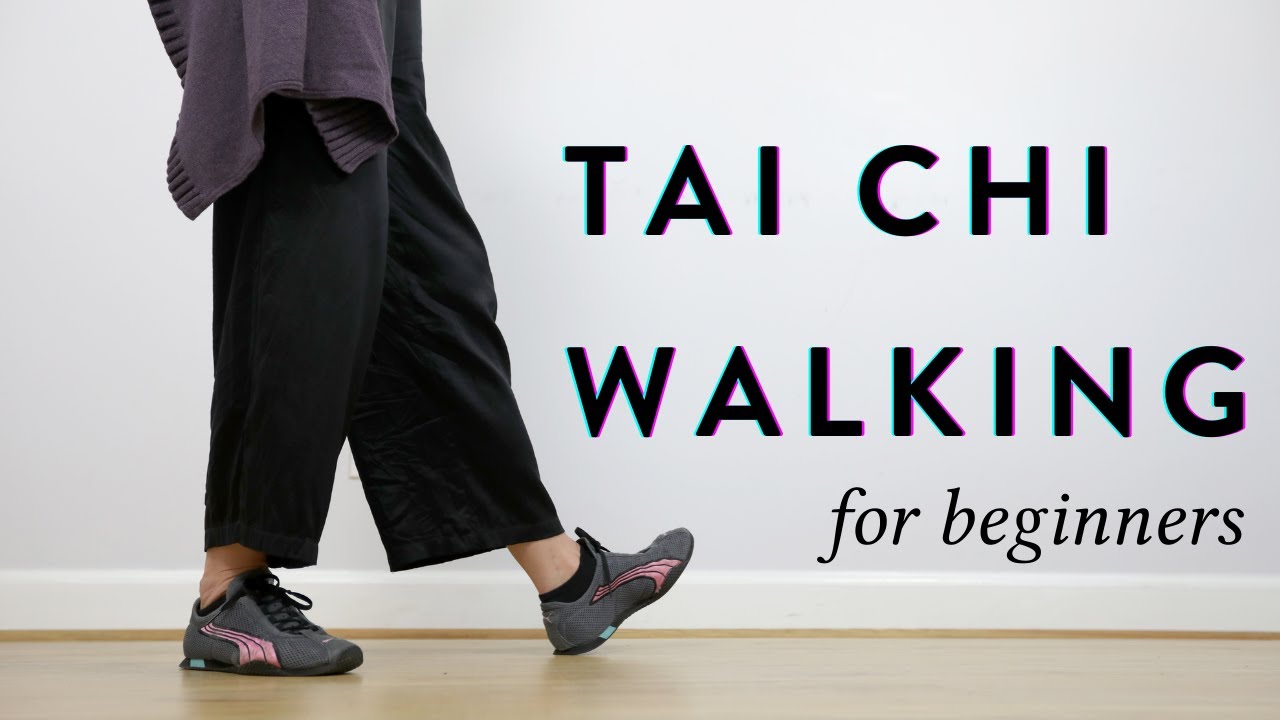
- Stand tall through your spine. Slowly, step forward with one foot and roll from heel to toes, shifting your weight forward and grounding your foot, then rocking back into the back leg, keeping the knees bent.
- Keep the knees slightly externally rotated to protect your joints
- Step back. Practice on both sides, slightly stepping outward and opening up the hips. Your hands can be behind your back or on your hips
- In the video, your teacher explains a few different fundamentals you can practice.
My verdict
If you enjoy more vigorous styles of walking, this might not seem like it’s for you, but I’d argue you could be the target audience. From experience, sometimes the things we don’t want are the very things we need most. For me and my frenetic brain, that’s to slow down from time to time.
It’s slow and mindful, like a walking meditation, and yes, it can feel a little boring (sorry, Tai Chi lovers), but if you go in with the purpose of taking a little time out from your desk or just as a light activity before bedtime, you can actually settle into it.
The most obvious benefit for me was then, and still is, ankle mobility. On both tries with Tai Chi walking, the slow, deliberate steps and the shifting of balance from left to right sides make me focus on my lower body and, in turn, relieve ankle tightness.

1 Like