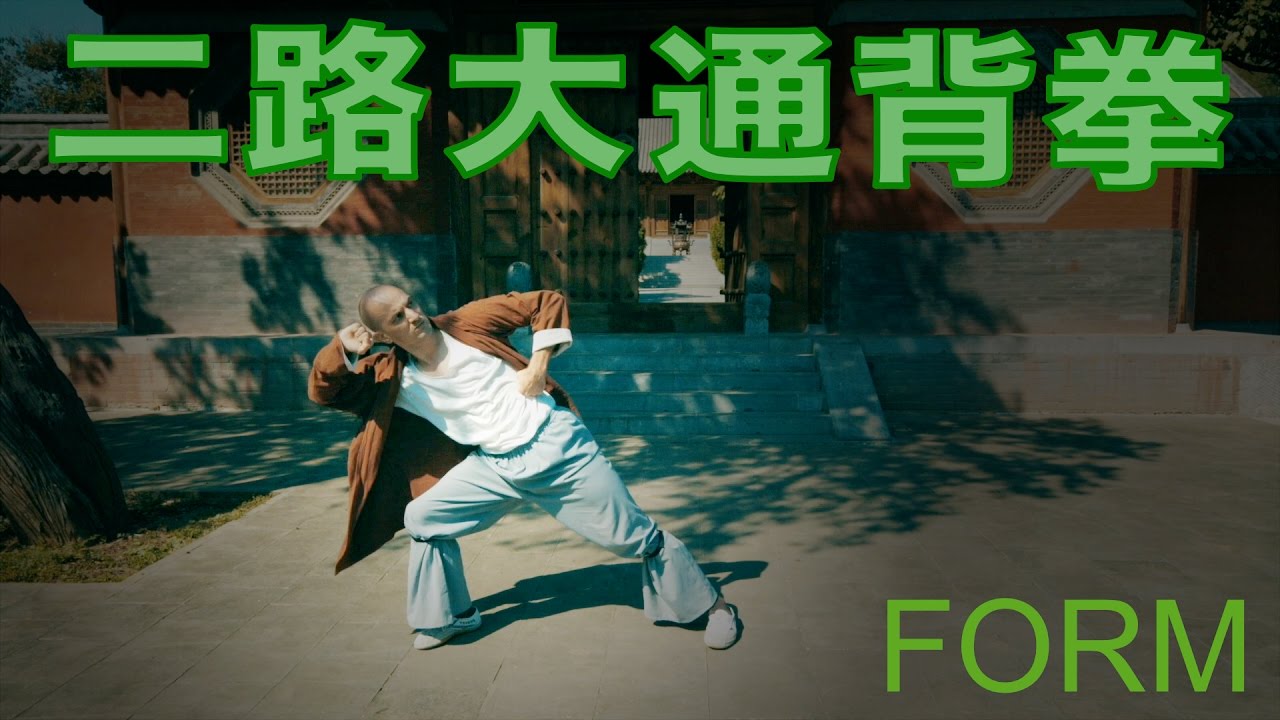
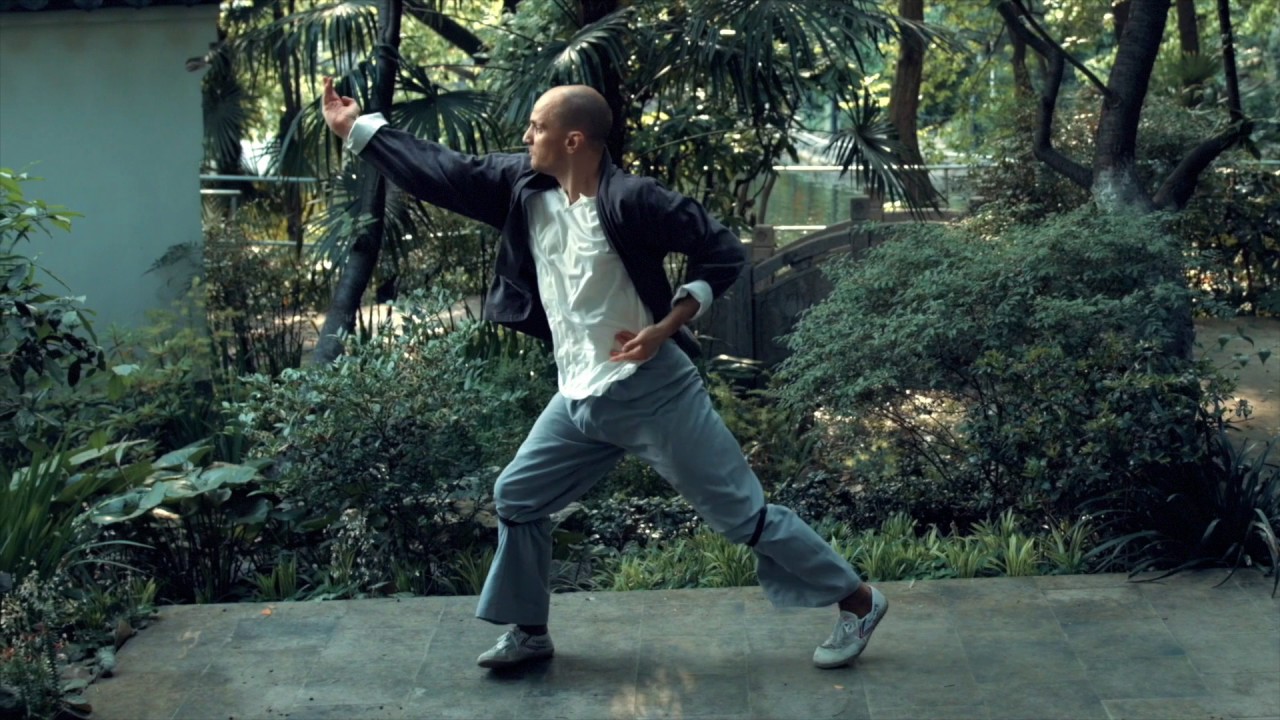
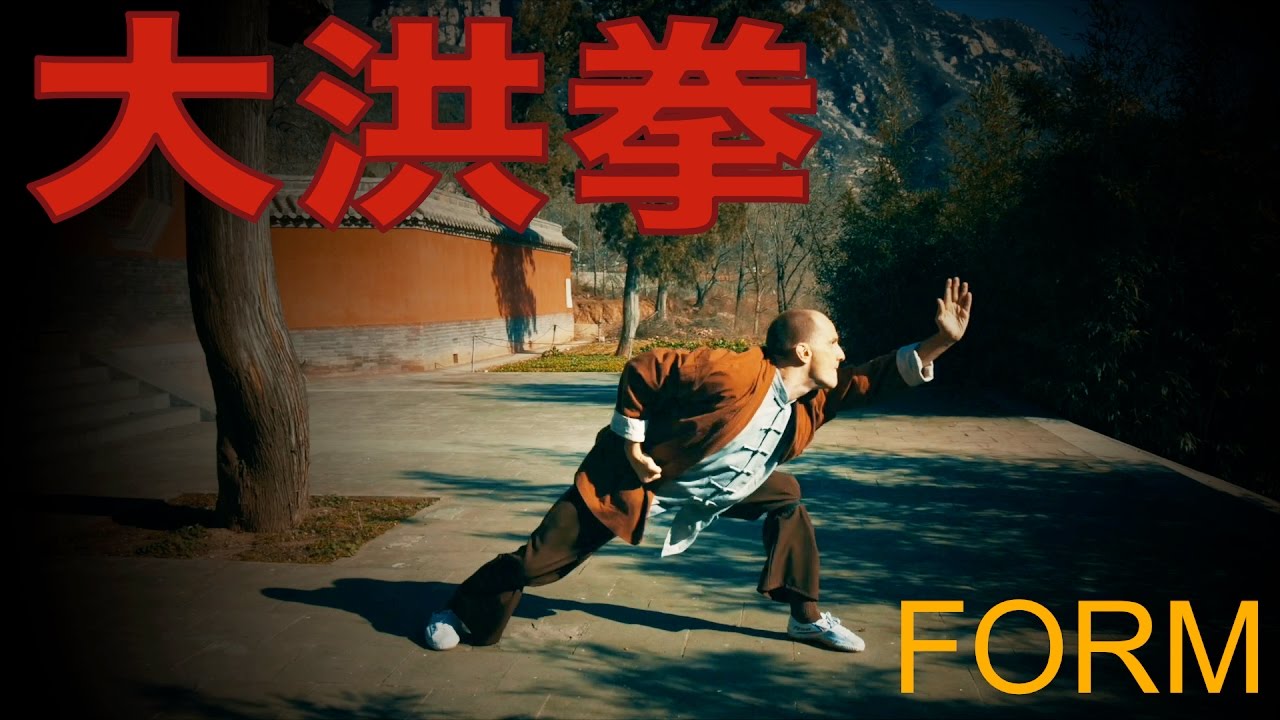
Does your style have any of these moves?

In his book The Shaolin Monastery (2008), Meir Shahar presents a poem from Journey to the West (1592) in which describes unarmed combat between Sun Wukong and a rhinoceros demon. Shahar notes that it contains common Ming dynasty martial arts jargon. I was wondering if any practitioners here recognize any of the named moves from your own style. If you do recognize the names, I’m interested in learning what the technique, especially those with the more esoteric names, entails. I know the Guanyin palm is listed among the 72 Shaolin arts. I also believe the four levels posture is among those of Taiji.

Opening wide the “Four Levels Posture”;
The double-kicking feet fly up.
They pound the ribs and chests;
They stab at galls and hearts.
“The Immortal pointing the Way”;
“Lao Zi Riding the Crane”;
“A Hungry Tiger Pouncing on the Prey” is most hurtful;
“A Dragon Playing with Water” is quite vicious.
The demon king uses a “Serpent Turning Around”;
The Great Sage employs a “Deer Letting Loose its Horns.”
The dragon plunges to Earth with heels upturned;
The wrist twists around to seize Heaven’s bag.
Fist Fighting and Self-Cultivation
A green lion’s open-mouthed lunge;
A carp’s snapped-back flip.
Sprinkling flowers over the head;
Tying a rope around the waist;
A fan moving with the wind;
The rain driving down the flowers.
The monster-spirit then uses the “Guanyin Palm,”
And pilgrim counters with the “Arhat Feet.”
The “Long-Range Fist,” stretching, is more slack, of course.
How could it compare with the “Close-Range Fist’s” sharp jabs?
The two of them fought for many rounds—
None was the stronger, for they are evenly matched

Well I have a few but not all are unarmed:

“The Immortal pointing the Way” is in a jian form called Dragon Shape Sword

“Serpent Turning Around” there is a bagua/silk reeling exercise called “Serpent entwines the body”

“Dragon Playing with Water” could be “Dragon splashes palms” from Hung Gar dragon set

that’s about all I got.

Greetings,

I think the onus is upon Meir Shahar to show what the moves are since since he recognizes them as “common Ming dynasty martial arts jargon”. I consider remarks like that, without back up (i.e, without exposition as to what the techniques look like) and given the seriousness of the work, to be shockingly flippant.

mickey

[QUOTE=Orion Paximus;1307281]Well I have a few but not all are unarmed:

“The Immortal pointing the Way” is in a jian form called Dragon Shape Sword

“Serpent Turning Around” there is a bagua/silk reeling exercise called “Serpent entwines the body”

“Dragon Playing with Water” could be “Dragon splashes palms” from Hung Gar dragon set

that’s about all I got.[/QUOTE]

Thank you for the reply. Very interesting. Since the fight is unarmed, it’s possible “The Immortal pointing the way” is a finger attack aimed at the eyes. What do you think?

[QUOTE=mickey;1307284]Greetings,

I think the onus is upon Meir Shahar to show what the moves are since since he recognizes them as “common Ming dynasty martial arts jargon”. I consider remarks like that, without back up (i.e, without exposition as to what the techniques look like) and given the seriousness of the work, to be shockingly flippant.

mickey[/QUOTE]

These are Shahar’s exact words: “When he is deprived of his weapon, the valiant monkey resorts to hand combat, giving the author an opportunity to display his familiarity with the contemporary jargon of ‘postures’ (shi and jiazi), ‘Long-Range Fist’ (changquan), and ‘Close-Range Fist’ (duanquan)”.

A lot of these are indeed common moves,

I often look at old QuanPu and there are some common technique names between the many styles.

However, there is a problem, though there are common names they will sometimes mean something different in different styles.

Xian Ren Zhi Lu
Immortal points the way is a common one, it is almost always sword fingers on both hands, front hand points forewards and down slightly, the other hand touches the front hand at the wrist with sword fingers to support it. Stance is a lunge. However there is also a version for every stance, then for Shun, Heng, Xie (side-on, horizontal, diagonal attitudes) etc. So a lot of variation.

Edit; THe use of XIan Ren Zhi Lu is in the fingers, but you don’t strike hard, if you do that you miss, AND break your fingers, you touch the target from close range then suddenly push in really hard from contact. Use the supporting hand to grasp the striking hand at the wrist to enhance push in power. DOne from contact range. Typically at eyes, or throat.

Carp FLip and laozi riding crane are also common (though often it is laojun , which is anohter way of saying lao zi) Carp flip in modern terms is the flick up from the floor but in old terms is usually a throw over the shoulder. It refers to a carp jumping over the dragon gate, if it succeeds it becomes a dragon.

The same names are used for weapons as well.

Four even stance is the standard fighting stance of the style, the neutral stance you always return to, but can be unique to a style. Si Ping Shi. It will have Di, zhong, gao, that is high, medium, low versions. HOWEVER if the Quanpu says La Kai Si Ping Shi (pull out four even stance) then it is often referring to the classic ma bu dan bian, that is horse stance with fists extended to either side, straight arms.

DOuble kicking feet is ErQiJiao and has 2 meanings, either the knee up then kick on ohter leg, also referred to as Shuang fei yan (double flying swallows) OR it means leaping forwards and lifting each knee in turn to propel you further as a piece of footwork rather than an attack.

E’Hu pu shi, Hungry tiger pouncing on prey has a LOT of different moves with the same name,

As does dragon playing with water, usually puking out water.

Tying the rope around the waist is usually where you do an armlock on the opponent but use your body to lock his arm rather than your arm. So like HIS ARM is the rope and you tie HIS ARM around your waist. This move is in Shaolins popular form Lian Huan Quan, its the pu bu where you turn one way then back the other. Also known as wrap a jade belt around the waist. BUT with weapons it is another technique, it is when you hold the sword to your waist while running away then suddenly turn around and use waist to propel sword back into opponent.

Any chance of the Chinese characters to be sure? I will cross reference them with my document of Quanpu. But wither way Shahar is correct, these are all common poetic names in old Quan Pu, but the moves are not set in stone.

These are all 4 character names by the looks of it, there are usually also 7 character names which give a little more info, here is the Luohan 18 hands poem from Shaolin temple, this is NOT the popular version of the form but a village version;

  • Xuan Yuan Kua Hu Zheng Chi You
    ‘The yellow emperor rides a tiger to search for the master of blacksmiths’
  • Xian Ren Zhi Lu Mo Fa Chou
    ‘An immortal points the way, there is no need to doubt him’
  • Hui Tou Wang Yue Long Bai Wei
    ‘He travels the extremities of the Earth in his search’
  • Tong Zi Bai Fo Ba Lu Xiu
    ‘He prays to buddha to cultivate the road’
  • Mei Guang Xian Hua Niu Tou Kan
    ‘He looks around and sees flowers of spring’
  • Hong Yan Zhan Chi Zhi Chun Qiu
    ‘A wild goose spreads his wings to signify the passing of summer’
  • Yuan Hou Zhai Tao Lai Xian Guo
    ‘Monkeys pick the autumn fruit’
  • Kui Xing Dian Yuan Zhan Ao Tou
    ‘The star prince stands upon the turtles head, the Emperor is become the best in his field’
  • Gao Zu Jian Zhan Bai Di Zi
    ‘just as Gao Zu beheads a hundred rivals’
  • Wang Xiang Wo Bing Jiang Yu Qiu
    ‘just as Wang Xiang lies on the ice to prey for a carp to feed his mother’
  • Yan Zi Ji Qu Chang Jiang Shui
    ‘just as A swallow drinks from the fast flowing yangtze river’
  • Li Yu Fan Shen Tiao Long Lou
    ‘just as A carp jumps over the dragon gate to become a dragon’
  • Jing Gang Luo Han Dou Meng Hu
    ‘And A Vajra Saint struggles with a fierce tiger, so the emperor has overcome his obstacles’
  • Xian He Liang Che Wang Jiu Zhou
    ‘An immortal crane is born and glides across the world’
  • Wu Kong Shu Shen Shui Lian Dong
    ‘The monkey king binds himself in the water curtain cave’
  • Bai Shi Tu Xin Shen Gui You
    ‘The white snake speaks a truth that worries gods and ghosts’
  • Tian Shi Shen Tan Shi Tian Gou
    ‘The Celestial Master expels the demons’
  • Jin Na Wu Zi Chuan Qian Qiu
    ‘JinNa’s Warlike spirit will transmit for 1000 years’

anyone want to see this form?

There are also 14 character names for some forms (not this one) that contain additional information about the application.

[QUOTE=RenDaHai;1307287]A lot of these are indeed common moves,

I often look at old QuanPu and there are some common technique names between the many styles.

However, there is a problem, though there are common names they will sometimes mean something different in different styles.

Xian Ren Zhi Lu
Immortal points the way is a common one, it is almost always sword fingers on both hands, front hand points forewards and down slightly, the other hand touches the front hand at the wrist with sword fingers to support it. Stance is a lunge. However there is also a version for every stance, then for Shun, Heng, Xie (side-on, horizontal, diagonal attitudes) etc. So a lot of variation.

Edit; THe use of XIan Ren Zhi Lu is in the fingers, but you don’t strike hard, if you do that you miss, AND break your fingers, you touch the target from close range then suddenly push in really hard from contact. Use the supporting hand to grasp the striking hand at the wrist to enhance push in power. DOne from contact range. Typically at eyes, or throat.

Carp FLip and laozi riding crane are also common (though often it is laojun , which is anohter way of saying lao zi) Carp flip in modern terms is the flick up from the floor but in old terms is usually a throw over the shoulder. It refers to a carp jumping over the dragon gate, if it succeeds it becomes a dragon.

The same names are used for weapons as well.

Four even stance is the standard fighting stance of the style, the neutral stance you always return to, but can be unique to a style. Si Ping Shi. It will have Di, zhong, gao, that is high, medium, low versions. HOWEVER if the Quanpu says La Kai Si Ping Shi (pull out four even stance) then it is often referring to the classic ma bu dan bian, that is horse stance with fists extended to either side, straight arms.

DOuble kicking feet is ErQiJiao and has 2 meanings, either the knee up then kick on ohter leg, also referred to as Shuang fei yan (double flying swallows) OR it means leaping forwards and lifting each knee in turn to propel you further as a piece of footwork rather than an attack.

E’Hu pu shi, Hungry tiger pouncing on prey has a LOT of different moves with the same name,

As does dragon playing with water, usually puking out water.

Tying the rope around the waist is usually where you do an armlock on the opponent but use your body to lock his arm rather than your arm. So like HIS ARM is the rope and you tie HIS ARM around your waist. This move is in Shaolins popular form Lian Huan Quan, its the pu bu where you turn one way then back the other. Also known as wrap a jade belt around the waist. BUT with weapons it is another technique, it is when you hold the sword to your waist while running away then suddenly turn around and use waist to propel sword back into opponent.

Any chance of the Chinese characters to be sure? I will cross reference them with my document of Quanpu. But wither way Shahar is correct, these are all common poetic names in old Quan Pu, but the moves are not set in stone.[/QUOTE]

Thank you for both of your informative replies. Here are the Chinese characters for the poem:

I would love to see the form you mentioned. I would even like to see a reenactment of the battle described in the poem if the names can be more or less tied to known techniques. If anyone is willing to video tape such a scene, I would embed it in a planned article for my research blog:

https://journeytothewestresearch.wordpress.com/

If not that, then pictures from boxing manuals would be great, that way readers can see the techniques.

It looks like the author/compiler of Journey to the West took some of the poem from the Water Margin.

Great, thanks!

Ok, lets begin with the Shui Hu Zhuan version, this reads more like an old Quan pu.

FOUR-EVEN STANCE

Zhuai kai da si ping, Pull apart big four even, so I have seen to ‘pull apart’ si ping shi often in Shaolin Quan pu and in this particular phrasing it refers to ma bu dan bian. That is MA bu with fists evenly to both sides, arms straight, shoulder height.

In an old Hong Quan quan pu , (La Kai si ping, qian hou zhan) this I know is referring to ma bu dan bian, it is a similar phrasing. This fist is named for its time of creation in the first year of Ming Taizu, the emperor Hong wu so is named Taizu hong quan (1368…supposedly).

(ma bu danbian kai si ping) Another similar iteration.

Some other versions, all referring to dan bian;

,

,

Interestingly The Si Ping stance with the spear, if you take the spear out of the hands, the stance formed is ma bu dan bian.

SO I ma fairly certain about the first one.

DOUBLE KICK

Second Technique, Er Qi Jiao, this is very common terminology and I think not really contested, it is the knee up first then kick on other leg when airbourne, bit like the karate kid crane kick.

IMMORTAL POINTS THE WAY

Xian Ren Zhi Lu, Immortal points the way, Ok, so I looked up about 15 different versions of this technique accross many forms, only 2 types exist. The first is a strike with the sword fingers to the opponents eyes, either one hand or two. The second is a back hand slap from below upwards and forwards to the opponents face, using the backs of the fingers to hit the eyes, hand extended fully. Very light, very fast.

So here we see two techniques but effectively one, to take out the opponents eyes, so the meaning is the same if the method is slightly different. Here is a kou jue, a ryhmed directions for the technique Xian ren zhi lu, It says to pull them back with one arm then strike ‘golden scissors fingers’ into their eyes.
:,

This lines up with my experience well so that I am also pretty certain of this technique. Saying that Xianren zhilu with weapons can be quite different.

MASTER LAO RIDING A CRANE

Lao zi riding a crane

Ok I cant find this one. I am familiar with the imagery but as a kung fu technique I don’t know it. Since ‘qi’ to ride is often used as Qi Ma, ride a horse to mean ma bu, or Qi Long, ride a dragon to mean guibu (kneeling step) then I think to ride a crane means to be standing on one leg. So I think this may be another name for Baihe LiangChi, White crane spreads wings, stand on one leg arms spread to the sides (the taiji version of white crane spreads wings as the xu bu stance is known in most styles as Kuahu, to stride a tiger and is not representative of most styles)

SO I am going to imagine it as white crane spreads wings, were back to the karate kid posture!

PHOENIX ELBOW, BLOCK HEAD CANON

Phoenix elbow and guard head canon

Ok, these are both fairly well known techniques, they are both mentioned in WuBeiZhi amongst other texts. There are lots of surviving versions with pictures of both of these techniques. They also contain SiPing shi similar to the Shaolin one though I suspect this particular version is dan bian instead of the regular fighting stance known as sipingshi. I will try to look for images later. For now here are those techniques;

https://www.youtube.com/watch?v=TQJRDfYylP8 at mark 17s, the last move of the first row before turning around is ao luan zhou. This is Xiao Jingang Quan from Shaolin Temple.

https://www.youtube.com/watch?v=9Ly8gSJM9Y8 The form Chang hu Xin Yi Men, YOu can see Dang Tou Pao at 33s and at 36s and 48s and 1:00 and at 1:19 and 1:30
In Shaolin and many other northern forms this is done with the elbow spiked right out to the side.

GROUND DRAGON

Ok so although I have never seen this exact arangement of characters, I am pretty certain about this one too. At least I know it is in Dancha or pubu.
Here is a common version, Que Di long zou xia pan, this is a shoot of sorts, going for the opponents legs and lower parts using the stance pubu.

https://www.youtube.com/watch?v=C6jlEqnZUxw&t at 16-17s the pu bu stance.

YOu can use it to tackle the opponent or to strike at their groin.

, some other ones

:
,

Some rhymed directions for it. It says to avoid the opponents momentum up high and grab his lower leg then throw him.

The next ones should be easy enough as well…have to get back to it later

[QUOTE=ghostexorcist;1307289]Thank you for both of your informative replies. Here are the Chinese characters for the poem:

I would love to see the form you mentioned. I would even like to see a reenactment of the battle described in the poem if the names can be more or less tied to known techniques. If anyone is willing to video tape such a scene, I would embed it in a planned article for my research blog:

https://journeytothewestresearch.wordpress.com/

If not that, then pictures from boxing manuals would be great, that way readers can see the techniques.[/QUOTE]
Demon gets into high 50 50 fighting stance monkey does double kick stepping on his knee. Demon smashes monkey in the chest and monkey counter body punches. Demon pokes eye monkey grabs arm and climbs on demon. Demon smashes monkey to ground and digs thumb into his eyes, monkey does back roll sacrifice throw. Demon sumersaults over monkey from side mount and monkey stands up and does spinning back elbow. Demon dodge with low weave and punch groin monkey does wrist lock forcing demon down, demon does ankle pick, monkey kicks with other leg. Head grab and waist dodge, slap and another dodge. Strong palm strike counter by strong sweep, long range punches countered by face cutting short strikes

[QUOTE=bawang;1307295]Demon gets into high 50 50 fighting stance monkey does double kick stepping on his knee. Demon smashes monkey in the chest and monkey counter body punches. Demon pokes eye monkey grabs arm and climbs on demon. Demon smashes monkey to ground and digs thumb into his eyes, monkey does back roll sacrifice throw. Demon sumersaults over monkey from side mount and monkey stands up and does spinning back elbow. Demon dodge with low weave and punch groin monkey does wrist lock forcing demon down, demon does ankle pick, monkey kicks with other leg. Head grab and waist dodge, slap and another dodge. Strong palm strike counter by strong sweep, long range punches countered by face cutting short strikes[/QUOTE]

Cool! That pretty much sums it up in one! Seems about right. I like that laozi riding a crane is climbing on the opponent, perhaps to throw them or headlock them, that is certainly a monkey like technique and goes with the name.

I think what is emphasized here is that the technique name refers to the overall meaning of the technique rather than the specific stance. So Xianrenzhilu, poke the eyes could be done rear hand, front hand, on the floor, in any stance and still have the same name.

[SIZE=5]Twist Heavenly Sack
[/SIZE]

Ok this is a difficult one, I cant find the name but it is descriptive.

Our questions should be is it talking about twisting your opponents wrists or your own?
What is the heavenly sack?

I cannot find a reference to it, but my conjecture is this; That the heaven sack is a name for the bag of winds that the chinese wind god holds. It is a bag that opens at both ends and you must hold both ends closed to contain the wind. The Japanese god Fujin uses the same imagery.

So it is saying to twist the wind sack and lift it up just like the god.

To me this has several possibilities, but it seems clearer if you look at the sequence of events. The opponent has just attcked your groin and is in pubu. Becasue of the angle this is very hard to block and is best avoided by pulling hips up and back so leaning your body forwards and bending over double.

So in this situation the opponent is in pubu beneath you and you are above them bent over, his head is by your chest. What do you do?

Well I imagine grasp his head. So the wording fo the technique then presents 3 possibilites

  1. Grasp both ears and twist in opposite directions, this is a monkey style technique and can be done crossways, one hand behind his head the other accross his face, then grab the ears and twist his head.

  2. Grab the clothes of his collar and strangle him by twisting your wrists.

  3. choke him by grasping his throat in a headlock, twist your wrists and raist up to choke harder.

So this is conjecture. The other possibility is it is simply a wrist lock as Bawang asserts above.

[SIZE=5]SCATTER FLOWERS OVERHEAD
Gai ding sa hua[/SIZE]

So the next techique is to scatter flowers over the head
Here is a similar move in Shaolin, it says to arrange flowers over the head, I am confident it is the same technique. Cha Hua Gai Ding, just a different word order and uses arrange instead of scatter.

Basically it is another name for the technique Suang Yun Ding (double cloud over the peak) HEre we can retunr to Dahongquan and see the tehcnique;

It is the flourishing the hands above the head displayed at 19s and 35s and 1.00 and 1.04-1.05. It is a general purpose technique it can be used for blocking, twisting the opponetns arm and generally releasing yourself from the combat.

It hink in this situation the girl is freeing herself and they are separating from each other.

This makes sense if my conjecture on the previous technique was correct. The girl used pubu to attack his groin, he grabs her head, she uses the scatter flowers to release herslef and pull away.

[SIZE=5]WRAP AROUND THE WAIST
Rao yao guan suo[/SIZE]

Ok so I dont know on this one. MY initial conjecture was that this was an armlock technique however seeing the wording I am not sure, I am not sure of the english translation.

MY intuition based on the idea that the girl has just escaped with a flourish over the head, is that this techniqe pushes her away then leaves the hand in a gurad and does a circling step prowling around as the fighters have now separated. A bit like a bagua circular step

43s – 51s like this, That is my intuition, but I dont know.

So I think the two separate and circle each other for a moment.

This is emphasized in the next line

Both face each other like an iron fan against the wind, a moment of rest from the urgent rain.

OR something to that effect, SO what is happening is they have fought a round then they separate and look at each other, so this line I think is not describing techniques but rather the way they face each other.

[SIZE=5]
IRON FAN AGAINST THE WIND
[/SIZE]
HOWEVER Ying feng tie shan zi, iron fan agaisnt the wind as it happens is a common technique in its own right.

See it here art 20s and again at 1.04, hands crossed projected out, typically as a harsh interception of the opponents hands rather than a regular strike or block.

So of the Shui Hu Zhuan techniques we are pretty sure of a lot of them! The red are moves I have a high degree of confidence are the same moves today.

So there are only 3 techniques we are not sure about, riding a crane, twisting heavens sack, rope around the waist.

[QUOTE=bawang;1307295]Demon gets into high 50 50 fighting stance monkey does double kick stepping on his knee. Demon smashes monkey in the chest and monkey counter body punches. Demon pokes eye monkey grabs arm and climbs on demon. Demon smashes monkey to ground and digs thumb into his eyes, monkey does back roll sacrifice throw. Demon sumersaults over monkey from side mount and monkey stands up and does spinning back elbow. Demon dodge with low weave and punch groin monkey does wrist lock forcing demon down, demon does ankle pick, monkey kicks with other leg. Head grab and waist dodge, slap and another dodge. Strong palm strike counter by strong sweep, long range punches countered by face cutting short strikes[/QUOTE]

Thank you for your insight.

[QUOTE=RenDaHai;1307299][SIZE=5]Twist Heavenly Sack
[/SIZE]

Ok this is a difficult one, I cant find the name but it is descriptive.

Our questions should be is it talking about twisting your opponents wrists or your own?
What is the heavenly sack?

I cannot find a reference to it, but my conjecture is this; That the heaven sack is a name for the bag of winds that the chinese wind god holds. It is a bag that opens at both ends and you must hold both ends closed to contain the wind. The Japanese god Fujin uses the same imagery.

So it is saying to twist the wind sack and lift it up just like the god.

To me this has several possibilities, but it seems clearer if you look at the sequence of events. The opponent has just attcked your groin and is in pubu. Becasue of the angle this is very hard to block and is best avoided by pulling hips up and back so leaning your body forwards and bending over double.

So in this situation the opponent is in pubu beneath you and you are above them bent over, his head is by your chest. What do you do?

Well I imagine grasp his head. So the wording fo the technique then presents 3 possibilites

  1. Grasp both ears and twist in opposite directions, this is a monkey style technique and can be done crossways, one hand behind his head the other accross his face, then grab the ears and twist his head.

  2. Grab the clothes of his collar and strangle him by twisting your wrists.

  3. choke him by grasping his throat in a headlock, twist your wrists and raist up to choke harder.

So this is conjecture. The other possibility is it is simply a wrist lock as Bawang asserts above.

[SIZE=5]SCATTER FLOWERS OVERHEAD
Gai ding sa hua[/SIZE]

So the next techique is to scatter flowers over the head
Here is a similar move in Shaolin, it says to arrange flowers over the head, I am confident it is the same technique. Cha Hua Gai Ding, just a different word order and uses arrange instead of scatter.

Basically it is another name for the technique Suang Yun Ding (double cloud over the peak) HEre we can retunr to Dahongquan and see the tehcnique;

It is the flourishing the hands above the head displayed at 19s and 35s and 1.00 and 1.04-1.05. It is a general purpose technique it can be used for blocking, twisting the opponetns arm and generally releasing yourself from the combat.

It hink in this situation the girl is freeing herself and they are separating from each other.

This makes sense if my conjecture on the previous technique was correct. The girl used pubu to attack his groin, he grabs her head, she uses the scatter flowers to release herslef and pull away.

[SIZE=5]WRAP AROUND THE WAIST
Rao yao guan suo[/SIZE]

Ok so I dont know on this one. MY initial conjecture was that this was an armlock technique however seeing the wording I am not sure, I am not sure of the english translation.

MY intuition based on the idea that the girl has just escaped with a flourish over the head, is that this techniqe pushes her away then leaves the hand in a gurad and does a circling step prowling around as the fighters have now separated. A bit like a bagua circular step

43s – 51s like this, That is my intuition, but I dont know.

So I think the two separate and circle each other for a moment.

This is emphasized in the next line

Both face each other like an iron fan against the wind, a moment of rest from the urgent rain.

OR something to that effect, SO what is happening is they have fought a round then they separate and look at each other, so this line I think is not describing techniques but rather the way they face each other.

[SIZE=5]
IRON FAN AGAINST THE WIND
[/SIZE]
HOWEVER Ying feng tie shan zi, iron fan agaisnt the wind as it happens is a common technique in its own right.

See it here art 20s and again at 1.04, hands crossed projected out, typically as a harsh interception of the opponents hands rather than a regular strike or block.

So of the Shui Hu Zhuan techniques we are pretty sure of a lot of them! The red are moves I have a high degree of confidence are the same moves today.

So there are only 3 techniques we are not sure about, riding a crane, twisting heavens sack, rope around the waist.[/QUOTE]

Amazing work! Is it possible that the heavenly sack move is a groin attack? That’s the first thing to comes to my twisted mind. If not that, the imagery of the sack brings to mind a torture rack from wrestling.

But I’m sure that is just a coincidence and doesn’t really sound like something that would have been used in a battle between a man and woman (per the poem’s combatants). I find reconstructing these poems so absolutely interesting. I wonder if both poems have a common source, or if one borrowed from the other. I know the head cannon technique is mentioned in General Qi Jiguang’s boxing manual, but that is the only one that I know of.

I just wish I had access to old quanpu so I could associate each named technique with pictures. I love using lots of pictures in my blog articles.
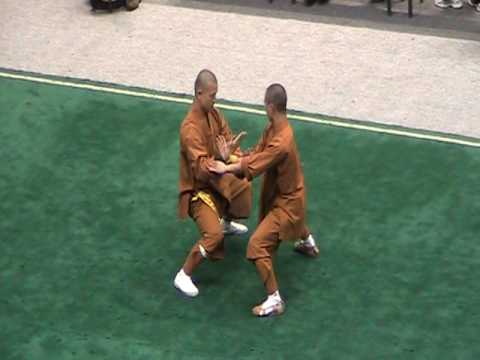
Serpent Turning Around appears to be a Bagua technique (or at least one that was later enveloped by the style).

https://read01.com/ePkQ6K2.html#.Wnrdcq6WaR0

[QUOTE=ghostexorcist;1307308]
I just wish I had access to old quanpu so I could associate each named technique with pictures. I love using lots of pictures in my blog articles.[/QUOTE]

This is quite funny, the techniques Dang Tou Pao and Ao Luan Zhou just happen to appear right next to each other in WuBeiZhi, in fact on the same printed block. So the author just read these straight out of one of the military compilation manuals around at the time. It cant be a coincidence that the same wording is used AND that they appear on the same page opposing one another.

[QUOTE=RenDaHai;1307423]This is quite funny, the techniques Dang Tou Pao and Ao Luan Zhou just happen to appear right next to each other in WuBeiZhi, in fact on the same printed block. So the author just read these straight out of one of the military compilation manuals around at the time. It cant be a coincidence that the same wording is used AND that they appear on the same page opposing one another.

[/QUOTE]

That is super interesting! I’m sure the poem from Journey to the West has techniques lifted from such military treatises too. The main focus of my article will be on that poem. However, I do plan to mention the Water Margin poem to show there is a connection between the two.

:slight_smile: Interesting to see the Sun Fist strike and Blocking strike that would also be used in Wing Chun catalog (referring to Post #15).
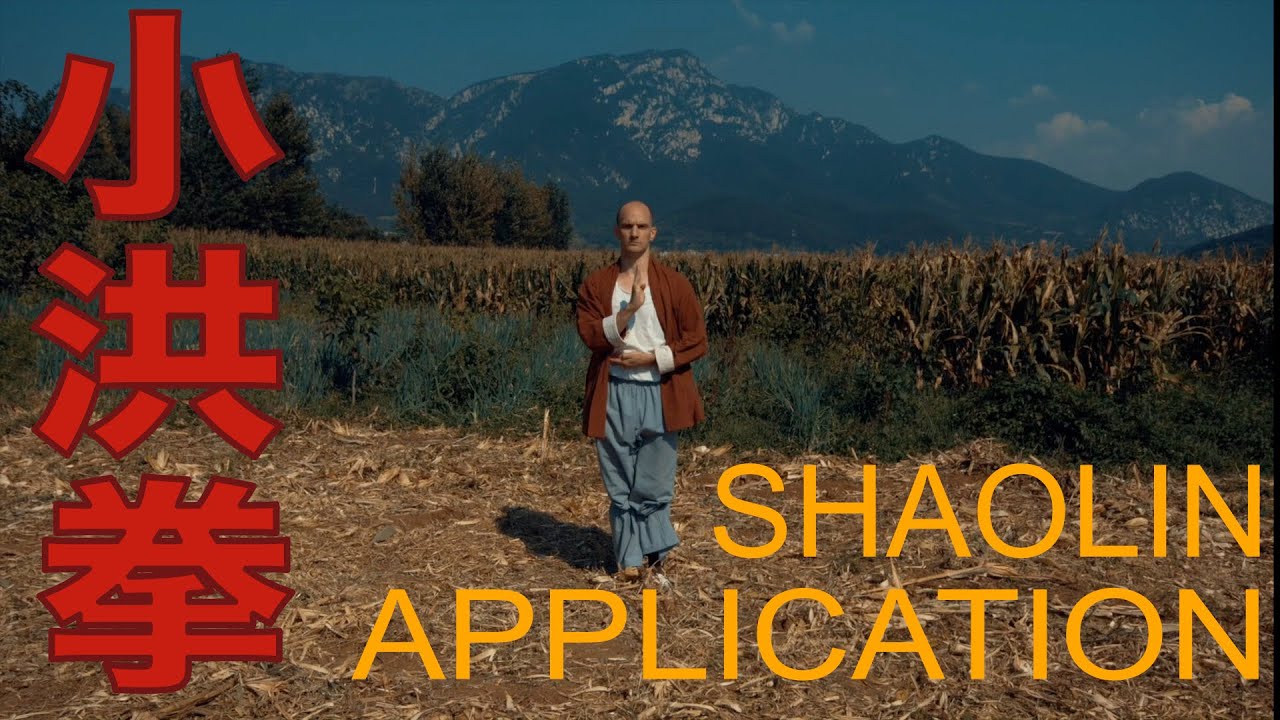
Ok lets look at the techniques from Journey to the West then

First different technique from Shui hu zhuan is;

[SIZE=4][/SIZE]

I think both these remarks are referring ot the same technique, it is common for techniques in Quan pu to repeat like this, the first describing the name, the second describing the action.

Here is says splitting the chest as the name, then to scoop out the heart and pluck out the gall baldder in the second part. In my estimation it is talking about striking the opponent in the solar plexus (this has the effect of 'scoopin ght eheart and plucking the gall bladder) where as splitting palm refers to the standard tuizhang. The other bit, Taoxie I think the tao is perhaps a h0mophone (different word with same sound) for pluck or it is saying maybe the off hand is placed by the waist. Eitherway I am fairly certain this is referring to the standard technique ‘tui zhang’.

At 4:30 describes the technique in question.

Next is [SIZE=4][/SIZE] E Hu Pu SHi, the hungry tiger punces on his prey.

Ok so becasue this is a cool name it is very common and their are many techniques with this same name. What it means in my clan is not necesarily the same as in other clans.

There is a common one in Shaolin and it is similar to the technique Hai di lao yue. I have a video of the technique but it is behind a paywall so I can’t post it. It is a tiger claw with hip strike simultaneously.

There is another version which is a knee strike.

SO this one i svariable but certainly there is a theme, fix the enemy with a claw and use a heavy zhuang barging technique of some kind. In Shaolins OLD Qixing ba quan it is double tiger claw fixing to the opponents face and head then leaping into their body with a knee. NOT pulling their head into your knee, but leaping up into them high. Think Sagat in Street Fighter 2.

[SIZE=4] [/SIZE]

Dragons puking water is a classic technique, appears a lot in Shaolin and related styles, I dont have a video of it in Shaolin form, though I know it appears in my own forms but there are actually not so many very traditional Shaolin forms on youtube to draw from.

However! I do happen to know this technique appears in the Chang Family martial arts and was written down around, if memory serves correctly, the ming-qing transition. The Chang family of Chang naizhou had their family quanpu reprinted and now anyone can by it (in chinese of course). This technique appears MULTIPLE times in their quan pu. It is in the form Xiao Luohan Quan AND there happens to be a video of it on youtube!

SO we are in luck, in luck to have the video and in luck that I have happened to see their Quan pu and remember this name.

At 56s – 1:05 the sweeping the arms around then landing an upwards double fist technique to the side. Goes to the left then to the right. The video lines up extremely well with the form in their quan pu. Here is a picture from a replica of their book

This is the double dragons puking water. There are multiple variations on the name but they all rotate around the one written.

NEXt

[SIZE=4][/SIZE]

Ok Python flips his body, another very common technique!

usually called Guai Mang Fan Shen, monsterous python flips his body. Its a staple of norhtern styles (and probably southern too).

From an old QuanPu:

;,

Says basically that what you do is to chop his throat horizontally while sweeping the back of his leg. It dos the sweep with a straight leg in a long reverse bow stance. The hands extend to the side like snake like hands. One straight, the chop, the other grasping the opponents hand or somewhere.

This is confirmed in another Shaolin Manual where it says it imitates the mantis step (presumably the jade ring step which is indeed similar, python flips his body is just a much alrger frame version of it)

, ,
s ,

Ok Next is Lu Xie Jiao

[SIZE=4][/SIZE]

so this is basically a deers horns. Bawang si correct that this is an elbow technique. The classic deerhorns position is similar to this;

the stance in the thumbnail, the final stance in the form at 1:12 seconds, this is called Mei Hua Lu Wo Zhen, plum blossom deer lies on a pillow, but other names I have seen are similar to what is stated in this poem. Certianyl an elbow, certianly an elbow at the side of the head. This is also a staple technique. in Taiji it is called Pi Shen Shi defend body stance (put a spear between the arms and it is the classic defending body spear in shaolin also).

I am pretty certain either this is the technique or another in the same stance but both elbows ar held by the temples.

[SIZE=4][/SIZE]

Green Lion opens mouth? No problem open lions mouth is common also. Has small and large variations.

For Large variation see Shaolins Xiao Hong Quan;

07.43 for this tehcnique. (7 minutes 43 seconds)

alternatively the small frame is used for catching;

at 28 seconds, appears 3 times, the hands facing each other prepairng to catch.

Ok thats all I can do right now