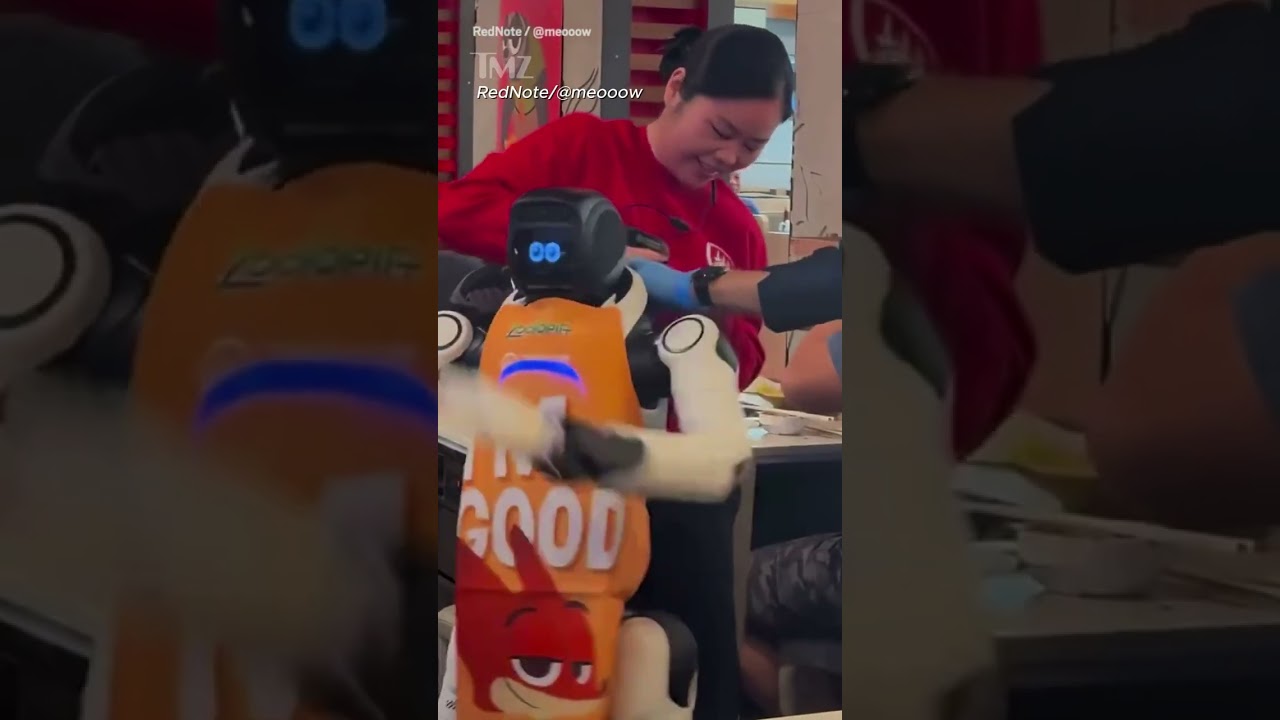
Which Colossal Death Robot are you?

[video]https://www.youtube.com/shorts/vQrJtRClm1c[/video]

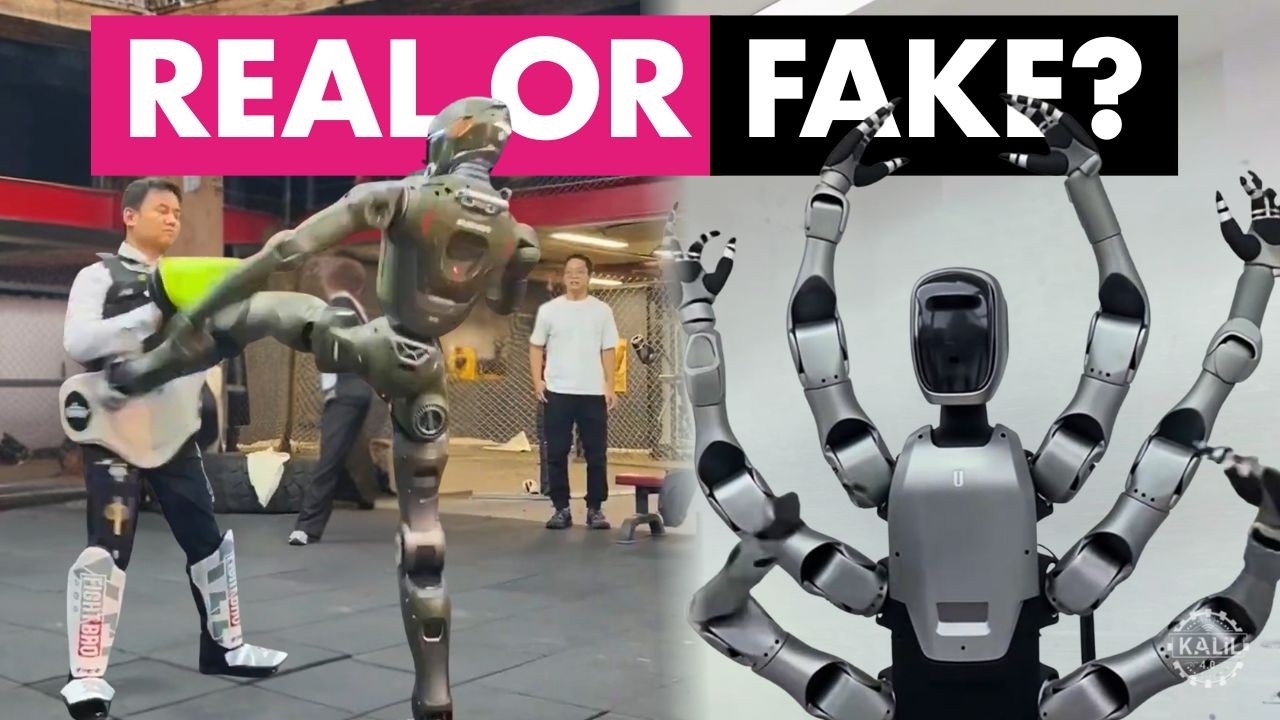
Kick Resistant Unitree G1 Humanoid Robot
Recently, a research team from Southern University of Science and Technology has developed a kick-resistant Unitree G1 humanoid robot. The robot’s impressive stability is achieved through an innovative motion control algorithm. When subjected to external forces such as kicks, the robot can dynamically adjust its limb positions and center of gravity in real-time, maintaining a stable stance. More impressively, if the robot is knocked down, it can autonomously execute a series of coordinated movements similar to a “carp bounce,” quickly recovering to a standing position. This demonstrates the robot’s superior agility and environmental adaptability, far surpassing traditional robots in dynamic balance and emergency posture adjustment. This breakthrough provides a novel approach to solving one of the key challenges in humanoid robotics: maintaining stability under various external impacts

Anyone else want to try take the Unitree G1 on?

World’s first ‘biomimetic AI robot’ Moya debuts with 92% human-like walking accuracy

Not industrial. Not cartoonish. Moya sits in that uneasy middle ground where robots start feeling too real.

By**Kaif Shaikh**

AI and RoboticsFeb 03, 2026 08:50 AM EST

China’s Moya humanoid robot is designed to assist, interact, and accompany

China’s Moya humanoid robot is designed to assist, interact, and accompany.DroidUp/WeChat

A humanoid robot that walks, maintains eye contact, and displays subtle facial expressions has drawn attention on Chinese social media after videos showcasing its capabilities were circulated. The robot, named Moya, was unveiled in Shanghai by the robotics company DroidUp, which describes it as the world’s first fully biomimetic embodied intelligent robot.

Moya is built around the idea of embodied artificial intelligence, systems that can perceive, reason, and act within the physical world rather than operating purely in digital environments.

The video player is currently playing an ad.

In the footage shared by the South China Morning Post (SCMP), the humanoid is seen smiling, nodding, making eye contact, and walking with a gait that closely resembles human movement. The company claims Moya can replicate human micro-expressions, a feature that places it among the most humanlike robots currently under development.

Standing 1.65 metres (5.5 feet) tall and weighing around 32 kilograms (70 pounds), Moya has been designed with proportions close to those of an adult human. DroidUp also states that the robot maintains a body temperature between 32 and 36 degrees Celsius (89.6°F and 96.8°F), a detail intended to enhance its lifelike presence during interaction. The company reports that Moya’s walking posture has an accuracy of 92 percent, highlighting its focus on stable, natural locomotion.

Design, technology, and public reaction

Moya’s appearance and behaviour have prompted mixed reactions online, particularly among Chinese social media users. According to Llewellyn Cheung from SCMP, some viewers expressed fascination with its realism, others described the robot’s movement as unsettling, reflecting a familiar tension associated with the “uncanny valley,” the discomfort people feel when artificial beings appear almost, but not quite, human.

Moya’s development appears to build on DroidUp’s earlier humanoid robotics work, though the company has disclosed limited technical details about the platform underlying the robot. According to the RoboHorizon website, Moya is built on a “Walker 3” chassis. DroidUp has not formally named or detailed this platform in its own disclosures.

The use of the term “Walker 3” may cause confusion, as “Walker” is commonly associated with humanoid robots developed by the more established firm UBTECH. However, neither DroidUp nor UBTECH has indicated any confirmed connection between their platforms.

RoboHorizon also reports that Moya features a modular design, allowing its external appearance to be customised without altering the underlying mechanical structure.

Intended uses and market positioning

The robot’s debut comes at a time when humanoid development is branching in multiple directions globally. Some companies deliberately design robots with cartoon-like or stylised appearances to avoid human comparison, while others emphasise clearly mechanical forms suited to industrial work. A smaller group, including DroidUp, continues to pursue highly realistic designs that aim to cross the uncanny valley rather than avoid it.

DroidUp is not presenting Moya solely as a domestic robot. According to SCMP, the company envisions the humanoid being used across healthcare, education, and other commercial environments where human-robot interaction plays a central role.

Rather than focusing on industrial tasks or high-speed athletic demonstrations, the company appears to be targeting settings that require prolonged interaction and a sense of approachability. Moya is expected to enter the market by late 2026, with a reported starting price of around 1.2 million Japanese yen, according to figures cited in the SCMP video. Final pricing and availability details have not yet been formally announced.

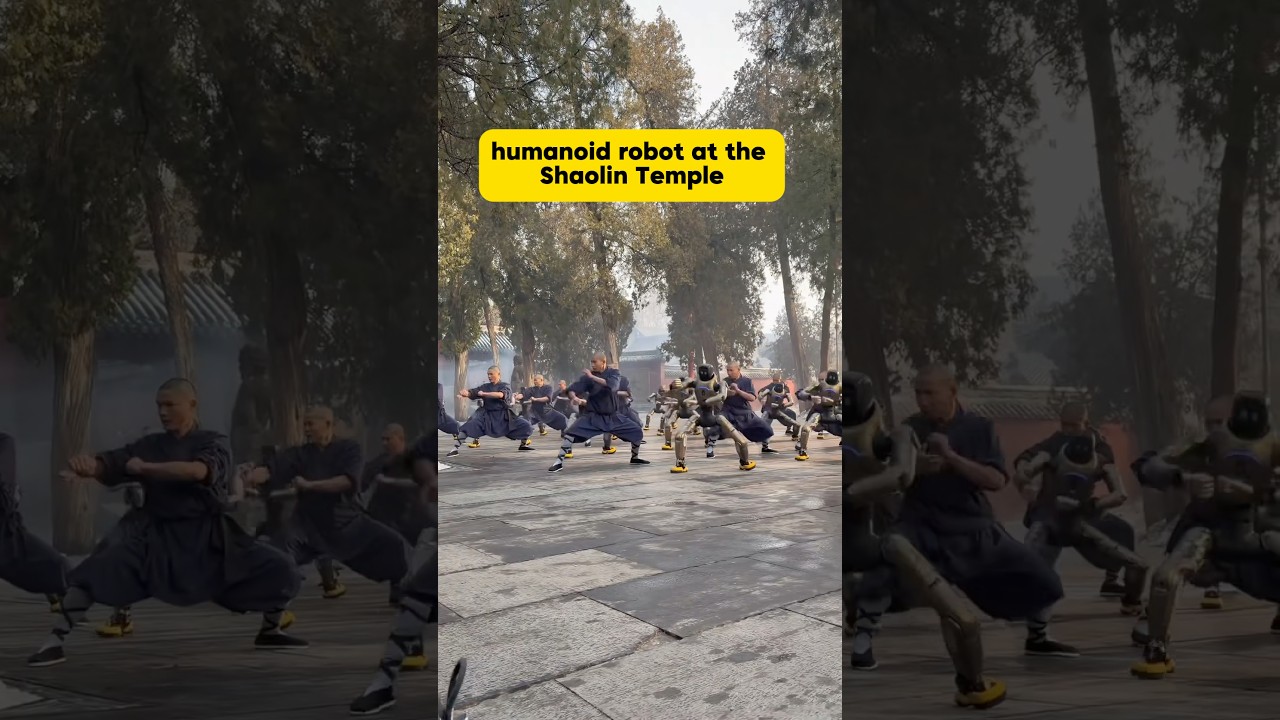
This looks like AI to me, especially given what’s been happening at Shaolin Temple since Yongxin was ousted. It doesn’t sound like what Yinle has proposed at all.

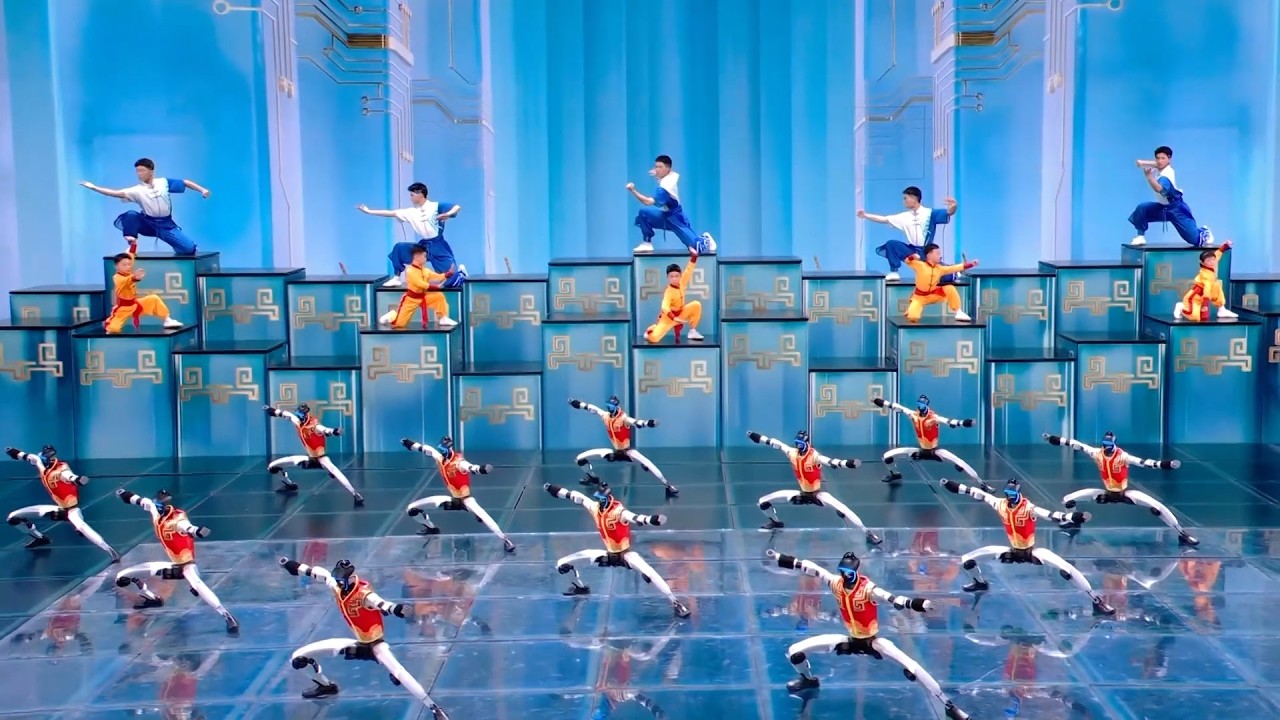
> # Chinese humanoid robots perform Kung Fu at live gala

Source: Xinhua

Editor: huaxia

2026-02-10 15:10:16

From Tai Chi to drunken fist, over 200 Chinese humanoid robots brought Kung Fu to the next level at a live gala hosted by AgiBot, a Chinese general-purpose embodied robots company

Follow the link for the vid.

Man, I figured this thread might light up someday, but not so soon…

I take it back. Not AI. WTH?

Caught this video on IG where you can see the robots turned off in the background.

https://www.instagram.com/p/DUlTFXhAPhd/

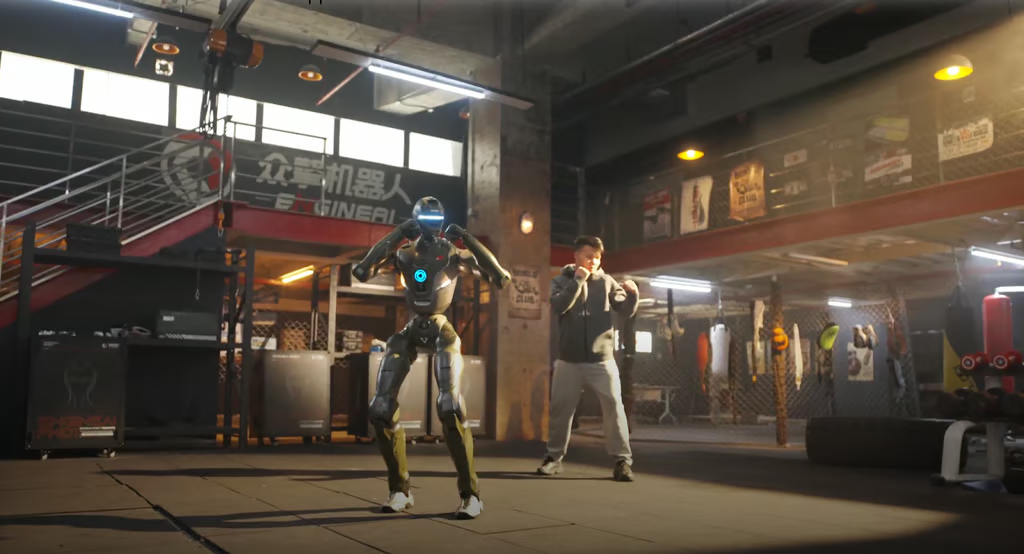
# China Launches World’s First Humanoid Robot Combat League

China Launches World’s First Humanoid Robot Combat League

Image: EngineAI

Written By

Kezia Jungco

Feb 12, 2026

Robot fighting has arrived in Shenzhen.

China has launched what it calls the world’s first commercial humanoid robot free combat league, complete with spinning kicks, aerial rotations, and a 10-kilogram gold championship belt worth about $1.44 million.

But there’s more to it than just the spectacle. The new Ultimate Robot Knock-out Legend, or URKL, is basically a testing ground for embodied AI. The inaugural season kicked off on Feb. 9 and will run through December, with teams competing using humanoid robots supplied by EngineAI at no cost.

Winning team earns $1.4M

Interesting Engineering reported that China introduced the league in Shenzhen this week, citing Global Times.

The 2026 season will award the winning team a gold championship belt worth $1.44 million. Global Times said that Chinese experts emphasized that such events “highlight the country’s technological prowess and advancements in robotics, including their applications.”

According to Globe Newswire, EngineAI formally launched the competition on Feb. 9, with matches hosted at the Longgang FRL Robot Club. The event was initiated by Shenzhen EngineAI Robotics Technology Co., Ltd. and co-organized by Shenzhen Quanmingxing Robotics Technology Co., Ltd.

Zhao Tongyang, founder and CEO of EngineAI, the championship team, will receive a “10-kilogram pure gold belt valued at approximately RMB 10 million,” calling it the highest honor in the humanoid robotics field.

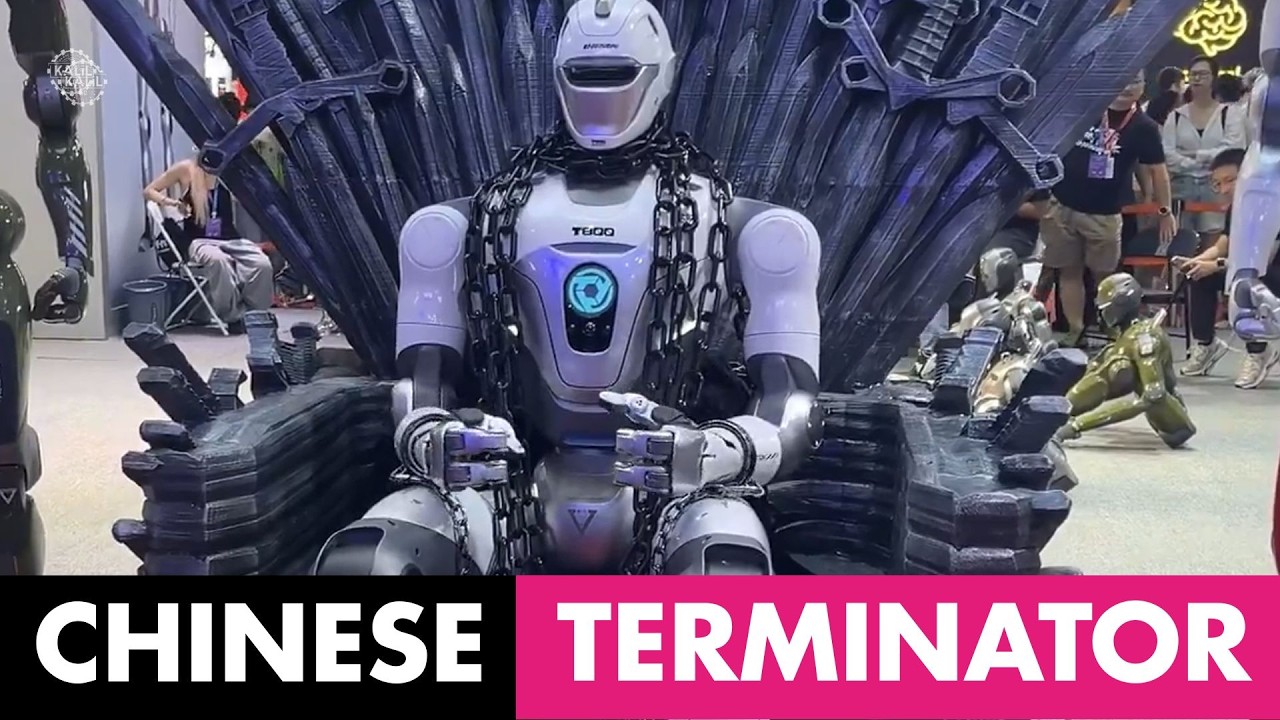
Macao News added that the participating teams are competing using T800 humanoid robots supplied free of charge by organizer EngineAI. These fights are being presented as both entertainment and a stress test for the emergent sector.

Advertisement

Stress testing embodied AI systems

Beijing-based analyst Pan Helin said combat scenarios forced robots to operate under extreme conditions, testing “motion control, dynamic balance, and impact resistance” in ways simulations can’t fully replicate, Macao News wrote.

Tian Feng, former dean of SenseTime’s Intelligence Industry Research Institute, described robot combat as a “high-pressure testing ground for key components.” Tian also told the Global Times that real-world combat can shorten iteration cycles by more than 30 percent and can accelerate physical validation of laboratory simulations.

Interesting Engineering shared that EngineAI introduced the T800 humanoid in December, showcasing its ability to perform martial arts moves such as side kicks and 360-degree aerial rotations. The robotics company’s website states that the T800 features aviation-grade aluminum panels, an active cooling system between its leg joints, and a solid-state lithium battery that supports up to 4 hours of high-intensity performance.

“The T800 humanoid is equipped with a multi-modal sensing system that combines 360-degree LiDAR, stereo cameras, and ultra-fast environmental processing to maintain real-time awareness of its surroundings and avoid obstacles,” EngineAI highlighted.

The Global Times also added that the Chinese Institute of Electronics projected that China’s humanoid robot market will reach 870 billion RMB (approximately $120 billion) by 2030. But experts cautioned that prioritizing combat performance could divert development away from steady industrial or service applications that require sustained operation.

https://forum.kungfumagazine.com/t/which-colossal-death-robot-are-you/1753

> Unitree showcases 49 humanoid robots performing synchronized martial arts demo at Temple of Heaven after Spring Festival Gala show

By Tao Mingyang Published: Feb 23, 2026 08:31 PM
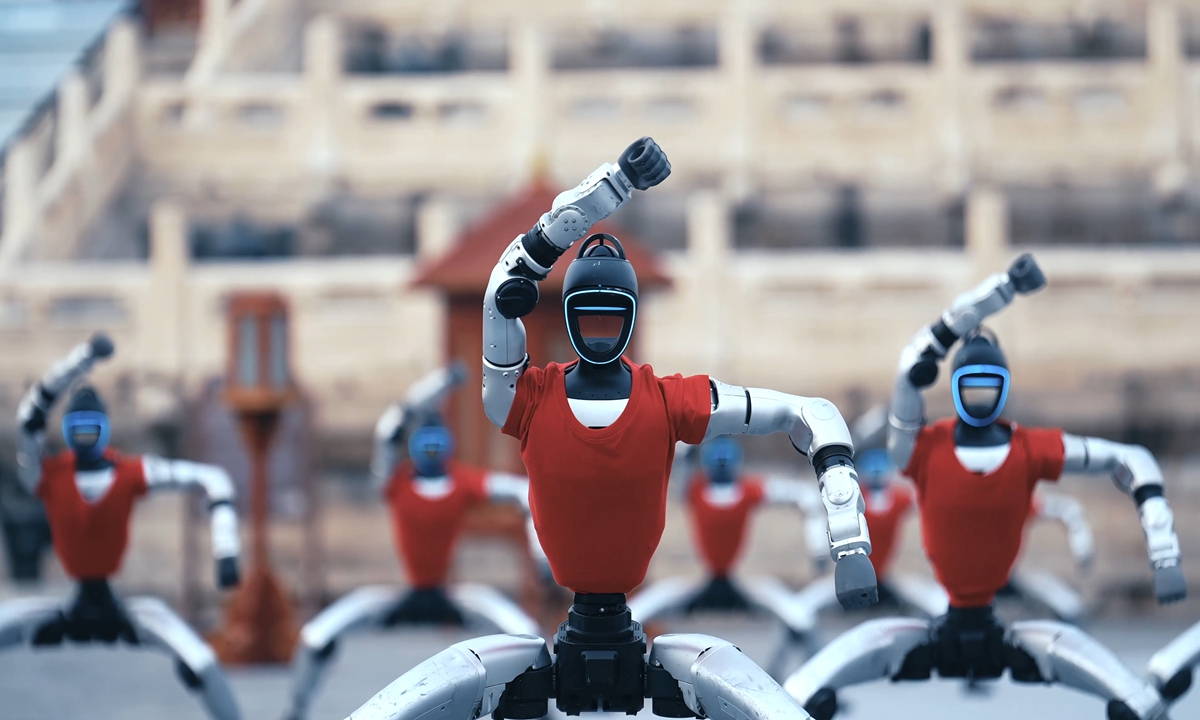
Unitree's G1 humanoid robots performe a synchronized martial arts demonstration in front of the Hall of Prayer for Good Harvests at the Temple of Heaven in Beijing. Photo: Screenshot of Unitree's video clip

Unitree’s G1 humanoid robots performe a synchronized martial arts demonstration in front of the Hall of Prayer for Good Harvests at the Temple of Heaven in Beijing. Photo: Screenshot of Unitree’s video clip

Chinese humanoid robot company Unitree released a video on its official WeChat account on Monday, showing 49 G1 humanoid robots performing a synchronized martial arts demonstration in front of the Hall of Prayer for Good Harvests at the Temple of Heaven in Beijing.

The clip, titled “WuBot’s Pray at the Temple of Heaven,” represents another large-scale robotic performance following Unitree humanoid robots’ appearance at the Spring Festival Gala on February 16.

A Unitree representative told the Global Times that the performance used the same cluster control platform applied in the 2026 Spring Festival Gala show, which was independently developed by Unitree and enabled 49 robots to perform identical movements simultaneously.

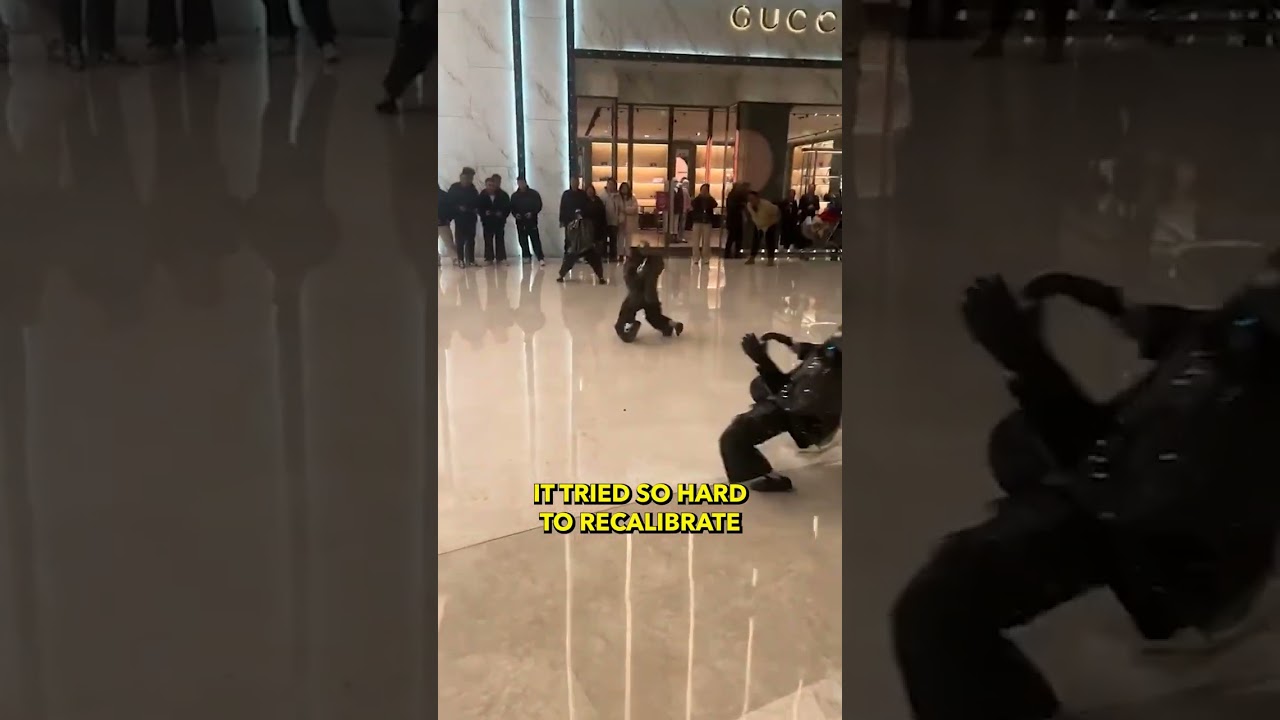
According to staff members, the robots completed the full set of movements without remote manual control. Instead, the routines were executed through pre-programmed instructions. The robots were also capable of autonomous posture adjustment through onboard algorithms. For example, if a robot failed to land properly after a flip, the staff said “it could dynamically rebalance itself based on real-time status feedback.”

In the 40-second video, the robots performed coordinated martial arts movements including punches, kicks, and high-difficulty flips. The video was also marked with the label “real shots, not AI-generated.”

Unitree's G1 humanoid robots performe a synchronized martial arts demonstration in front of the Hall of Prayer for Good Harvests at the Temple of Heaven in Beijing. Photo: Screenshot of Unitree's video clip

Unitree’s G1 humanoid robots performe a synchronized martial arts demonstration in front of the Hall of Prayer for Good Harvests at the Temple of Heaven in Beijing. Photo: Screenshot of Unitree’s video clip

As of press time, the video has been reposted for over 42,000 times and received over 50,000 “thumb ups” within about five hours on WeChat’s short video platform.

A WeChat user commented that “the ancient builders who constructed the palace terraces could never have imagined the emergence of robots today, viewing the performance as a tribute to modern education and science.” Another user noted that, following earlier demonstrations of drone swarms, Chinese company has now also developed robotic formations.

Unitree’s official account on X also posted the video. X user named “@IntoTheFilter” praised the demonstration “Excellent coordination and camerawork. It’s cool that humanoid robots are now a thing and not just in movies.” Another X user “@OliverS88776242” said “This is less about kung fu and more about balance, latency, and control loops.”
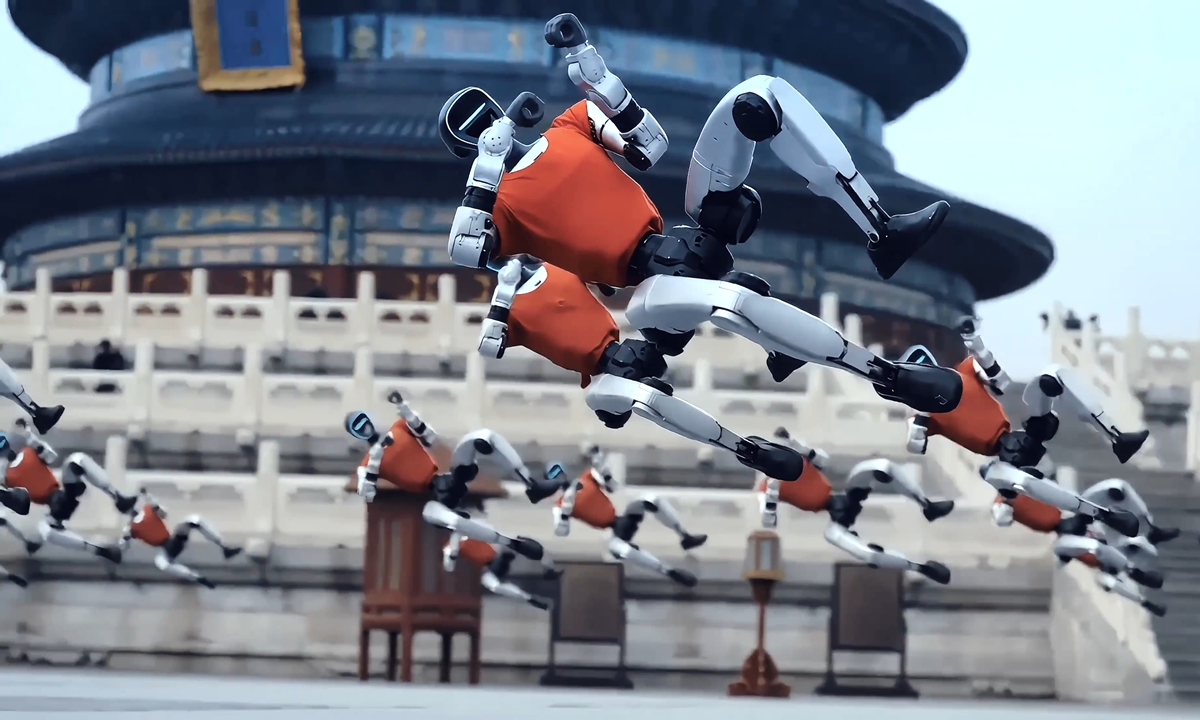
Unitree's G1 humanoid robots performe a synchronized martial arts demonstration in front of the Hall of Prayer for Good Harvests at the Temple of Heaven in Beijing. Photo: Screenshot of Unitree's video clip

Unitree’s G1 humanoid robots performe a synchronized martial arts demonstration in front of the Hall of Prayer for Good Harvests at the Temple of Heaven in Beijing. Photo: Screenshot of Unitree’s video clip

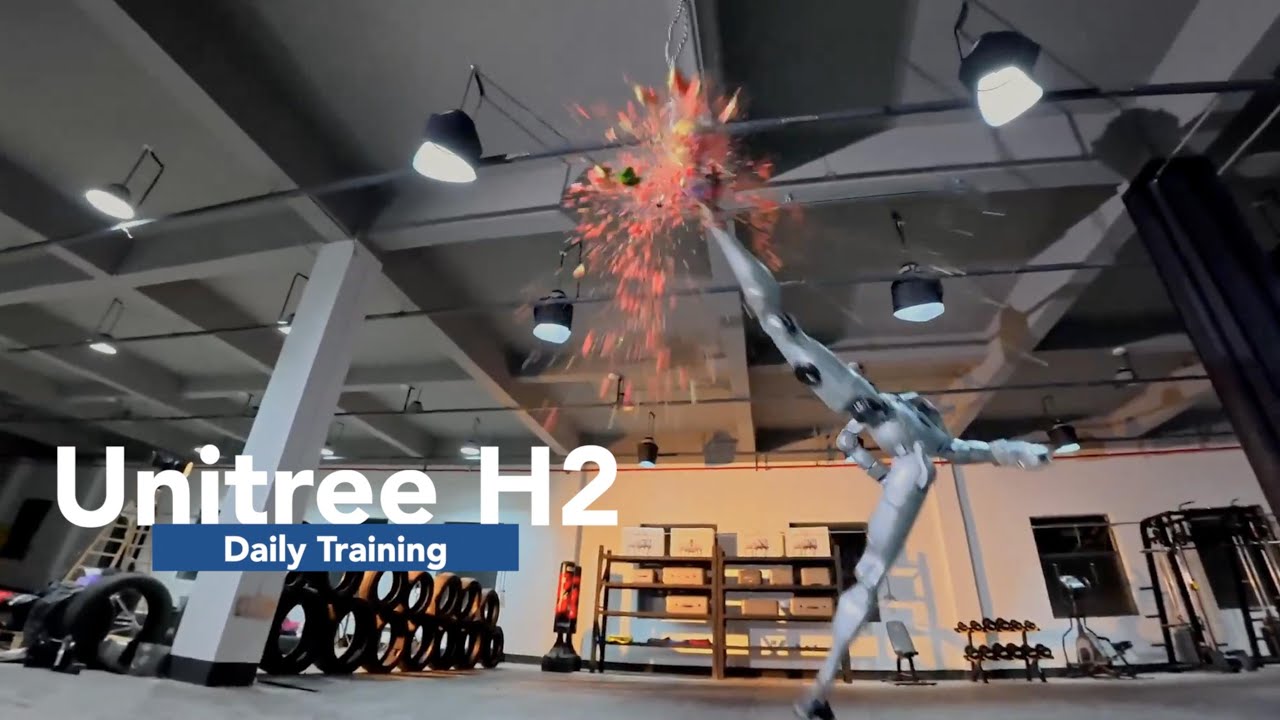
Unitree humanoid robots had previously made an appearance at the 2026 Spring Festival Gala on February 16, where they performed a dynamic routine featuring parkour, Drunken Fist movements, and nunchaku techniques, marking a significant upgrade from their 2025 Gala performance that showcased robotic Yangko dancing.

In a company statement sent to the Global Times, Unitree said the system allows each robot to conduct real-time stage scanning and localization using onboard 3D LiDAR sensors. A central control station distributes trajectories and movement sequences, while the robots autonomously execute motions and perform continuous self-monitoring. If a deviation occurs, the robot can automatically recover and rejoin the formation.

The statement noted that upgrading and validating the cluster control platform was identified as one of the key technical challenges. Coordinating dozens of robots simultaneously requires deep integration of networking, operating systems, embedded hardware, and software engineering. To address frequent stage layout changes, performer occlusion, prop interference, and intense robotic motion, the LiDAR-based localization algorithm was further optimized to improve accuracy and robustness.

Regarding potential real-world applications, the company said the technology could be used in multi-robot collaboration scenarios such as inspection and warehouse sorting. Compliant control under external forces could support precision assembly and heavy-load handling, while relative localization technology could enable navigation in complex environments.