Shaolin Journeys

16 April 2025 Prince Simeón Hasan Embarks On Shaolin Kung-Fu Journey

The young prince prepares for a transformative experience at the legendary monastery in China.

Prince Simeón Hasan, the 18-year-old son of Kalina of Bulgaria and explorer Kitín Muñoz, is set to embark on a transformative journey at the legendary Shaolin monastery in China. Accepted by the monks, he will immerse himself in the discipline and philosophy of kung-fu, a path that promises to enhance his martial arts skills and personal growth.

Located in Henan province, about 50 kilometers southeast of Luoyang, the Shaolin monastery is renowned for its deep-rooted connections to martial arts and Buddhism. Simeón, who has been practicing taekwondo and military training in Spain, will live at the monastery for five months following the summer. This experience not only aims to refine his martial arts techniques but also prepares him for his future aspirations to join the Spanish special forces, known as the ‘green berets.’

Kalina and Kitín traveled to China to familiarize themselves with the environment where their son will reside. During their visit, they were welcomed by the monks, who showcased their impressive skills through a demonstration. Inspired by the rich culture and discipline of the monastery, Kalina decided to participate in a kung-fu class herself, eager to experience the basics of the art form firsthand.

Kalina, the daughter of former Bulgarian King Simeón II, has a long history of physical fitness, having started her training in 2000 alongside her husband. They initially trained with weights in Bulgaria and later continued their fitness journey in Morocco under the guidance of Olympic athlete Bernardino Lombao. Over the years, their commitment to health and sports has remained steadfast. Kalina described the importance of consistency in training, stating, “The key to everything is consistency, just like in life itself.”

As she embraces kung-fu, Kalina has expressed her desire to challenge herself further, finding new ways to grow and learn. Her recent venture into martial arts aligns with her adventurous spirit and commitment to personal development.

During their time at the Shaolin temple, Kalina and Kitín were deeply engaged in the cultural experience, spending a day immersed in the traditions and practices of the monks. The couple was particularly impressed by the monks’ dedication and the serene environment of the monastery, often referred to as the “first temple under heaven.”

As for the financial aspect of Simeón’s training, the cost of accommodation at the monastery varies based on the length of stay. For those planning to stay less than a week, the daily rate is approximately 54.60 euros. A month-long stay amounts to 773.50 euros, while two months cost 1,492.40 euros. Those who choose to extend their stay to three months will pay 2,156.70 euros, and for four months, the total reaches 2,766.40 euros. This investment reflects a significant commitment to personal growth and discipline.

After completing his training at Shaolin, Simeón plans to apply for the ‘green berets.’ He has expressed pride in his family’s military legacy, noting, “My father descends from a dynasty of soldiers; my grandfather Luis fought in three wars, and my father is an ambassador for the army.” This lineage has inspired him to pursue a career defined by service and challenge.

Moreover, upon returning from China, Simeón will join his father on an expedition under the banner of the Explorer Club of New York, a prestigious organization that Kitín has been part of for decades. This opportunity not only highlights the adventurous spirit of the family but also emphasizes their commitment to exploration and discovery.

As Prince Simeón embarks on this new chapter in his life, he carries with him the hopes and support of his parents, who have instilled in him the values of respect for different cultures and the importance of understanding diverse perspectives. Kitín remarked in an interview, “Kalina and I agree on instilling sensitivity towards other worlds. Knowing different ways of thinking, feeling, and even praying is essential. Every good explorer understands this code: you may not understand it, but you must respect it. That is the beginning of everything.”

With the backdrop of the Shaolin monastery and the promise of rigorous training ahead, Simeón’s journey is poised to be both a personal and cultural awakening. As he prepares to embrace the challenges of martial arts and military training, he exemplifies the spirit of a young man ready to forge his path while honoring the rich legacy of his family.

In conclusion, the journey of Prince Simeón Hasan to the Shaolin monastery is not just about mastering kung-fu; it represents a broader commitment to personal growth, cultural appreciation, and the pursuit of excellence. With the support of his parents, he is set to embrace a future filled with adventure and discipline.

A prince learning Shaolin is like something out of an old Shaw Bros flick.

Israeli in Shaolin temple in China becomes TikTok star; ‘Feels like IDF basic training’

Living with swords, kung fu, and a monk-like routine: Amit Elkayam posts intense training in viral TikToks; says she has never felt as strong
Sharon Kidon| 05.31.25 | 01:52

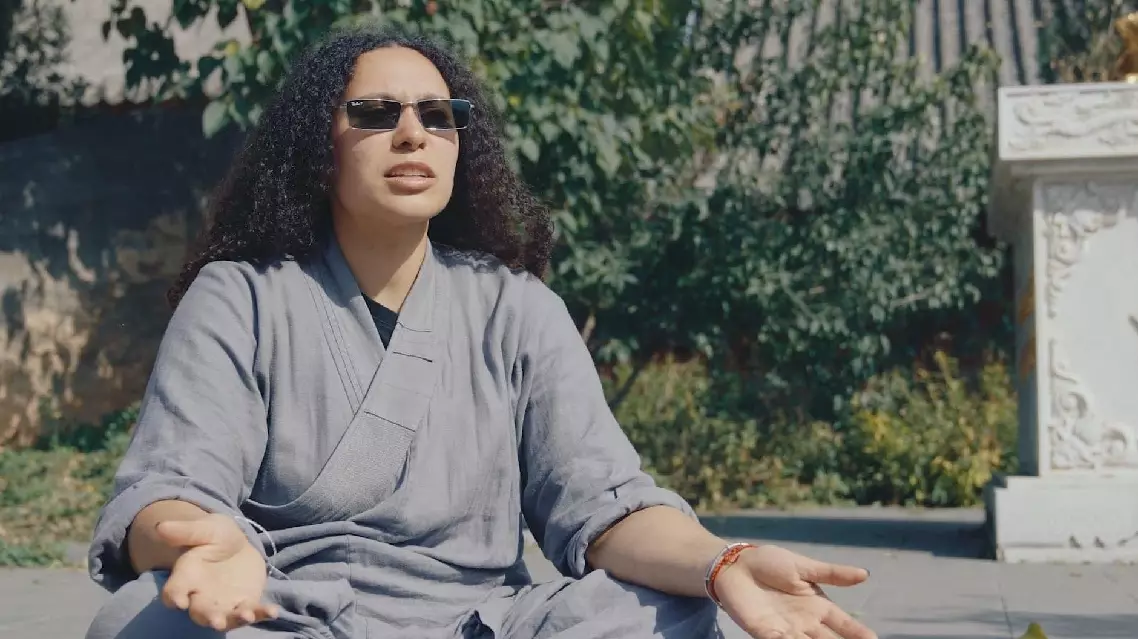
“I live in a Shaolin temple in China, and it’s one of the craziest experiences of my life. I’m learning from Chinese masters who’ve dedicated their entire lives to Shaolin teachings, and they’re giving me and students from around the world the chance to learn it too. The training is tough, but I’ve never felt so strong,” says Amit Elkayam, a 22-year-old from Oranit.

Elkayam was on a typical post-army trip with friends when a TikTok video changed all her plans. She decided to move into a monastery dedicated to martial arts training.
Top Videos

4 View gallery
[IMG2=JSON]{“alt”:“\u05e2\u05de\u05d9\u05ea \u05d0\u05dc\u05e7\u05d9\u05d9\u05dd \u05d1\u05de\u05e7\u05d3\u05e9 \u05e9\u05d0\u05d5\u05dc\u05d9\u05df”,“data-align”:“none”,“data-size”:“full”,“title”:“Amit Elkayam (Photo: Courtesy)”,“src”:“https://ynet-pic1.yit.co.il/cdn-cgi/image/format=auto/picserver6/crop_images/2025/05/28/B1W00100m4fex/B1W00100m4fex_0_0_1200_1600_0_x-large.jpg”}[/IMG2]
Amit Elkayam
(Photo: Courtesy) “I’ve been here for about a month,” she said. “I stumbled across a TikTok video by chance and thought it looked insanely cool. I’ve always loved adventure and doing unique, challenging things, and this felt like it would be a great experience. I started researching, looked into a few temples that accept foreigners, and chose the one I’m in now. It turned out to be an amazing decision — I absolutely love it here.”
Elkayam is living at the Shaolin Temple in Yunnan Province, near the city of Xingtai — a center that attracts martial arts trainees and visitors from around the world who come to study and experience Shaolin martial arts. The site is inspired by the original Shaolin Temple on Mount Song in Henan Province — a Buddhist monastery founded in the 5th century and considered the birthplace of Chinese kung fu. Several centers across China now operate in the Shaolin tradition, and the temple where Elkayam is staying is one of them. [IMG2=JSON]{“alt”:“\u05e2\u05de\u05d9\u05ea \u05d0\u05dc\u05e7\u05d9\u05d9\u05dd \u05d1\u05de\u05e7\u05d3\u05e9 \u05e9\u05d0\u05d5\u05dc\u05d9\u05df”,“data-align”:“none”,“data-size”:“full”,“title”:“Amit Elkayam during training (Photo: Courtesy)”,“src”:“https://ynet-pic1.yit.co.il/cdn-cgi/image/format=auto/picserver6/crop_images/2025/05/28/S1z00JuQNzxx/S1z00JuQNzxx_0_0_902_1600_0_x-large.jpg”}[/IMG2]
Amit Elkayam during training
(Photo: Courtesy) One of her TikTok videos documenting her experience at the monastery garnered over 317,000 views and drew plenty of comments. “I filmed it just for fun, and suddenly it really took off. It was cool to see that happen,” said Elkayam, who plans to continue posting videos from the temple.
Are there any admission requirements? How does it work? “The temple I’m at has a website. You register there, fill in your details, and they get back to you. There aren’t any special requirements — they accept anyone who wants to come, train, and take it seriously.”What does the training involve? “The day includes lots of different types of training, including weapons practice — with swords and staffs. We start the day in a more relaxed way with tai chi at 5:50 a.m., then move into more intense sessions: running, strength training, kicks, Shaolin kung fu exercises, and more.”
What did your family think? “My family loved the idea and are really supportive. They even suggested I stay longer than I originally planned.” [IMG2=JSON]{“alt”:“\u05e2\u05de\u05d9\u05ea \u05d0\u05dc\u05e7\u05d9\u05d9\u05dd \u05d1\u05de\u05e7\u05d3\u05e9 \u05e9\u05d0\u05d5\u05dc\u05d9\u05df”,“data-align”:“none”,“data-size”:“full”,“title”:“Photo: Courtesy”,“src”:“https://ynet-pic1.yit.co.il/cdn-cgi/image/format=auto/picserver6/crop_images/2025/05/28/SyxdJu7Nflx/SyxdJu7Nflx_0_686_1000_563_0_x-large.jpg”}[/IMG2]
(Photo: Courtesy) What do you eat there? Is it a strict or comfortable lifestyle? “Something in between. Personally, I keep kosher, so I eat only vegan food. There’s always rice, vegetables, vegetable soup — that’s what we usually eat. For those who aren’t vegetarian, there’s sometimes meat, sometimes not — it depends on the day. But overall, the food here is pretty decent.”
Get the Ynetnews app on your smartphone: Google Play: https://bit.ly/4eJ37pE | Apple App Store: https://bit.ly/3ZL7iNv
Elkayam added that life at the monastery reminds her a bit of the army. “As someone who served and did reserve duty, I have to say there are a lot of similarities,” she said. “There’s a strict training schedule, we wake up early, and if you’re late you get punished. Your room has to be neat, and they check it — so yeah, it’s a lot like basic training.” [IMG2=JSON]{“alt”:“\u05e2\u05de\u05d9\u05ea \u05d0\u05dc\u05e7\u05d9\u05d9\u05dd \u05d1\u05de\u05e7\u05d3\u05e9 \u05e9\u05d0\u05d5\u05dc\u05d9\u05df”,“data-align”:“none”,“data-size”:“full”,“title”:“Photo: Courtesy”,“src”:“https://ynet-pic1.yit.co.il/cdn-cgi/image/format=auto/picserver6/crop_images/2025/05/28/BJuyuQ4Ggg/BJuyuQ4Ggg_0_93_489_276_0_x-large.jpg”}[/IMG2]
(Photo: Courtesy) How are people responding to your videos? “I’ve gotten tons of questions in private messages, and I haven’t had time to answer everyone yet because most of my day is training. But I’m planning to make a video soon to explain everything — how to sign up, how to get here, what to expect — to help people out.”
What’s next for you? “I don’t know. I decide things on the spot, just going with my intuition.”
Am I going to have to make a special indie thread for ‘Shaolin influencers’?

World’s tallest monk? Victor Wembanyama spotted at China’s Shaolin Temple with shaved head

By Fred He and Kathleen Magramo, CNN
3 minute read
Updated 3:56 AM EDT, Tue June 10, 2025
[IMG2=JSON]{“data-align”:“none”,“data-size”:“full”,“src”:“https://media.cnn.com/api/v1/images/stellar/prod/gettyimages-2218151693.jpg?c=16x9&q=h_833,w_1480,c_fill”}[/IMG2]
Victor Wembanyama looks on during the 2025 Women’s Volleyball Nations League match between France and Belgium at National Indoor Stadium on June 6, 2025 in Beijing, China. Fred Lee/Getty Images CNN —

French 7’3” NBA star Victor Wembanyama may have just unlocked a new position: Shaolin monk.

Wembanyama, who ended last season early due to a rare blood clot in his right shoulder appeared to be looking for some off-season spiritual peace and strength at a Shaolin Temple in central China.

A widely circulated image showed the San Antonio Spurs center with a freshly shaven head, sitting pensively in front of small Budda statues inside a room typically used by abbots to receive guests.

Chinese state media reports confirmed on Monday that he was indeed at the temple.

The image, which CNN is unable to trace to its original source, was reposted by multiple Chinese state media outlets and by the NBA’s official account on Chinese social media.

NBA said on its official Weibo page on Monday that “according to reports” Wembanyama has shaved his head and begun a 10-day retreat in the Shaolin Temple.

In a separate video on Douyin, China’s version of TikTok, a bystander spotted the towering basketball player at the temple.

The 1,500-year-old monastery, nestled deep in the forested mountains of central China’s Henan province, is known for Zen Buddhism and the Chinese martial art of kung fu.

Retreats at the temple focus on discipline, meditation and inner harmony and aim to help disconnect from real-world distractions.

The 21-year-old Wembanyama – a 2024-25 NBA All-star and 2023-24 Rookie of the Year, just went through a tough season.

He had been out since February following a rare deep vein thrombosis diagnosis and several weeks later the Spurs were officially eliminated from playoffs.

[IMG2=JSON]{“data-align”:“none”,“data-size”:“full”,“src”:“https://media.cnn.com/api/v1/images/stellar/prod/ap25048070191572.jpg?q=w_1110,c_fill”}[/IMG2]
San Antonio Spurs center Victor Wembanyama attempts a 3-point shot during the NBA All-Star basketball game on February 16, 2025 in San Francisco. Jed Jacobsohn/AP
Wembanyama seemingly wanted to stay low-key on his journey at the monastery.

The Frenchman has not yet posted anything about it on social media. On Monday, the Shaolin Temple, told CNN “We are not aware of this” when asked about Wembanyama staying there.

But a state-owned outlet of Henan province, where the temple is located, reportedly learned from people at the temple that “Wembanyama is indeed currently in the Shaolin Temple, but the relevant matters are not convenient to be disclosed to the public”.

Right before the spiritual tour, the French basketballer spent a couple of fun days in Beijing. Locals spotted him shopping, playing basketball, walking in a park, and even visiting the Great Wall, as shown in their social media footage.

The San Antonio Spurs on Friday shared a video on Instagram of Wembanyama as he visited the Great Wall of China in Beijing.

“It’s Victor Wembanyama. Life in China on the Great Wall itself, having an amazing time. It’s crazy,” he said.

The Shaolin temple often attracts well known figures. Prominent US YouTuber IShowSpeed visited to the same temple back in March, training with a kung fu master and generating millions of views on his social media accounts.

Shi Wemby does have a ring to it…

Metal singer, NBA star join seclusion retreats at Shaolin Temple in Henan Province
By Li Hang Published: Jun 11, 2025 11:02 PM
[IMG2=JSON]{“data-align”:“none”,“data-size”:“full”,“src”:“https://www.globaltimes.cn/Portals/0/attachment/2023/2023-06-18/d4ce6b3a-cb2c-470a-9e22-c3c6d6921a08.jpeg”}[/IMG2]
The Shaolin Temple in Dengfeng, Central China’s Henan Province Photo: VCG

German metal singer Alea der Bescheidene has announced his arrival at the Shuiyu Temple, traditionally affiliated with the Shaolin Temple, for an 18-day seclusion retreat. The Shaolin Temple is renowned worldwide as the birthplace of Shaolin kung fu, which has a history of over 1,500 years.

In a June 2 Instagram post written in German, the lead singer of the German metal band Saltatio Mortis announced his departure to China for an 18-day retreat, saying he would wake up at 4:30 am in accordance with the local routine, take part in kung fu training, and fully immerse himself in Shaolin life.

On June 9, another post reflected on the experience: “You meet more than friends in the art of kung fu. You meet brothers and sisters. When we move in the same rhythm, nothing can stop us… Kung fu and the Chan philosophy are more than just words. They are the flame in our hearts.”

A scholar who has long followed Shaolin culture told the Global Times on Wednesday that those who join the seclusion retreat at the Shaolin Temple often have the same meals as the resident monks, with their primary daily focus being the study of Shaolin kung fu.

Around the same time, Victor Wembanyama, 21, a French basketball star for the San Antonio Spurs, reportedly shaved his head and began a 10-day seclusion and training program at the Shaolin Temple, located on Songshan Mountain in Dengfeng city, Central China’s Henan Province.

The NBA’s official account on Sina Weibo, China’s X-like platform, also posted the news on Monday morning, stating that according to reports, Wembanyama had shaved his head and would begin a 10-day seclusion retreat at the Shaolin Temple.

The Zhengzhou-based Dahe Daily learned from sources at the Temple on Monday that Wembanyama was indeed at the Temple, but more details were unable to be shared with the public, according to the report.

According to CNN, the 2024-25 NBA All-star and 2023-24 Rookie of the Year, had just gone through a tough season. “He had been out since February following a rare deep vein thrombosis diagnosis and several weeks later the Spurs were officially eliminated from playoffs,” CNN reported.

Dusty Garza, an editor from the Spurs Report, said on X that according to multiple independent sources, “Wembanyama is not only deeply interested in Shaolin culture, he had a master shave his head and is now beginning a 10-day retreat at that temple. His upcoming travel plans have been paused, and his entourage has already left.”

When asked why these well-known international figures chose to seclude themselves at the Shaolin Temple, the scholar mentioned above said it was “due to the influence and recognition of Shaolin culture in their home countries.” “More importantly, the individuals themselves have a deep admiration for kung fu,” he noted.

There are about 100 million Shaolin culture enthusiasts and Shaolin kung fu practitioners, including about 60 million overseas, according to the official website of the Zhengzhou city government.

Sun Jiashan, an associate researcher at the Central Academy of Culture and Tourism Administration, told the Global Times on Wednesday that “Shaolin culture and kung fu are popular overseas due to their global exposure through film and media.”

“Icons like Bruce Lee, Jackie Chan, and Jet Li brought Shaolin kung fu to international audiences, making it a world-renowned symbol of Chinese culture,” added Sun.

I don’t know Saltatio Mortis. Anyone?

More on Wemby

Victor Wembanyama Details His Shaolin Temple Experience And Offseason Training With Monks:“I’m Pretty Sure I’m Buddhist Now”

Victor Wembanyama’s Shaolin Temple retreat could redefine NBA offseason preparation.

In an era where NBA superstars spend their offseasons vacationing in luxury resorts or promoting brands across continents, Victor Wembanyama just raised the bar for spiritual and physical transformation.

The 21-year-old San Antonio Spurs phenom spent ten days this summer immersed in the rigorous lifestyle of Shaolin monks at their sacred temple in Dengfeng, China, and came out a changed man, both mentally and physically.

“It was a great experience,” Wembanyama said in an interview with The Athletic. “My goal going there was putting my body through things that it’s not used to doing and allowing my range of movement and strength. This was probably as very different as possible from what I’m used to doing.”

The trip wasn’t a publicity stunt or content shoot. It was a deeply personal retreat. Wembanyama shaved his head, wore traditional monk robes, meditated, and practiced kung fu daily in the isolated, vegan confines of the Shaolin Temple.

“Kung fu. Every day. It was like a vegan temple, monastery… I was isolated."

Photos of the 7’3" Wembanyama running with monks and sitting in meditative silence in full Shaolin gear went viral. But behind the novelty was a young star committed to expanding not only his basketball toolkit but his entire way of being.
"I’m pretty sure I’m Buddhist now,” Wembanyama joked during a panel appearance on The Shop alongside Tom Brady, LeBron James, and Kai Cenat at Fanatics Fest in New York.

Of course, living as a monk came with a few modern challenges, particularly for a 245-pound NBA center. The temple’s strict vegan diet, consisting largely of rice noodles and zucchini, wasn’t quite enough to maintain his frame. “I had to sneak out and get some meat,” he admitted with a grin. Still, the experience was transformative.

This offseason retreat follows a tumultuous season for Wembanyama, whose sophomore NBA campaign was cut short in February due to deep vein thrombosis in his right shoulder.

Despite the early exit, he left a strong impression, averaging 24.3 points, 11.0 rebounds, 3.8 blocks, and 3.7 assists per game, historic numbers for a player still learning the pace of the NBA.

Though his status for France’s 2025 EuroBasket run remains uncertain, Wembanyama is expected to be fully cleared for Spurs training camp. And this version of him might be more dangerous than ever. Not just because of his skillset, but because of his mental edge, forged through ancient discipline.

Wembanyama’s time at the temple wasn’t just about kung fu or mobility drills. It was about patience, control, isolation, and embracing silence, lessons he says will carry into his life and game. And in a league dominated by narratives and noise, Wembanyama’s monk-like focus might be his most dangerous weapon yet.

If the NBA wasn’t already on alert, it should be now. The Shaolin Wemby era has officially begun.

By
Vishwesha Kumar
Vishwesha Kumar is a Bengaluru-based sports journalist specializing in basketball analytics for Fadeaway World. With a Bachelor of Technology from PES University, his analytical prowess enriches his deep dives into the nuances of the game. A prolific writer, Vishwesha has penned over 2,000 articles, making complex basketball strategies accessible and engaging. His work not only reflects his expertise but also his passion for the sport, inspired by basketball icons like LeBron James.

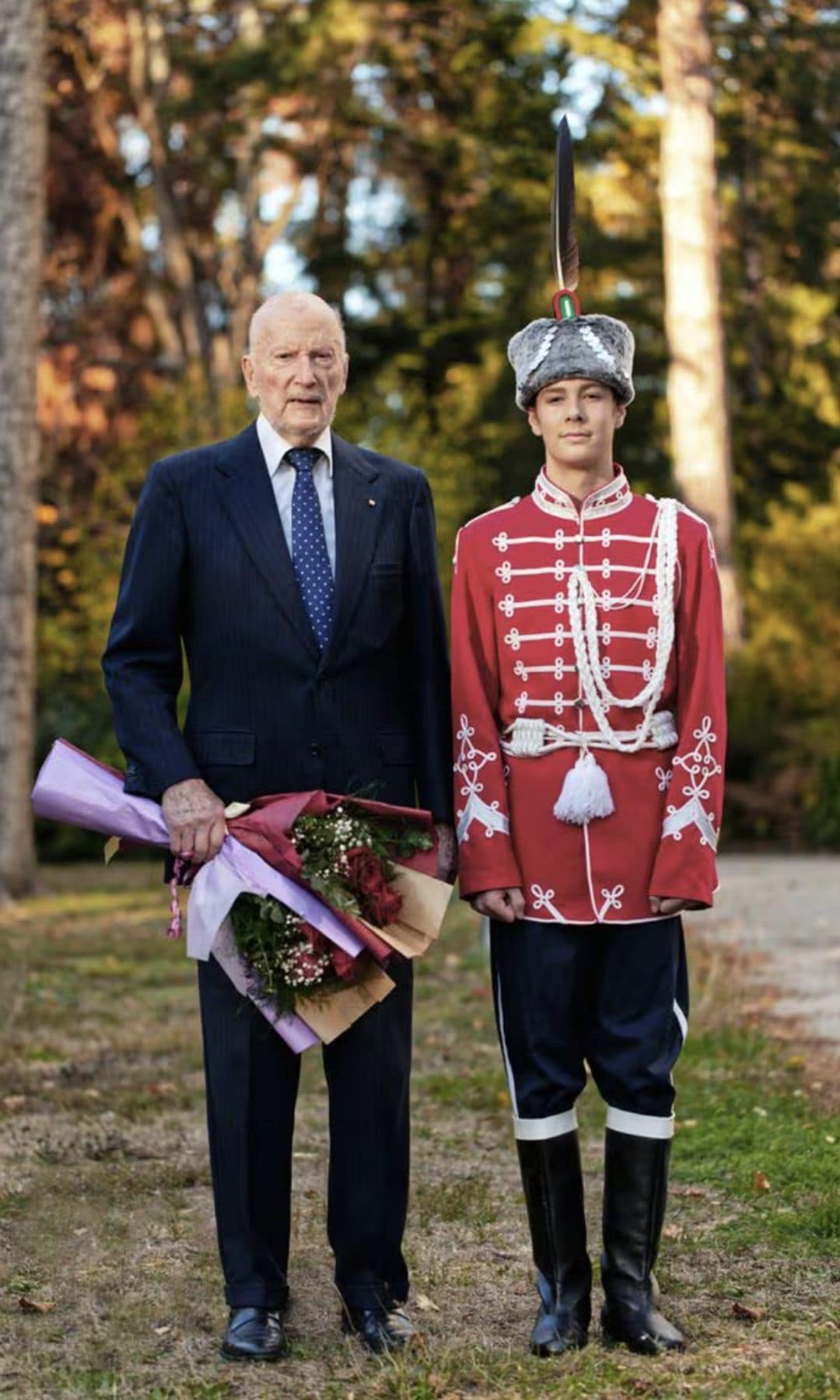
Prince Simeon bids farewell to Bulgaria with a historic parade before entering the legendary Shaolin Temple

The son of Princess Kalina and Kitín Muñoz begins a new chapter: from Bulgaria’s Youth Guard to China


Prince Simeon bids farewell to Bulgaria with a historic parade before entering the legendary Shaolin Temple

MARIA LORETOSENIOR WRITER

NOVEMBER 5, 2025 4:39 PM EST

Prince Simeon of Bulgaria, the only son of Princess Kalina and the Spanish explorer Kitín Muñoz, had a day that will go down in history. On November 1st, the Day of the National Awakeners in Bulgaria, a celebration honoring the teachers, writers, and leaders who preserved the country’s culture, knowledge, national identity, and spirit of freedom, the 18 year old was involved in his first National Revival Day.

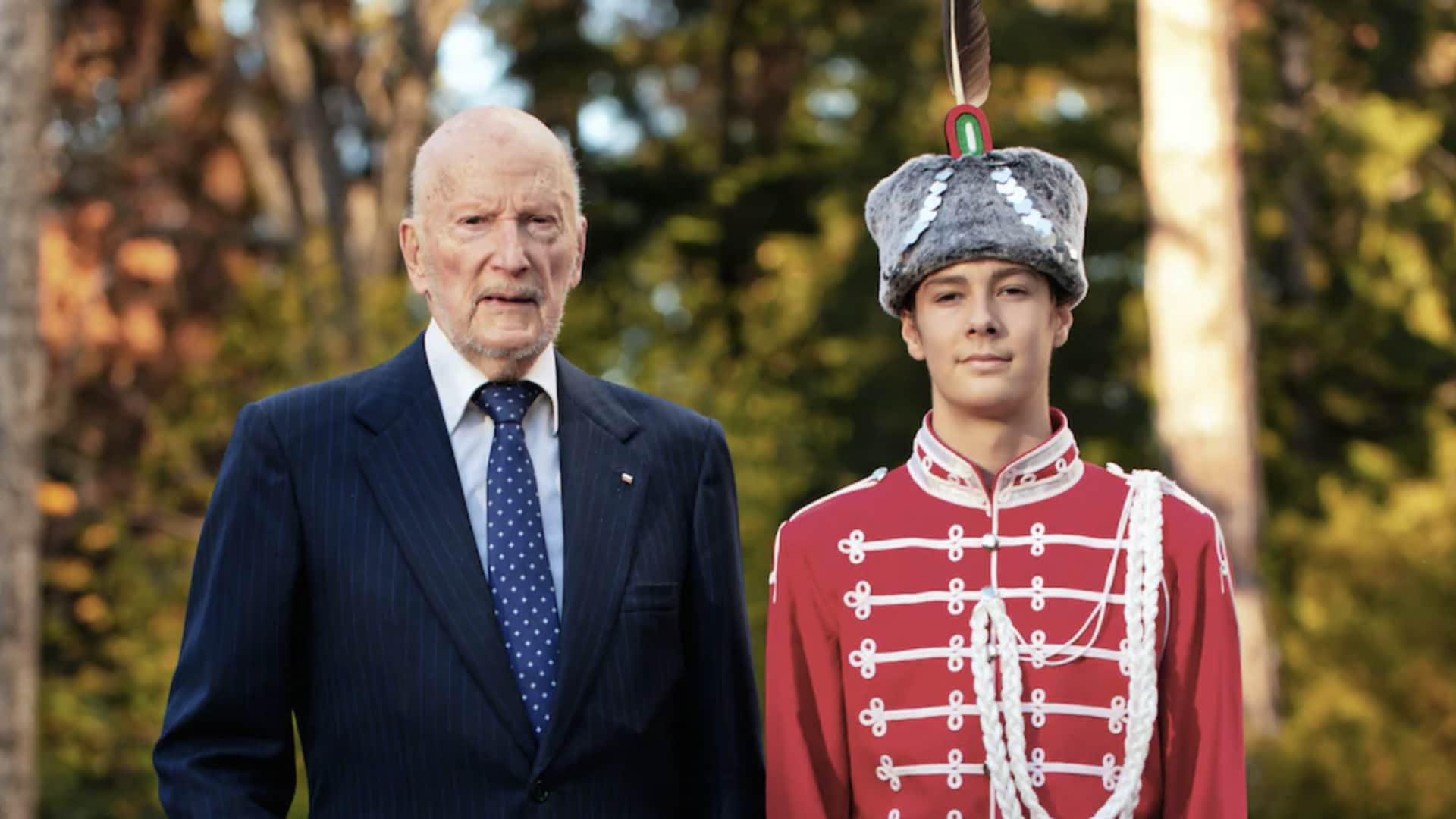
Prince Simeon joined the squadrons of Bulgaria’s Youth Guard during the solemn ceremony held in the city of Elin Pelin, after becoming a member of the Youth Guard.

Under the leadership of his grandfather, King Simeon II

Prince Simeon and his grandfather on his special day

Prince Simeon and his grandfather on his special day

With the blessing of his grandfather, King Simeon II, and his parents, Prince Simeon received the insignia of the Youth Guard from **Dr. Denislava Angelova,**president of the association, and pledged his commitment as a volunteer member. A few days later, he became the first member of the Bulgarian royal family to have participated in the parade.

Dressed in his ceremonial uniform, the prince greeted the young cadets and marched alongside the 22nd Student Guard unit from the Vasil Levski Institute. He joined the traditional torchlight procession and laid flowers at the monument of writer Elin Pelin, a symbolic figure of the city.

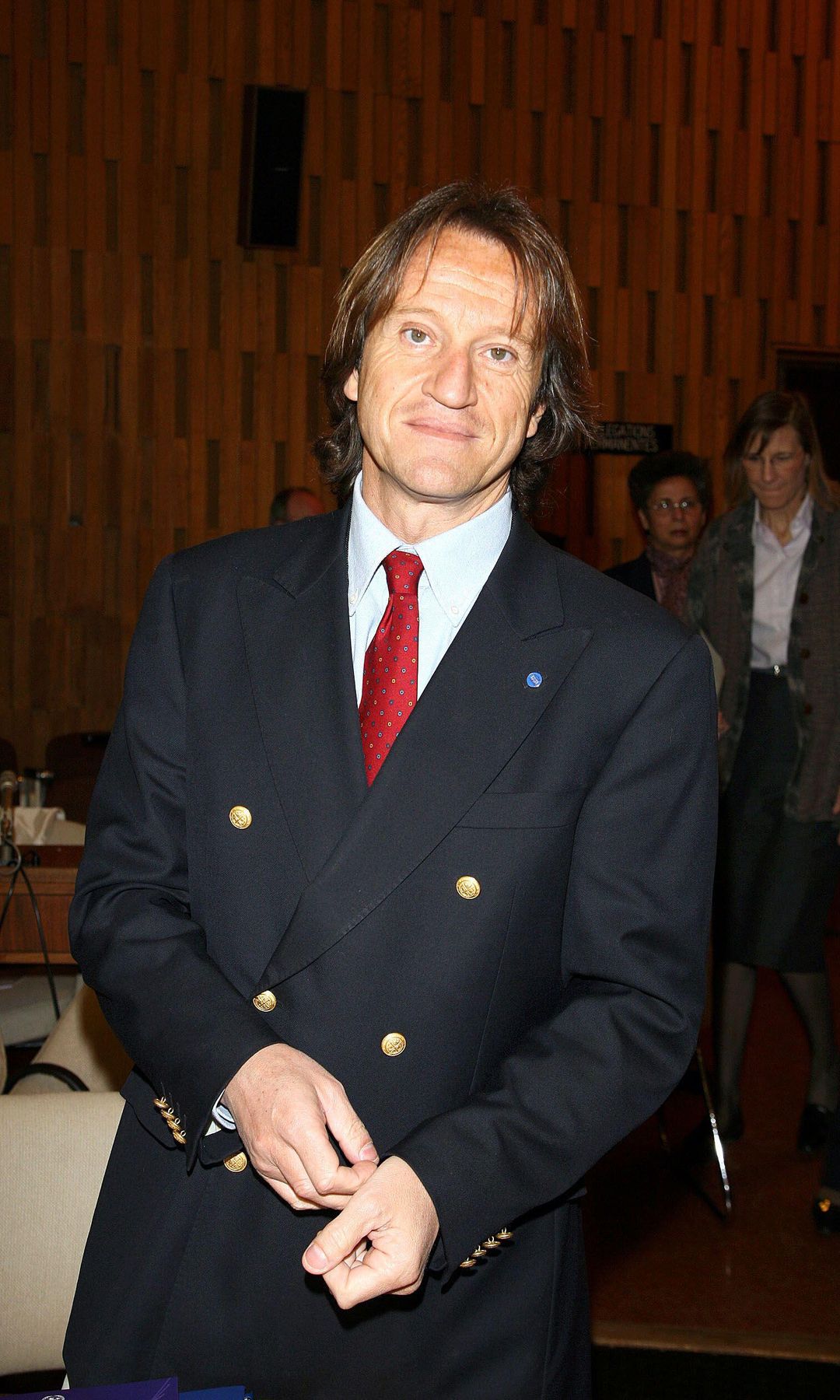
The prince is the son of the Spanish explorer Kitin Munoz© Abaca Press

The prince is the son of the Spanish explorer Kitin Munoz

The Youth Guard, made up of students from across the country, participates in national and local initiatives, public causes, and educational programs designed to promote respect, empathy, and love for Bulgaria and its traditions. The initiative operates under the patronage of the President of the Republic of Bulgaria, with assistance from the National Guard Unit and the support of several ministries.

A celebration established by King Boris

The mayor of Elin Pelin reminded attendees that it was King Boris, Simeon’s great-grandfather, who established this national holiday. He expressed his honor at having the young prince present, continuing the family legacy by laying a floral tribute with Kitín Muñoz at the statue honoring Bulgaria’s heroes. “I thank my mother for having been born here and for being Bulgarian,” said Prince Simeon to the national television channel. The remark was made days before beginning a new chapter in China.

Prince Simeon Hassan is getting ready to embark on a new chapter in his life© SOPA Images Limited

Prince Simeon Hassan is getting ready to embark on a new chapter in his life

Simeon has been accepted by the monks of the legendary Shaolin Monastery in China’s Henan province. Starting November 12, he will perfect his kung fu practice and develop the spiritual, physical, and mental discipline that defines the ancient art.

Last April, Princess Kalina and Kitín Muñoz visited the temple where their son will reside for the coming months. Simeon began practicing martial arts as a child in Morocco, and at 16, he was named a Global Ambassador of Taekwondo in South Korea after excelling in the prestigious Hanmadang Championship. This summer, he also took part for the third time in the Don Pelayo military camp in Orea (Guadalajara), where he received training from active members of the Special Operations Command.

Odd. I heard Shaolin Temple was closed to foreigners during the change of leadership.

Dutch woman says Shaolin kung fu saves her life

2025-11-30 17:37 Last Updated At:18:37

Mana, a Shaolin disciple from the Netherlands, credited kung fu with saving her life in the new CGTN documentary “The Spirit of Shaolin.”

In the documentary, Mana recounted suffering from severe depression until discovering Shaolin kung fu that profoundly transformed her life in the years that followed.

“So I was very depressed at one point in life, and was living every day between wanting to live, wanting to kill myself. So one day I was like okay I cannot live like this anymore, so I got up, [and] went to the train station. I told myself I either jump and it’s all gone – there’s rest, there’s peace, or I get myself together. And I went to the train station and I was like, oh no, this is too scary, I don’t want to jump. So I got home and got myself together,” she recalled.

At her darkest moment, she found the strength to put herself back together, ultimately leading her to the Shaolin Temple in central China.

“My friends, they all thought I was fine, it’s just some day, I just didn’t reply to any messages anymore, because I couldn’t take it. Short while after I got an invitation from my old Shifu to go to [the] Shaolin [Temple] in China for kung fu, for a trip, and I was like, this is my sign, this is what I need, and then it literally changed my life,” said Mana.

Dutch woman says Shaolin kung fu saves her life

Dutch woman says Shaolin kung fu saves her life

No offence but this sounds like classical bipolar and yet another kung fu nutter runner

If we didn’t have any ‘kung fu nutter’ people, what would we be left with? While I wouldn’t claim Shaolin to be a panacea, it does help a lot of people adjust with their divergent psychologies. Nothing wrong with that. Quite the opposite - that’s a good thing. The practice has certainly kept me on the straight & narrow, ya know?

Here’s The Spirit of Shaolin.

True but sometimes modern commercial kung fu worsens rather than alleviates the symtoms of the nuttery; and sometimes these people go on hurt others, just within the kung fu circles. But also good point about the redeeming aspects of kung fu that should not be ignored; one should try to view things more optimistically.

will go watch spirit of shaolin thax for share

Well, sure. That’s why I wouldn’t call it a panacea. It’s not for everyone and it doesn’t heal every malady.

As for what happens within the wulin, that’s wulin business until it breaks the law of the land, ya know? Even then, it is astounding how much crime goes unpunished, both inside and outside the wulin.

No squirrel kung fu practitioners? I think they are doing good damage-control!

# From college dropout to Ironman CEO in 7 years, this Gen Z founder found ‘no pain, no gain’ from a trip to China and the Shaolin monks

Nick Lichtenberg

By Nick Lichtenberg

Business Editor

November 27, 2025, 6:00 AM ET

Gustas Germanavicius

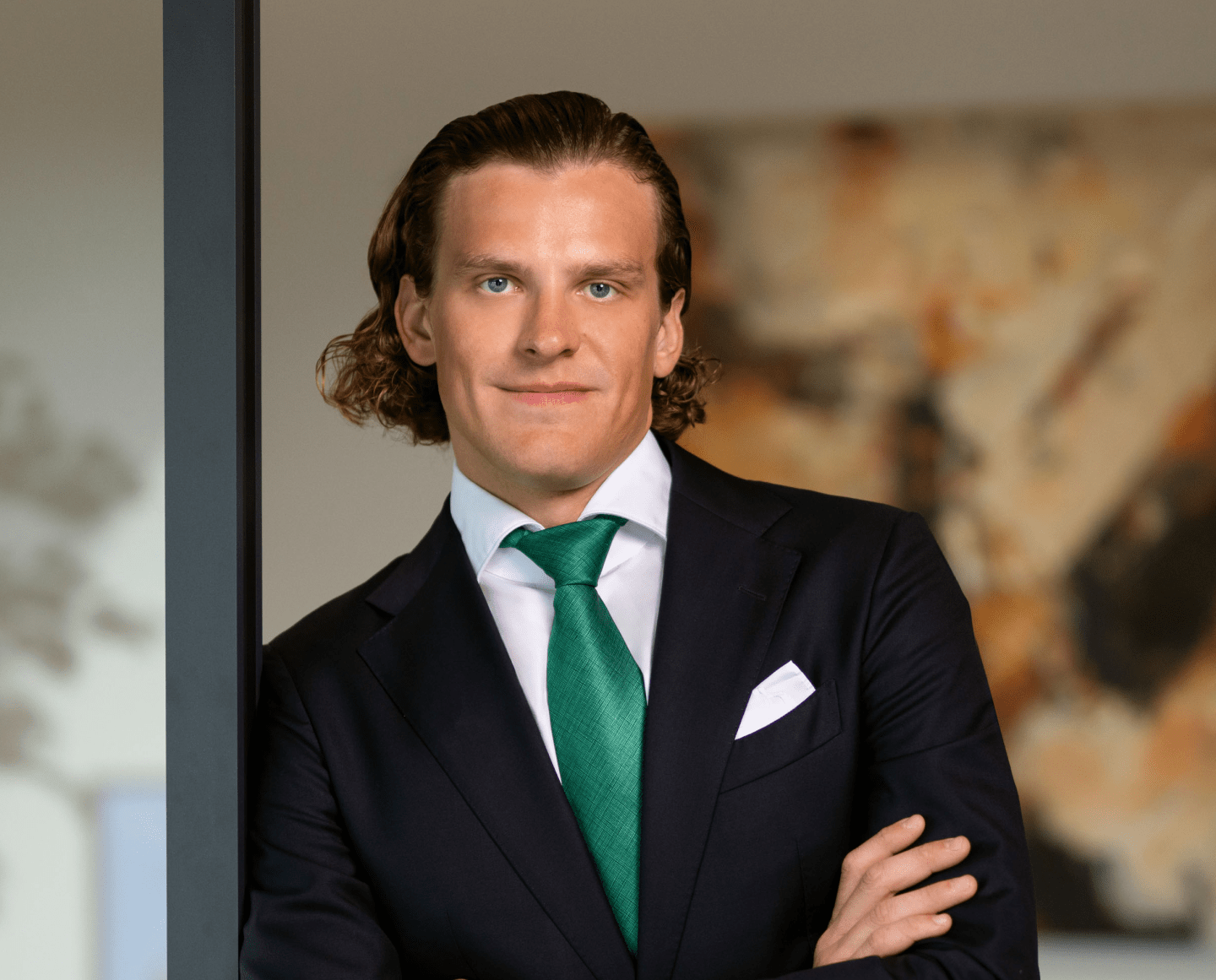
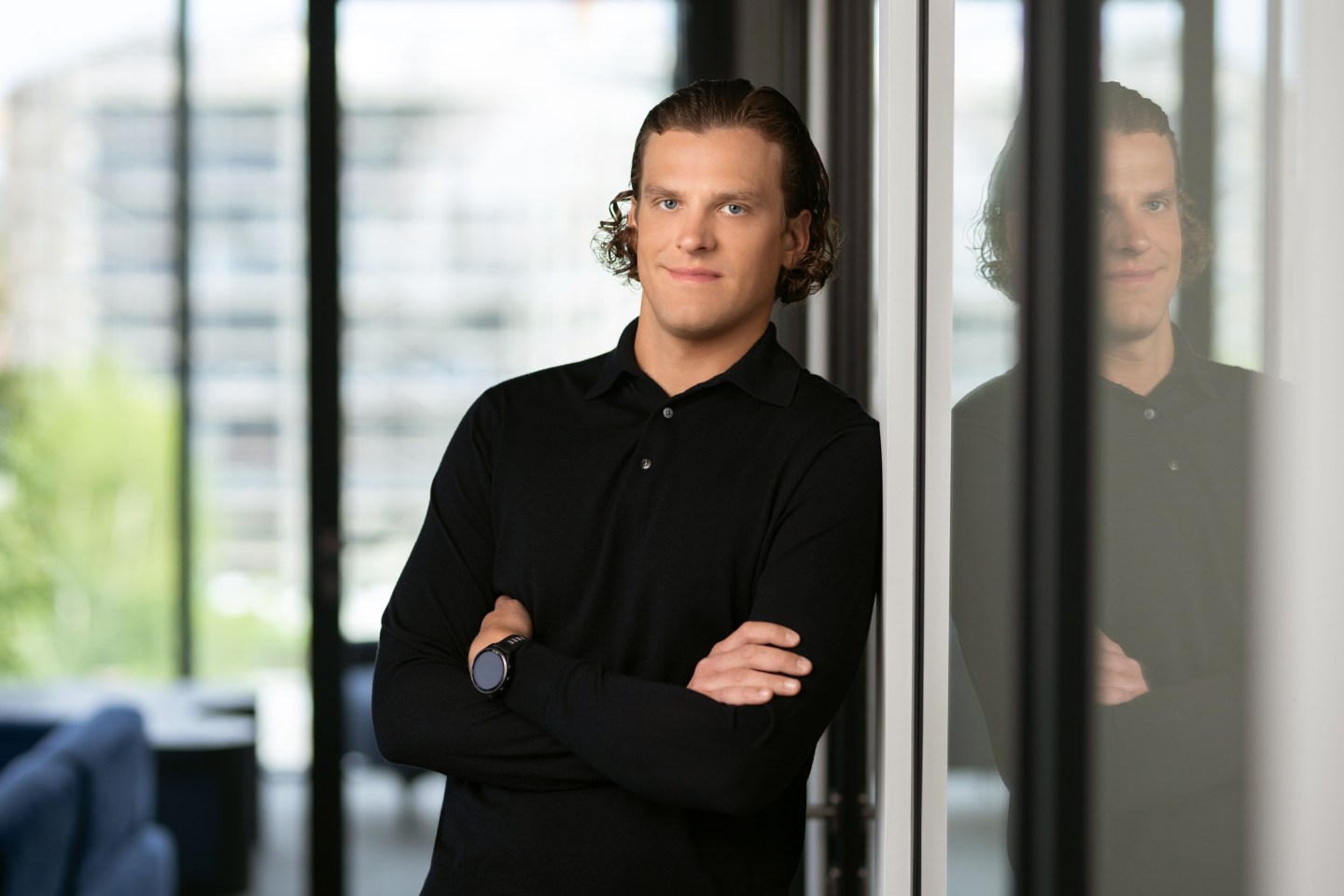
Gustas Germanavicius, founder and CEO of InRentoCOURTESY OF INRENTO

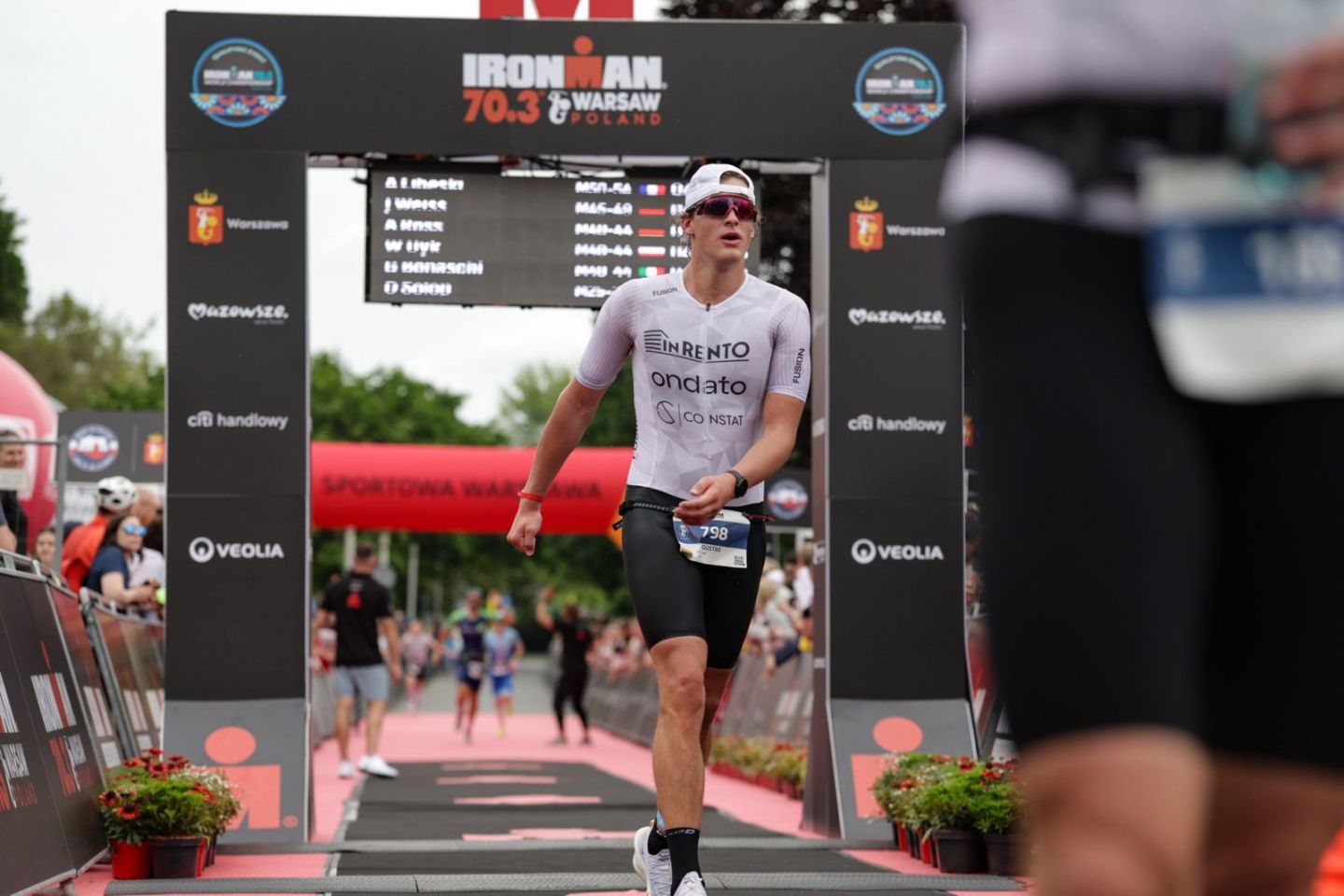
Gustas Germanavicius has only been competing in Ironman events for 15 months, but he’s already become the top-ranked athlete in his home country of Lithuania (a title he lost in the time between his interview and publication; he’s in the top 7% globally). The two-time founder told Fortune that he approaches it the way he approaches his business: always on. “It’s just like in business, you have to, consistently, every day, show up and don’t have any excuses for poor performance.” He said that not all his Ironman training days are great, but he has to make sure he follows his plan. It aligns with how he works.

“Basically I work in marathons and sprints,” Germanavicius said, describing something far beyond the typical “996” workload of 9am to 9pm, six days a week. For Germanavicius, it’s more like two months on and two weeks off. “Two months I work, 24-7, seven days a week, then two weeks off. This two weeks off doesn’t mean that I’m fully offline, but I try to relax and put a lower gear.”

The 27-year-old is proud that his current business, InRento, is on course for its third profitable year. And even though his first business, an artificial intelligence (AI) startup named WellParko, did not work out, he’s proud that one of his investors made a profitable exit, and that they both backed his current venture. “Actually, last month, I bought out two of their funds, so they made a serious profit, because we are at this stage that we are growing profitably.” But Germanavicius was quick to add that he doesn’t exactly enjoy being his own boss.

“I think it’s much more stressful, to be honest,” the strong-jawed, long-haired Lithuanian tells Fortune, “because you have all this pressure, you know? Like, what if I’m wrong? What if my assumptions are wrong? What if my decisions are wrong?” Germanavicius said he doesn’t like “this whole concept of like having no boss is easier.” When he started WellParko at 18 years old, he added, “I wasn’t ready. So I had to go through all the pains, go through all this pressure.” Now that he’s managing a €50 million portfolio, “this pressure is insane,” and he’s learned the hard way how to manage. “It’s not about being free to be your own boss. It’s about serving the customer to get a good business off the ground. Like, it’s not stress-free to be your own boss.”

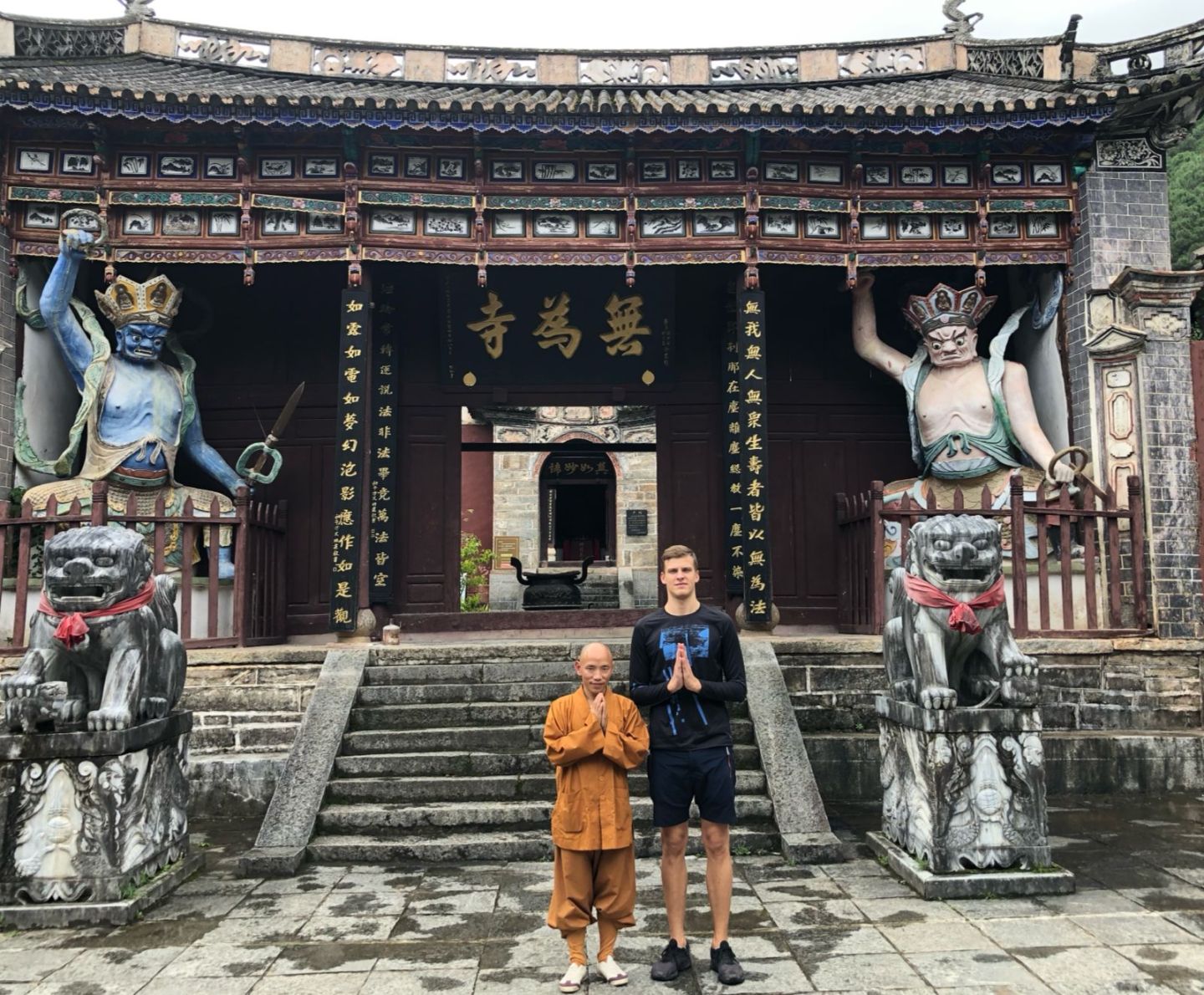
When Fortune offered that his work sounds like the old expression “no pain, no gain,” Germanavicius grinned and offered an anecdote from deep in Shaolin, China. After WellParko exited, he said, “the first thing I did, I booked the ticket to China and I went to train with the Shaolin monks.”

Germanavicius waved away suggestions that this was some kind of homage to Wu-Tang Clan, the Staten Island rap group obsessed with the concept of Shaolin from old 1970s kung fu movies. “No, no, no, no,” he said, “for me, mastery is one of the key values in life.” He said that despite the monks speaking no English and communication being limited, he learned two mantras from his Shaolin master: “He always said two things: ‘No pain, no gain,’ and ‘practice makes tired.’ Not perfect, but practice makes tired, no pain, no gain.”

The Profitable Contrarian

Germanavicius called himself a “contrarian” who was always entrepreneurial, recalling that he launched a bicycle buying-and-trading business as a middle schooler. (He loves Ironman because of his lifetime love of cycling, he added.) He was an entrepreneur before he was a college student, and he only went to university (the prestigious ESADE) for a few months before deciding that it was a waste of time, “delaying” the start of more meaningful things. “The opportunity cost was too high and I was feeling like I’m underperforming in life.”

The founder told Fortune that he had a pivotal conversation with his mother when he decided to drop out. “I wasn’t confident at first, because at first, of course, it was like a great university and great opportunity, and I had a scholarship.” He said he always remembers what she told him: “Listen, it’s your life. You live it how you want, because you will have to live it. Not me, not not anybody else, just do what you want.'” Germanavicius said this was the “trigger” for his decision. He also disclosed that his father died when Germanavicius was young (almost precisely the time he started selling bicycles). “It was hard, but at the same time, I think it got me to this understanding that no one’s going to take care of you, you know, and you have to take your own actions, and you have to take the responsibility for them.”

A crowdfunding platform that allocates capital to real-estate projects, InRento is active in markets beyond Eastern Europe. They are active in six markets including Poland, Italy, Spain, and Ireland. “We take all the edges of Europe,” he told Fortune jokingly. “I feel like we go to the markets where financing is inefficient,” full of bankable projects and clients, who can’t get traditional bank financing. This doesn’t mean they are sketchy, he said, explaining there are many family owned companies, often in hospitality, which need to raise a few million euros, but most banks in the market uninterested in loans smaller than €10 million. For example, he showed Fortune plans for a former Harry Potter-themed tourist attraction in Poland that needed renovation.

Germanavicius added that InRento is fully regulated and supervised by the Central Bank of Lithuania, with a license issued by the European Central Bank. He said they are fully audited, do annual reporting, and comply with all the applicable laws and regulations of financial institutions in the countries where they operate. “We also publish audited accounts and audits publicly to our clients,” he said, “transparency helps to support reputation and our reputation is our biggest asset.”

What he’s like to work for

Fortune spoke to Bernardas Preikšaitis, InRento’s Chief Operating Officer, to get a feel for what it’s like to work for this beyond-996 founder. Preikšaitis credited Germanavicius with giving him instant trust and the space to grow, training him beyond legal counsel into a business-oriented leader, and offering swift upward mobility rather than locking him into a narrow role. According to Preikšaitis, Germanavicius asserts high expectations with a direct, almost intimidating manner but balances this intensity with tremendous trust in his team.

Despite perceptions that employees may be afraid of Germanavicius due to his high standards, Preikšaitis affirmed that those who stay are deeply motivated by this environment of trust and responsibility. In practice, the leadership style avoids micromanagement, largely reducing communications to updates and priorities. Preikšaitis noted, “Everyone knows what to do. There is no box-checking, no need to report back constantly. It’s about prioritization and getting things done—deals and investor safety above all.”​

He described this as an odd tension between trust and distrust. “From day one, he basically gave a lot of trust to me,” but at the same time, Germanavicius always stresses an edgy kind of work persona, almost a paranoia. “He always tells me, ‘You know, never trust no one.'” Thinking it over, Preikšaitis described the approach as: “I trust no one, but I give 100% trust in you and what you are doing, and I believe in you, and I will enable you at any cost.”

A shift into microshifting

Germanavicius told Fortune he was “still learning,” and after all, he has never had a boss himself. “I still think I’m not very a good manager, to be honest.” He said when he first began working, he assumed others would be wired like himself, but he encountered a more standard mentality. “What I realized was that people from these very deep corporate backgrounds, when you give them all this freedom … for a lot of people, it was weird.” He said his workers “couldn’t comprehend” an environment without traditional hours where key performance indicators (KPIs) were the only thing that mattered.

At InRento, he said he tends to hire “self-starting” people. “They don’t really care about hours. The whole company culture that we build is that we don’t limit holidays. Like, if someone wants to take holidays, they can take as much as we as they want. And basically there are no work hours.” He said he trusts his team to set their own schedules, be responsible for their own work. “It’s very KPI-driven. We are a financial institution where everything can be measured, and all the performance can can be driven to numbers.”

The description of going beyond 996 is familiar to startup founders across the world. Day One Ventures founder Masha Bucher, an early backer of 12 unicorns and over 30 exits, told Fortune that the Silicon Valley culture is nonstop. “People I know, close to me, work seven days a week, from 6:00 or 7:00 am with a break for sports until like midnight or 1:00 or 2:00 am.” She said 996 is a catchy phrase, but isn’t representative of what she sees at all because it far undersells the situation. Like Germanavicius, Bucher said she’s always had that work ethic herself, since age 14. She said it’s “flexible,” but “I don’t remember when I was on vacation and what vacation is. I think when you do something you love, you don’t feel like you need vacation.”

Bucher also said that she views hard work “like a talent” and that not all smart people have it. “One of the saddest things in life is that some of the most intelligent people in the world that I know of, they just don’t work hard, right?” She also insisted that the Silicon Valley community is taking care of itself and working sustainably, despite the long hours. The founders she sees “are not unhealthy,” she said. “In fact, they’re healthier than many more people that don’t live like this.” She said people need enough sleep, some kind of exercise of sports routine, but not necessarily vacation.

There is another word for what Germanavicius and Bucher are describing: “microshifting.” A permanent shift to the workday created by remote work—workers dividing their days into many small, flexible blocks—is becoming the norm for younger generations in the workplace, often befuddling people from more traditional corporate backgrounds. Priya Rathod, Indeed Workplace Trends Editor, told Fortune that the biggest risk with microshifting is “blurred boundaries,” and “if you don’t create a structure around this, some workers feel like they’re always on.”

Rathod said there was a special need to “protect personal time” with this shift in the workday. “In the work world we’re living in, we’re working across time zones, which means you may be taking calls and not just in that 9 to 5 time period. So if you’re doing that, you need to protect other time.” She described microshifting as “kind of a partnership between the employee and their team and their manager to make sure that they aren’t doing this to the point of burnout.”

Germanavicius is one of the managers adopting an entirely new kind of management style for the world of microshifting/always on/996-adjacent schedules. He told Fortune that he encourages people to take vacation and “don’t experience the burnout, because it’s very hard to recover.” He also said he takes care to set up people who can support him, because “the company must not be dependent on me. If it’s dependent on me, then it means I’m doing a craftsmanship, not a business. The business needs to work for you, you shouldn’t work for the business.” There is a price to pay for the microshifting world, though: availability and adaptability.

No pain, no gain

“Just to be perfectly clear,” Germanavicius added, his eyes narrowing, when he takes his two weeks off after sprinting for two months, “it doesn’t mean I’m not working. It’s just that, you know, I sleep in, maybe I have out-of-office on my email,” but he’s still monitoring. He said the business is cyclical, with “peak” and “low” seasons. “So what I always ask from my team: Don’t pretend that you’re working. If you don’t have, let’s say, nothing meaningful to do. Go spend time with your family, but when we have a big fish, then we need all hands on deck, we need to be sprinting.” He said that it’s just like his Ironman training: “If I work, I work. If I do sports, I do sports … I would rather push myself to the maximum and then take some time off, and then push again.”

“No work-life balance” is the reality Preikšaitis sees at InRento—not out of negative pressure, but from a shared sense of mission. Preikšaitis credits Germanavicius as the model: “You either live with your work or there is just no balance.” He said the results are in the KPIs: zero defaults and millions of dollars in deals. Preikšaitis said he is inspired to work so hard from his parents’ stories of living under Communism. “My father, he was a director at one of the tax authorities in Lithuania. He was earning basically 20% of what I’m earning right now. And he was 45, 46 years old.”

At the same time, Preikšaitis said the distribution of wealth is getting “ridiculous” in Lithuania: “there’s a huge separation between the middle class, upper class, and the lower class” and it is very hard to live in Vilnius unless you’re a member of the professional class. yeah. “I think this is the tendency for the whole of Eastern Europe … if you want to make out a living, and you want to have at least a decent apartment, and I don’t know, let yourself travel at least two times a year, you need to work your ass off.”

Germanavicius claimed that he has gained some self-knowledge in his short but profitable, and intense-sounding career. “I am not this kind of person that takes the easy choice, and in general in life I notice that the more pressure I have, it’s easier for me to move forward.”

[This report has been updated to clarify that as of press time, Day One Ventures founder Masha Bucher was an early backer of 12 unicorns, not 11.]

About the Author

By Nick LichtenbergBusiness Editor

Nick Lichtenberg is business editor and was formerly Fortune’s executive editor of global news.

Any know which Shaolin Temple is pictured above? It’s not the original one on Songshan.

Who knows which one is really the original? The one with the round windows or the one with the man-boobs? That would explain a lot, haha

I’m pretty sure that’s not in the Kunming temples.

1 Like

We all know which is the original. It’s a historical fact.

1 Like

> # Victor Wembanyama Says Shaolin Monastery Experience Was “Perfect Timing”, Forced His Body to “Do More”

Somin Bhattacharjee|PublishedMar 05, 2026

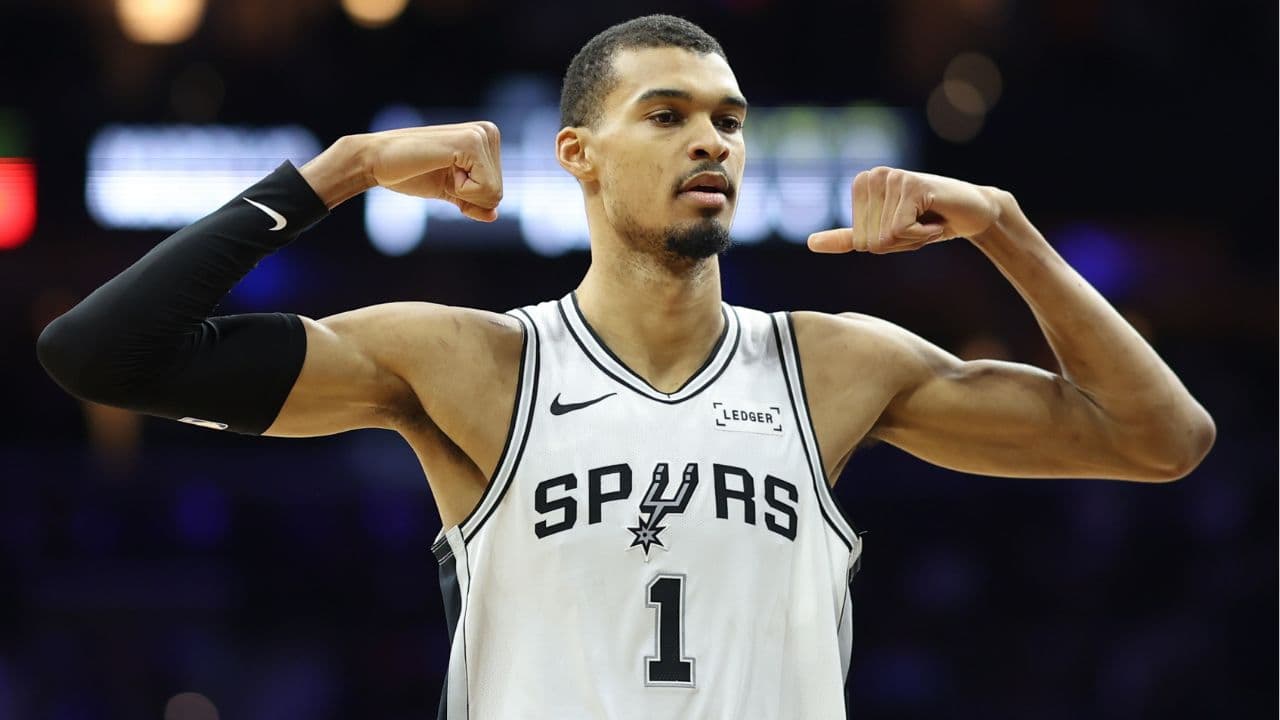
San Antonio Spurs forward Victor Wembanyama (1) reacts after his team scores against the Philadelphia 76ers during the second quarter at Xfinity Mobile Arena

When a deep vein thrombosis in his shoulder ended Victor Wembanyama’s 24-25 season, he decided to take recovery extremely seriously and turned to some rather unconventional methods to come back stronger. In the offseason, he traveled to Zhengzhou in China to study at a Shaolin monastery. Looking back on it, he feels it was the best decision he could have made.

The monastery in Zhengzhou is a place where visitors can learn about Chan meditation, Kung Fu, and traditional Chinese medicine. The experience was unlike anything the Frenchman had gone through before, and it is certainly something he could not have had while training or recovering on the court.

“It gave me a chance to experience things that I couldn’t have if I was only training for basketball,” Wembanyama said via Love magazine, before revealing what all he did that made the whole ordeal so special.

“I ran in the mountains for hours until my feet hurt and practiced a whole new range of movements, like lifting my foot above my head or jumping and kicking as hard as I could… It was perfect timing,” the San Antonio Spurs big man added.

Wembanyama has struggled with injuries since being drafted #1 in 2023. He played 71 games in his rookie season, but had minor niggles in his hip, ankles, and other parts of his lower body. The 24-25 season, proved to be worse, with the thrombosis affecting him deeply. His ambition was to go deep into the playoffs with the Spurs, and for that, he decided to push his body to the limit.

“Because of all the rehab and the long summer, I was able to force my body to overcompensate and do more things,” Wembanyama added.

Sign up to our NBA Newsletter

“Buckets and Riches”

Get weekly slam dunks of fascinating money stories with our newsletter, giving you front-row seats to how NBA stars earn, burn, and stash their millions.

To say it has worked would be an understatement. Wembanyama has dealt with a few injuries this season as well, but has not missed significant time. As a result, the Spurs are back at the top end of the table, currently #2 in the West, and have won nine of their last 10 games.

The aim is to win the NBA title, and if Wembanyama is healthy, he could lead the franchise to its first title since 2014.

About the author

Basketball Editor Somin Bhattacharjee first discovered the game during the 2014 FIBA World Cup. Not long after, he turned to the NBA and found himself drawn to the Golden State Warriors — right at the start of Stephen Curry’s rise. Over time, the admiration turned into full-blown support for the team, one that continues even as the Curry era approaches its twilight. A true hoophead, Somin also follows EuroLeague basketball closely and enjoys exploring the game beyond the NBA. Though holding a bachelor’s degree in marketing, Somin discovered his true calling in writing. Since 2021, he has penned over 3,000 articles for TheSportsRush, covering everything from breaking news to sharp opinion pieces and detailed exclusives. He thrives on writing about in-game moments and the reactions that make basketball a uniquely emotional sport. Beyond basketball, Somin plays different sports including soccer and remains a passionate fan of Spanish football giants Real Madrid

封面

SIXTH TONE ×

> ### Spurs to Shaolin: Inside NBA Star Wemby’s Secret Temple Retreat

A Shaolin master explains how kung fu and meditation training in China helped basketball prodigy Victor Wembanyama reach the next level.

By Fir Record

Apr 02, 20269-min read #sports#first person

Editor’s note: French basketball star Victor “Wemby” Wembanyama — leader of the NBA’s MVP rankings in March — spent 10 days last June receiving training in martial arts and meditation at China’s much-storied Shaolin Temple on the outskirts of Zhengzhou, capital of the central Henan province. Here, his master, Yan’an, who previously taught in the United States, shares how the 21-year-old San Antonio Spurs forward adapted to the rigors of monastic life.

I received a call last April asking whether I could help arrange for Victor Wembanyama, an exceptionally talented basketball player, to study kung fu at the Shaolin Temple. Although extraordinarily gifted, his highly specialized training with the Spurs had already pushed his physical capabilities to their limits. The team wanted to explore new methods to enhance his performance.

Basketball is not a game simply about physical confrontation. The barriers that limit performance are often invisible and intangible, such as the ability to stay composed when your team is trailing, controlling your emotions at critical moments, enduring mentally over a long season, and maintaining focus when the body is near breaking point.

For this reason, Wembanyama and his coaches saw in kung fu a kind of foundation that could help address these challenges — not specific techniques, but a philosophical system centered on focus and balance.

His visit was kept strictly confidential, but hundreds of fans got wind of the news and gathered outside the temple on the day Wembanyama arrived.

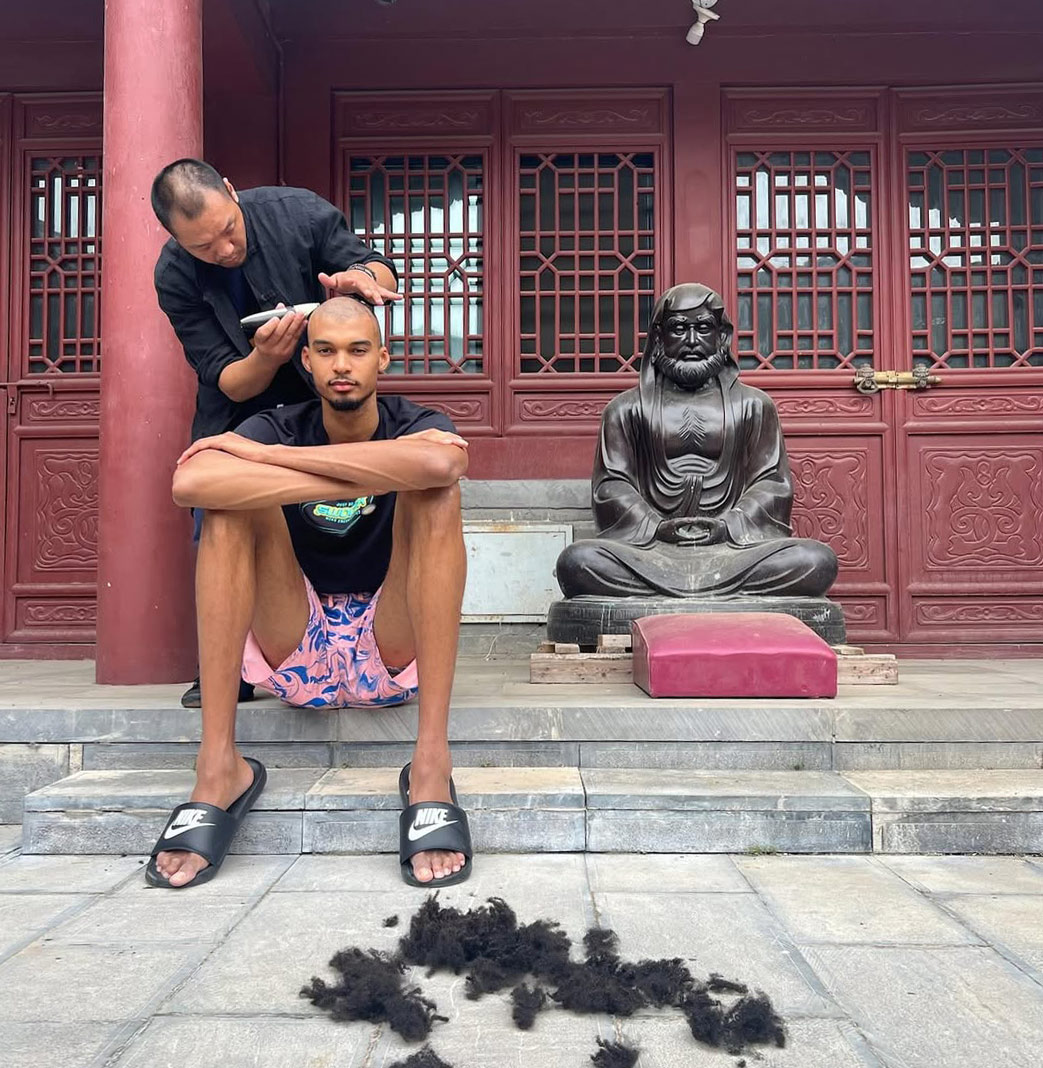
Once the player had settled in, the first question he asked me was, “Do I have to shave my head to become a true kung fu practitioner?” Yes, I replied. Without hesitation, he sat down on the stone steps beside a statue and let me shave off his wavy brown hair with a razor. There was no ritual, no audience. When it was done, he touched his head and smiled. That convinced me that his intentions were completely sincere — this wasn’t just a publicity stunt, as some had speculated.

introduction

Yan’an shaves off Wembanyama’s hair at Shaolin Temple, Henan province, June 2025. From @wemby on Instagram

Appetite for learning

The first problem we had to solve was accommodation. The beds in the monks’ quarters are about 1.2 meters wide and usually no longer than 1.9 meters. Wembanyama stands 2.24 meters tall — he wouldn’t even have been able to straighten his legs when lying down. So we found a room with three single beds and pushed them together to create an extra-long one.

Clothing was another challenge. Even the largest training uniform fit him like a compression shirt. I had contacted a factory in advance to have something custom-made, but the finished garments were still short.

On that first evening, Wembanyama and I had a formal discussion about his training, during which he outlined three core objectives: to improve his physical coordination and control in complex conditions; to explore physical conditioning modalities beyond traditional training methods; and to enhance his mental focus and inner stability. It was evident this young man knew exactly what he wanted.

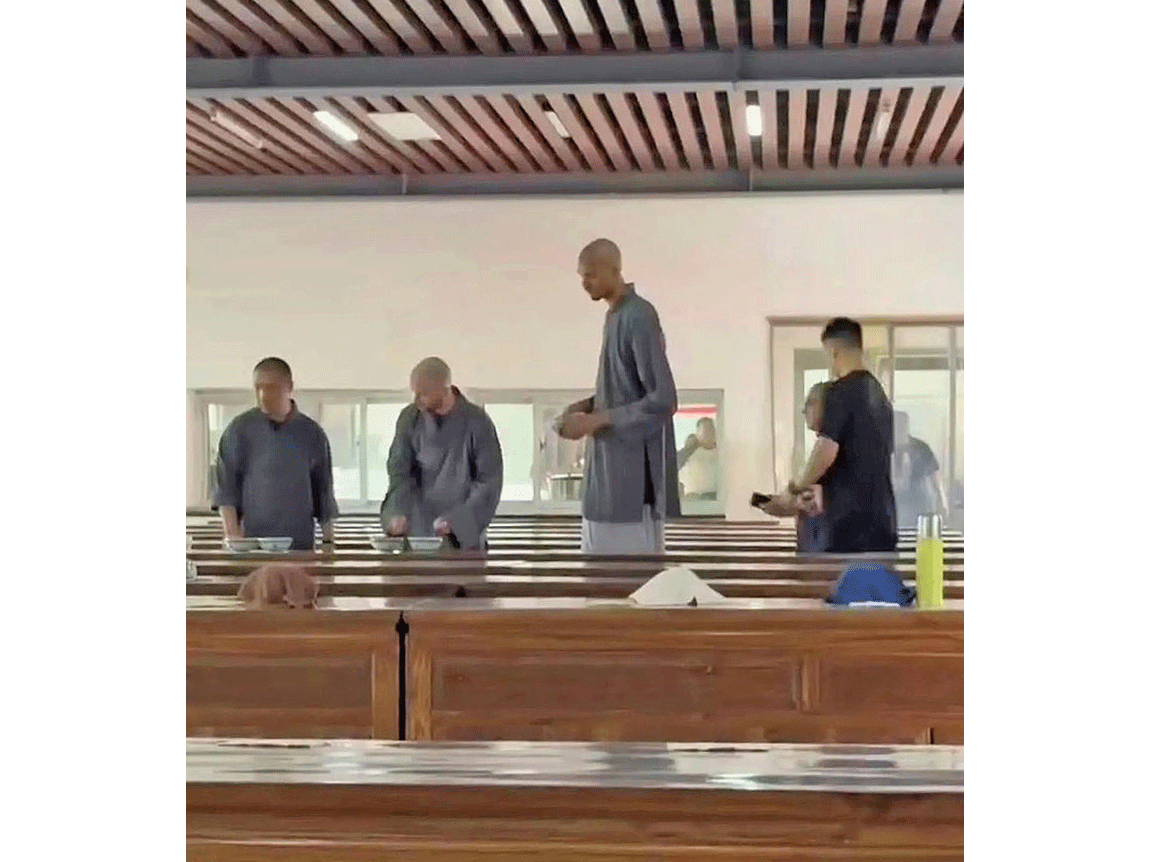
At the Shaolin Temple, Wembanyama’s day started at 4:30 a.m. Morning chanting began at 5 o’clock, when the monks would gather in the main hall. Wembanyama didn’t understand the words, but he stood solemn throughout. After, he would eat a typical breakfast of rice porridge, steamed buns, and pickled vegetables.

introduction

Wembanyama enjoys a meal at Shaolin Temple, Henan province, June 2025. From Dazhong News

Meat and strong-smelling foods, such as garlic and onions, are forbidden in the temple — a Buddhist precept that has been upheld for more than 1,000 years. However, a plant-based monastic diet cannot adequately meet the nutritional needs of a professional athlete who requires a substantial daily protein intake.

In the end, Wembanyama’s team arranged for someone to purchase meat-based meals and deliver them to a spot a few kilometers from the monastery, where Wembanyama would eat them in the car. They strictly observed the rules and never consumed meat on or near the monastery grounds.

Routine change

From 7 until 11 a.m., the NBA player participated in training sessions tailored to his basketball-focused goals and unique physique. Before designing his program, I carefully studied his usual routines. They were extremely professional but also highly specialized. By contrast, Shaolin’s core philosophy emphasizes versatility. With this in mind, we came up with three key training components.

The first was movement coordination. The training ground was rugged stone slopes along a 200-meter hillside track, where we had him jump and hop uphill, sprint and do frog leaps downhill, and balance on one leg.

At 2.24 meters tall, Wembanyama’s greatest challenge is gravity. With every jump, he has to overcome not only his immense bodyweight but also balance difficulties created by his high center of gravity.

I also drew on the force-generation techniques of Shaolin kung fu to develop his ability to maintain a stable center while resisting external force. On the court, Wembanyama is often double- or even triple-teamed. Being able to shoot while losing his balance was a crucial area to work on.

Lastly, we focused on jumping from unconventional starting positions. In basketball, players often have to jump while leaning or being pushed, so I designed a variety of drills on uneven surfaces to simulate in-game contact scenarios.

Lunch was from 11 to 12 o’clock, consisting of four vegetarian dishes and a soup, served with rice or steamed buns. Meals in the temple are taken in absolute silence.

Afterward came a three-hour period for rest and free time, which Wembanyama usually spent reading. He had brought books on philosophy, psychology, and kinesiology, the study of human movement. He also often used this time to interact with the young monks, teaching them basic basketball moves and shyly practicing the foundational Shaolin techniques they taught in return.

introduction

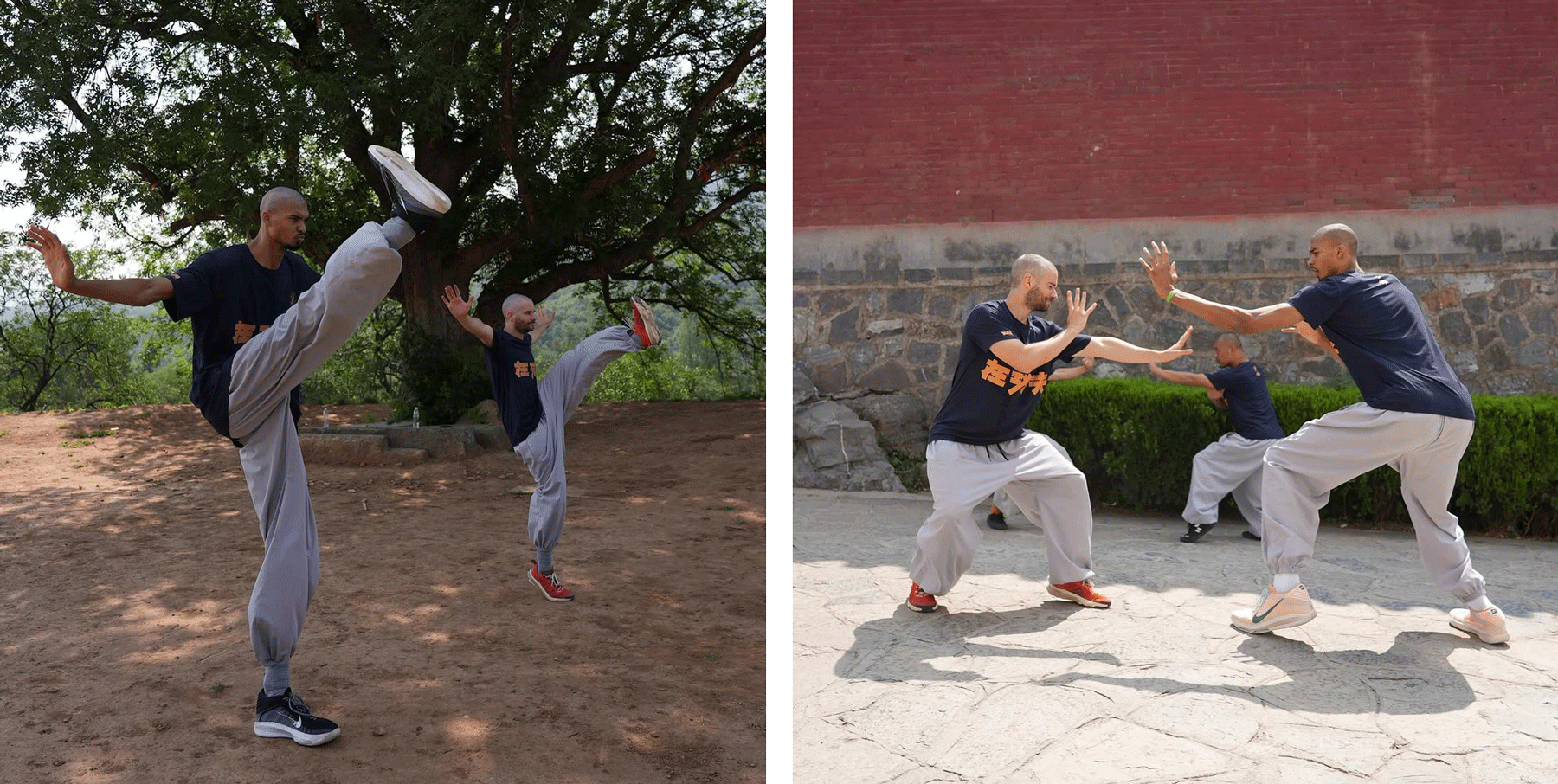
Wembanyama and his strength and conditioning coach receive martial arts training at Shaolin Temple, Henan province, June 2025. From @wemby on Instagram

In the afternoon, he received martial arts training, with a focus on the Shaolin 13 Fist Form, a foundational movement sequence. Though it looks simple, this routine demonstrates the core principles of force-generation and physical coordination.

Wembanyama displayed a remarkable capacity for learning. When I taught him another form, he could perform the entire sequence after watching me demonstrate just three times — most people need more than a dozen times.

The part Wembanyama struggled with most at first was evening meditation, when more than 100 monks gathered to sit cross-legged in complete silence. After his first session, he asked me, “Why do we just sit here?”

Later, I explained that meditation is a way of actively settling the mind. You must let go of everything external — your phone, social identities, unfinished tasks, even the thought “I’m meditating” — and face the present moment. Whatever feelings arise, the goal is to reach a state of inner freedom, where the mind is unhindered.

The lights went out promptly at 9 p.m. each night. Wembanyama barely touched his phone after lights-out, living in near-total disconnection from the outside world.

introduction

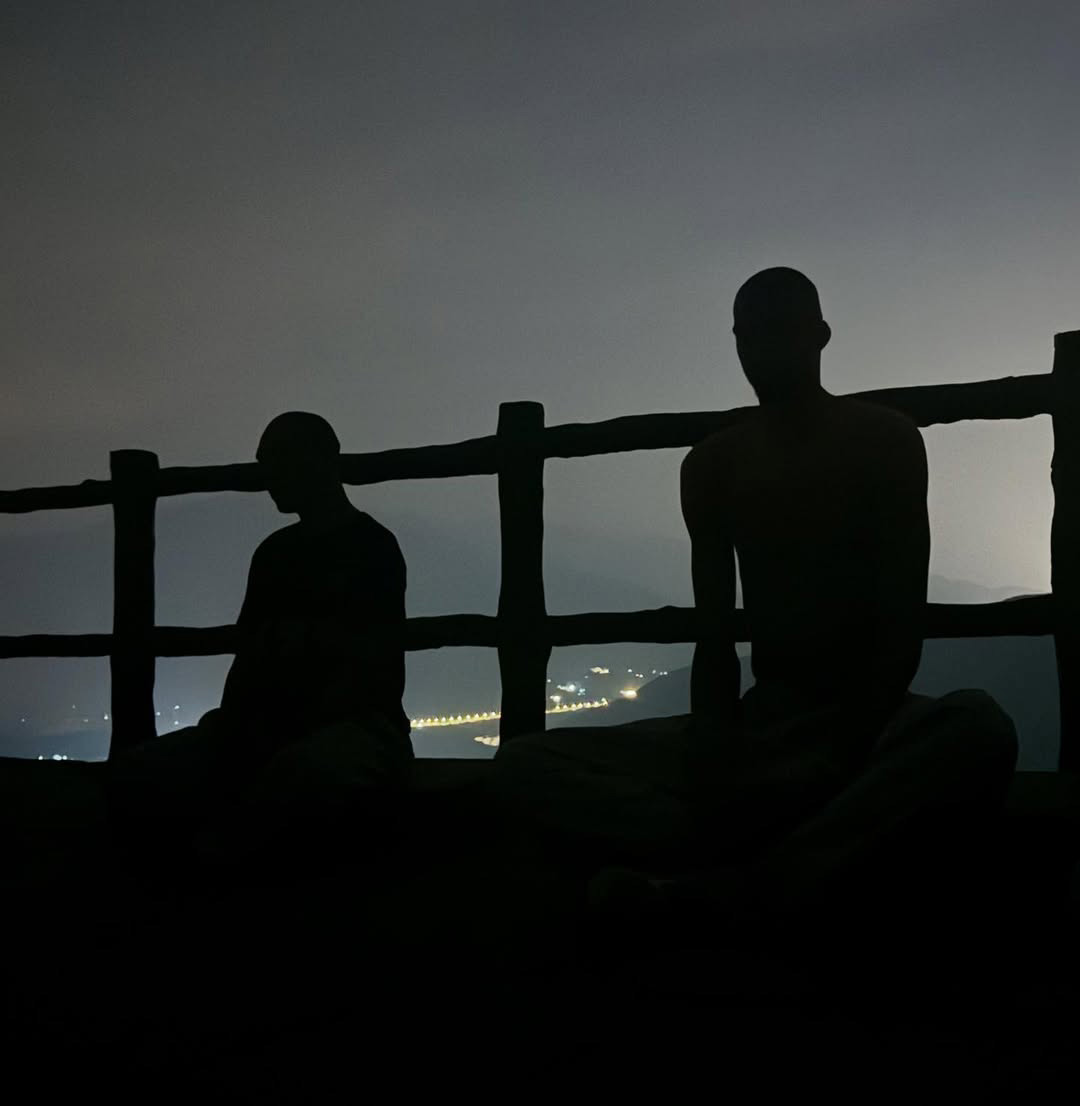
Wembanyama meditates at Bodhidharma Cave with his companion after a nighttime hike, Zhengzhou, Henan province, June 2025. From @wemby on Instagram

Enlightened in darkness

On the sixth day, Wembanyama asked me whether there was a way to “train my awareness.” So I arranged a nighttime hike to Bodhidharma Cave, in the mountains behind the Shaolin Temple.

For an average person, the climb takes one to two hours. The mountain path is steep and rugged, with no lighting at night.

Our small group set out at 9 p.m. — me, Wembanyama, his strength coach, and several Shaolin monks. Everyone turned off their flashlights and headlamps, relying only on the faint moonlight and their sense of touch to feel their way forward. The only sounds were the chirping of insects and the rhythm of our footsteps.

I felt slightly apprehensive — after all, he’s an NBA superstar; what if he slipped and got injured? But if one aspires to achieve the extraordinary, one must be willing to take on what others will not.

Climbing a mountain in darkness is an extreme form of sensory deprivation training. With our vision essentially rendered useless, one can rely only on hearing to determine direction, on touch to secure each step, and on balance to prevent falling. Only by stripping away external dependencies can one begin to perceive the world with one’s mind.

The mountain path was steep, with a sheer drop along some sections. Wembanyama walked in the middle of the group, protected by monks in front and behind. We had chosen a relatively safe route, but there were still inherent risks.

I can clearly recall the sound of his breathing — steady and deep throughout, without the slightest hint of panic. He took each step with exceptional care, meticulously feeling each foothold with his hands before committing his weight, his concentration pushed to its absolute limit.

An hour later, we reached Bodhidharma Cave. Wembanyama sat cross-legged on the flat ground and began to meditate. In that moment, I saw a completely different Victor Wembanyama — no longer the dazzling NBA superstar but a man quietly seeking inner peace.

Later, he posted a photo on Instagram of him sitting in front of the cave in the darkness, his faint outline illuminated by the moonlight. That was perhaps the happiest night of his retreat. He told me that feeling fully immersed in the moment was truly special.

This journey deepened Wembanyama’s understanding of awareness. On the court, he needs to make split-second judgments in a highly dynamic environment. He realized that the awareness cultivated in the darkness could help him better respond to various in-game scenarios.

introduction

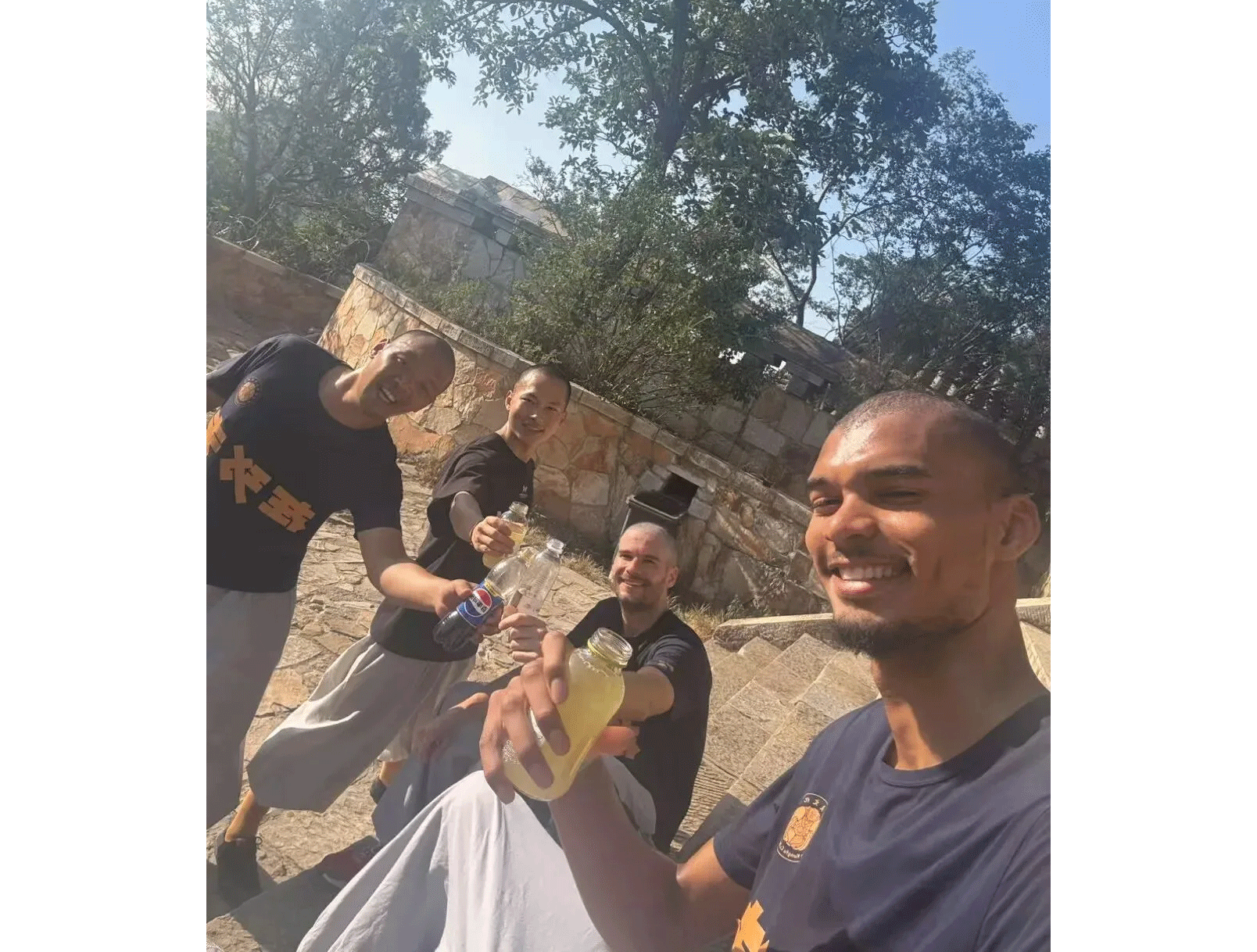
From right to left, Wembanyama, his strength and conditioning coach, a young monk, and Yan’an at Shaolin Temple, June 2025. Courtesy of Yan’an

From pool to open water

Wembanyama’s height is an unparalleled advantage in basketball, but it was an obstacle during the early stages of his martial arts training.

Standing meditation is a fundamental practice in Shaolin kung fu. It requires standing in a fixed position with the knees slightly bent for extended periods. For taller individuals, this can put immense pressure on the knees and ankles.

Flexibility training was another major challenge, with exercises including side splits, front splits, kneeling splits, and deep backbends. These are challenging for any beginner, and Wembanyama was no exception. When I helped him stretch, his expression showed obvious discomfort, but he gritted his teeth and persevered.

Beyond quickly mastering the Shaolin 13 Fist Form, he also displayed a natural talent for languages. I had arranged for a teenage monk to train alongside him. During practice, I had the monk count out in English and Wembanyama in Chinese. The monk’s English was halting, and he often got stuck at seven or mixed up the order. Wembanyama also made frequent mistakes in Chinese at first, but by the end of the retreat, he was already able to count backward from 50.

During his stay, Wembanyama almost never brought up the topic of basketball. He treated the retreat as one of the most important commitments of the year and was completely devoted. On his final morning, he packed his belongings, neatly folded his robes, and pushed the three beds back to their original positions before saying his goodbyes.

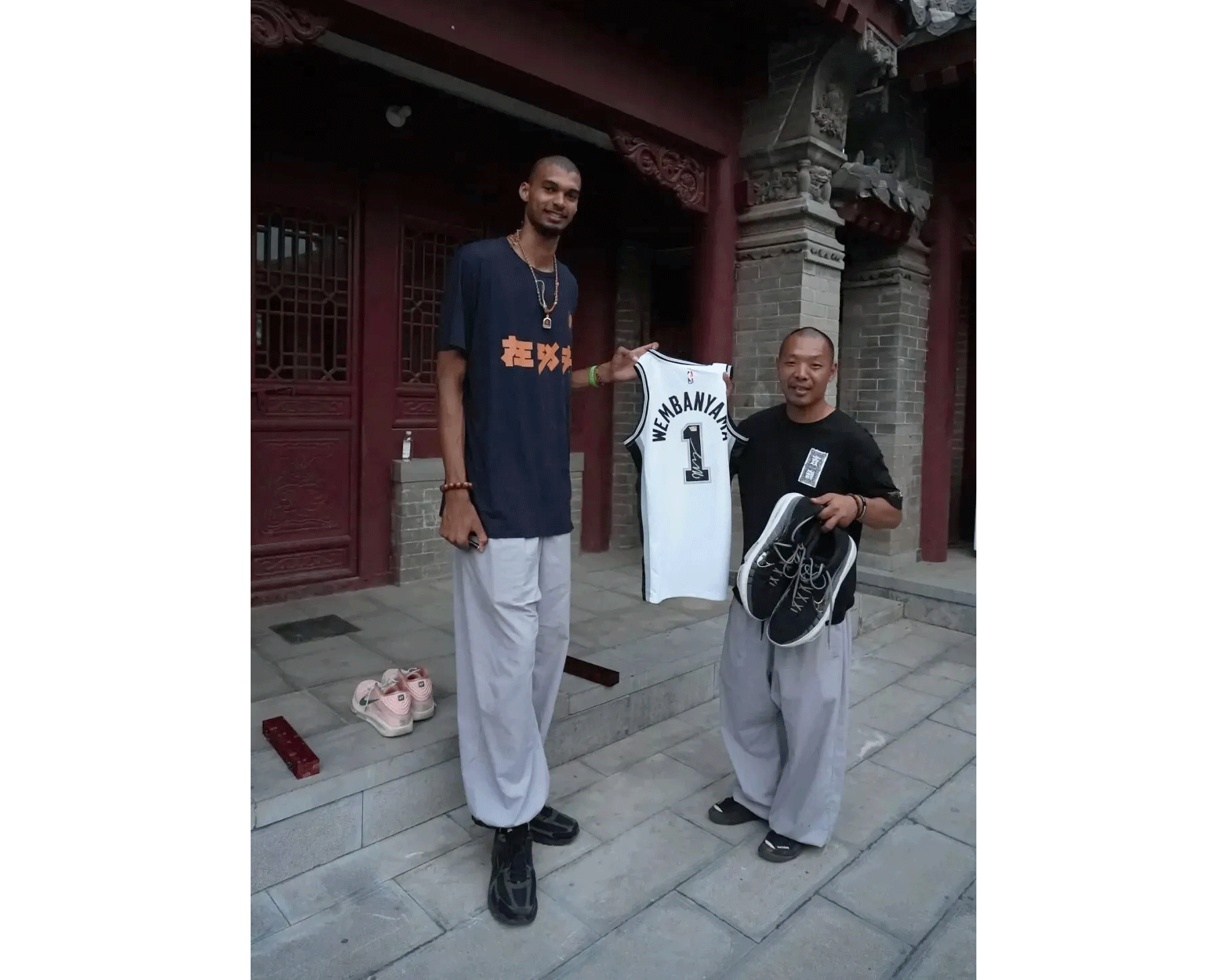
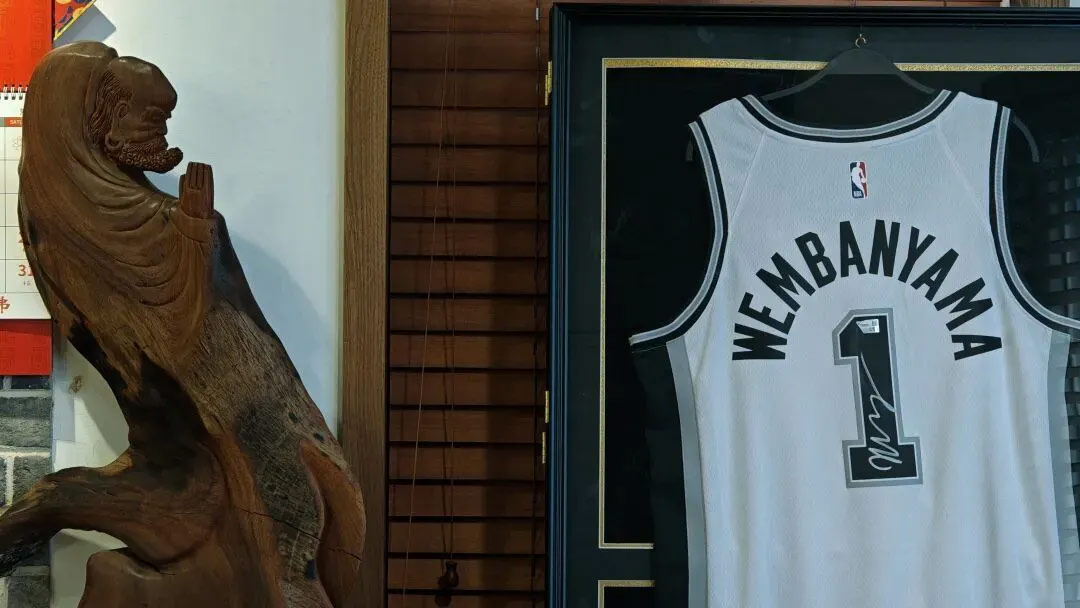
He gave me two gifts: one was a San Antonio Spurs jersey that he had worn, and the other was a pair of custom basketball shoes that he had used in training. In return, I gave him a red string bracelet with a bead engraved with the character “yong.” In Chinese culture, red symbolizes good fortune and peace, while yong represents the philosophy that “courage leads to the greatest good” — core tenets of Shaolin and indispensable qualities on the basketball court.

introduction

Wembanyama gifts a jersey and shoes to Yan’an. Courtesy of Yan’an

introduction

Wembanyama’s San Antonio Spurs jersey, now in Yan’an’s office. Courtesy of Yan’an

I like to use an analogy to explain the relationship between Shaolin and NBA training. Wembanyama’s previous program was like swimming in a pool — professional, efficient, standardized. Shaolin training is like swimming in the sea — exposed to wind, waves, hidden currents, and uncertainty.

These two systems develop different dimensions of ability. Basketball training taught him how to score a basket; Shaolin training taught him how to maintain the right physical and mental state for a range of unpredictable situations.

Now, whenever I think of Wembanyama, the image of him meditating at Bodhidharma Cave comes to mind. In that image, there is no sports star, no commercial endorsements, no millions of social media followers. There is only a young man on a mountaintop in a foreign land, searching for a state of mind that transcends sport, talent, and perhaps even the self.

As told to reporter Dong Sheng.

A version of this article originally appeared in Fir Record. It has been translated and edited for brevity and clarity, and is republished here with permission.

Translator: Carrie Davies; editors: Wang Juyi and Hao Qibao.

(Header image: Visuals from @wemby on Instagram and VCG, reedited by Sixth Tone)

More on Wemby. He really deserves his own indie thread here but I’m not doing that today.

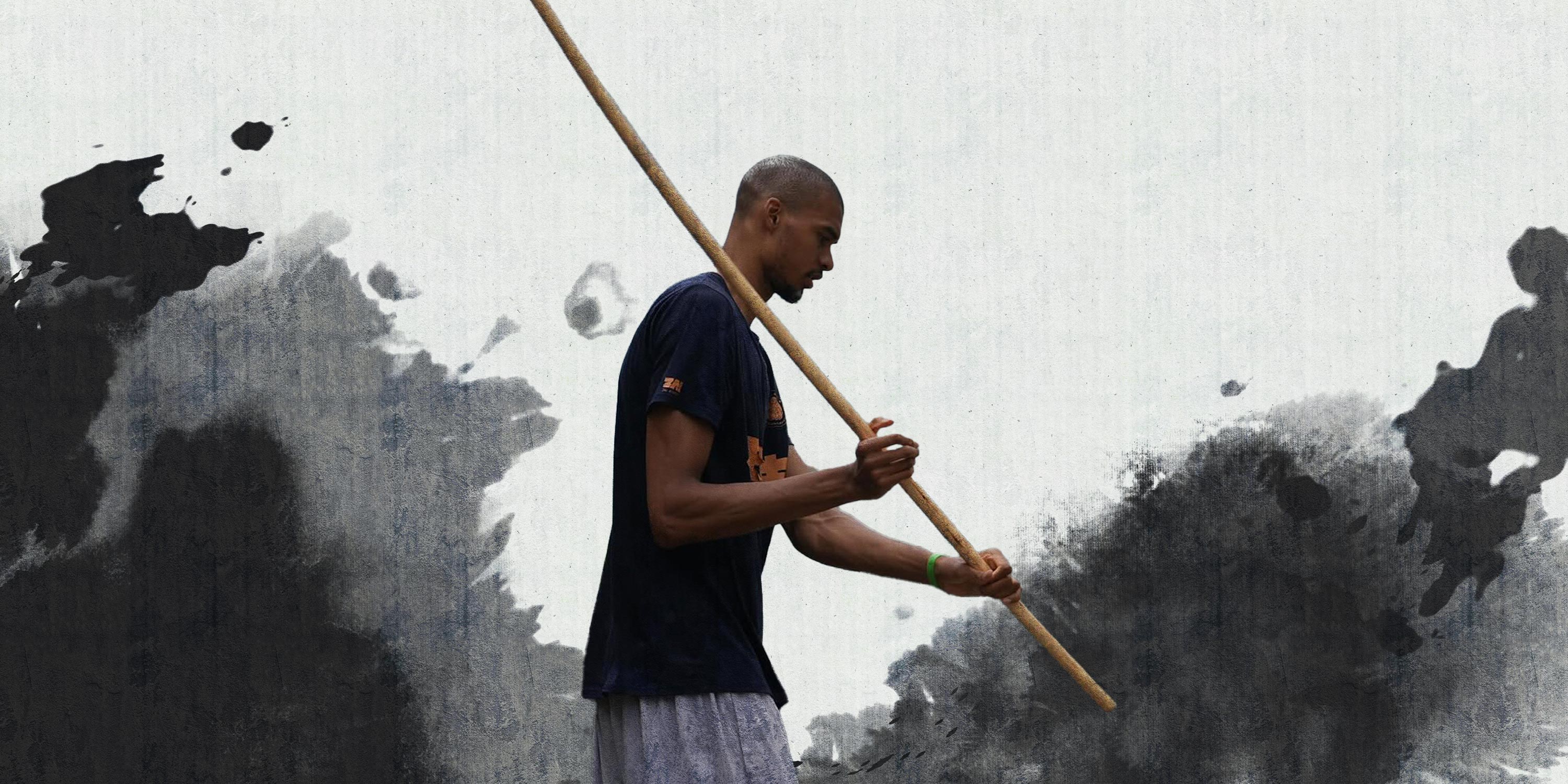
Inside the Shaolin monastery that helped build Victor Wembanyama

  • Ramona ShelburneMay 20, 2026, 07:00 AM ET

MASTER YAN’AN HAS trained at the Shaolin Temple in the Henan province of China since he was 6 years old. He has climbed the roughly 1,500 stone steps up Wuru Peak to the Bodhidharma Cave thousands of times. None of the steps is the same size or height. Some are narrow; some are tall. During the day, tourists who visit the temple usually take one to two hours to reach the peak. It is not advised to climb at night. There are no lights along the trail, and one wrong step could send a hiker tumbling down the steep staircase.

But Master Yan’an had an unusual student last summer. San Antonio Spurs All-NBA center Victor Wembanyama was looking for a challenge that would test him in ways he’d never been tested before. He wanted to build his inner strength alongside his already prodigious physical strength.

His goals, he said, transcended mere athletic glory.

“I told him: You play basketball, and I do kung fu. If you want to be great, you have to do things that other people can’t do,” Master Yan’an told ESPN. “There are two parts to climbing the mountain. The daytime is for your body. Your endurance, your strength. The nighttime is for your mind. Your awareness.”

Wembanyama understood.

After darkness fell on the sixth night of his retreat at the Shaolin Temple last summer, he joined Master Yan’an and a group of monks for a hike to the Bodhidharma Cave.

“There were no lights anywhere,” Master Yan’an said. “You can’t see anything. The only way to go is step by step. Listen to your breath and listen to your heart. Feel each step with your foot. Use your awareness.”

Two staffers from San Antonio who had accompanied Wembanyama expressed their reservations. Master Yan’an worried, too. He’d been entrusted to train a global icon, a generational talent, and they were about to embark on a treacherous mountain path in total darkness.

“He’s really young, and he has a really great future in basketball,” Master Yan’an said. “He’s also very tall, so he hit his head on some of the trees along the path and had to lean forward to go under them.” But the entire point of this training, he said, was to free your mind from fear and trust your awareness to guide you.

The group walked and climbed for about an hour, a moving meditation in darkness and silence.

Throughout his time at the monastery, meditation had been the most difficult aspect for Wembanyama to embrace. It’s hard for someone 7-foot-4 to sit cross-legged at all, let alone silently for up to 90 minutes, without moving.

But he kept at it. Each night he slept in three single-size beds that had been pushed together to accommodate his frame. Each morning he rose at 4:30 to train. The monks would have him run through the forests near the monastery or along an uneven 200-meter hillside track, doing frog jumps, sprints and one-legged hops uphill and downhill to build his balance and stamina.

They taught him the Shaolin 13 Fist Form – one of the two basic forms of kung fu meant to teach efficient weight shifts, stability and striking principles.

Master Yan’an said he designed Wembanyama’s customized martial arts training to emphasize controlling his center of gravity, which would generate force from different positions and resist external forces, to mimic the double-teams and physical play he’d face from NBA opponents.

Several times a day Wembanyama meditated with 100 other monks, each session’s length determined by the length of the wick of incense that burned in the center of the room. Thirty minutes was doable. But sometimes the incense burned for 90 minutes, and it was agonizing for the then-21-year-old Wembanyama to sit that long.

“I knew he could do it,” Master Yan’an said. “Because when he trains, he always tries again and again until he is the best.”

Master Yan’an recognized then what the basketball world is recognizing now: that Victor Wembanyama has perhaps the most unprecedented set of skills and untapped potential anyone has ever seen, and that he requires a similarly unprecedented training regimen to realize it.

This is the story of how 34 generations of Shaolin warrior history trained a once-in-a-generation NBA superstar – helping to build the player who not only dominated the league’s best team in Game 1 of the Western Conference finals with frightening ease, but who also looks poised to do so for the rest of his nascent career.

The 22-year-old Wembanyama, after spending nearly two weeks training with Shaolin monks in central China last summer, has led the young Spurs to the Western Conference finals. Joe Murphy/NBAE via Getty Images


WEMBANYAMA’S VISIT TO the temple had been kept as confidential as possible, but there is only so much that can be done to conceal a 7-foot-4 global superstar traveling through central China in Nike Tech sweats.

Hundreds of fans gathered outside the temple, cell phones in hand, on the day Wembanyama was set to arrive, and throughout his stay videos of him training went viral worldwide in real time. One of the most recognizable athletes on the planet was training in kung fu with Shaolin monks, wearing their robes and shaving his head as he embraced their monastic lifestyle.

It was a striking scene.

Wembanyama ate the same strict vegetarian diet as the monks while he was there, in accordance with Buddhist principles.

But several times a day, his team arranged for a Sprinter van to pull into the monastery, pick up Wembanyama and drive him outside the walls of the temple, where someone would deliver a high-protein meal from a local restaurant. He would eat it inside the Sprinter van, dispose of any remaining meat, then be driven back inside the temple.

Every bit of the experience seemed authentic, which made it that much more unbelievable to witness.

Why was he there? What was he looking for? What did he find?

Over the past year, Wembanyama has given several different answers to those questions. In late June he said that he’d gone there to “put my body through things it isn’t used to” during a live episode of “The Shop” at Fanatics Fest.

In December he told ESPN’s Malika Andrews that he was intrigued by the way the monks trained and believed it would help him fulfill his potential by developing his mind and body in new ways.

"I was just looking at this video of a monk holding the feet of the guy and he goes up and down the stairs … and I was just thinking, ‘I’m not able to do these things physically right now. My body still has some areas to fill and some areas to develop.’

“It’s always been – I can’t say always been – [but] for some years it’s been very important for me to develop my body into what it can be and fulfill the potential as much as possible.”

Master Yan’an and Wembanyama woke each day at 4:30 a.m. and trained and meditated until nearly sundown. Courtesy of Yan’an

Master Yan’an has a different theory.

“If you dare to fight, you should have courage,” he said. “So, we are teaching how to be courageous. To build courage.”

Master Yan’an watched Wembanyama’s transcendent 41-point, 24-rebound performance in the Spurs’ Game 1 win over the Oklahoma City Thunder from Shanghai. He noticed Wembanyama’s endurance in playing a career-high 49 minutes. He noted the body control Wembanyama displayed in making off-balance, one-legged shots as he was being shoved by defenders.

He’d trained Wembanyama to keep his center of gravity intact through contact, even off one leg.

But mostly he noticed the resolve in Wembanyama’s eyes, he said.

“He’s so special, you can feel that from his eyes,” Master Yan’an said.

Through a video chat on WeChat, Master Yan’an seemed to mimic the steely gaze Wembanyama makes when he is in the peak of his basketball flow.

“Power comes from inside,” he said. “I would look at him and say: You are not a cat; you are a tiger. For power to come out, you have to change the inside first.”

Once Wembanyama did, Master Yan’an said, he could challenge him to do something nobody else could do.

One day he told Wembanyama to dribble a basketball up another dangerous mountain route to Sanhuangzhai, a monastery deep in the Song Mountains. The hike traversed cliffside plank paths, suspension bridges and ancient forests, and was five times as long as the one to Bodhidharma Cave. The trail forces you to climb roughly 2,500 feet in elevation across uneven ridges and stone.

Master Yan’an said it would take an average person seven to eight hours to reach the end.

Wembanyama did it – while dribbling a basketball – in four and a half.

“Talent is not enough,” he said. “You need to put in the work, too. Victor has both. He has hard work, and he has talent.”

The customized training regimen focused on Wembanyama’s center of gravity, building strength to endure an NBA that will try more and more to overpower him. wemby/instagram


THE SHAOLIN MONASTERY in China’s Henan province was founded in the late fifth century. The monks who lived there gained a reputation as warriors when they fought on behalf of future Emperor Li Shimin during the Battle of Cypress Valley Fort in 621 A.D.

A version of the story was featured in Jet Li’s debut film in 1982, “Shaolin Temple,” in which 13 staff-wielding Shaolin monks defeated the enemy army during a midnight raid that ultimately helped secure the Tang Dynasty.

The monks who train at the Shaolin Temple today practice a form of kung fu derived from those same monks over 1,500 years ago.

Master Yan’an is a 34th-generation warrior monk, an inheritor of the Shaolin Temple.

He has taught thousands of students in China and the United States. He was chosen to work with Wembanyama for a number of reasons, among them his fluency in English from having lived for seven years in Los Angeles and Washington, D.C.

Wembanyama’s agent, Bouna Ndiaye, first contacted him in April 2025, soon after Wembanyama had been cleared to resume physical activities following surgery to address a blood clot in his shoulder that prematurely ended his second NBA season.

After researching martial arts masters and forms from all over China, India and Japan, Ndiaye decided that the retreat offered by the Shaolin Temple was the best option for Wembanyama.

But before he sent one of the most recognizable athletes in the world into intense training in the middle of central China, Ndiaye arranged to scout the situation himself first.

To get there he flew to Beijing, then took a high-speed train about two to three hours to Zhengzhou, then hopped on a bus for another two hours to Dengfeng City.

The monastery and accommodations would be extremely basic – a bed, or, in Wembanyama’s case, three, and a dresser. The days would be extremely long – six to eight hours per day of training, in addition to hours of meditation – and challenging.

Ndiaye relayed all of this to Wembanyama upon his return.

Wembanyama was unfazed. He was intrigued by the discipline and challenge. By what it might unlock in him and what it might help him let go of.

The blood clot in his arm had shaken him to his core.

“I needed time to find myself again and then to get better,” Wembanyama said in December. "It’s the best example that life is short, [your] career is short, and can end just like this. So there’s no time to waste.

“That’s a great motivation. That’s better motivation than I could expect from anything else.”

When Wembanyama first learned of the retreat and its program, he was intrigued by the challenge – by what it might unlock in him and what it might help him let go of. wemby/Instagram


OVER THE PAST three decades, Ndiaye has represented some of the best players to come from France: Rudy Gobert, Nicolas Batum, Evan Fournier. He has known Wembanyama’s family for almost as long. Wembanyama’s mother, Elodie, even coached Ndiaye’s son when he was just 5 years old.

He always has understood the responsibility in representing a player with Wembanyama’s natural athletic and mental gifts. But as Wembanyama has grown into his extraordinary talent, Ndiaye has also come to see it as a privilege.

“I am always trying to think ahead and see how we can train this kid differently, because he’s different,” Ndiaye said. “We have to do something for him, not just do something with him.”

Last April, he called Los Angeles Lakers general manager and president of basketball operations Rob Pelinka, who represented Kobe Bryant for much of his career, and scheduled a lunch.

The reason was simple.

“The way they think is different,” Ndiaye told ESPN. “The way they play, the way they stretch themselves. Just their curiosity. How they study and watch things. They’re both very creative on how to solve a problem.”

Wembanyama’s problem to solve last spring, Ndiaye said, was how to be more physical on the court without bulking up. How to get stronger without losing the flexibility and athleticism that make his body so unique. How to move differently so he could impose his will and his length and his prodigious skill set inside the 3-point line, where his opponents usually choose a player 30 to 50 pounds heavier to rough him up.

“Basically he wanted to have a physical transformation so he can run forever and use his physical tools to get closer to the basket,” Ndiaye said. “And then he wanted to be challenged.”

Mentally, physically, spiritually. Challenged in every way a supremely conditioned athlete who already pushes himself harder than most humans can be challenged.

Pelinka listened while Ndiaye talked. He knew the type.

Bryant used to do that, too, he told him. One summer Bryant had become obsessed with studying how great white sharks hunt and attack their prey. So it became Pelinka’s job to find him the best place in the world to do that – which is apparently Guadalupe, an island 150 miles off the coast of Baja, Mexico, where you can go cage diving in the crystal-clear waters.

Bryant would later write in The Players’ Tribune in 2017 that his study of great whites helped him defend Allen Iverson.

Then there was Bryant’s obsession with the Sistine Chapel. Pelinka arranged for him to travel there one summer for a private tour guided by an art historian.

Bryant was fascinated by how Michelangelo had painted a three-dimensional masterpiece while lying on scaffolding in a space without abundant natural light, Pelinka told Ndiaye.

The lesson was not about the techniques used but the vision and perseverance to create something extraordinary under impossible conditions.

Ndiaye nodded along as Pelinka recounted these stories, both men delighting in the intellectual curiosity each of their star clients brought to their craft.

“I wanted to understand how Kobe did things,” Ndiaye told ESPN. “So that we could learn from him. Victor is not like anybody else. We have to be creative to build programs that are unique to him.”

LEGEND HAS IT that Bodhidharma, the monk credited with bringing Zen Buddhism to China, climbed Wuru Peak in 527 A.D. and meditated in a cave near the top, facing a stone wall, for nine years.

There were no steps back then, only a wild, mountainous trail. Over the past 1,500 years Shaolin monks have cleared the thick forest trail and laid stone steps so others can also make the pilgrimage.

Ndiaye can’t say if Wembanyama’s nighttime trek up that peak is what led him to have the kind of night he did in Game 1 of the Western Conference finals – or the kind of season he had.

But he can say that his client looks and plays differently this season – Wembanyama averaged three fewer 3-point attempts per game than last season – more than ever before.

He’s moving differently, like a tiger. Like he has already arrived.

“The way that he’s behaving in terms of mental strength is something that I haven’t seen before,” Ndiaye said. "There’s pressure in all these situations now. He has the awareness of that pressure and that he’s an important piece of a team that is trying to win a championship. And I think he’s leading perfectly – which is leading without being an a–hole.

"No. 2, his conditioning is second to none. We’re getting into that period of the year where you’re playing every other day, and Victor is still looking so good physically, and I think this is the result of all this work.

“He was running every day last year, every day. Running everywhere, always outside, up the walls in China, up the mountains, in the forests. When he got back to the States. He just ran everywhere, and he’s so fast. No one can follow him.”

And if he keeps going down these paths, maybe no one ever will.

ESPN’s Charles Lin and Michael Wan contributed to this story.
Sounds like a PR move, which is good since it means Shaolin still has someone’s approval up there. This cow still got some milk in there!