Mahjong

political games

[URL=“https://www.scmp.com/news/hong-kong/society/article/3025147/mahjong-parlours-and-fujian-gangsters-how-peaceful-new”]
Mahjong parlours and ‘Fujian gangsters’: how the peaceful New Territories town of Tsuen Wan became a flashpoint in Hong Kong’s protests
The former industrial suburb was rocked by clashes between anti-government protesters and suspected triads on successive weekends
Outbreaks of violence and subsequent clashes with police have shocked locals, who believed town to be safe
Mandy Zheng
Published: 10:00am, 31 Aug, 2019
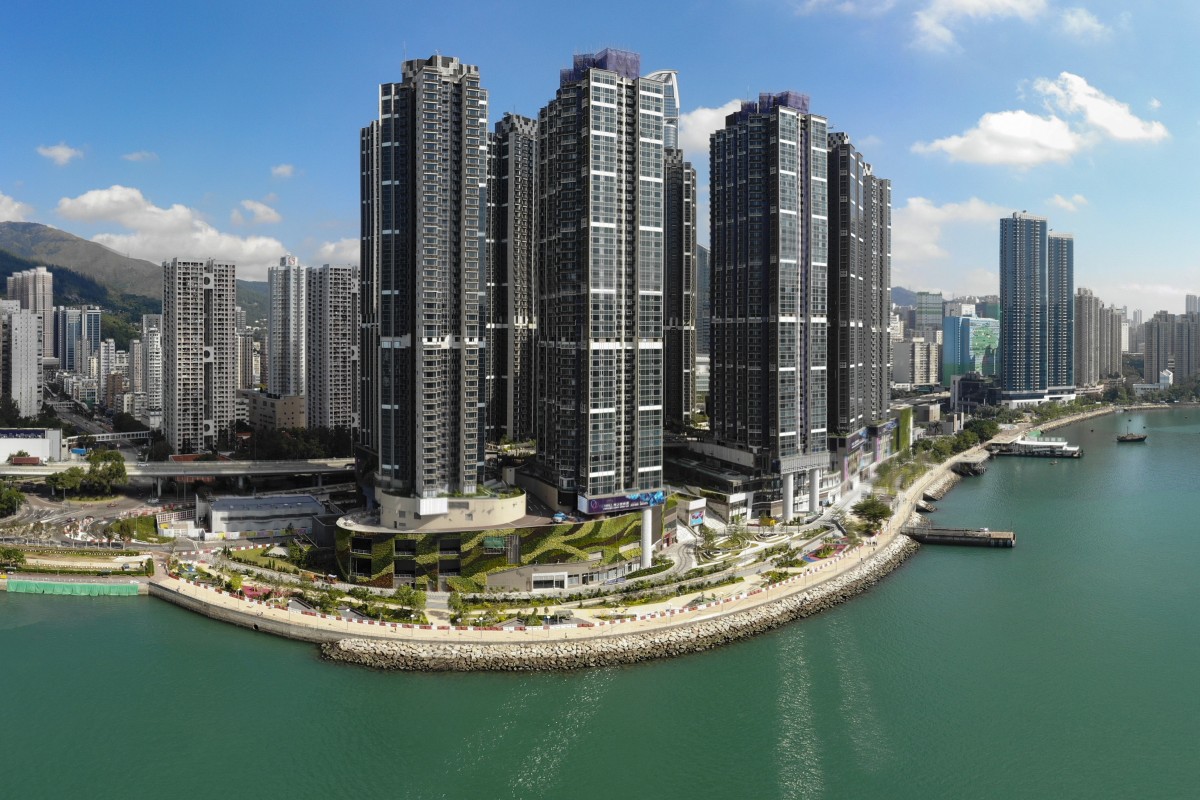

Located near the coastal line with sufficient water resources, Tsuen Wan gained popularity among mainland business owners in the mid-20th century, who established cotton mills and enamel factories in the region. Photo: Martin Chan

“Compared with Central, the only thing Tsuen Wan doesn’t have is luxury stores,” Eva Chan Yee-wah jokes.
For the 26-year-old Tsuen Wan resident, her neighbourhood is time-worn yet vibrant and well-established.
“My friends and I seldom leave here to hang out, because we’ve got everything – tons of shopping malls, great food, a museum and a library, even bars for those who crave nightlife.”
But things have somehow changed since a month ago.
“Now I don’t go out alone at night any more,” says Chan, a young mother.
It all started when locals witnessed a violent incident at 11pm on August 5, during which protesters got into fights with a group of men dressed in white and wielding knives. At least four people on either side were injured, some with deep lacerations and bloody wounds.
Earlier that day, a strike against the now-shelved extradition bill took place at eight locations around Hong Kong, including Tsuen Wan. It was the first time that the western New Territories town had seen protesters besieging a local police station, and eventually confronting suspected “Fujian gangsters” based in the area.
Another brawl took place a week later in the small hours of August 12, when men dressed in white T-shirts attacked black-clad protesters, an incident that soon escalated into a bloody conflict where each camp used weapons such as knives, glass bottles, bricks and bamboo sticks.
The scene broke out at Yi Pei Square, home to the Fujianese community which is widely regarded as pro-government. Some from the area are rumoured to be members of local gangs who took part in the former clash between protesters and residents.
When protesters took to the streets in Tsuen Wan again last Sunday, some raided Mahjong parlours and gaming centres at Yi Pei Square, as they believed these were owned by triads.
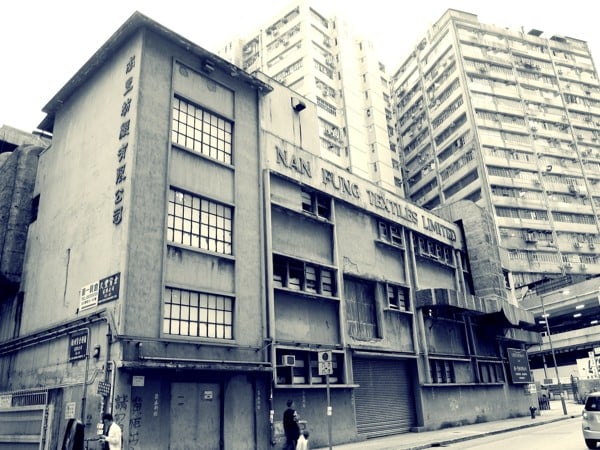

One of the textiles factories that thrived in Tsuen Wan in the late 20th century. Photo: Handout

When police soon came to stop them from vandalising businesses, an officer fired a shot into the air amid chaos at nearly 9pm, marking the first time live ammunition had been used in the 12 weekends of anti-government protests.
“I was astonished when I learned the police actually fired. I never thought Tsuen Wan would become this unsafe,” says local resident Lee Sheung-man, 26.
So why is Tsuen Wan known as a notorious hub of mahjong and gambling parlours controlled by Fujian gangs, which other districts are their strongholds, and how has this one has turned into a recent protest battlefield?

A triad hub?

Hong Kong saw a flood of mainland Chinese immigrants in 1949 after the founding of the People’s Republic of China. Located near the coast with sufficient water resources, Tsuen Wan soon gained popularity among mainland Chinese business owners, who established cotton mills and enamel factories in the region. By 1971, it had become the largest industrial area in Hong Kong, accounting for about 20 per cent of the city’s total output value.
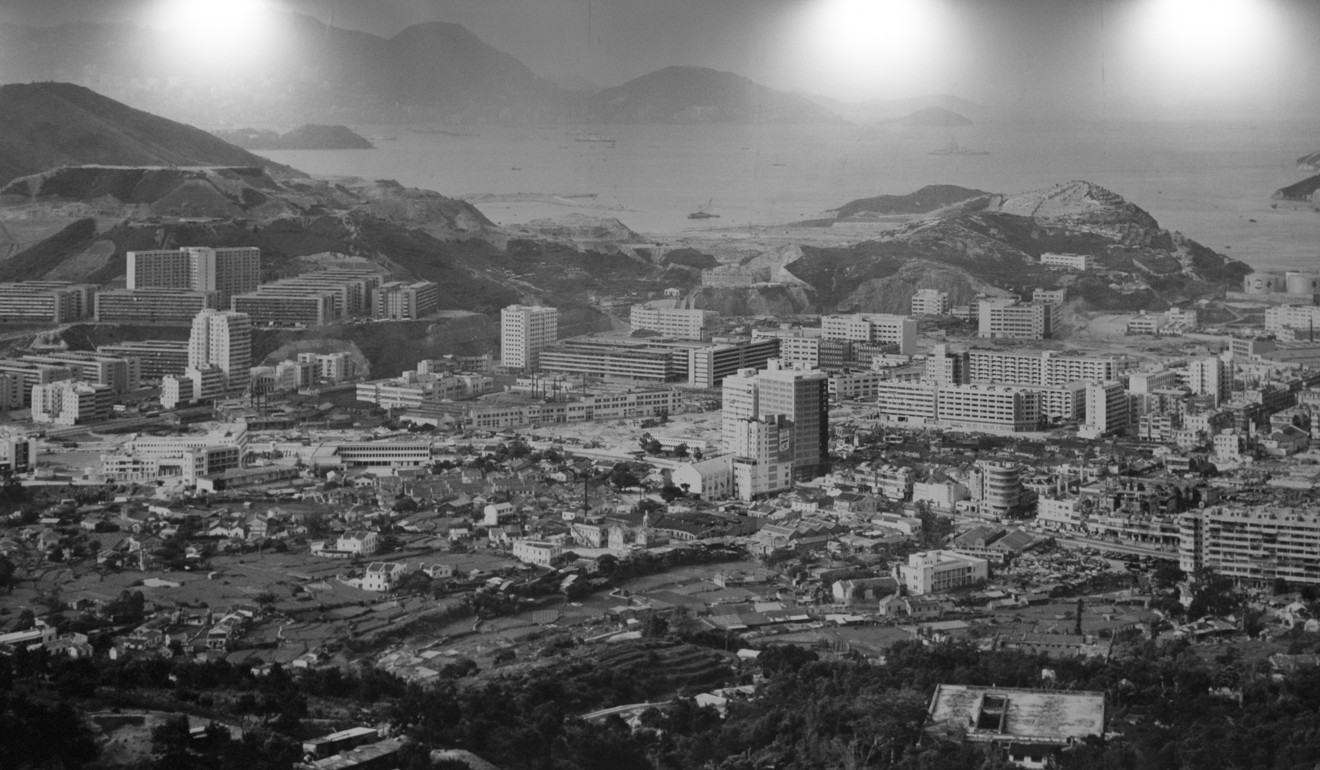

A view of Tsuen Wan in the early 1960s. Photo: Handout

As job opportunities increased, workers from Shanghai and Fujian swarmed into these factories and gradually formed clannish communities. Since then, the Yi Pei Square area has turned into one of the neighbourhoods with a distinguished population of Fujianese immigrants.
“Yi” literally means “the second” in Cantonese, and Pei Square is a unique example of residential design in Tsuen Wan. Typically in such a neighbourhood, four lines of tenement buildings laid out in the shape of a square create an encompassed area, at the centre of which residents can gather and hang out, free from disturbance from the outside world. There are restaurants and leisure facilities on the ground floors of the buildings.
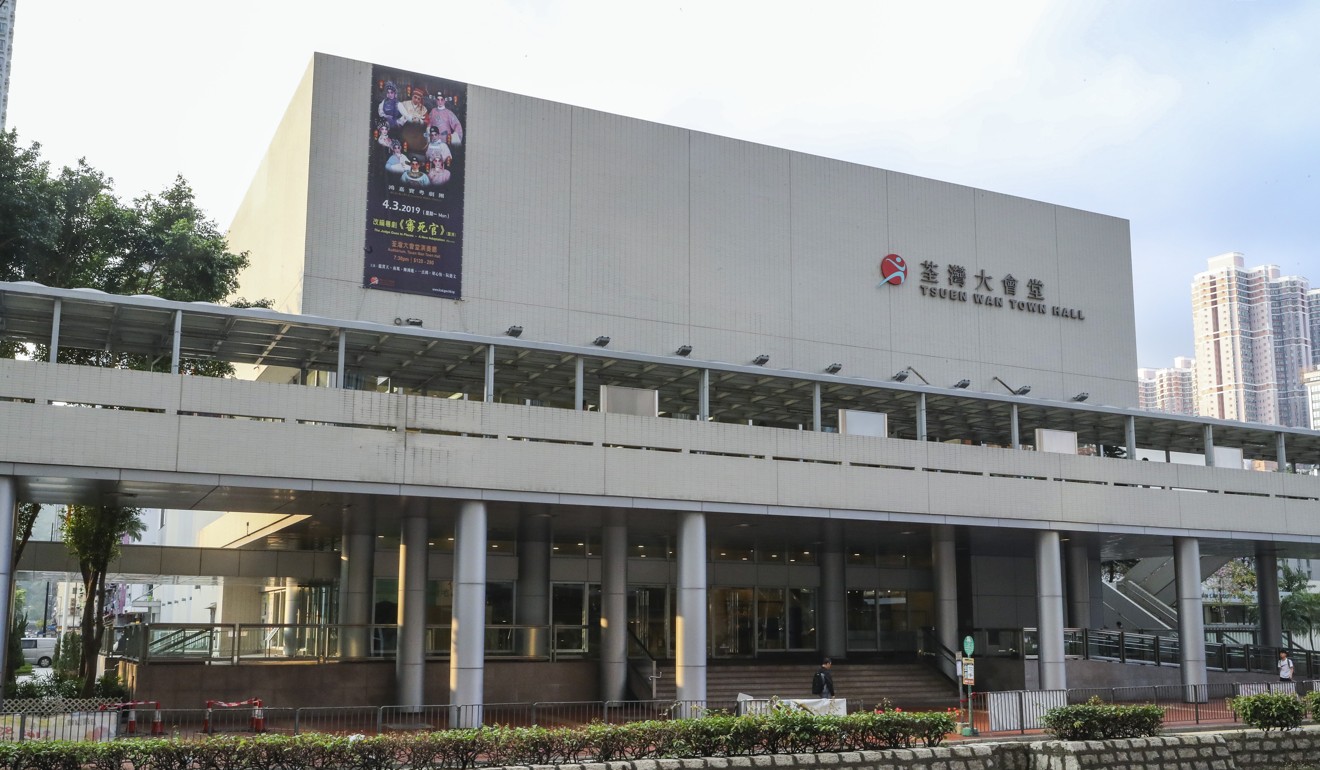

Tsuen Wan Town Hall. Photo: Edmond So

This design is likely to have been inspired by the walled city in ancient times, which could be traced back to the Tang dynasty, according to an advisory report commissioned by Tsuen Wan District Council in 2010. There are four closely located Pei Squares in the area, the first one being home to a South Asian community, and the other two famed for their dai pai dongs and noodle shops.

The Mills, located in the former Nam Fung cotton factory in Tsuen Wan. Photo: K.Y. Cheng

Though it has hidden gems for gourmets, the Pei Square area is also notorious for being “jumbled”, says Eva Chan. “It has long been rumoured that Yi Pei Square is a triad camp. When I was a kid, my mum would warn me that I shouldn’t go there alone.”
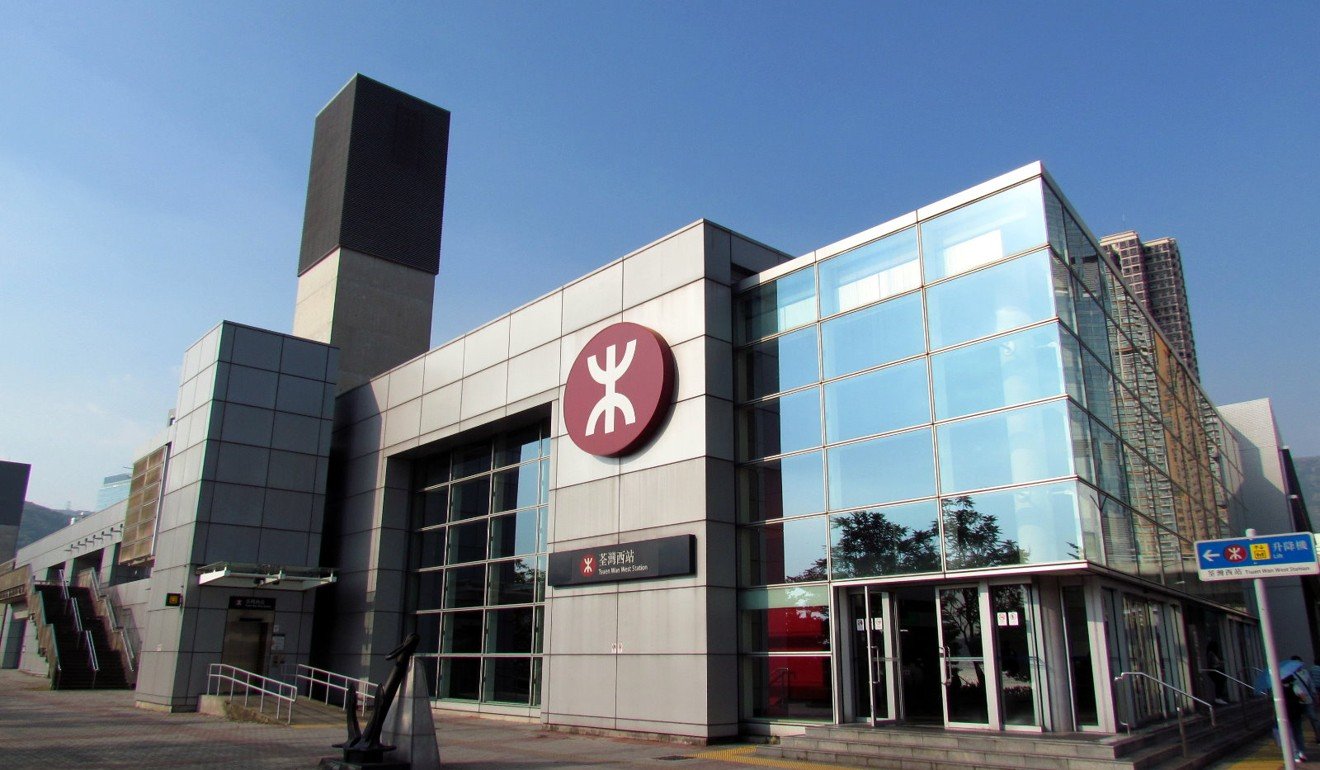

Tsuen Wan West MTR station, one of two which serves the town. Photo: Handout

“They own a couple of mahjong parlours and restaurants, and it’s said that they also earn money from protection rackets and illicit brothels,” Chan says.
Local news reports show that in the past few years, police have raided illegal prostitution and mahjong gambling venues at Yi Pei Square.

continued next post
Continued from previous post

From “Shallow Bay” to Tsuen Wan

Although the New Territories is no stranger to deeply rooted local triads, Tsuen Wan is largely perceived as a peaceful and liveable neighbourhood for middle-class households, according to Chan.
Her pride in the town’s abundant public facilities and leisure venues is well-founded. Back in 1961, Tsuen Wan was the first to
be developed under the British colonial government’s New Town project, aiming at dispersing the city’s booming population in Kowloon and Hong Kong Island to the New Territories.


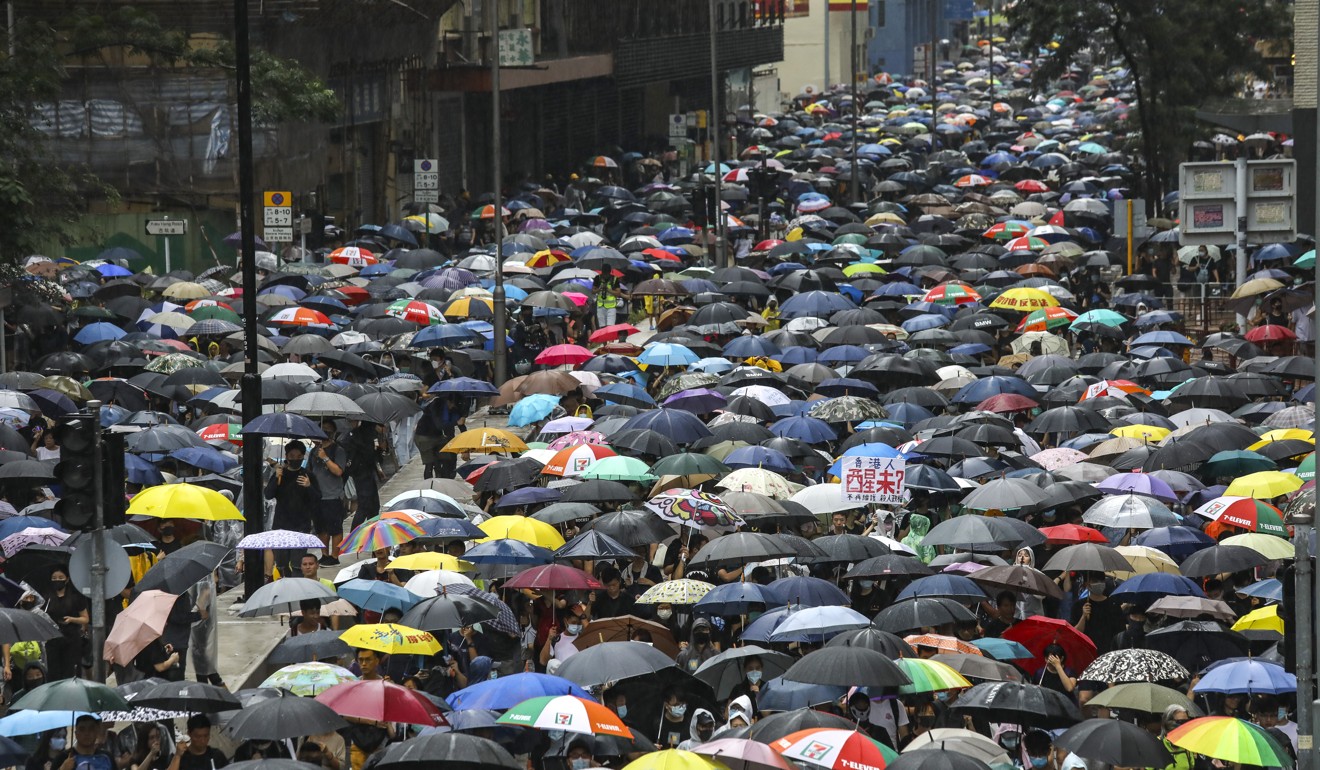
Anti-government protesters march from Kwai Chung Sports Ground to Tsuen Wan Park on August 25. Photo: Dickson Lee

Infrastructure such as two MTR lines, motorways, ports and public housing was established in the following decades. With notably long pedestrian overpasses connecting the MTR stations and shopping malls, Tsuen Wan has earned the name “the overpass town”.
Land reclamation was also a major element in urban development. To date, a total of 140 hectares of land has been reclaimed from the sea in Tsuen Wan and Kwai Chung.
These efforts have greatly changed Tsuen Wan’s image from earlier times, when the town was seen as a land of scarcity by authorities and Hongkongers. The first historical record of residents in the area dates from 1649, which was then called “Tsin Wan”, i.e. “Shallow Bay” in Cantonese.


Demonstrators smash a mahjong shop during protests in Tsuen Wan on August 25. Photo: AP

In the 20th century, a local scholar changed “Tsin” into “Tsuen”, meaning herb or fishing gear in ancient Chinese. Despite having a more elegant name, the town still repelled outsiders due to the prevalence of pirates and malaria.
There was even a popular saying among merchants: “Want to get rich? Go to San Francisco; Want to get killed? Go to Tsuen Wan” .
When the British took over the New Territories in 1898, the town had about 3,000 residents. Now its population has grown to more than 300,000, 93 per cent of those ethnic Chinese, according to government statistics from 2016.

What are the local charms?

With most factories having moved to mainland China, Tsuen Wan is now left with empty industrial buildings that residents seldom visit. The Urban Renewal Authority began to rejuvenate the town in the late 2000s, an initiative that has been largely successful.
One of the iconic projects is The Mills, a previously disused cluster of cotton mills that was transformed into a complex of art and exhibition centres, along with fashionable cafes and shops. It was reopened last December after four years of refurbishment.


Police clash with extradition bill protesters in Tsuen Wan on August 25. Photo: Reuters

“It’s like the second PMQ,” Chan says. “People from other areas used to come to Tsuen Wan for food, but now more youngsters are visiting here to check out places like The Mills.”
For another resident Lee, some of her best memories in the neighbourhood are associated with Tsuen Wan Town Hall, a government-managed venue built in 1980 that hosts plays and exhibitions. “It’s our own Romerberg, where locals meet up and just chill,” she says.
“The kai fong [townspeople] here like to talk about things related to livelihood, such as which schools are better. We don’t care that much about politics,” Lee adds.
“I used to think we lived in our own bubble. But now the protests are changing everything.”

THREADS
Mahjong[URL=“http://www.kungfumagazine.com/forum/showthread.php?23536-Hong-Kong-protests”]
Hong Kong protests

If you’ve played, you know…

My aunts and uncles would be just like this.

BMW smashes into house, old people inside keep on playing mahjong
The game must go on
by Alex Linder October 8, 2019 in News

Demonstrating that no force on Earth can disturb a group of elderly Chinese people from their mahjong game, a BMW crashed into a house in Sichuan province last week and the people inside just kept on playing.

The vehicle ended up smashing a big hole in the side of the house in Gangpu village. But were those inside concerned about the building’s structural integrity?

Evidently not as they are seen gathered around tables, calmly chatting and playing mahjong. In video from the scene, one man is heard saying that they didn’t really pay attention to what happened.

While much attention has paid to internet addiction among youngsters in China, far less coverage has been devoted to the country’s mahjong addicts. Back in 2010, mahjong players in Chengdu played on while one old man fainted, was attended to by paramedics, declared dead, and wheeled away.

dark and evil forces

Mahjong houses fall silent as China purifies its social environment
Two more local governments ban game widely regarded as a national pastime but which others view as encouraging gambling
Mandy Zuo
Published: 7:44pm, 21 Oct, 2019


Mahjong houses in several Chinese jurisdictions are closing down as authorities deem them noisy places where people gamble. Photo: Shutterstock.

China’s “national pastime” of mahjong is facing a clampdown in a number of jurisdictions as part of a nationwide campaign against “dark and evil forces”.
Two local governments have ordered mahjong houses and poker rooms to be closed by Tuesday in a bid to “purify the social environment” and “improve the image of citizens”. Failure to comply carries a penalty of up to three years in jail.
According to separate police announcements issued on Sunday, the affected jurisdictions include Yushan county and Xinzhou, a district of Shangrao city, both in the eastern province of Jiangxi. The mahjong houses are noisy and often involve gambling, they said.
The closure was related to the campaign launched in January last year by Chinese President Xi Jinping to “eliminate the dark and evil forces” of organised crime, the announcements said.
At least two cities in Hubei province, central China, and one in the southeastern province of Anhui issued similar announcements last month, accusing the entertainment establishments of providing a venue for crime, affecting people’s lives and corrupting social morals.
The orders have triggered controversy in China, where the four-person tile-based game is an important pastime to many, especially retirees. As life goes increasingly digital, mahjong houses are also considered an important opportunity to meet and engage with people socially.
The reaction of 70-year-old He Shengli from Cixi, in the eastern province of Zhejiang, was typical: “How am I supposed to kill my time if there are no mahjong houses any more?” he said. “Gambling? 100 yuan (US$14) would be the most I’d lose even if I played for an entire day and my luck remained bad. Why don’t they go close down casinos in Macau?”
Some internet users also questioned the legitimacy of the orders. “They [mahjong houses] are operating legally and have acquired licences from the government itself. They pay taxes. And now they shall be closed? This shows exactly how our business environment is – businesses take a huge risk of going bankrupt,” one commenter said on Weibo, China’s version of Twitter.
“This is typical, lazy governance, a one-size-fits-all approach,” another said.
Mahjong originated in China during the Qing dynasty (1644 to 1911) and is regarded by many as part of the country’s national heritage, although others complain that it is noisy and leads to addiction.
A woman in Chongqing was so engrossed in a game of mahjong at a banquet earlier this month that she failed to notice her toddler son had gone missing. The boy slept alone on stairs in a car park for at least an hour before a police officer took him to the police station, online news portal Thepaper.cn reported.
Gambling is illegal in China, but there is no fixed definition on how big a bet constitutes the activity. Small amounts – typical in the mahjong houses – are not usually defined as gambling.
Under Chinese law those who gamble or provide a venue for gambling for profit may be detained for up to 15 days or fined up to 3,000 yuan. There is also a criminal penalty up to 10 years in jail for those who make a living by gathering people to gamble.
This article appeared in the South China Morning Post print edition as: Mahjong parlours told to shut to foil ‘dark, evil forces’

Didn’t see this one coming. It’s moves like this that can spark revolutions.

Mahjong in Teslas from Alibaba?

DECEMBER 20, 2019 / 12:41 AM / 7 DAYS AGO
Mahjong, cartoons coming to Tesla car screens in China next year
2 MIN READ


FILE PHOTO: The company logo is pictured on a Tesla Model X electric car in Berlin, Germany, November 13, 2019. REUTERS/Fabrizio Bensch

BEIJING/SHANGHAI (Reuters) - Tesla Inc (TSLA.O) said on Friday it will offer its Chinese customers more video and gaming content next year, marking the first time the automaker will offer internet-connected games in its vehicles.

Two video-streaming channels from cartoon-focused Bilibili (BILI.O) and Alibaba-backed (BABA.N) Youku will be added for a total of four. Owners will also be able to entertain themselves with three online games - mahjong and two versions of poker from Chinese tech-giant Tencent (0700.HK).

The games and videos will only start after the cars are properly parked, Tesla said, adding that new offerings will come sometime in first quarter. Owners often use the entertainment offerings while re-charging their cars or indulge after arriving back home from work.

The Silicon Valley automaker, widely seen as a leader in in-car infotainment, offers a range of games in its vehicles for the U.S. market but they are not internet-connected.

Keeping Chinese customers happy is a priority for Tesla which has built a $2 billion factory in the world’s biggest auto market and set itself a target of building 1,000 cars a week by the end of 2019.

Unlike the United States, it has also held racing events and showroom parties in China.

Tesla has started transporting China-built cars out of its Shanghai factory, according to its Weibo posts. It sold around 38,700 vehicles in China in the year to end-November, according to consultancy LMC Automotive.

Reporting by Yilei Sun and Brenda Goh; Editing by Edwina Gibbs

THREADS
Mahjong
Jack Ma & Alibaba

The Mahjong Line

I didn’t cut&paste all of the IG posts.

Mahjong Set for the ‘Stylish Masses’ Accused of Cultural Appropriation
BY ISA PERALTA
JANUARY 5, 2021
4 MINUTE READ

Editor’s Note: This article has been updated with a statement posted by the Mahjong Line on the company’s Instagram and Facebook on Tuesday. O&H Brand Design, which helped design the tiles, also released a separate statement saying they have since cut ties with The Mahjong Line.

The Mahjong Line, a company created by three women from Dallas, Texas, has stirred online controversy for its products that give Mahjong “a modern makeover as playable works of art.”

Background of the company: According to Paper City, Kate LaGere first learned how to play Mahjong in Dallas in 2018. LeGere wanted to own a unique set of tiles but could not find anything beyond those with traditional designs. She eventually teamed up with friends and fellow Mahjong players Annie O’Grady and Bianca Watson to create The Mahjong Line.

According to the company’s About Us page, LaGere decided Mahjong “needed a respectful refresh.” LeGere, O’Grady and Watson “hatched a plan to bring Mahjong to the stylish masses.”

The company’s website currently offers five different collections ranging from $325 to $425.
The Mahjong Line also offers accessories, such as a playing mat priced at $50.

Facing backlash: Several Facebook users expressed outrage over the products by commenting on The Mahjong Line’s Facebook posts. Users accused the company of not having any employees of Asian descent and profiting off the whitewashing of a game with Chinese origins.

Several Twitter users also shared their opinions on The Mahjong Line:

Response to outrage: The Mahjong Line has yet to release a statement addressing the allegations of cultural appropriation, and the company has disabled comments on their Instagram posts. Their Facebook page is still currently active.

NextShark has reached out to The Mahjong Line for comment via email, their Facebook page, and their Instagram account. Below is a statement posted to the company’s social media accounts on Tuesday evening:

“We launched this company in November of 2020 with pure intentions and a shared love for the game of American Mahjong, which carries a rich history here in the United States. Our mission is to combine our passion for art and color alongside the fun of the game while seeking to appeal to novices and experienced players alike. American Mahjong tiles have evolved for many decades and we’d like to be part of this evolution in the most respectful and authentic way possible.

While our intent is to inspire and engage with a new generation of American mahjong players, we recognize our failure to pay proper homage to the game’s Chinese heritage. Using words like ‘refresh’ were hurtful to many and we are deeply sorry.

It’s imperative our followers know we never set out to ignore or misrepresent the origins of this game and know there are more conversations to be had and steps to take as we learn and grow. We are always open to constructive criticism and are continuing to conduct conversations with those who can provide further insight to the game’s traditions and roots in both Chinese and American cultures.”

O&H Brand Design, a full-service branding, advertising and graphic design agency based in Dallas, also released a recent statement for their part in creating The Mahjong Line tiles. They have since cut ties with The Mahjong Line.

“We are deeply and sincerely sorry for the role we played in the creation of The Mahjong Line tiles and brand. There was a clear lack of awareness, cultural appreciation and respect on our part during our design process. We own that and apologize for it.

We must do better, and we are taking steps to educate ourselves so that we do not make these types of mistakes again. We have also begun the process of researching ways to learn from the Asian-American community in our city and region so that we can better understand, respect and honor it moving forward.

We have also terminated our relationship with The Mahjong Line.

While our apology can not change the work we did, we humbly ask for the opportunity to improve both as a company and as individuals moving forward.

– The O&H Team”

Featured Image via themahjongline.com

Threads
Mahjong
Cultural-Appropriation

watch Legend of Shaolin Warriors

Malaysian company creates Mahjong-inspired watch for Chinese New Year

via Kevin HTJ for NextShark
The limited-edition timepiece will be available on Thursday
Bryan Ke
JANUARY 17, 2024

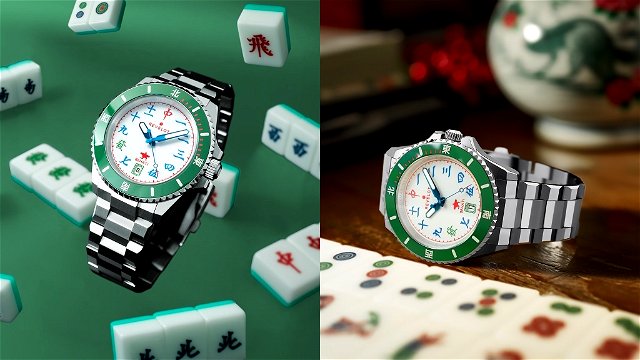
MALAYSIAN WATCH BRAND Revelot has teamed up with Malaysian design company Behati for a limited-edition mahjong-inspired watch just in time for Lunar New Year.
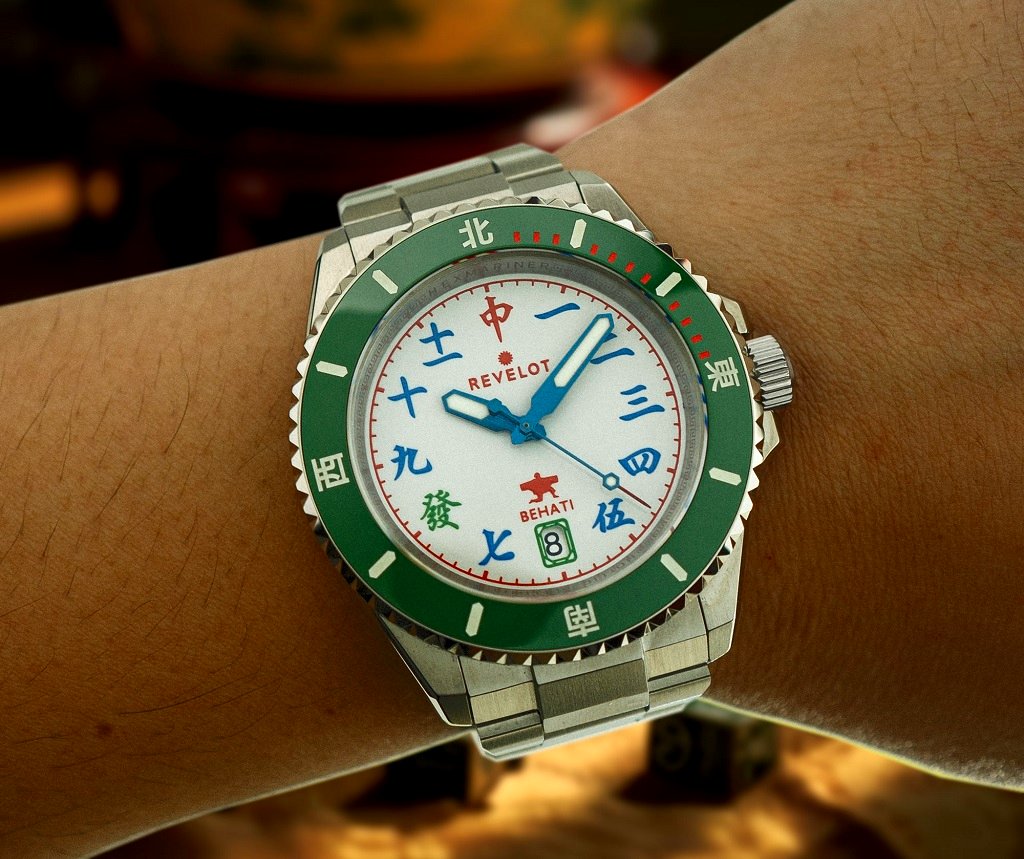
About the watch: Set for release on Thursday, the mahjong-inspired Hexmariner boasts a design “fused with tradition and culture,” making an “excellent Chinese New Year companion for luck and prosperity,” according to Revelot.
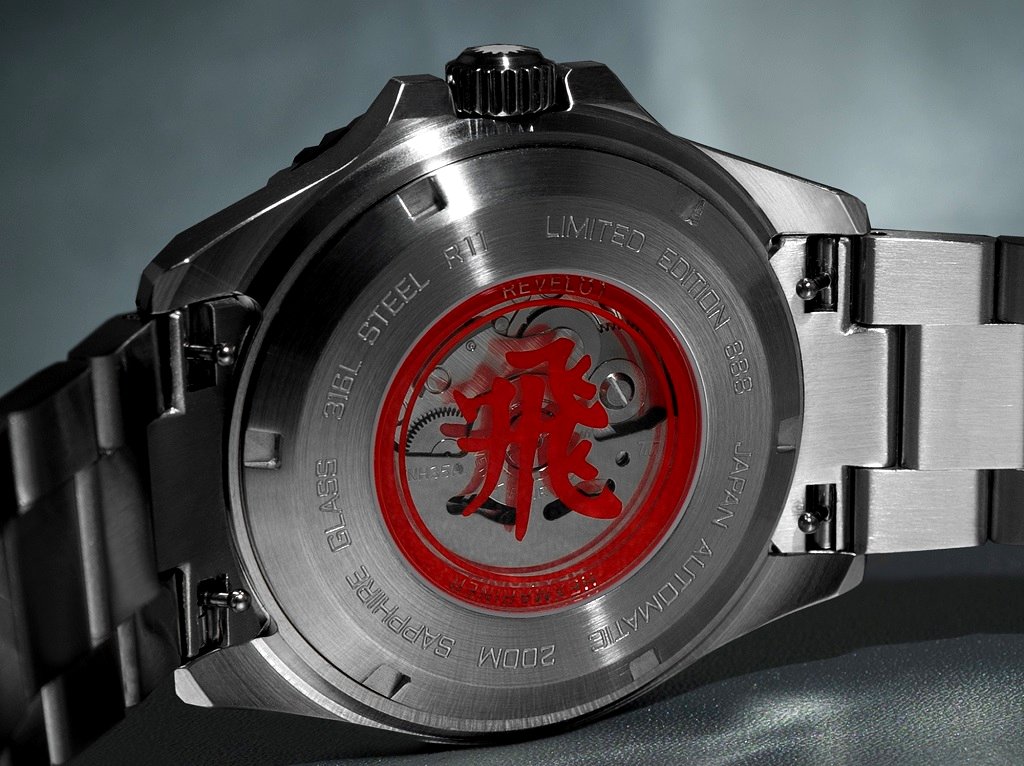
The timepiece is equipped with a Swiss Super-Luminova BGW9 grade A glowing technology, a Seiko NH35 automatic movement and a water-resistant case that endures a depth of up to 200 meters (656.1 feet).

via Kevin HTJ for NextShark
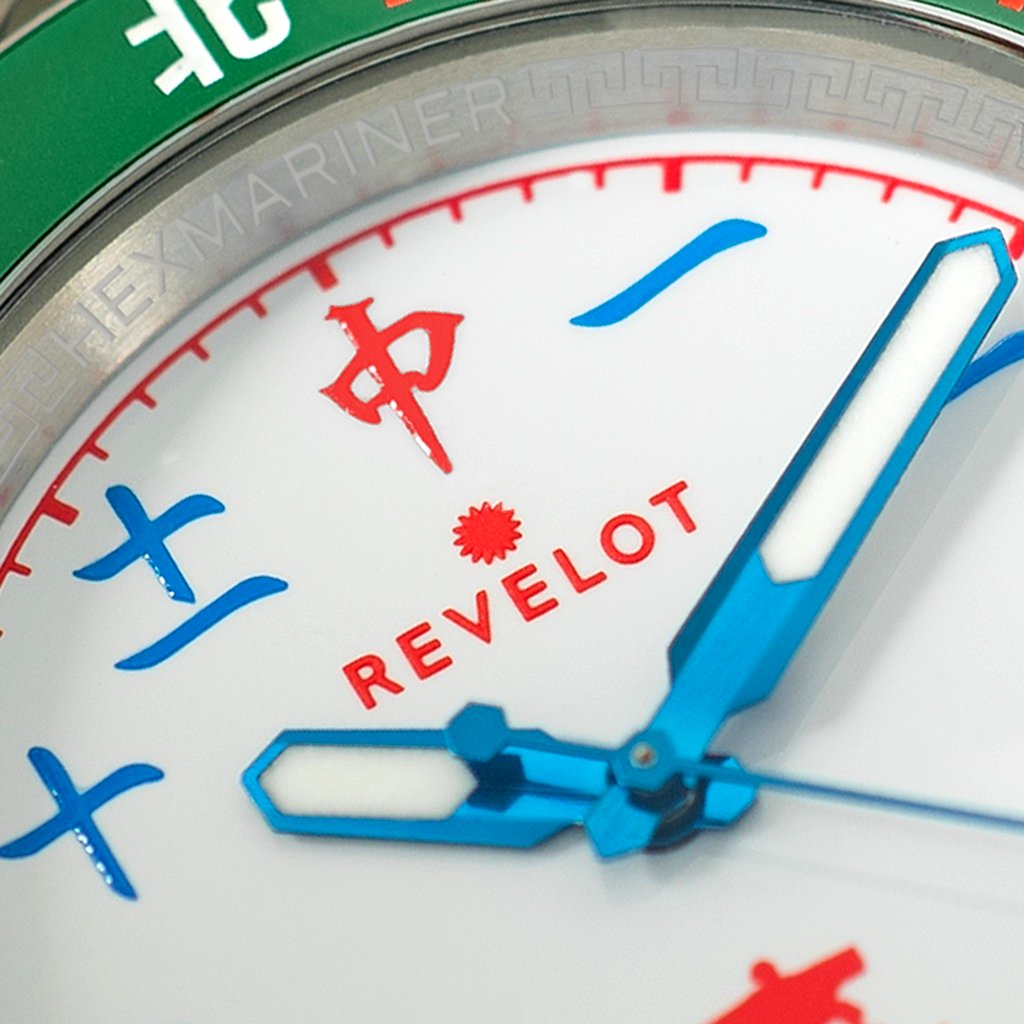
The highlight of the limited-edition watch is its mahjong-inspired design, which shows the same Chinese calligraphy numerics found on mahjong tiles.
Meanwhile, the outer rim features a jade green, unidirectional ceramic bezel that has the four types of winding, representing east, south, west and north. At the back, wearers can find the lucky “red joker” printed at the center of the transparent case.

via Kevin HTJ for NextShark
Why mahjong: Revelot creative director Kevin HTJ told NextShark that mahjong is a game his late grandfather used to indulge in during the Chinese New Year and has been a part of his upbringing. He partnered with Kel Wen from Behati to design the new watch after crossing paths with the Malaysian fashion designer.
“As someone passionate about watch design over the past few years, I’ve harbored the desire to create something that not only reflects my Malaysian roots but also pays tribute to my late grandfather,” said Kevin HTJ.

via Kevin HTJ for NextShark
How to get it: The mahjong-inspired Hexmariner will be available for 20 lucky early birds on Jan. 18 for 1,488 Malaysian ringgit ($318), according to Kevin HTJ. Its retail price is set at 1,788 Malaysian ringgit ($380).

via Kevin HTJ for NextShark
Revelot only produced 88 of the watch. Kevin HTJ said this was deliberate and decided in relation to the number eight being lucky in Chinese culture and that it sounds like “wealth” in Mandarin.
“Naturally we decided to incorporate it into elements of the Hexmariner Mahjong,” he said.

Bryan Ke
is a Reporter for NextShark

This watch is styling, but it’s been decades since I’ve played Mahjong so it’d be weird for me to rock it.

What? No Hello Kitty thread…

…just kidding. We don’t need a Hello Kitty thread.

McDonald’s Hong Kong launches limited-edition Hello Kitty Mahjong Set

by MoneyDigest MONEYDIGEST in DINING
JANUARY 17, 2024

Our Telegram followers get notified as soon as the post goes live.

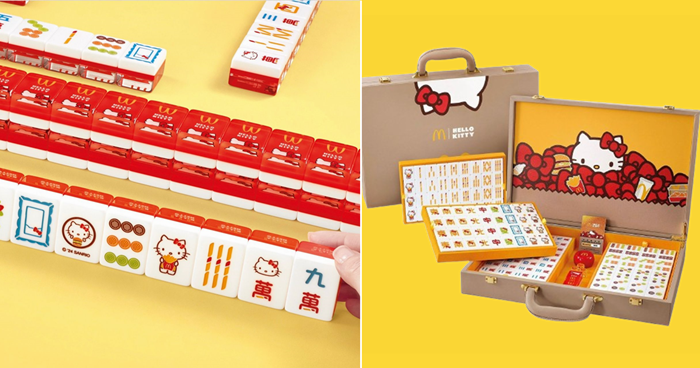
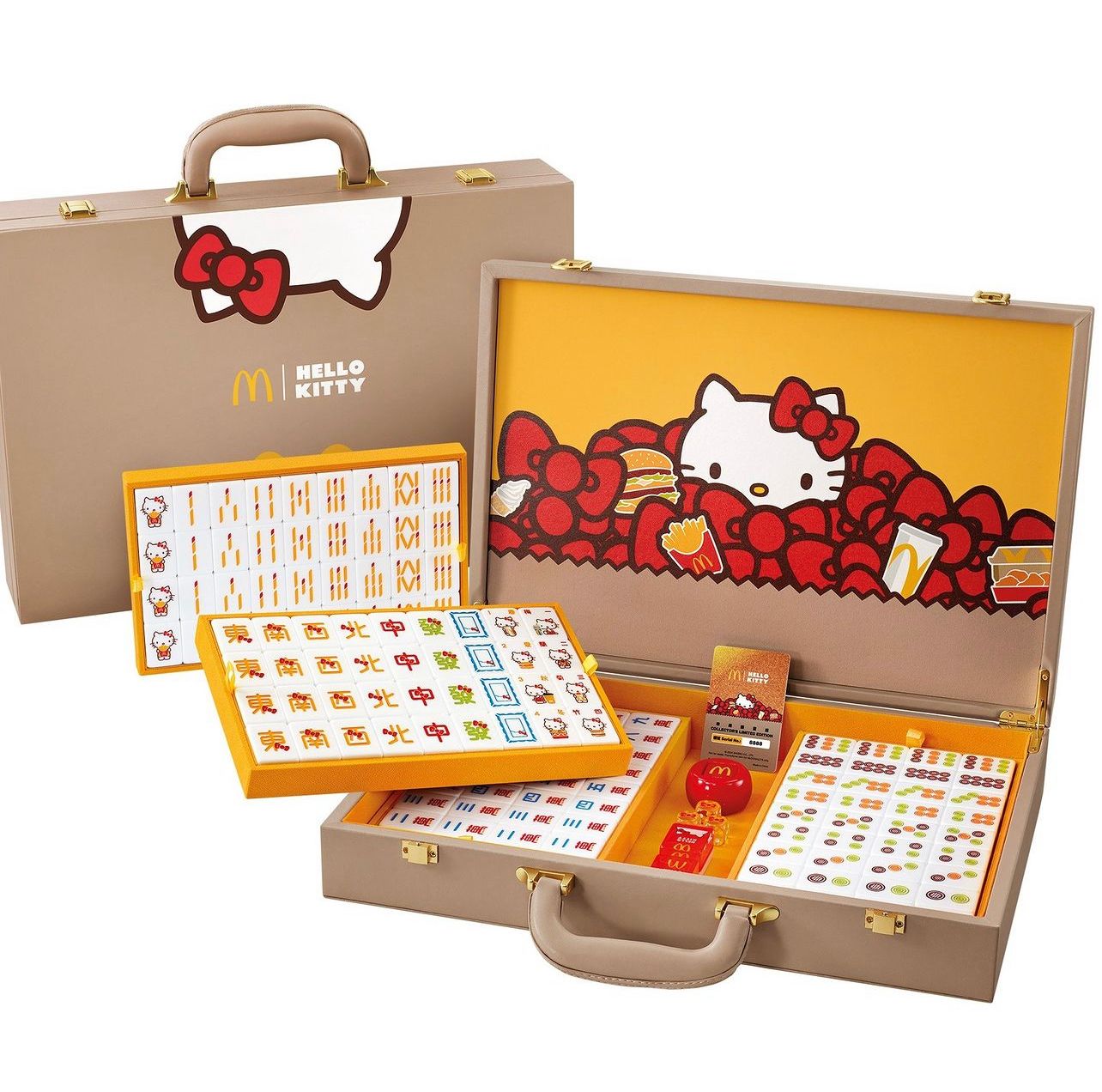
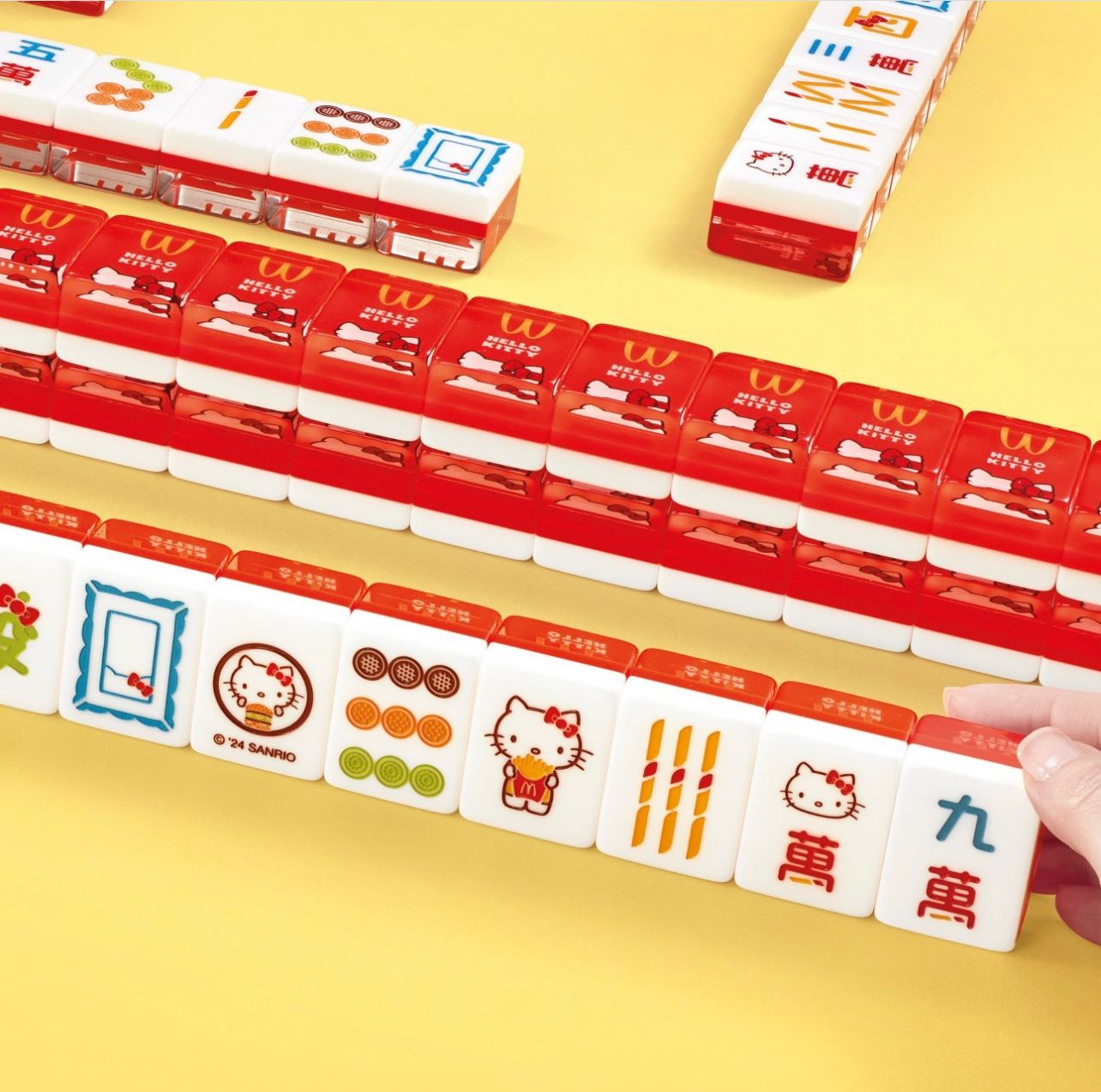
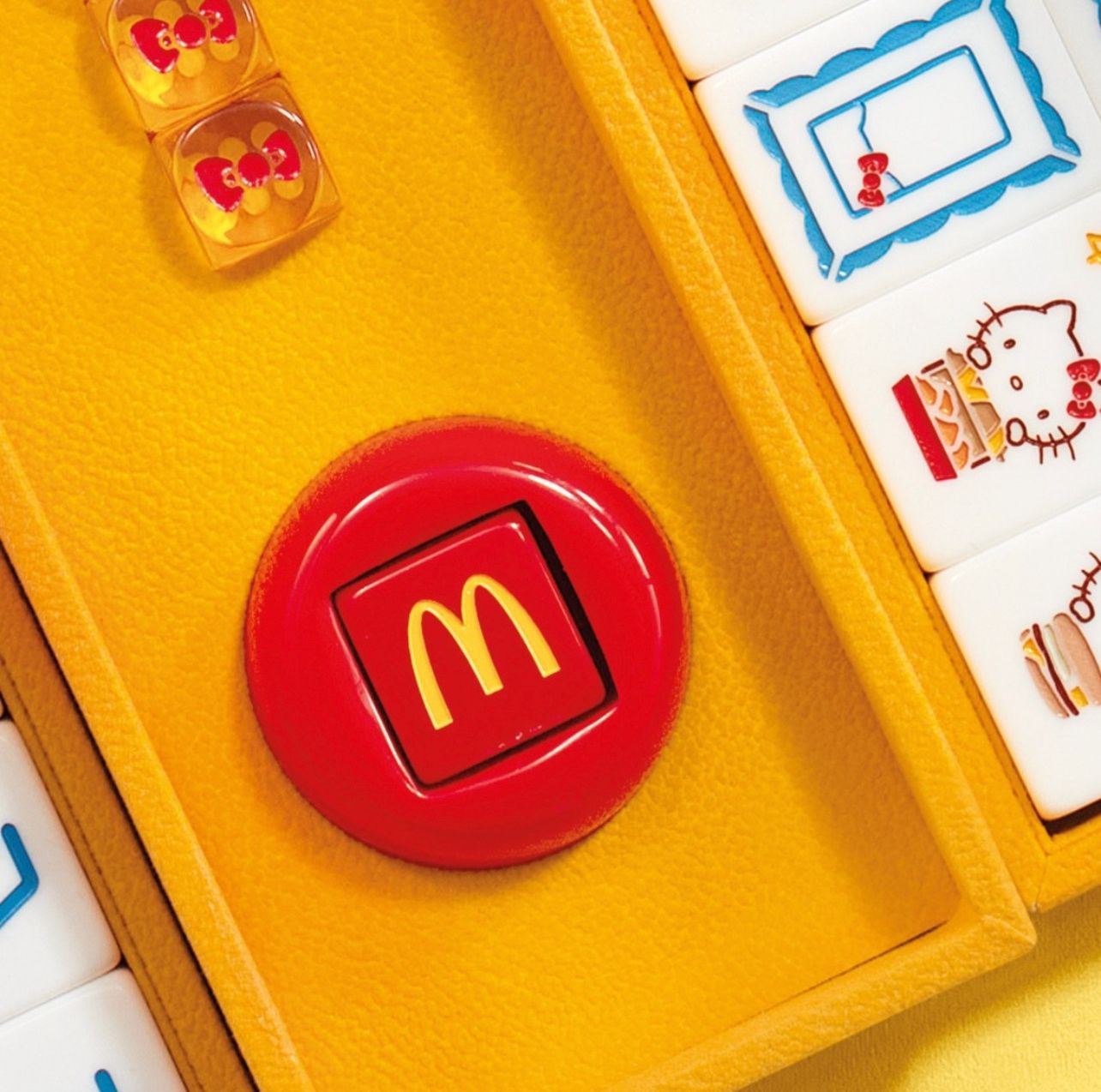
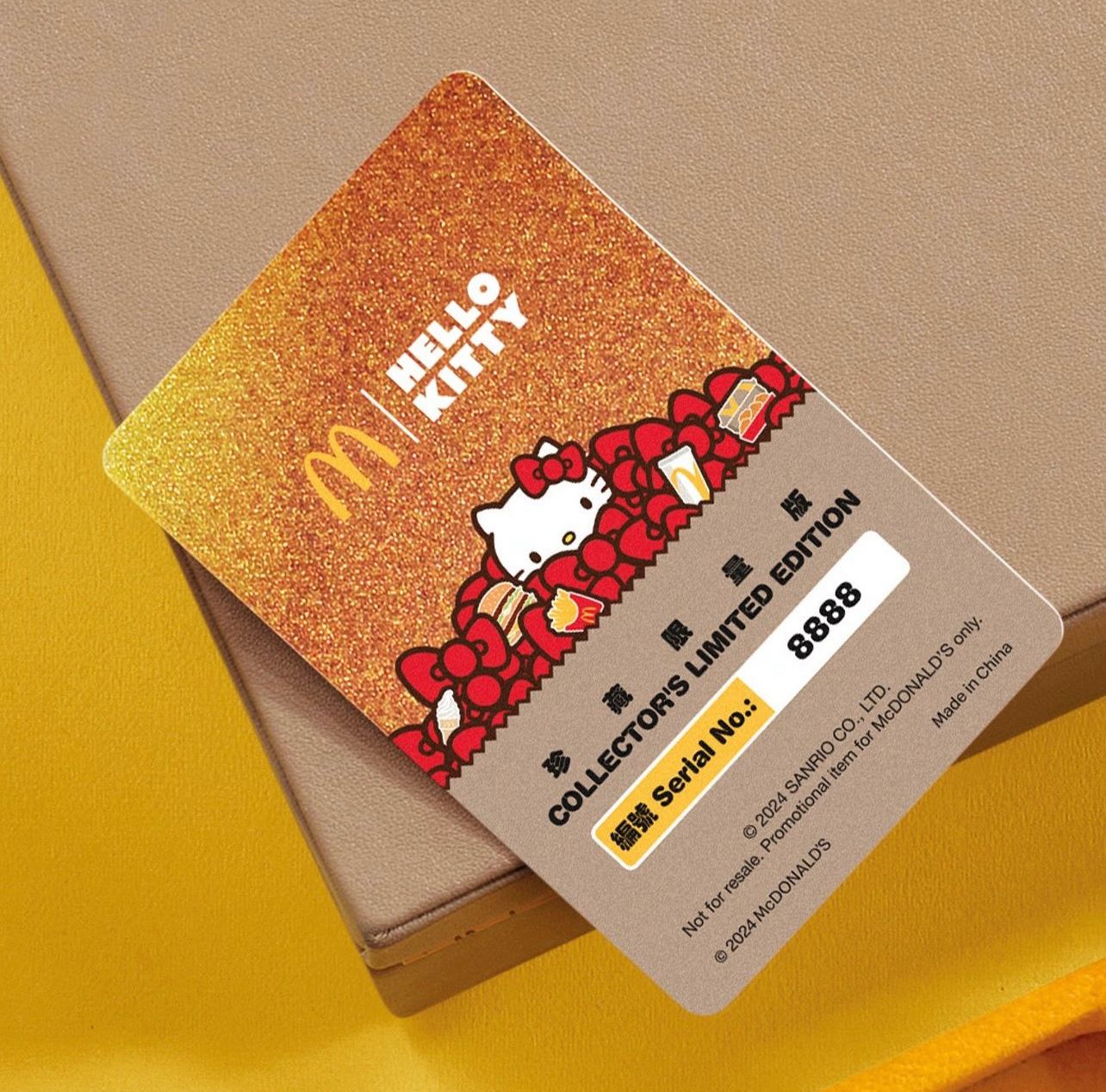
McDonald’s Hong Kong has collaborated with Hello Kitty to release a limited-edition crystal mahjong set. This set comes in a fancy faux-leather box and features 144 crystal tiles that are decorated with Hello Kitty and various McDonald’s motifs, including their famous Big Mac, fries, and ice cream sundaes. The set also includes dice, a wind indicator, and a gold card with the set’s unique serial number.


This exclusive set can be obtained via the McDonald’s Hong Kong app. Customers need to buy 10 McDonald’s Food Gift Certificates of HK$20 each and pay an additional HK$788 for the mahjong set. Upon successful order placement, they’ll get a confirmation email and can collect the set and vouchers the same day at selected McDonald’s outlets in various locations. You can check the locations via this link here.

The McDonald’s x Hello Kitty mahjong set is likely to become a sought-after collector’s item and will be up for grabs from January 18 at 2 pm, available on a first-come, first-served basis. For more details and updates, check out McDonald’s Hong Kong official website.

https://www.kungfumagazine.com/forum/showthread.php?40386-Mahjong
Fast-Food-Nastiness

Thursday, August 21 Mahjong Rules! Book Talk and Game Play with Nicole Wong

By Chinese Historical Society of America
Dive into the world of mahjong, from the terminology, gameplay and its Chinese American history, in conversation with author Nicole Wong. Date and time

Thursday, August 21 · 6 - 8:30pm PDT Location

Chinese Historical Society of America Museum

965 Clay Street San Francisco, CA 94108
Get directions Good to know

Highlights

  • 2 hours, 30 minutes
  • In person
Refund Policy

Refunds up to 7 days before event About this event

Dive into the world of mahjong, from terminology and gameplay to its Chinese American history, in conversation with author Nicole Wong (Mahjong: House Rules from Across the Asian Diaspora). This new book provides a comprehensive overview of mahjong for beginners through intimate storytelling of family house rules, oral traditions, and the ways mahjong thrives today.Join CHSA for an in-depth discussion centered around mahjong, particularly as a historical centerpiece throughout Chinese America.

This program includes:

  • Presentation by and Q&A with Nicole Wong
  • Mahjong gameplay (all player levels welcome)
  • Food and drinks
  • Exclusive book signing
Admission:
  • $20 for general admission (includes book talk + gameplay + refreshments)
  • $40 for general admission + copy of the book
  • Members receive $10 discount off either of the above
Copies of the book will be available for purchase at the event ($25).

About Nicole Wong

Nicole Wong is a writer and producer based in Oakland, California. She has over a decade of experience working with companies and community organizations that tell stories about the Asian American experience, such as Hyphen magazine and the Center for Asian American Media. The Mahjong Project is her effort to preserve a small piece of her family history and bring more people into the joy of playing the game while also encouraging others to contemplate unique family traditions in their own lives.The Mahjong Project hosts pop-up mahjong nights around San Francisco and Oakland and collects stories and anecdotes about mahjong at www.themahjongproject.com (Instagram: @themahjongproject).

It’s been decades since I’ve played.

# Is this ‘unlucky’ Lunar New Year chocolate mahjong set a sign of cultural appropriation?

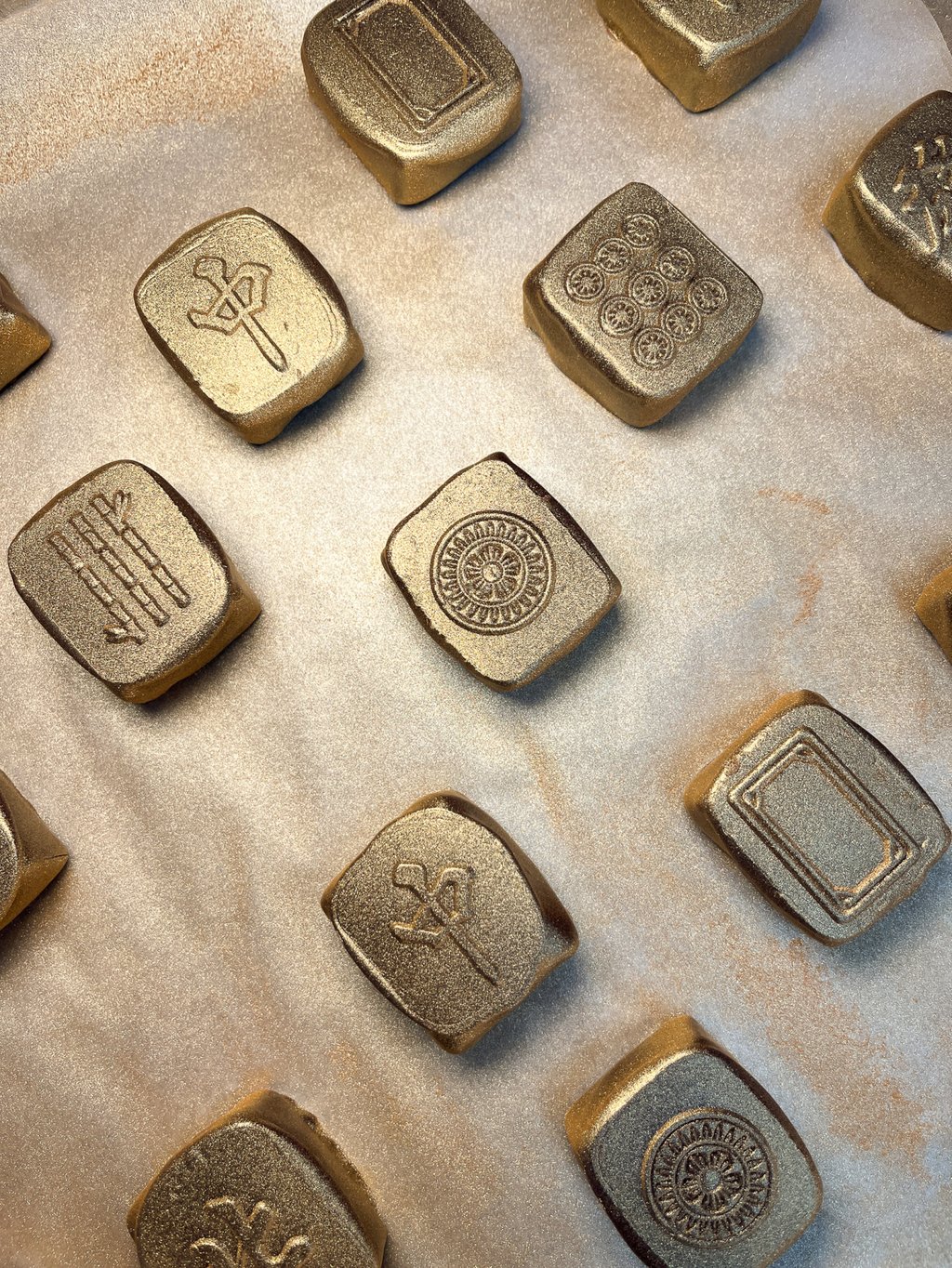
A Hong Kong-based chocolate company is facing criticism for its Lunar New Year set, which features a winning hand known as ‘13 Orphans’

Reading Time:3 minutes

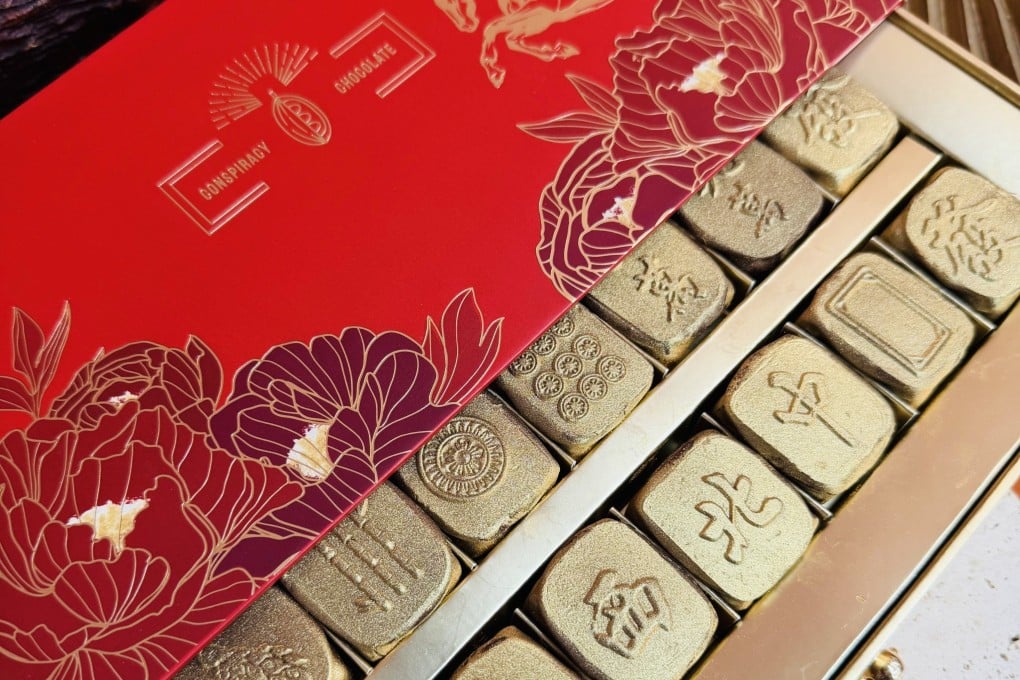
A box of Conspiracy Chocolate’s latest Lunar New Year collection showcases “mahjong tiles” displayed in a winning “13 Orphans” hand. The chocolate set has sparked a cultural appropriation debate over its unlucky symbolism. Photo: Conspiracy Chocolate

Ashlyn Chak

Published: 7:15am, 26 Jan 2026Updated: 7:59am, 26 Jan 2026

Mahjong has been an integral part of Chinese social life since its invention in the mid-1800s, during the late Qing dynasty. It took less than a century to reach the West, with a simplified playing system developing in the United States in the 1920s.

In modern-day Hong Kong, many older people play mahjong socially and to improve their brain health. The game is often played by people of all ages during festive occasions, as well as between strangers during competitive sessions at dedicated parlours.

With China’s soft power gaining pace in recent years, there has been a resurgence of appreciation for Chinese culture and the tile-based game has become popular in unexpected corners outside East Asia.

However, just as bubble tea – created in Taiwan in the 1980s – was at the centre of a cultural appropriation debate in October 2024, mahjong has suffered a similar fate.

Earlier this month, Hong Kong-based company Conspiracy Chocolate released its yearly limited-edition Mahjong Chocolate set to celebrate the coming Year of the Horse, featuring a winning hand known as sap saam jiuor “13 Orphans”.

Learn to play mahjong in 2.5 minutes

The chocolate maker, founded in 2018 by a Swiss and Israeli couple based in Hong Kong, called it the “royal flush of mahjong” in its press release. But while sap saam jiu is a famously strong winning hand, “13 orphans” sounds unlucky to even the least feng shui-inclined.

It is also a mismatched hand, linked to misfortune, and is sometimes likened to the mahjong move of discarding four West tiles consecutively, which, as urban legends say, can mean death for all four players, because the Cantonese for “west” sounds like “death”.

The chocolate set also features 14 tiles, a number that sounds a lot like “must die” in Cantonese. Many older buildings in Hong Kong skip the fourth and 14th floors for this reason, just as some buildings in the West avoid the number 13.

Hong Kong fashion worker Rey Sung says, “⁠⁠⁠I’m all about cultural appreciation; it’s awesome seeing Chinese culture be acknowledged and inspiring people.

“⁠⁠But when the culture you are referencing isn’t well researched or understood, that’s when it becomes ‘appropriation’. Rather than seeking to understand before capitalising, [it seems] a very surface-level understanding is used to create these products.”

Hong Kong-based Conspiracy Chocolate’s latest collection of mahjong tile-shaped sweets is inspired by the inauspicious winning hand, “13 Orphans”. Photo: Conspiracy Chocolate

Hong Kong-based Conspiracy Chocolate’s latest collection of mahjong tile-shaped sweets is inspired by the inauspicious winning hand, “13 Orphans”. Photo: Conspiracy Chocolate

She adds that, in this age of the internet and artificial intelligence, proper research before product development is “very easy” and that “knowledge is pretty much open source”. The people behind the company could have conducted research and consulted Chinese friends, or visited mahjong shops to talk to the people working there.

Responding to the Post’s inquiry, Conspiracy Chocolate says that the Lunar New Year collection was developed in consultation with local cultural advisers.

“We sought to honour the hand’s status as mahjong’s rarest and most auspicious combination – a symbol of perfect assembly and harmony, akin to a royal flush in poker,” says co-founder Amit Oz, who went to secondary school in Hong Kong, then left to join the Israel Defense Forces before settling back in the city.

“The superstition around ‘draining the luck pool’ is precisely why this set is designed for generosity and sharing,” he says. “Just as a player who wins with [sap saam jiu] shows humility and redistributes prosperity through gestures like lai see [red packets], our chocolate set is a tangible means to share this symbolic fortune with family and friends.”

He adds that the collection is conceived as “a sweet, communal catalyst for prosperity meant to be shared at the beginning of the year”.

Mahjong tiles made of chocolate from Conspiracy Chocolate. Photo: Conspiracy Chocolate

Mahjong tiles made of chocolate from Conspiracy Chocolate. Photo: Conspiracy Chocolate

None did mahjong as dirty as The Mahjong Line, a Texas-based mahjong set maker accused of cultural appropriation after it launched a “refreshed” – or rather, whitewashed – version of the game in 2020.

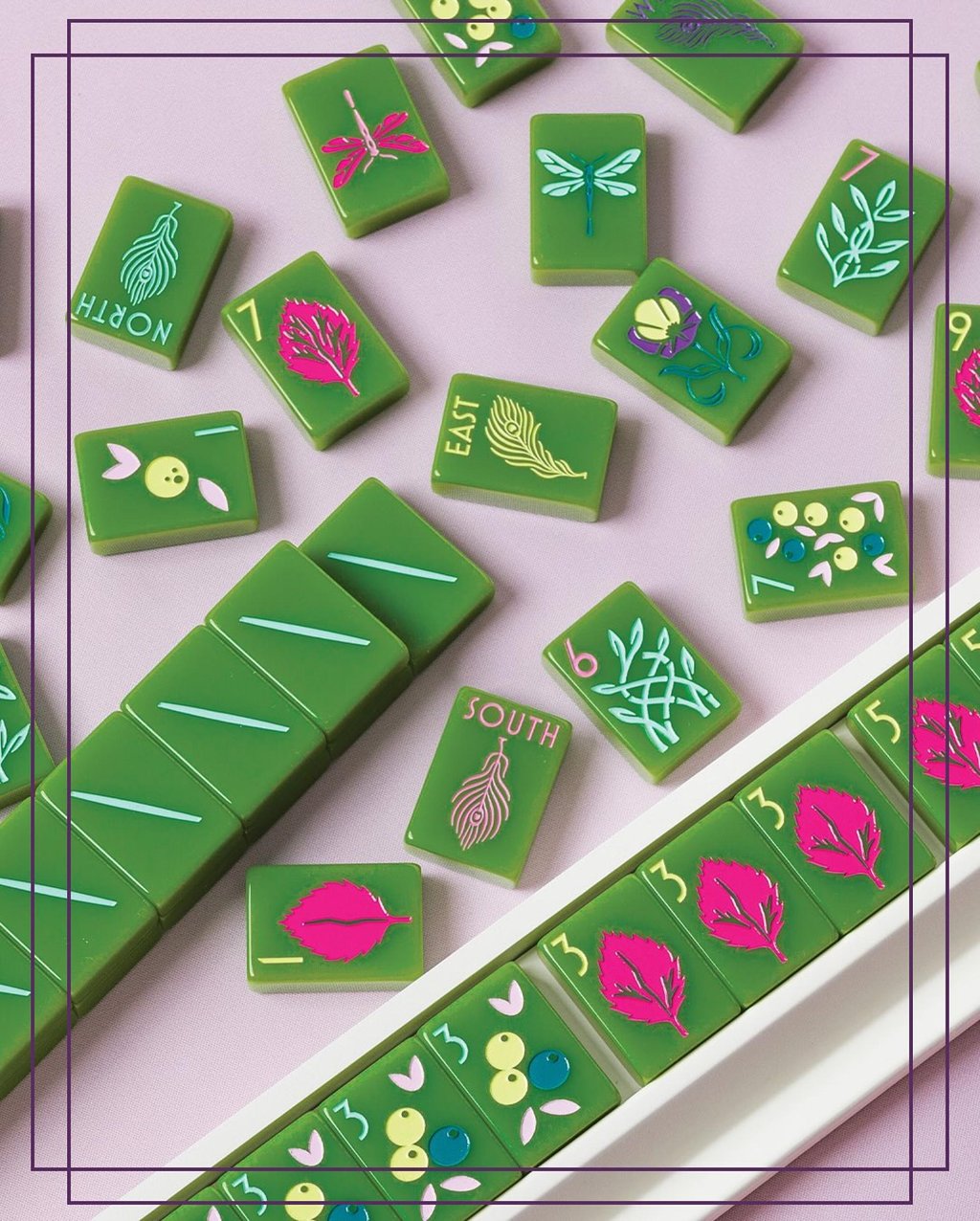
It was a total redesign. The traditional Chinese characters and symbols on the tile pieces were replaced with Western imagery such as a soldier, a castle, bubbles and bags of flour.

The Texan company’s three white women founders apologised in January 2021 for their “failure to pay proper homage to the game’s Chinese heritage” and use of words like “refresh”.

However, a quick scroll through the brand’s social media suggests the company has continued to change the symbols on its sets.

In an October 2025 post, The Mahjong Line, which now has more than 86,000 followers on Instagram, announced its new “Avocado Green Mahjong Tiles” that, with their floral motifs, looks like they come from a completely different game.

Texas company The Mahjong Line’s “Avocado Green Mahjong Tiles” are adorned with floral motifs. Photo: Instagram/themahjongline

Texas company The Mahjong Line’s “Avocado Green Mahjong Tiles” are adorned with floral motifs. Photo: Instagram/themahjongline

According to the Oxford Learner’s Dictionaries, the definition of “cultural appropriation” is “the act of copying or using the customs and traditions of a group or culture that is not your own, in a way that is considered to show a lack of respect or understanding”.

There is a difference between cultural appreciation and cultural appropriation. The line becomes painfully clear when it is crossed for profit by members of a historically more dominant and privileged people, with presumably little connection to the culture’s roots.

The cheapest full set on The Mahjong Line retails for just under HK$3,000 (US$380) when visiting the website from Hong Kong, whereas a machine-made set with true-to-origin designs can cost less than HK$500.

Ashlyn Chak

Ashlyn joined the Post’s culture desk in 2022. She holds two degrees from the University of the Arts London and launched her career in New York. Besides writing, she enjoys films that pass the Bechdel test, walkable cities, and spicy cocktails.

# How people are finding community through the tile game Mahjong

UPDATED MARCH 9, 20261:36 PM ET

HEARD ON ALL THINGS CONSIDERED

By

Mia Venkat

,

Sarah McCammon

People learn and play American Mahjong at the Capital Jewish Museum in Washington, D.C. In-person meetups to play Mahjong are growing in popularity along with interest in the game.

Attendees learn and play American Mahjong at the Capital Jewish Museum in Washington, D.C. In-person meetups to play Mahjong are growing in popularity along with interest in the game.

Maansi Srivastava for NPR

A surge of interest in the Chinese tile game Mahjong is building a community in Washington, D.C., as players of all ages look for joy, in-person connection and time off of their phones.

First introduced in the U.S. in the 1920s, the centuries-old game consists of tiles that players must place in specific combinations. Both physical and digital versions of the game have remained of interest worldwide. But over the last year, the game has seen increased interest specifically among Gen Z and Millennials — including through social media content focused on the gameplay and history of Mahjong.

In-person meetups to play Mahjong are also growing in popularity, and NPR had the opportunity to visit the Capital Jewish Museum on a Sunday afternoon in D.C. for a free drop-in game of Mahjong. The gathering featured two tables overflowing with folks that were there to learn the game for the first time, while others with a wide range of experiences played at tables around them.

You can listen to the full interview by clicking on the blue play button above. And you can view a selection of images from the drop-in Mahjong event below.

David Horowitz teaches a class of American Mahjong to new students.

One of the event’s organizers, David Horowitz (center), teaches a class to new students.

Maansi Srivastava for NPR

Claire Boyle (left) and Katie Murray (right) learn to play American Mahjong.

Claire Boyle (left) and Katie Murray (right) learn to play American Mahjong.

Maansi Srivastava for NPR

Attendees look over the rules at the Mahjong drop-in event.

Attendees look over the rules at the Mahjong drop-in event.

Maansi Srivastava for NPR

Grace Folk (left), Sophia Rosso, Andrew Maisel, and Will Tucker-Ray learn to play American Mahjong. Roommates Folk and Rosso said that they are trying new, inexpensive hobbies that get them out of the house and off their phones.

Grace Folk (left), Sophia Rosso, Andrew Maisel, and Will Tucker-Ray learn to play American Mahjong. Roommates Folk and Rosso said that they are trying new, inexpensive hobbies that get them out of the house and off their phones.

Maansi Srivastava for NPR

Event co-organizer Jon Gann teaches new students. He is proud that he and Horowitz have built a grassroots community around Mahjong.

Event co-organizer Jon Gann teaches new students. He is proud that he and Horowitz have built a grassroots community around Mahjong.

Maansi Srivastava for NPR

Typically, the game is played with four people at a square table but some folks are doubled up with their friends.

Typically, the game is played with four people at a square table but some folks are doubled up with their friends.

Maansi Srivastava for NPR

People place tiles on their racks around a board with colorful triangles.

“We’re in an age right now where people are looking for joy, and this gives people a good time for a few hours,” David Horowitz said.

Maansi Srivastava for NPR

> # Game over for Hong Kong shop selling hand-carved mahjong tiles for 47 years

Kung Yau Cheung Mahjong in Mong Kok will close on March 28

2-MIN READ

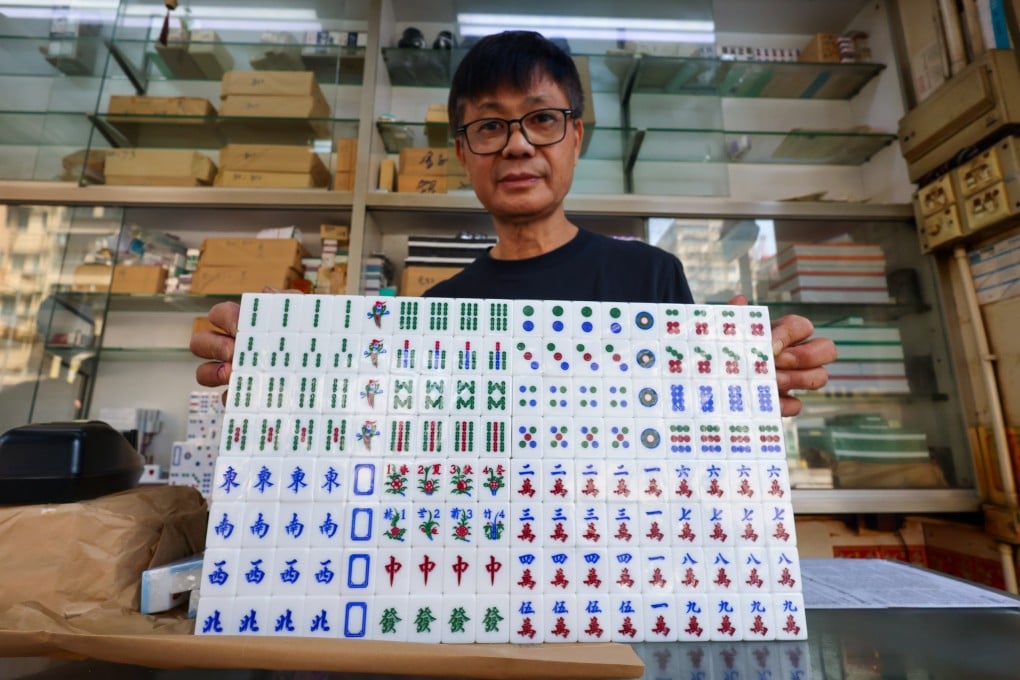
Ko Yun-kan has been unable to find a new suitable location for the shop. Photo: Dickson Lee

Danny Mok

Published: 9:24pm, 22 Mar 2026Updated: 11:51pm, 22 Mar 2026

A shop selling hand-carved mahjong tiles will close for good this week after nearly half a century, marking the demise of one of Hong Kong’s few remaining traditional handicraft stores.

Kung Yau Cheung Mahjong, founded 47 years ago, announced it would close on March 28.

Owner and artisan carver Ko Yun-kan, who entered the trade aged 18, said the closure of the Mong Kok shop was not due to poor business but because the landlord had decided to take back the street-corner premises earlier this year.

Ko, now in his sixties, said the shop on Shanghai Street was his first job and had been his life’s work.

He said he had tried to find a new location but could not secure a suitable site, and had decided to retire for now. Ko added that having devoted himself to the craft every day for years, he lost the work overnight and felt a sense of loss.

The shop was founded by his master, with Ko taking over in the 1990s. He said he grew up along with the business, witnessing both the evolution of Mong Kok and the decline of traditional craftsmanship.

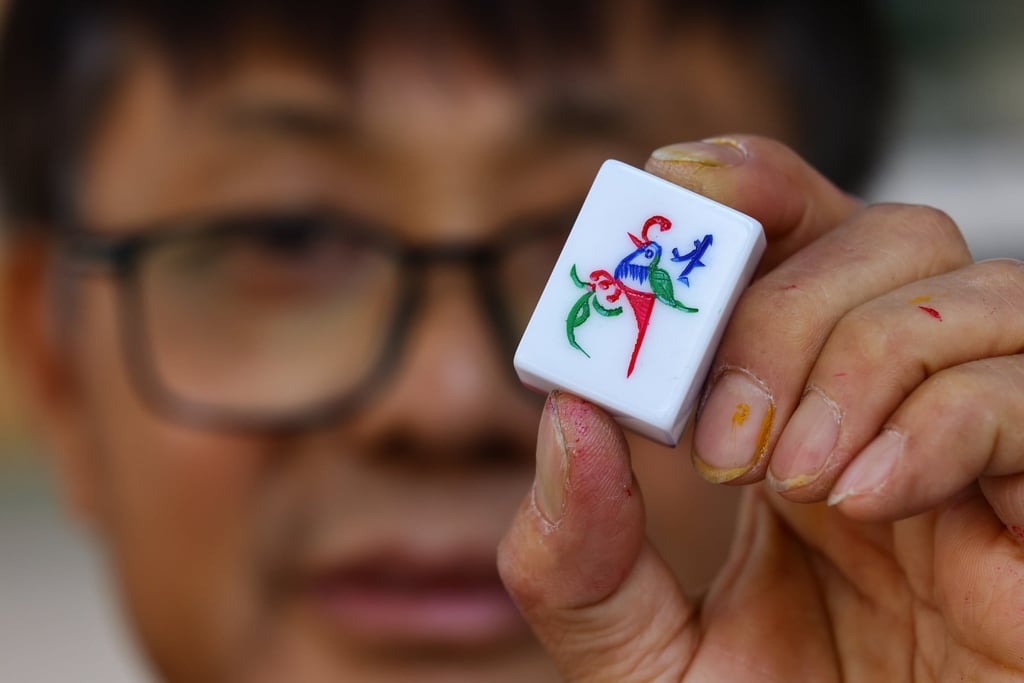
Ko Yun-kan has been making the tiles since he was 18. Photo: Dickson Lee

Ko Yun-kan has been making the tiles since he was 18. Photo: Dickson Lee

Shanghai Street, once a hub for tailoring shops, is now dominated by construction material outlets.

The hand-carved mahjong tile business has faced similar challenges. Though the craft was listed as intangible cultural heritage in 2014, machine-made tiles became mainstream in the 1980s, offering lower prices and efficiency.

Electronic mahjong tables in the late 1990s – which reshuffle tiles automatically – further reduced demand for traditional sets.

Ko said that while machine-made tiles cost around HK$800 to HK$900 per set, hand-carved ones could fetch HK$5,000. Still, many players came to his shop to replace missing or faded tiles, which he could carve within minutes. Customers usually collected their replacements within a few days.

News of the closure drew crowds of old and new patrons eager to buy or order hand-carved tiles before the shop shuts.

Ko said he would continue working as long as customers visited him.

Danny Mok

Danny Mok joined the Post in 2006 and covers late-night breaking news. Danny studied sociology and journalism at the Chinese University of Hong Kong.