Busted TCM practitioners

[QUOTE=KTS;967871]i can almost swear i saw this on tv!!! or something at least similar. pretty sure it was this story though![/QUOTE]

but yeah, my “brush” w/these places was one in my old neighborhood that advertised tuina and qigong - I was like, “Hmmm, storefront tuina and qigong in my neighborhood? what a bargain! But soft, let us see what reward Dame Fortune might bestow upon my inquires…”; needless to say, it was immediately obvious the nature of the beast (literally - the old bag was definitey one of the Lee sisters - you know, Ug, Beast & Home…)

Zhao Dan and Guo Jing

This is not the best way for weight loss.

This is the way to get busted.

Chinese actresses jailed for selling fake diet pills on social media
Zhao Dan and Guo Jing sold the traditional Chinese medicine capsules on WeChat and used couriers to send them to buyers across the country
They were in partnership with a couple who were earlier given jail terms
Alice Yan
Published: 7:30pm, 19 Apr, 2019


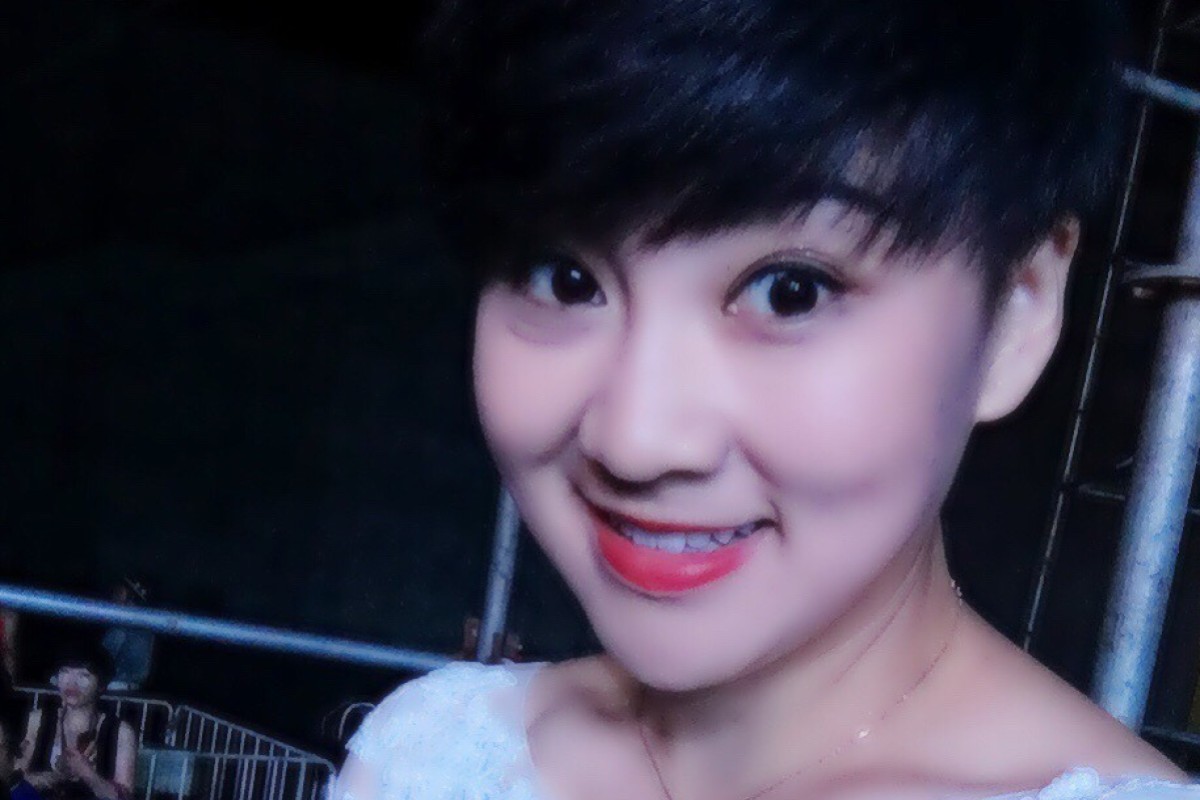
Actress Zhao Dan, 33, gained fans after shedding half her weight in 2016. Photo: Weibo

Two small-time Chinese actresses employed by the same entertainment company have been jailed for manufacturing and selling fake slimming medicines, according to mainland media.
Zhao Dan and Guo Jing, both 33 and contracted by Benshan Media Group, were handed prison sentences of three years and one year respectively, Beijing Youth Daily reported.
A court in Beijing said the traditional Chinese medicine capsules they sold through social media were not registered with the drug authority and, under Chinese law, were therefore regarded as fake medicine.
They sold the drugs from March to October in 2016, in partnership with a woman surnamed Wang and her husband, identified only by his family name Gu. The couple were already in jail.
Zhao, an apprentice of popular Chinese comedian Zhao Benshan, is better known by her stage name, Plump Girl, on the mainland. She gained many fans after shedding half her weight, going from 110kg in 2014 to 55kg in 2016.
“While I was live-streaming on the Yingke app, many viewers asked me how I managed to lose weight,” Zhao told the court. “I said I took the slimming drugs. They asked me where to buy the medicine and I told them to contact Guo and Wang.”
They promoted the drugs on streaming apps and WeChat, claiming they had been developed by senior traditional Chinese medicine doctors and did not have any side effects.
The group packed and wrote instructions for the drugs themselves, though it was unclear where the capsules were sourced from. They then contacted buyers on WeChat and used couriers to send them to customers across the country.
Guo said they sold the medicines for 1,900 yuan (US$280) a set, making 400 yuan profit on each one.
Their gross revenue reached 1.1 million yuan, according to the court.
Zhao and Guo were arrested in February last year.

Ms Foo Tiam Thay

Singapore
TCM practitioner fined, suspended after treating patient remotely for 3 years
image: data:image/gif;base64,R0lGODlhAQABAAAAACH5BAEKAAEALAAAAAABAAEAAAICTAEAOw==
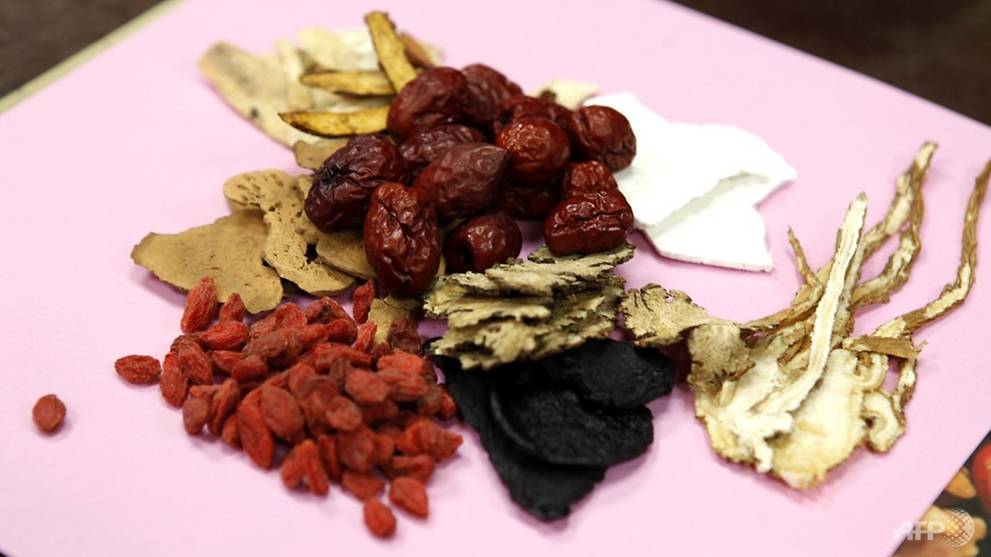

File photo of traditional Chinese herbal medicine. (Photo: AFP)

06 Aug 2019 06:30PM (Updated: 06 Aug 2019 06:30PM)

SINGAPORE: A traditional chinese medicine practitioner has been fined S$5,000 and given a two-month suspension after a series of lapses, including treating a patient remotely for about three years, the TCM Practitioners Board said on Tuesday (Aug 6).

In a press release, the board said it received a complaint against Ms Foo Tiam Thay in March 2017, alleging that she had been treating the complainant’s elder brother through remote consultations for three years.

The complainant said that Ms Foo would prescribe and dispense medication to the patient, who was intellectually challenged and suffered poor digestion and bowel issues, without adequate clinical assessment and examination.

Medical records showed that Ms Foo last saw the patient on Aug 24, 2014.

“There was no evidence of any face-to-face consultation or physical evaluation done by Ms Foo thereafter,” said the board. “Ms Foo only spoke to the patient’s mother on a weekly basis over the phone to understand the patient’s medical condition and then proceeded with prescription of TCM medications for the patient.”

The medicines were then mailed to the patient’s home.

The patient’s sister also accused Ms Foo of visiting their home once without prior consent to retrieve unconsumed medication. “In the course of the visit, Ms Foo complained to the patient’s mother that the complainant should not have lodged the complaint to the Board,” the release stated.

It was also revealed that during the course of the investigation, Ms Foo had produced patient records that did not comply with ethical guidelines.

An investigation committee found that Ms Foo had breached TCM regulations by administering medication to the patient in the absence of face-to-face consultation and clinical evaluation for an extended period of about three years.

She had also failed to keep proper medical records so as to enable proper aftercare and service for the patient should any other TCM or medical health practitioner take over.

“Ms Foo was aware that the patient had a history of sigmoid volvulus and could possibly relapse and result in intestinal blockage,” the committee wrote in its findings.

“Despite having such knowledge, Ms Foo opted not to conduct any necessary and timely investigation to ascertain the patient’s medical condition and thus exposed the patient to significant risks and potential harm.”

The committee added that Ms Foo had failed to respect the patient and his family by going to their home without prior consent and expressing her unhappiness over the patient’s sister’s decision to file a complaint.

In its recommendations, the committee noted that Ms Foo had been “apologetic and remorseful” and admitted her mistakes.

It also noted that the remote consultations were done at the request and approval of the patient’s mother and that there was insufficient evidence that Ms Foo’s treatments had harmed or injured the patient.

The complaint was also the first made against her.

In addition to the fine and suspension, Ms Foo has also been imposed a censure and required to provide a written undertaking declaring she will refrain from prescribing and dispensing TCM medication and/or TCM treatment without performing adequate clinical assessments of her patient’s medical condition.

Source: CNA/ec(hs)

How does one pulse remotely? :rolleyes:
Shu Yuhui

Asia
China court jails founder of traditional medicine firm over pyramid scheme


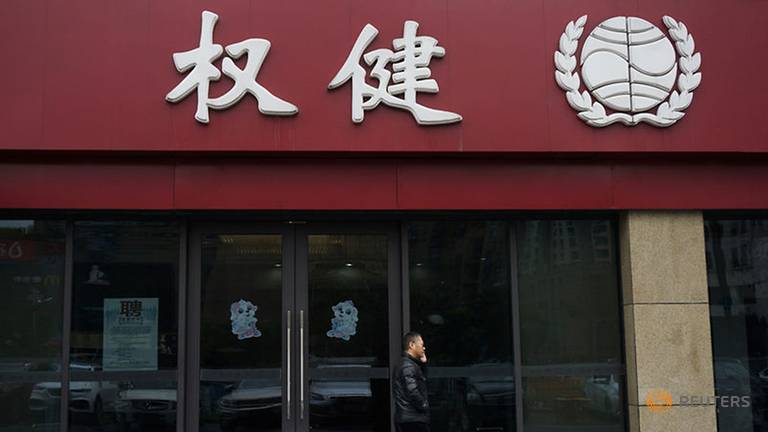
A man walks outside a branch of traditional Chinese medicine (TCM) firm Quanjian Group, in Hangzhou, Zhejiang province, China, Dec 27, 2018. (Photo: Reuters)
09 Jan 2020 08:54AM

BEIJING: A Chinese court jailed on Wednesday (Jan 8) the founder of a local traditional Chinese medicine firm for running a pyramid scheme, after the death of a young girl with cancer was linked to the company in an online article that sparked anger on social media.

Shu Yuhui, founder and chairman of Quanjian Nature Medicine Technology Development, was sentenced to nine years in prison and fined 50 million yuan (US$7.2 million), according to the court. The company was fined 100 million yuan.

Shu was arrested a year ago, soon after an online article recounting the death from cancer of a four-year-old girl who had received treatment from the firm went viral on social media.

The article, on healthcare platform DXY.cn, accused Quanjian of using misleading advertising to attract patients with claims about its treatments. The company said in a social media post at the time that the article was inaccurate.

Quanjian was found to have lured victims with large-value rewards into buying overpriced products, becoming the company’s members and recruiting more people into the business since 2007, the People’s Court of Wuqing District of Tianjin said on its official account on Twitter-like platform Weibo on Wednesday.

Calls to the company seeking comment went unanswered.

Operators of pyramid schemes typically make money by recruiting members, who pay fees to act as salespeople of goods, rather than relying on the sale of the goods themselves.

Founded in 2004 and headquartered in the northeastern city of Tianjin, Quanjian has expanded into an empire with billions of yuan in sales and many hospitals and stores, local media reported.

Source: Reuters
Can’t claim you can cure cancer if you can’t. :mad:

Illegal human placenta trade

Illegal human placenta trade in China using medical waste, funeral homes, despite risk of diseases like HIV, syphilis, hepatitis B
The trade is unregulated, meaning there are no checks to determine whether the organs contain contagious viruses like hepatitis B, HIV, or syphilis
One illegal trader said he sourced placentas illegally from a hospital where a cleaner stole them for him
Topic |
China Society
Alice Yan in Shanghai
Published: 7:00am, 17 Mar, 2021


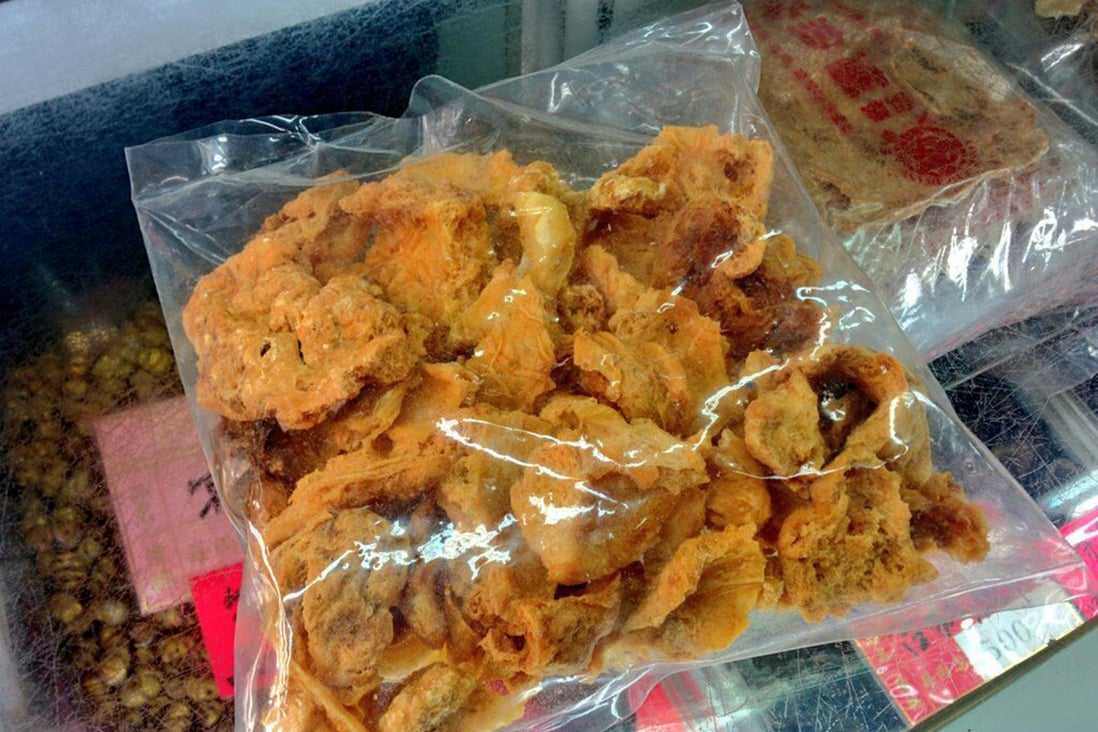
Human placenta biscuits on sale at a Traditional Chinese Medicine shop. Photo: SCMP
The black market for human placentas is thriving in China, despite the banning of the practice more than a decade ago, an investigative report has found.
People who buy fresh human placenta believe it has healing properties and will either cook and eat it, or process and it to businesses for use as traditional Chinese medicine (TCM), news portal Thepaper reported on Monday.
For many mainland Chinese human placenta or ziheche as it is known in TCM, is believed to be a legitimate treatment for those with weak immune systems and for help treating various illnesses such as tuberculosis and hypohemia, and for reproductive health.
According to the report, the trade in illegal placentas is mainly based in Bozhou in Anhui, Pizhou in Jiangsu, and Yongcheng in Henan. Traders collect placenta at around 80 yuan (US$12.30) each from hospitals, medical waste plants — even funeral homes. There are no regulations meaning there are no checks to determine whether the organs contained contagious viruses like hepatitis B, HIV, or syphilis.

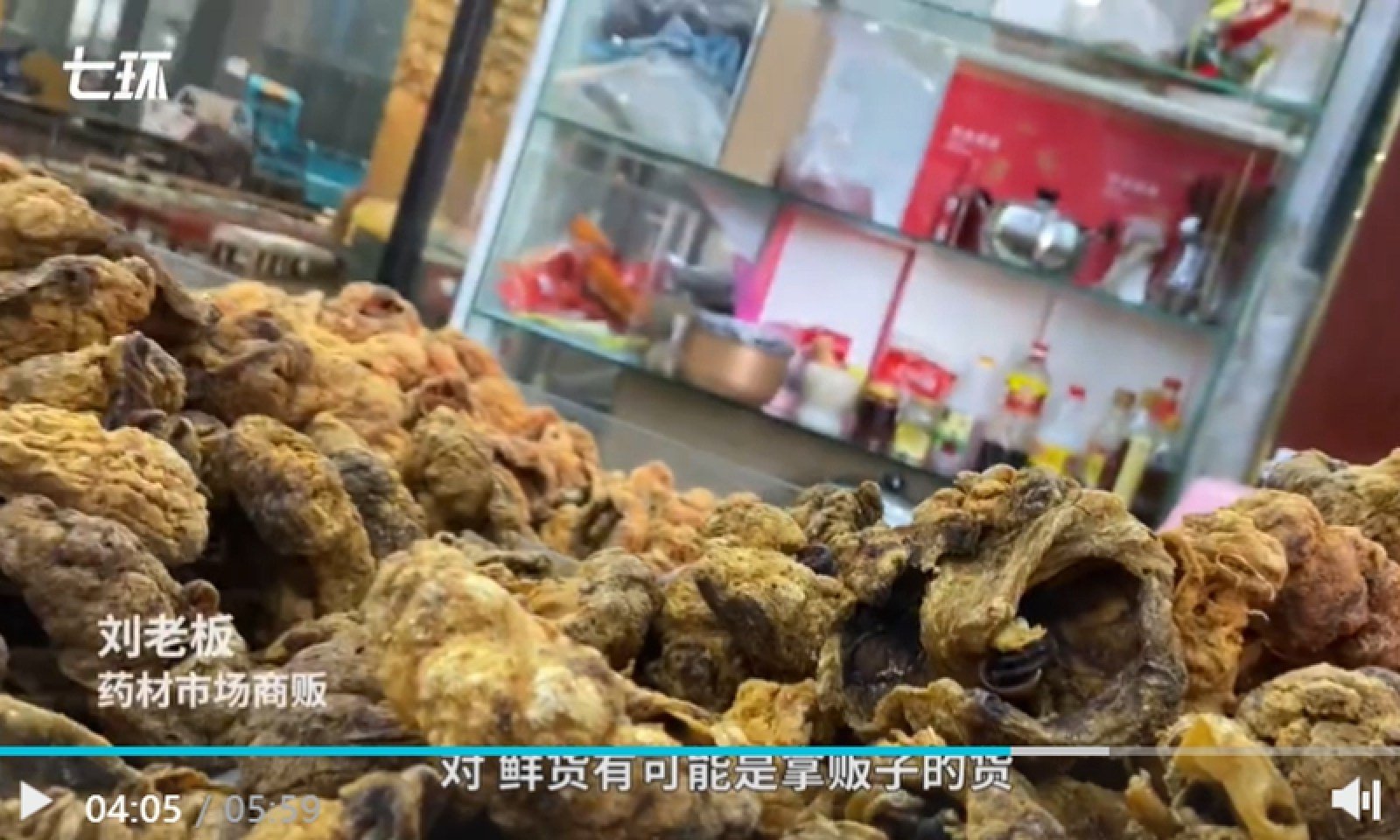
Ten years after a ban on the trade was passed in China the sale of placentas and related products is flourishing despite health warnings. Photo: thepaper.cn
Lin Xiu, an obstetrician from The Reproductive Hospital of Guangxi Zhuang Autonomous Region, said eating placenta is no different from eating meat but that placenta has no special function when consumed.
“But if the mother has got infectious diseases, the placenta will also carry the virus,” she was quoted as saying.
“Conventional cooking methods can not kill those viruses. Only like the steamed disinfection used in hospitals to disinfect surgery equipment can do [that].”
“So eating fresh human placenta might possibly make you infected with diseases. It’s dangerous for heath,” Lin said.
Pizhou resident Liu Yi, not his real name, said he has been selling placentas since 1996. His family processed 130,000 fresh human placentas last year, he told the news website.

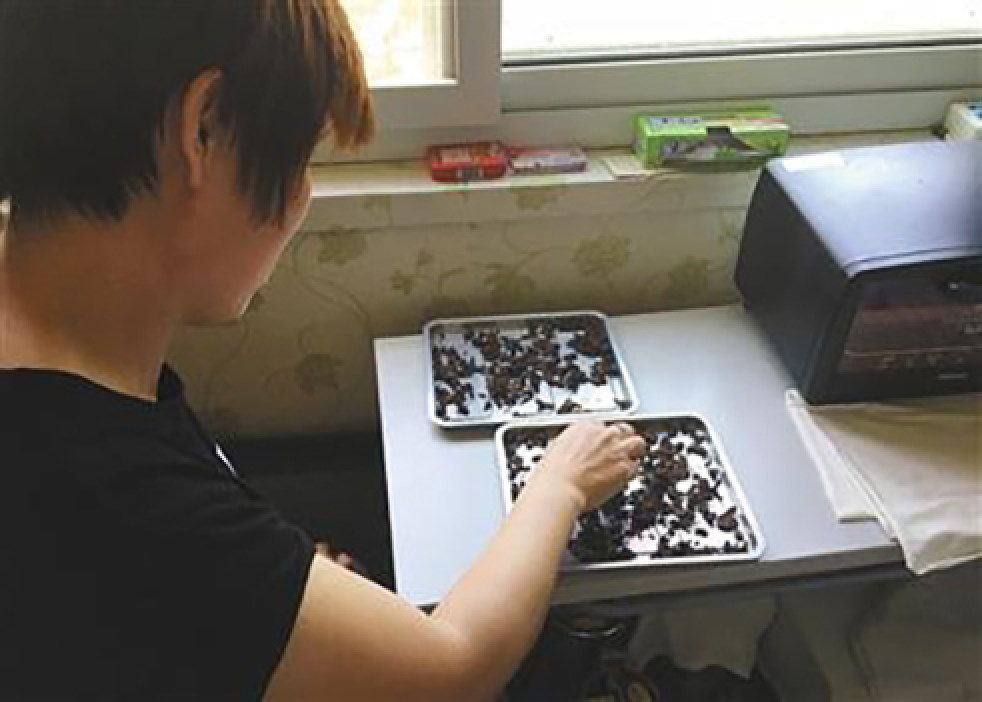
Placentas being processed in China. Placentas from the birth of a boy are more highly prized than those from the birth of a girl. Photo: Handout
Another Pizhou man, Yan Jun, also an alias, said his family processes over 7,000 human placentas a month to be turned into dry goods with a combined weight of 700-800 kg.
Both men said they earned about 5 yuan (77 US cents) per dried placenta.
Yan said in the past, it was easy for him to get placenta from hospitals. But after the strict crack-down in recent years, he had to turn to medical waste disposing plants or middlemen to get placenta. One of these contacts is a cleaner in a hospital in Ezhou of Hubei, said Yan.
The Ministry of Health states that that the placenta is owned by the woman who has given birth. When the new mothers decide to abandon it, hospitals will dispose of the organ – usually as medical waste.
On online shopping platform Taobao, placenta from a boy is sold at 480 yuan (US$73) and 450 yuan (US$69) from a girl. The price difference is due to a long-term belief in China that a baby boy’s placenta has stronger health benefits. Online sellers often use vague or cryptic language to disguise what they are selling to avoid detection by authorities.

Dried placentas are also used by some pharmaceutical companies that operate in a legally grey area. Photo: Shutterstock
One shop owner said many of his consumers cook soup with the placenta.
“I have bought placentas multiple times. I stewed it or chopped it into stuffings for dumplings,” one person wrote on the shop website. “After eating the placenta, I feel my sleep quality has improved and my skin has become better.”
Some pharmaceutical companies also sell Ziheche-related products.
The pharmaceutical placenta trade falls into a grey area; although the Ministry of Health banned the trade of human placentas in 2005, there is no law forbidding the sale of drugs made from Ziheche and no stipulations on the origin of the material.
Comment has been sought from the Ministry of Health.

I shouldn’t surf the web while eating dinner…