I don’t care for the word ‘supernatural’.
Coincidentally (or not), Shaw Brothers star Alexander Fu Sheng was living in Bruce Lee’s house at the time he died as a result of a car accident, 10 years to the month later, on July 7, 1983.
I don’t care for the word ‘supernatural’.
Coincidentally (or not), Shaw Brothers star Alexander Fu Sheng was living in Bruce Lee’s house at the time he died as a result of a car accident, 10 years to the month later, on July 7, 1983.
As far as BL being Jewish; I thought Jewish was a religion, not a race. There are Chinese Jews in China (in Henan Province, I believe). Funny, I’d always heard that BL’s European blood was German. Whatever, it was supposedly enough for BL’s Wing Chun classmates to get Ip Man to expel BL from his school for not being ‘pure’ Chinese. I’ve never heard of anybody describing BL as ‘That Englishman,’ or ‘That Dutch Jew’. BL looked more like the Western image of ‘purely Asian’ than my dad’s side of the family (all Japanese, BTW).
If the results I always hear about from people who use DNA services like ‘23 and me’ and others are true and accurate, EVERYBODY is a mutt. No surprise there. There is no such thing as ‘pure’ anything.
I’ll certainly be getting a copy of the book for myself. I’m still a fan of BL, but was never a BL worshiper. He was definitely a highly talented and fascinating person that many still either put on a pedestal or talk trash about. Some like to say that BL created a new Asian stereotype with his martial arts moves and ‘cat cries’. That may be true, but it was certainly unintended on his part (his Hong Kong movies weren’t even intended for Western audiences). Anybody who trashes him for that should look at the Asian stereotypes that preceded BL’s superstardom (many of which amazingly still exist today).
INTERVIEW with KUNG FU TEA
 Interview : https://chinesemartialstudies.com/2018/07/08/matthew-polly-on-bruce-lee-and-the-art-of-writing-a-life/
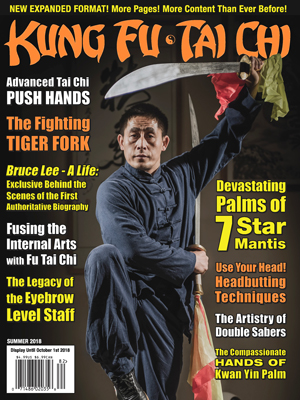
SUMMER 2018 Kung Fu Tai Chi
READ Bruce Lee – A Life: A New Biography from Martial Author Matthew Polly By Gene Ching in our SUMMER 2018 issue.
I’ve ordered my copy and am looking forward to it.
In honor of the 45th anniversary of the passing of Bruce Lee…
…our first meme for our current issue.

THREADS:
Summer 2018
Bruce Lee: A Life by Matt Polly
Bruce Lee Memorials
Good reading!!!
I finished this book within a week and I was sorry when I finished as I truly enjoyed Matt’s bio on Bruce Lee. The book had lots of information I did not know about Bruce and lots I knew, the new information was well worth the price of the book. Matt presented the single mindedness of Bruce in an era where Hollywood did not know what to make of him and certainly did not appreciate him. What also stuck out for me was how Bruce kept asking Stirling Silliphant and James Coburn to help him get The Silent Flute made and tried as they may, could not not get Hollywood interested. When Bruce finally made it big and Stirling and James asked Bruce to revisit it, Bruce was being a hard-ass about it, telling his friends he was too big. To his friends, who tried to help him. Bruce was certainly obsessively driven from the get go, as though he knew he only had a limited amount of time to do what he wanted…
In his footnotes, Matt mentioned he did not know of any Chinese Gung Fu presented in any American TV or movie media before 1966 (?); in the 1963 movie, 55 Days at Peking with Charlton Heston and Ava Gardner, there is a scene where Hung Ga Gung Fu is demonstrated by someone from the LSW lineage, to the Chinese Imperial Court, if I’m not mistaken.
[QUOTE=SifuYui;1309874]In his footnotes, Matt mentioned he did not know of any Chinese Gung Fu presented in any American TV or movie media before 1966 (?); in the 1963 movie, 55 Days at Peking with Charlton Heston and Ava Gardner, there is a scene where Hung Ga Gung Fu is demonstrated by someone from the LSW lineage, to the Chinese Imperial Court, if I’m not mistaken.[/QUOTE]
IIRC, there was a Bay Area Fut Ga master who was the first TCMAist to appear on American TV, doing demos; I think it was sometime in the 1950s(?). I forgot his name, but he was a big name in the San Francisco CMA scene back in that time period and into the '60s and maybe the '70s.
Interesting that 55 Days at Peking would have a Hung Ga demo in it. In the 1975 Shaw Brothers movie Boxer Rebellion, directed by Chang Cheh, there is a scene in which Chi Kuan-Chun performs (I believe) Sup Ying Kuen, and Alexander Fu Sheng performs another Hung Ga set in front of the Empress Dowager, played by Lily Hua.
[QUOTE=SifuYui;1309874]I finished this book within a week and I was sorry when I finished as I truly enjoyed Matt’s bio on Bruce Lee. The book had lots of information I did not know about Bruce and lots I knew, the new information was well worth the price of the book. Matt presented the single mindedness of Bruce in an era where Hollywood did not know what to make of him and certainly did not appreciate him. What also stuck out for me was how Bruce kept asking Stirling Silliphant and James Coburn to help him get The Silent Flute made and tried as they may, could not not get Hollywood interested. When Bruce finally made it big and Stirling and James asked Bruce to revisit it, Bruce was being a hard-ass about it, telling his friends he was too big. To his friends, who tried to help him. Bruce was certainly obsessively driven from the get go, as though he knew he only had a limited amount of time to do what he wanted…
In his footnotes, Matt mentioned he did not know of any Chinese Gung Fu presented in any American TV or movie media before 1966 (?); in the 1963 movie, 55 Days at Peking with Charlton Heston and Ava Gardner, there is a scene where Hung Ga Gung Fu is demonstrated by someone from the LSW lineage, to the Chinese Imperial Court, if I’m not mistaken.[/QUOTE]
I found it ,not really Hung Ga far as I can see,but could be Hung Ga guys.
Starts at 8:00 mints
HIP WAH!
[QUOTE=yeshe;1309876]I found it ,not really Hung Ga far as I can see,but could be Hung Ga guys.
Starts at 8:00 mints
HIP WAH!
https://youtu.be/3acHUlH6OYQ[/QUOTE]
It looks more like some Beijing opera performers. Nevertheless, very interesting for a 1955 American movie. Although, LOL at the actors in yellowface.
Here is the part of the scene in 1975’s Boxer Rebellion where Chi Kuan-Chum demos before the Empress Dowager:
And supposedly, the first time kung fu was featured on American TV was in 1955 on NBC’s The Home Show, with Arlene Francis and Hugh Downs. Students of T.Y. Wong performed. (Source: Striking Distance: Bruce Lee and the Dawn of Martial Arts in America, by Charles Russo).
Wow, talk about having a bad memory; that’s nothing like HG, LOL! I haven’t seen the movie in a long time, but remember hearing someone famous was in the clip; that’s what I get for trying to do things from memory. The main performer’s name is Yuen Siu Tin (the hermit who trains Jackie Chan in Snake in Eagle’s Shadow and Yuen Wo Ping’s father). The big guy Charlton Heston pokes the sword at is Milton Reid, a veteran of American movies.
Thanks Yeshe for finding the clip and setting me straight, LOL!
Better late then never
Enter The Legend: ‘Dragon’ Turns 45
Download Transcript
August 17, 2018 4:53 AM ET
Heard on Morning Edition
JUSTIN RICHMOND

Bruce Lee on the set of Enter the Dragon.
Sunset Boulevard/Corbis via Getty Images
When the seminal martial arts film Enter the Dragon premiered in August 1973 — 45 years ago this weekend — it was exactly what Bruce Lee had been waiting for: A starring role in a Hollywood production.
Kung fu meets blaxploitation, and all action, Enter the Dragon was a hit at the box office. It grossed over $20 million in the United States, even beating out a Steve McQueen film, and was Warner Brothers’ top grossing film internationally that year.
It sparked an explosion of martial arts movies — which until then had largely only existed in Hong Kong. It was supposed to make Bruce Lee a star.
“Enter the Dragon was really a very precious project for him,” says Shannon Lee, Bruce’s daughter. “And the one that he had been waiting for.”
[QUOTE]What Bruce Lee wanted to do was to create a heroic Asian male character, but it simply didn’t exist.
Matthew Polly
But a month before the film’s premiere, he died. Instead of becoming a star, he became a legend.
Before martial arts films, Lee was a child actor in Hong Kong.
He played mostly dramatic roles. One film, The Orphan, actually made him a bit of a celebrity there — his performance was compared to James Dean’s in Rebel Without a Cause.
But any fame he had quickly disappeared when he left Hong Kong for the U.S., where he moved when his family felt he was getting in too much trouble at home. Lee, who had been a martial arts student since his early teens, decided to make a living as an instructor.
He didn’t plan on acting but was discovered by a TV producer. William Dozier, who produced the popular Batman TV series, cast Bruce Lee as sidekick Kato in The Green Hornet.
YouTube
The Green Hornet debuted on ABC on Sept. 9, 1966. Oddly enough, the original Star Trek series, featuring George Takei as Sulu, premiered the same week. Both shows were significant for casting Asian-American males in prominent roles on TV.
That was far from the norm.
“Up until The Green Hornet, it really was pretty much a wasteland as far as Asian-American continuous representation on television,” says Jeff Yang, a writer and host of the podcast They Call Us Bruce.
The Green Hornet didn’t catch on like the Batman series and was canceled after only a year. After a few more guest spots on TV and a movie, Lee was ready to play a new type of character — one that didn’t yet exist for Asian males in Hollywood.

Bruce Lee
A Life
by Matthew Polly
Hardcover, 640 pages purchase
“What Bruce Lee wanted to do was to create a heroic Asian male character,” says Matthew Polly, author of the new biography Bruce Lee: A Life. “But it simply didn’t exist. There were only two types of roles — Fu Manchu, the villain, and Charlie Chan, the model minority. And both of these characters were played by white actors in multiple films during the '50s and '60s.”
It was about this time Lee caught a lucky break.
He went back to Hong Kong to visit family and was greeted at the airport by producers eager to cast him. It had been over a decade since his last role in Hong Kong, but The Green Hornet had been playing there — except there it was called The Kato Show. Lee was again a star.
He decided to make martial arts films for Hong Kong audiences. He made three: The Big Boss, Fist of Fury and Way of the Dragon. All were hits in Hong Kong. So Lee reached out to a producer he knew at Warner Brothers.
Which is where Enter the Dragon, well, enters. A co-production between Lee’s Hong Kong studio, Golden Harvest, and Warner Brothers, it was the first martial arts film produced by an American studio. Lee was finally the heroic Asian star of a Hollywood movie. And he kicked butt.
Lee died a month before the film’s release in the U.S. and didn’t get to see the lasting influence it would have.
Without ‘Enter the Dragon’ most of the video games that we associate now with martial arts — certainly all of the television shows and films that have come afterwards … would not be the same.
Jeff Yang
“Without Enter the Dragon most of the video games that we associate now with martial arts — certainly all of the television shows and films that have come afterwards … would not be the same,” Yang says.
“You know, we take for granted now that Hollywood action movies, they have martial arts, they have fight choreography, they do all this amazing stuff,” says Phil Yu, the writer behind the site Angry Asian Man. “Before then we hadn’t really seen martial arts in that context in a Hollywood film.”
Lee’s influence stretched beyond the screen. The Wu-Tang Clan’s first album, one of the landmarks of hip-hop, was called Enter the Wu-Tang (36 Chambers) in honor of Lee’s last film.
“Man, I used to bang my hands on the wall trying to get iron palms, scrape my hands with beans,” says the RZA. “I got stretch marks on my shoulders because of kung fu things I was trying to do.”
Forty-five years after his death, Lee still turns up all over popular culture — just this week, Quentin Tarantino announced a new actor in his upcoming 1969 period piece, Once Upon A Time In Hollywood. The role? Bruce Lee.[/QUOTE]
THREADS:
Enter the Dragon
Bruce Lee: A Life by Matt Polly
Once Upon a Time in Hollywood
The Orphan (1960)
From Matt Polly’s facebook:
Matthew Polly
1 hr ·
BOOK TOUR UPDATE:
Thanks to my good friend Alan Canvan, I will be in Irvington, New York on Saturday, September 29 and Seattle, Washington on Friday, October 12 for a book signing, panel discussion, and special screening of Bruce Lee’s ‘The Orphan’ (1960). It is the last movie Bruce ever made as a child actor in Hong Kong and represents one of his most intriguing performances.
The film, unavailable in America, has been loaned to us by the Hong Kong Film Archives. So this is a unique opportunity. If you are nearby, I hope you will come. The event is free.

I’m hoping this comes through the SF Bay Area. I’ve never seen The Orphan. I have seen The Kid.
THREADS:
Bruce Lee filmography
Bruce Lee: A Life by Matt Polly
ttt 4 2019!
Now in paperback

By Joumana Khatib
May 30, 2019
Six new paperbacks to check out this week.
BRUCE LEE: A Life, by Matthew Polly. (Simon & Schuster, $20.) Among the first serious treatments of the martial arts star, this definitive biography follows Lee’s move from America to Hong Kong and back again, his time as a child star in Asia, the reverse racism he experienced and his rise to prominence in the United States. Above all, Polly explores how Lee’s fame helped reshape perceptions of Asian-Americans in the United States.
THE OPTIMISTIC DECADE, by Heather Abel. (Algonquin, $15.95.) A back-to-the-land summer camp attracts a charismatic leader and a bevy of followers, who encounter the limits of their ideals in the Colorado desert. Our reviewer, Zoe Greenberg, called Abel “a perceptive writer whose astute observations keep the book funny and light even under the weight of its Big Ideas.”
INDIANAPOLIS: The True Story of the Worst Sea Disaster in U.S. Naval History and the Fifty-Year Fight to Exonerate an Innocent Man, by Lynn Vincent and Sara Vladic. (Simon & Schuster, $18.) Nearly 900 people died when the U.S.S. Indianapolis, a Navy cruiser, was torpedoed by a Japanese submarine in 1945, but the story has long been incomplete. Vincent, a Navy veteran, and Vladic, a filmmaker, offer a fuller view of the episode.
FRUIT OF THE DRUNKEN TREE, by Ingrid Rojas Contreras. (Anchor, $16.) Drawing on the author’s own experiences, this debut novel describes life in Escobar-era Colombia. Narrated by a young girl, Chula, and her family’s maid from a nearby slum, the story captures the despair, confusion and chaos as the country’s conflict raged. Our reviewer, Julianne Pachico, praised the book, writing, “You don’t need to have grown up in Bogotá to be taken in by Contreras’s simple but memorable prose and absorbing story line.”
DON’T MAKE ME PULL OVER! An Informal History of the Family Road Trip, by Richard Ratay. (Scribner, $17.) This playful account conjures up the era before air travel was within reach for many American families, and explores how the Interstate transformed people’s relationship to the country. Part history, part memoir (Ratay recalls with fondness trips from his own childhood), the book is a love letter to the 1970s.
A LUCKY MAN: Stories, by Jamel Brinkley. (Public Space/Graywolf, $16.) A finalist for the National Book Award, this collection explores race, class and intimacy in the lives of black men. In the title story, a man whose wife seems to have left him examines his expectations of what the world owes him, what he feels he can take from others and what it would mean if his good fortune ran out.
As if we haven’t heard enough about Bruce’s training already
Bruce is exceptional but I’m posting this in Training for Movies anyway (and also in Bruce Lee: A Life by Matt Polly)
Bruce Lee’s fitness regime and diet made him a pioneer among athletes and martial artists alike
Enter The Dragon star was ahead of his time, reaping benefits of strength and conditioning training 50 years ago
Lee also drank protein shakes – including a blend of entire raw hamburgers – long before they became commonplace for modern athletes
Nicolas Atkin
Published: 7:33pm, 20 Jun, 2019
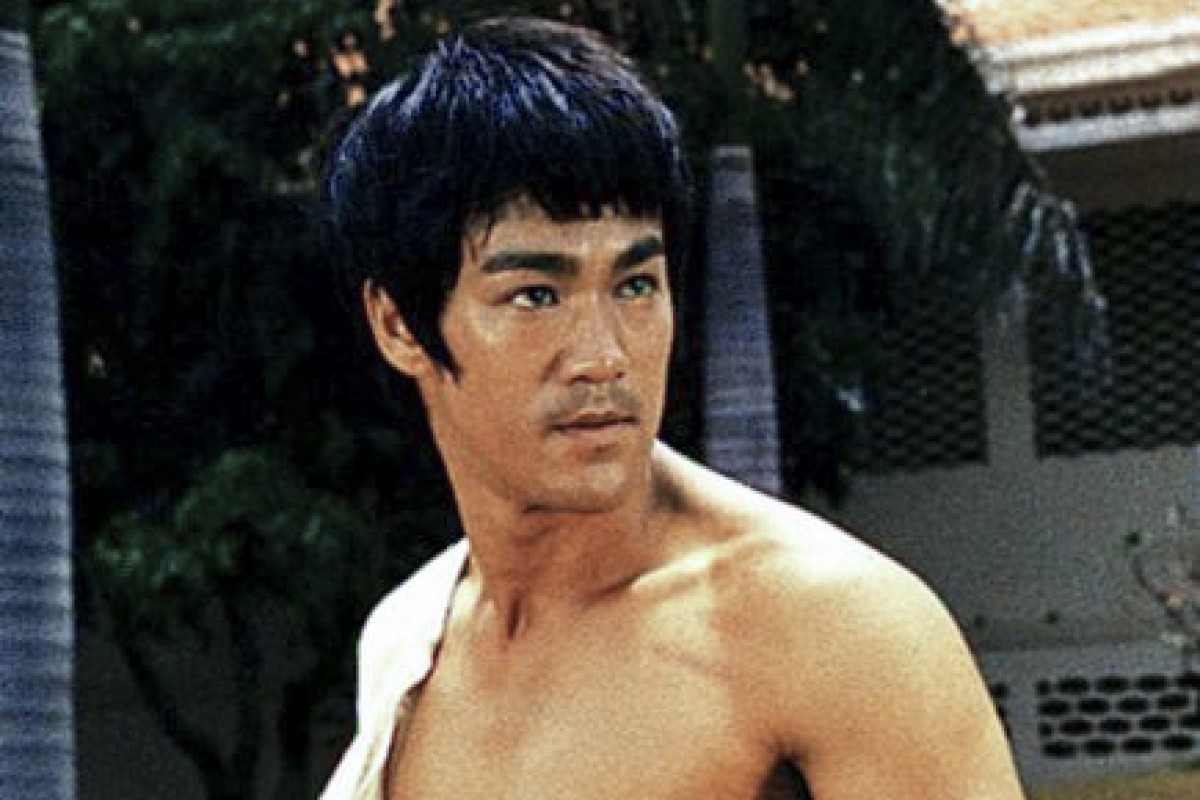
Bruce Lee in 1971 film The Big Boss. Photo: Handout
Bruce Lee is known as the “Godfather of MMA” but he was also a pioneer when it came to his training regime and diet – which included drinking a blend of raw hamburger meat.
Biographer Matthew Polly’s Bruce Lee: A Life, which was released on paperback last month, details how Lee was the first martial artist to train like a modern athlete.
The Enter The Dragon star reaped the benefits of strength and conditioning training 50 years ago, long before it became a habit of professional sports stars to hit the gym to improve their game.
As with his jeet kune do fighting style, which consisted of taking bits and pieces from multiple styles and blending them into one, Lee took training methods from other athletic spheres and forged them all into his own unique regime.
Polly writes that Bruce Lee recognised that strength and conditioning training was crucial to becoming the ultimate fighter. Whereas athletes to that point would simply practise their own sport, Lee was the first to integrate outside gym work to his routine.
Accordingly, Lee employed training methods from boxing such as skipping and road running to improve his endurance. He would run four to five miles each morning and lifted weights three nights a week, installing a squat rack, bench press, dumbbells, grip machine and an isometric machine in his garage.
To alleviate the increased muscle aches, soreness and exhaustion brought on by such rigorous training, Lee used an idea he got from a fitness coach with NFL team the LA Rams, buying an electric muscle stimulator from James Garvey, founder of FlexTone, in 1972.
And 21 years later in 1993, the company sold muscle stimulators to Valencia Studios in California for the production of the Bruce Lee movie Dragon: The Bruce Lee Story.
“Three minutes is like doing 200 push-ups,” said Lee, who discovered a unique way to use the technology to enhance muscle tone and definition, in tandem with his workouts.
Lee was also an early pioneer of using protein shakes, drinking a high protein blend several times a day which contained protein powder, iced water, powdered milk, eggs, eggshells, bananas, vegetable oil, peanut flour and chocolate ice cream.
He also used supplements long before they were commonplace for athletes, and even drank a blend of entire raw hamburgers.
This approach to diet and fitness helped Lee with his martial arts but just importantly it helped him maintain his film star physique and good looks.
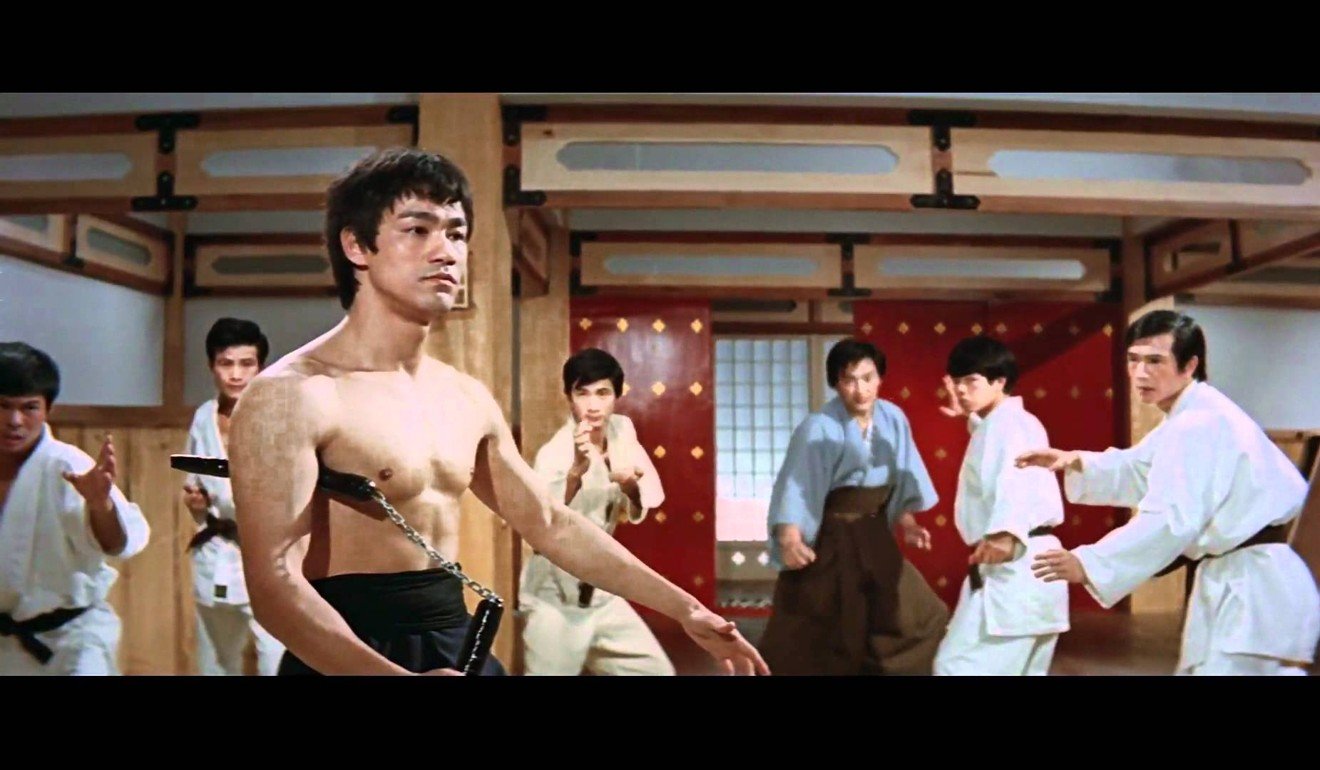
Bruce Lee in Fist of Fury. Photo: Golden Harvest
Lee went with lighter weights and higher repetitions to maintain a lean and ripped look, instead of getting big like a bodybuilder.
According to Polly, Lee knew he needed to train hard to land leading roles in Hollywood, which was dominated by taller, muscle-bound white men.
“His passion may have been the martial arts but his profession was acting,” writes Polly.
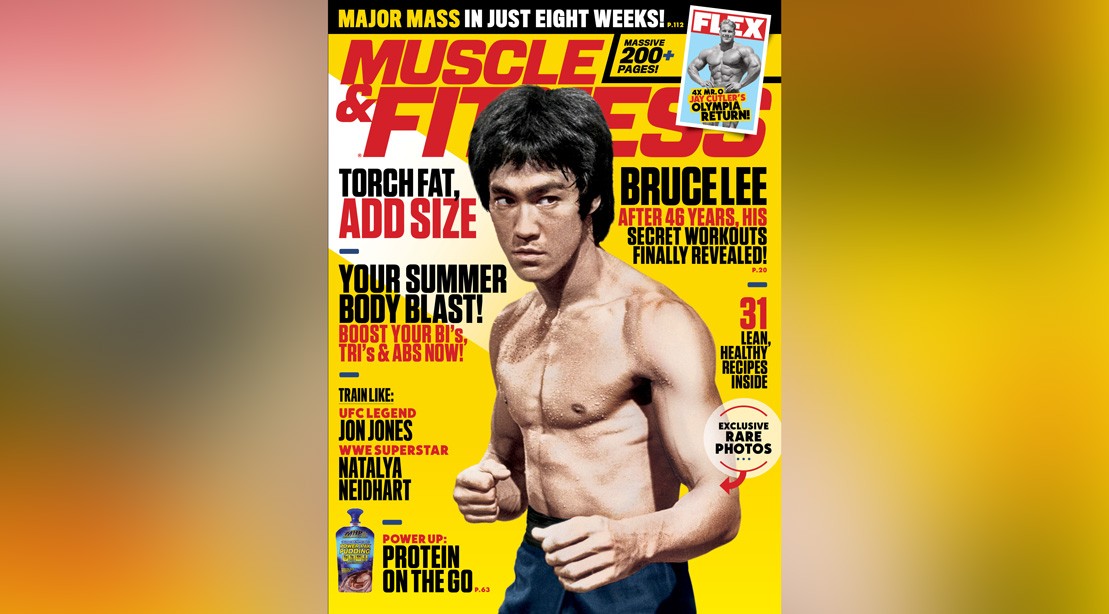
Bruce is also on the cover of the latest Muscle and Fitness (July 2019). He’s been dead for 46 years now. So bad ass.
GET THE JULY 2019 ISSUE OF ‘MUSCLE & FITNESS’ NOW!
Learn how to keep that beach bod all summer long.
Bruce Lee Enterprises, LLC
The July 2019 issue of Muscle & Fitness has all the workout Opens a New Window. and nutrition Opens a New Window. tips you need to keep that shredded beach bod all summer long. Plus, in our sprawling cover story, we explore the enduring pop culture legacy of Bruce Lee, one of the fitness Opens a New Window. industry’s most influential figures.
Lee’s physique impressed millions in the 1960s and '70s—now his secrets to killer strength and overall fitness are finally revealed. Lee, who died of a cerebral edema 46 years ago, took workouts Opens a New Window. found in magazines like M&F and modified them to his needs. We dive deep into both Lee’s real-life fitness program, as well as Cinemax’s must-see action spectacle Warrior, which is based on Lee’s own ideas.
The July issue stays hot with training advice from CrossFit star and former Fittest Woman on Earth Camille Leblanc-Bazinet, TEST Football Opens a New Window. Academy graduate Tuzar Skipper, and WWE superstar Natalya Neidhart.
Todd Abrams and IFBB Pro League competitor Brandan Fokken are trying to keep fathers everywhere fit with their new venture, DadBod Inc. And MusclePharm athlete Davey Fisher will walk you through his summer shred program with his workout and nutrition tips.
Now that you’ve got that beach bod, you’ll want to keep it while also have fun during the summer. To that end, we review beers that are high on flavor, but low on calories and carbs—so drink up. We’ve also got plenty of grilling tips for your next backyard bash.
And since Muscle & Fitness includes FLEX, you’ll also get the latest bodybuilding news, as well as even more workouts and nutrition tips. As Mr. Olympia rapidly approaches (have you bought your tickets Opens a New Window. yet?), four-time Sandow winner Jay Cutler discusses his role as the show’s honorary ambassador. You’ll also get the true story behind the controversial Arnold Classic 1990, where Shawn Ray had his title revoked following a failed drug test.
Whether you’re continuing the cut or beginning to bulk, we’ve got all the tips and tricks you need right here in Muscle & Fitness Opens a New Window. and FLEX.
Controversy begets buzz, especially for QT
Why the Bruce Lee Fight in Once Upon a Time in Hollywood Has Become the Movie’s Most Controversial Scene
The martial arts master’s biographer weighs in on the divisive fight scene with Brad Pitt.
BY GABRIELLE BRUNEY
AUG 7, 2019
SONY
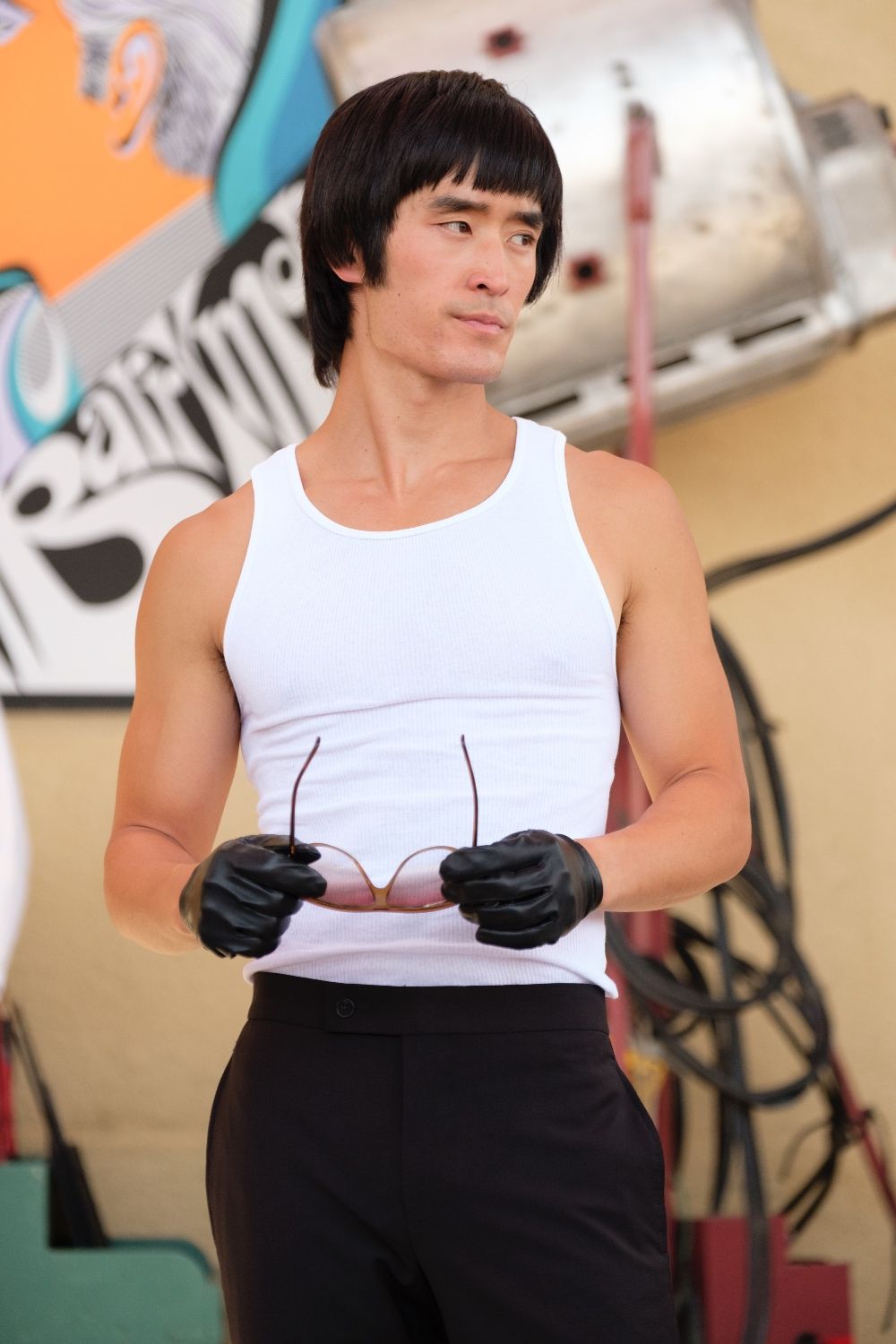
Once Upon a Time in Hollywood earned Quentin Tarantino his best opening weekend box office everexceeding forecasts despite being a nearly three-hour long R-rated film that opened while the Lion King remake was still holding strong. But despite also being well received by critics, the film has provoked debate. Its treatment of women has been scrutinized; female characters receive brutal beatings but little dialogue. And one single scene has also been the subject of heated controversy. Heres a guide to the debate over the movies fight scene between real-life actor and martial arts legend Bruce Lee, played by Mike Moh, and Brad Pitts character, fictional stuntman Cliff Booth.
What happens in the movie?
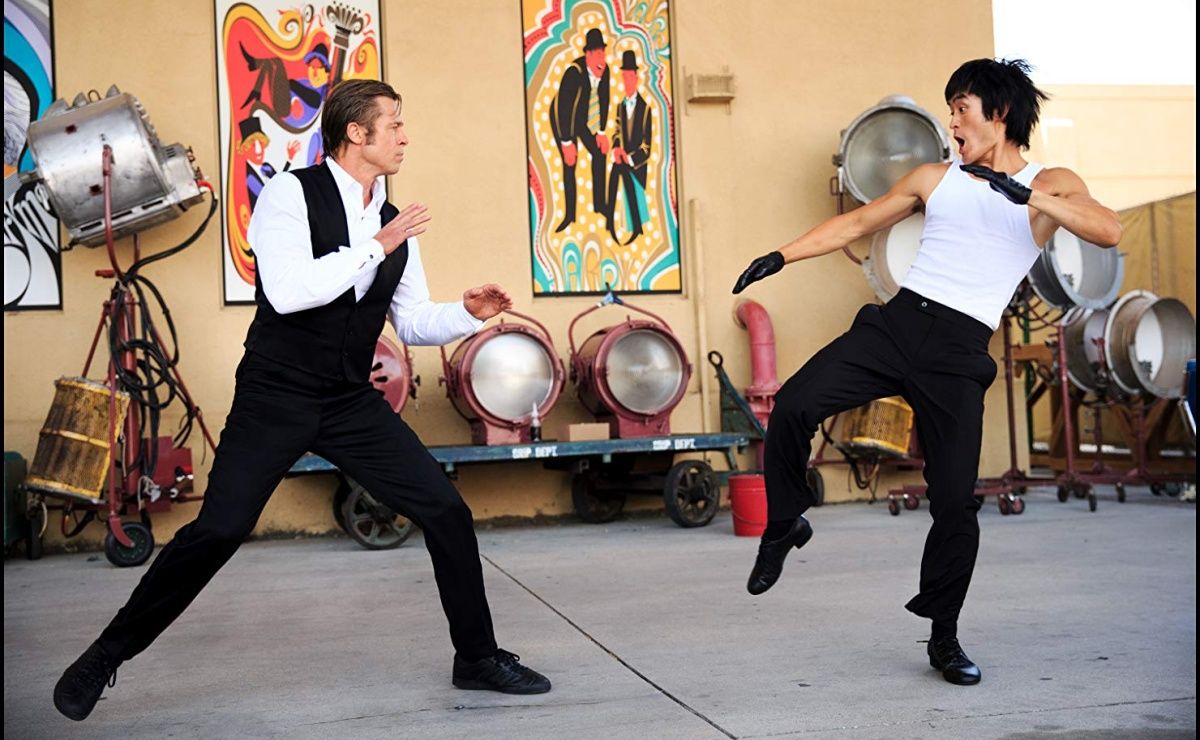
In the film, Pitts character, Booth, has a flashback while repairing a TV antenna for his boss and best friend, Leonardo DiCaprios also-fictional western star Rick Dalton. While on Daltons roof, Booth remembers an encounter with Bruce Lee on the Green Hornet set. In the memory, Mohs Lee holds court among stuntmen and crew members, giving a pompous speech and saying that if he fought Cassius Clay, as legendary fighter Muhammad Ali was still often called in the 60s, hed make him a cripple. This elicits chuckles from Pitts Booth, who calls Lee a little man with a big mouth and a big chip, who "should be embarrassed to suggest [hed] be anything more than a stain on the seat of Cassius Clays trunks.
Lee proposes a three-round fight to see which man can put the other on his butt. In the first round, Lee kicks Booth squarely in the chest, flooring him. He then attacks with a second flying kick, but Booth catches him and hurls him into a car. Before the match can be settled in the third and final round, the two men are interrupted, and Booth is fired for the fight. Flashing back to the present, a Booth still on Daltons roof declares his dismissal fair enough.
Sony
Was the scene accurate?
Lee did star in The Green Hornet, as the crime fighters sidekick and valet, Kato. But according to Lee biographer Matthew Polly, the scene was inaccurate in many ways. Lee revered Muhammad Ali, Polly told Esquire. "So the part in the movie where the Lee character says he would cripple [the boxer] and Brad Pitts character comes to Alis defense is not only completely inaccurate, it turns Lee into a disrespectful blowhard and jerk.
And while Lee was known to have fought stuntmen on some of his sets once he returned to Hong Kong, "he never started the fights, they always came up to him and challenged him, Polly says. He also always defeated these challengers handily, with their fights ending within 20 seconds.
Lee also had a reputation for being kind to lower-ranking members of the cast and crews of the projects on which he worked. "Bruce was very famous for being very considerate of the people below him on film sets, particularly the stuntmen. He would often like buy them meals, or once he got famous, take them out to eat, or hand them a little extra cash, or look after their careers, says Polly. “So in this scene, Bruce Lee is essentially calling out a stuntman and getting him fired because hes the big star. And thats just not who Bruce Lee was as a person.”
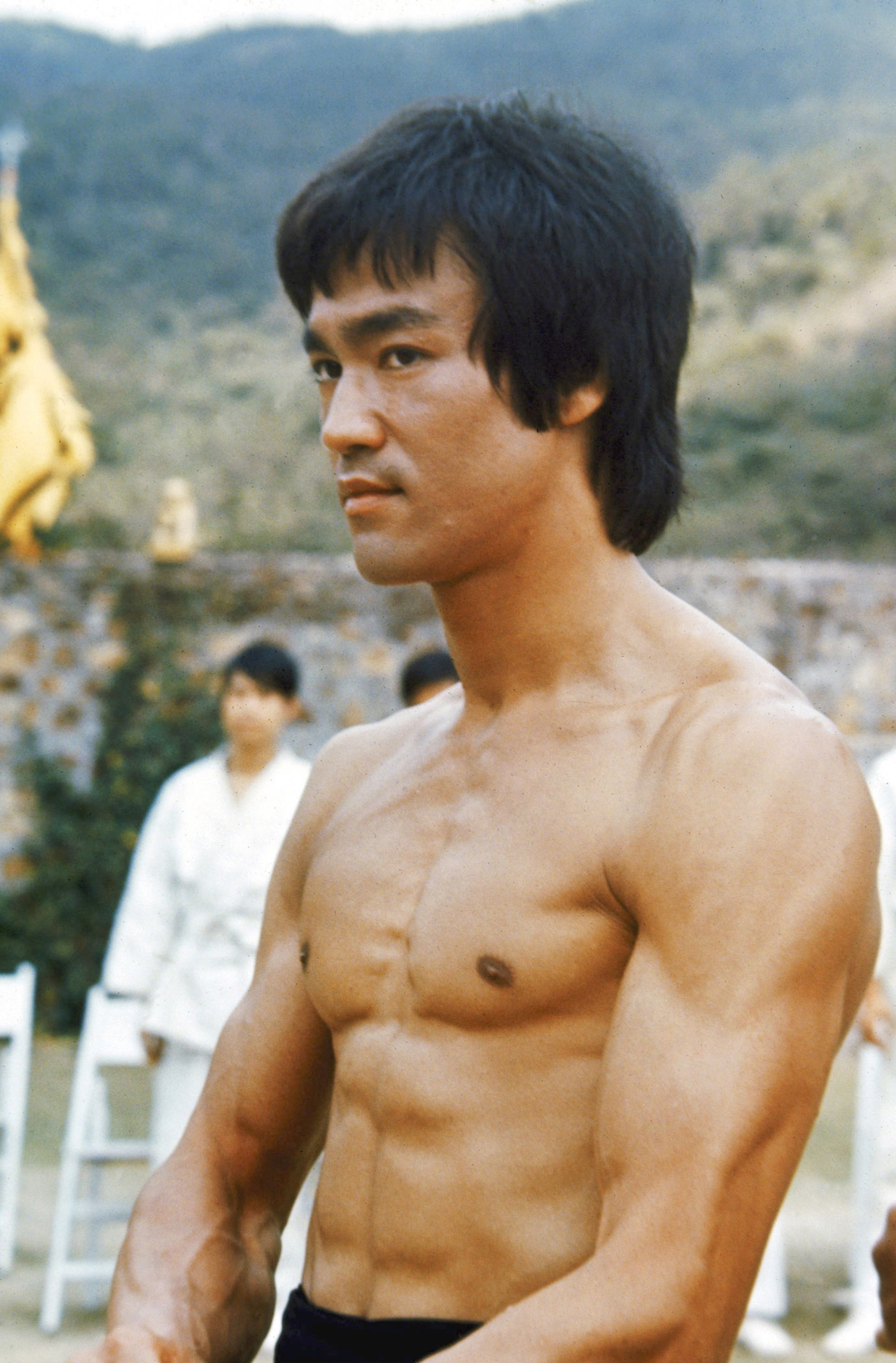
Bruce Lee on the set of Enter the Dragon, directed by Robert Clouse.
Warner Bros. Pictures
Why do some people have a problem with it?
Despite having some basis in reality, Once Upon a Time is a fictional workits ending proves that much. But Lee, who died in 1973, was a real-life person, and is still beloved worldwide as the most influential martial artist ever, and as one of the most iconic Asian American movie stars. He braved Hollywoods racism and became a global superstar, decades before the American film industry would begin to improve upon its historically bigoted and emasculating depiction of Asian men.
In short, his legacy is worthy of the respectful good taste with which Tarantino treats the other real-life figures that appear in the film, including Manson victims Sharon Tate and Jay Sebring, and Lees fellow Hollywood legend Steve McQueen. But Mohs Lee is written as a bloviating ass whose presence was played for laughs and to give Booths character credibility as a skilled fighter. And while the fight is technically a draw, Booth loses his round with a pretty dignified fall on his buttwhile Lee is thrown into a car by an anonymous, middle-aged stuntman.
"Theres nothing else to call him but the butt of the joke, because everything that makes him powerful is the very thing that makes him laughable in the film, film scholar Nancy Wang Yuen told the LA Times. His kung fu becomes a joke, and his philosophizing becomes a fortune cookie, and the sounds that he makes as he does kung fu are literally made fun of by Cliff. They made his arrogance look like he was a fraud.
While Sharon Tates family signed off on her portrayal in the film, Shannon Lee wasnt consulted on her late fathers depiction. "It was really uncomfortable to sit in the theater and listen to people laugh at my father, she told The Wrap. "What Im interested in is raising the consciousness of who Bruce Lee was as a human being and how he lived his life, said. All of that was flushed down the toilet in this portrayal, and made my father into this arrogant punching bag.
On Monday, it emerged that an early version of the scene would have seen Mohs Lee even more decisively humiliated. In an interview with HuffPost, Once Upon a Times stunt coordinator revealed that the original script saw Booths fight with Lee going a full three roundswith Lee losing in the end. "I know that Brad had expressed his concerns, and we all had concerns about Bruce losing, said Alonzo.
[QUOTE]Being an Asian American myself, I definitely related to how Bruce was a symbol of how Asians should be portrayed in movies, instead of the old Breakfast at Tiffanys model that was really prevalent back in the day. I had a difficult time choreographing a fight where he lost. Everyone involved was like, “How is this going to go over?” Brad was very much against it. He was like, "Its Bruce Lee, man!
"I love Quentin Tarantino. I absolutely adore his films, and I think every filmmaker has the right to do whatever they want with history, said Polly. “What bothered me was that he was very reverential and sympathetic with Steve McQueen, Sharon Tate, and Jay Sebring, but Bruces portrayal was more mocking. And given that Bruce was the only non white historical figure in the whole film, I thought that was problematic.”
[/QUOTE] continued next post
Continued from previous post
What do the Tarantino’s defenders say?
Defenders of the portrayal point out that Tarantino is an avowed Bruce Lee fan, who even based Uma Tarantino’s Kill Bill jumpsuit on an outfit Lee wore in his last film.
And critic Walter Chaw, who counts Lee as his hero, found that Moh’s Lee felt humanized. "I would argue Tarantino’s decision to have Booth fight Lee to a draw doesn’t doesn’t take the air out of Lee; it takes the air out of the constructed mystique that Lee was forced to maintain,” he wrote for Vulture. "That by allowing Lee to regain a portion of his humanity, Tarantino is offering a different, more generous kind of Asian-American representation onscreen.”
He was concerned, however, by hearing audience members in the theater laughing at Moh’s portrayal of the Chinese-accented Lee. "If you watch the new Tarantino, and there’s any kind of audience, take note of how the audience reacts to the Bruce Lee impersonation,” Chaw tweeted. “This is what systemic racism looks like. Not the performance which is perfect, the reaction which is hard-wired into members of this culture.”
Sony Pictures’ “Once Upon A Time…In Hollywood” Los Angeles Premiere - Arrivals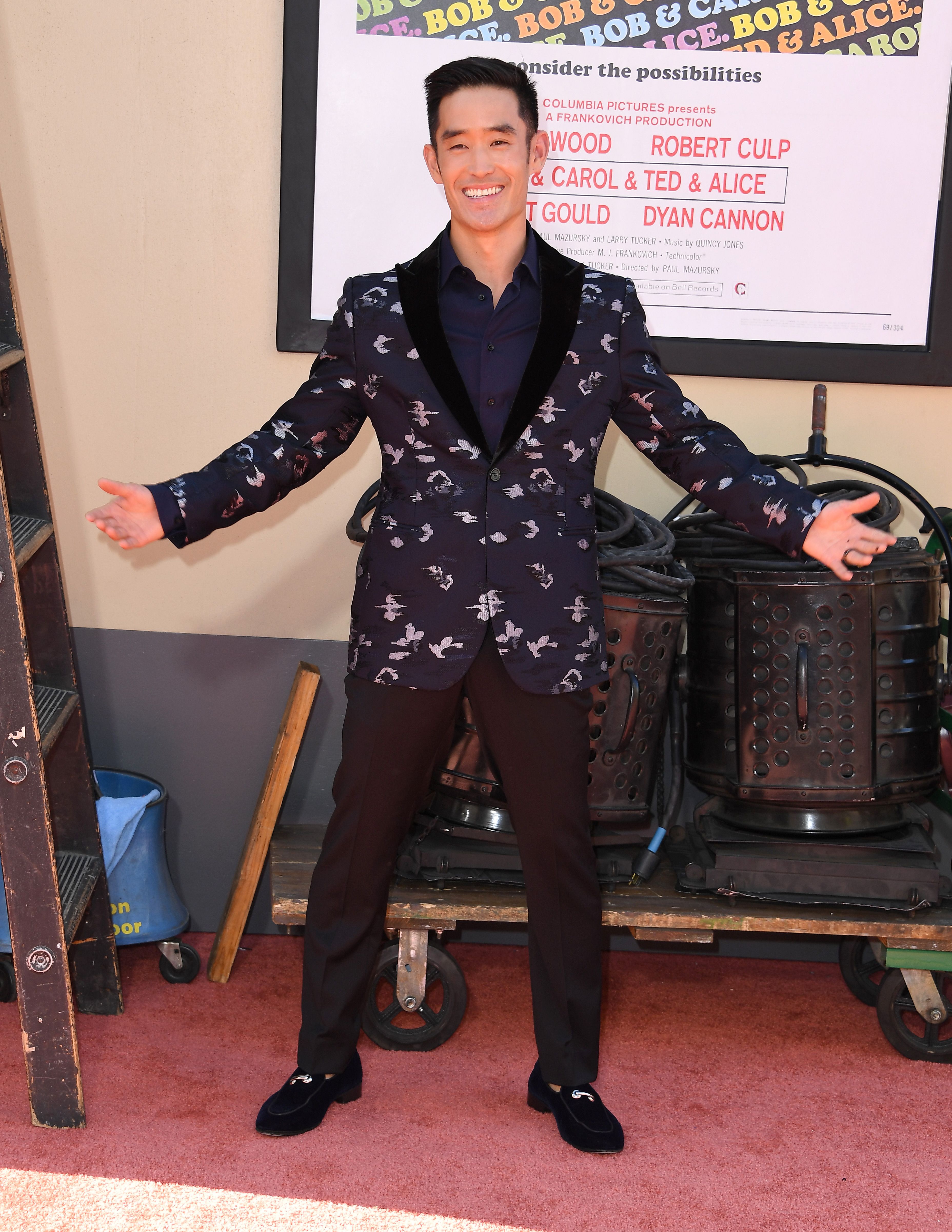
Mike Moh arrives at the Sony Pictures’ “Once Upon A Time…In Hollywood” Los Angeles Premiere on July 22, 2019 in Hollywood, California.
Steve Granitz
Mike Moh also spoke about the scene. In an interview with Birth. Movies. Death, he also expressed feeling torn about the sequence. “When I first read it, I was like, wow,” he told the website. "I’m not going to tell you what the original script had exactly, but when I read it, I was so conflicted because he’s my hero—Bruce in my mind was literally a God.”
But like Chaw, he described the scene as humanizing Lee:
[QUOTE]
I can see how people might think Bruce got beat because of the impact with the car, but you give me five more seconds and Bruce would have won. So I know people are going to be up in arms about it, but when I went into my deep dive of studying Bruce, he more than anybody wanted people to know he’s human. And I think I respect him m
ore knowing that he had these challenges, these obstacles, just like everybody.
Why did Tarantino write the scene like that?
The Bruce Lee fight had a clear purpose. Booth is an underemployed stuntman who spends his day-to-day running errands for his boss, which doesn’t provide a lot of opportunity for the character to showcase his fighting skill before the film’s bloody finale. Depicting him as being at least as good, and potentially even a better fighter than Bruce Lee makes it a bit more credible when—spoiler—he takes on murderous Manson cultists in the film’s finale. But again, that boils down to tearing down an Asian-American icon in order to build up a fictional white guy.
It also fits in with the film’s allegiances, which lie with the fading Western stars of the late 1960s. "I suspect the reason Tarantino felt the need to take Bruce down a notch is because Lee’s introduction of Eastern martial arts to Hollywood fight choreography represented a threat to the livelihood of old Western stuntmen like Cliff Booth, who were often incapable of adapting to a new era,” Polly told The Wrap, " and the film’s nostalgic, revisionist sympathies are entirely with the cowboys.”
But as the end of the film serves as a rather sweet revisionist history, a portrait of a world in which the Manson Family never made it to 10050 Cielo Drive, the movie itself has an altogether more troubling eye for the past. In the world of Once Upon a Time, beautiful women like Sharon Tate dance often and speak little, and the old guard of white men squash all challenges to their dominance.
"In a movie where Tarantino changes history to fit his violent wish fulfillment,” wrote filmmaker Joseph Kahn on Twitter, “it’s odd that his revisionist fantasy of Bruce Lee is that he is a fraud who can easily be overpowered and smacked around by his cowboy avatar.”
GABRIELLE BRUNEY
Gabrielle Bruney is a writer and editor for Esquire, where she focuses on politics and culture.[/QUOTE]
THREADS
Once Upon a Time in Hollywood
Bruce Lee: A Life by Matt Polly[/QUOTE]
I can’t even imagine Bruce in his 70s. Forever young.
Bruce Lee: 10 more things you probably didn’t know about the Hong Kong martial arts superstar
To celebrate Hong Kong kung fu legend Bruce Lee’s birthday, here are 10 lesser-known facts about the cultural icon
Find out why he was called ‘Chicken Legs’ at school, why he took up kung fu and what car he bought when he first came into some money
SCMP Reporter
Published: 10:00pm, 26 Nov, 2019
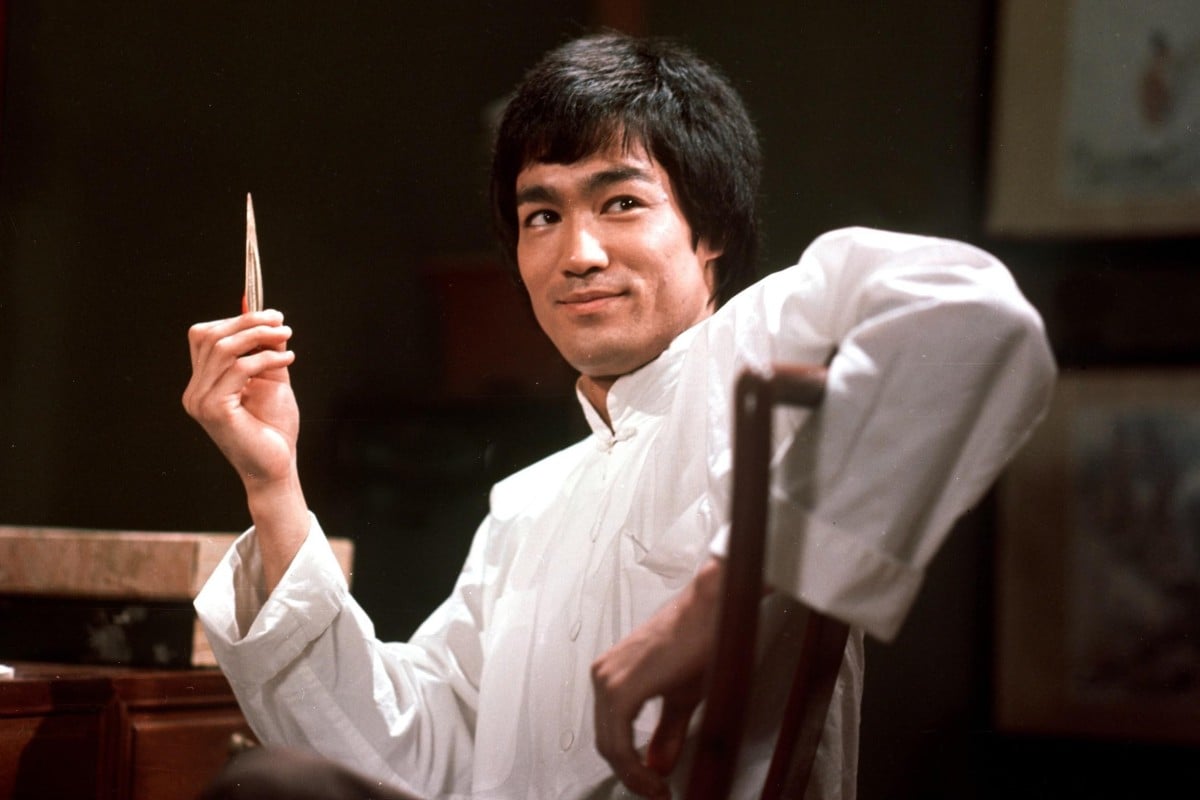
Hong Kong martial arts superstar Bruce Lee in Enter the Dragon (1973). Photo: Alamy
Hong Kong martial arts superstar Bruce Lee was born on November 27, 1940. Here are 10 things you probably didn’t know about him.
According to Matthew Polly’s in-depth biography Bruce Lee: A Life, Lee’s nickname at school was “Gorilla”. He acquired this slightly derogatory moniker because, as Hawkins Cheung, his school friend at St Francis Xavier’s School, remembered, “he was muscular and walked around with his arms at his sides”.
Most of the schoolkids were scared of Lee, but as Cheung was one of his closest friends, he made up his own nickname for him: he called him “Chicken Legs”, because of Lee’s muscular torso and apparently scrawny legs. Hawkins said that Lee used to get mad at him when he used this name and would chase him around the schoolyard.
Although he came from a middle-class home, the young Lee was a tearaway who loved street-fighting.
“As a kid in Hong Kong, I was a punk and went looking for fights,” he told Black Belt magazine. “We used chains and pens with knives hidden inside. Then, one day, I began to wonder what would happen if I didn’t have my gang behind me when I got into a fight.”
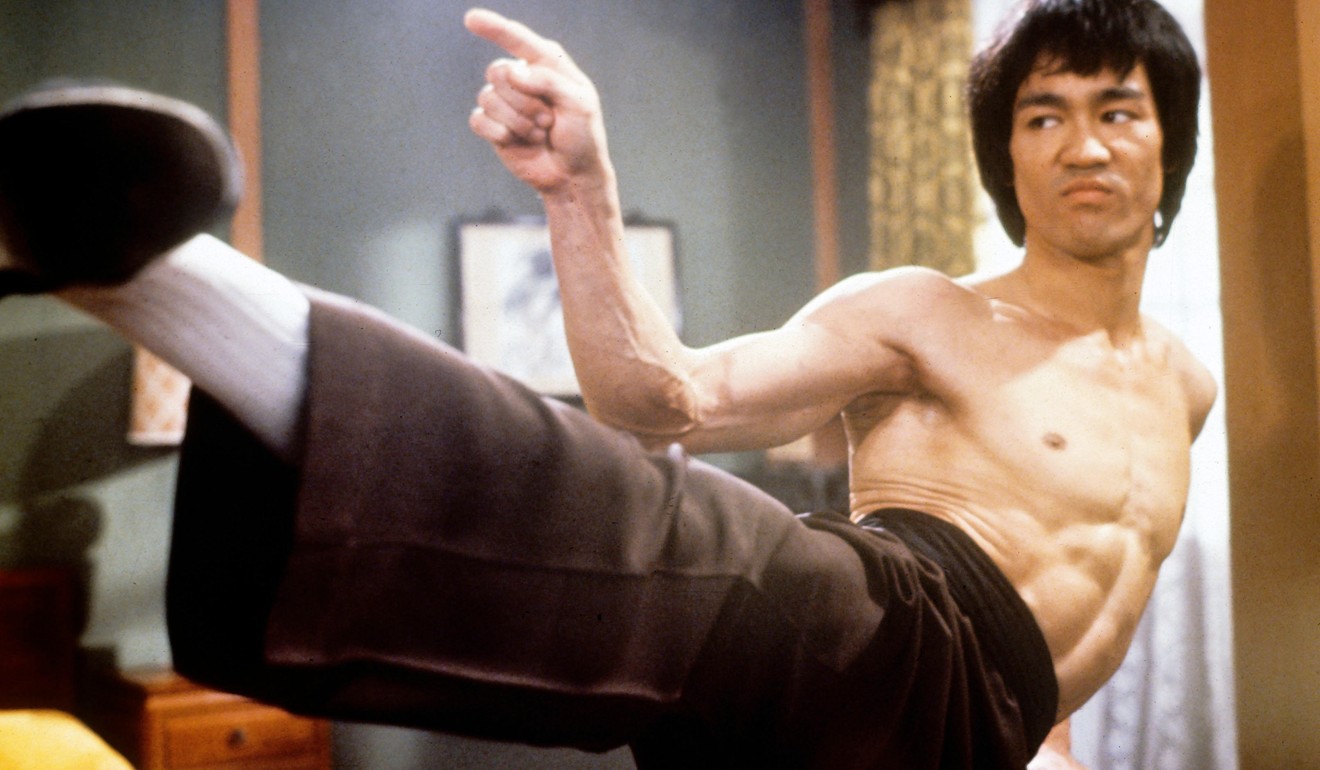
Lee was called both “Gorilla” and “Chicken Legs” at school. Photo: Alamy
This revelation was to change the course of his life, as he started thinking about learning martial arts. “I only took up kung fu when I began to feel insecure,” he said.
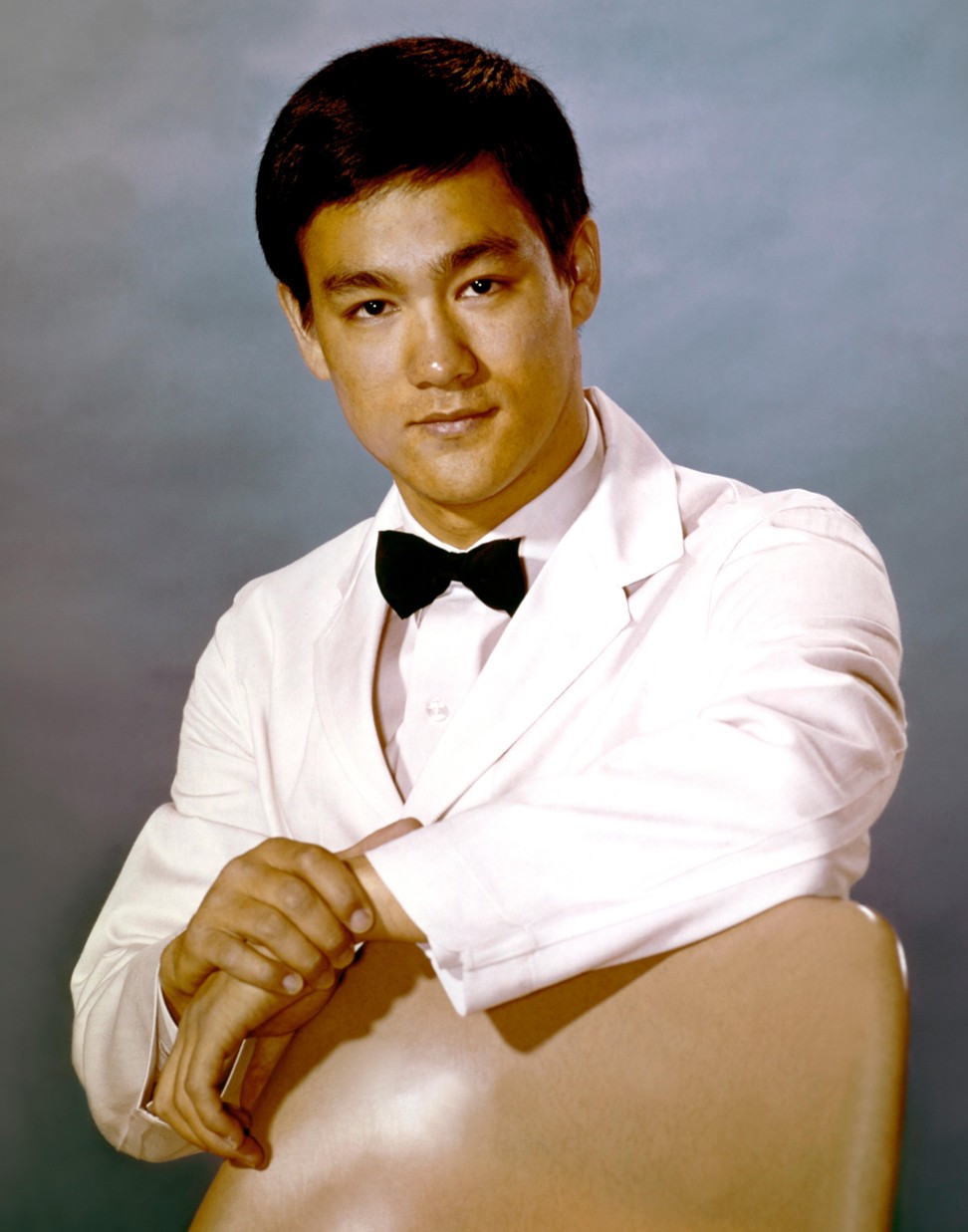
Lee in 1960s TV series The Green Hornet. Photo: Alamy
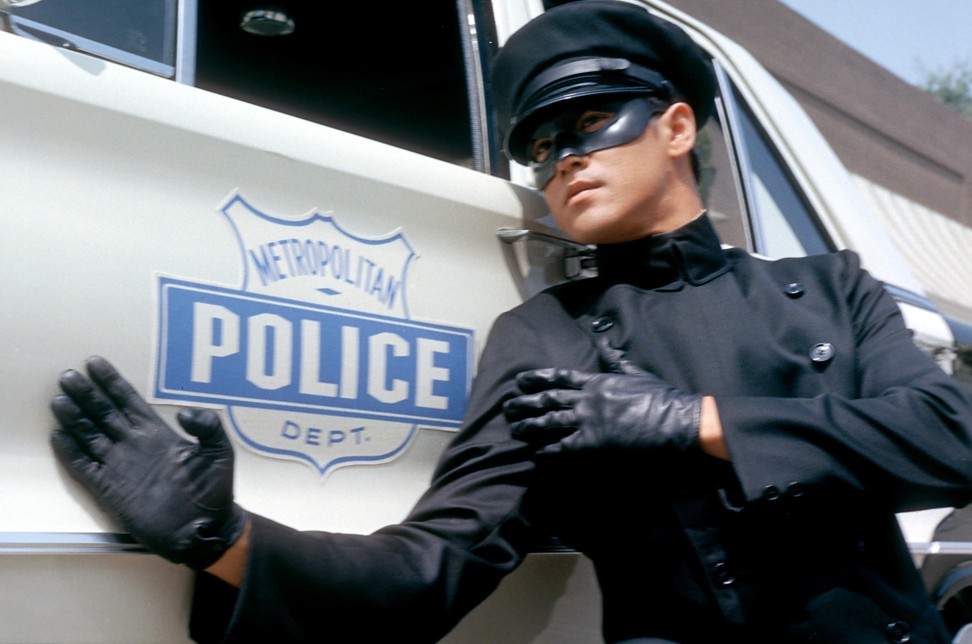
Lee in The Green Hornet. Photo: Alamy
Lee really loved cars, but while he was teaching martial arts in the US, he could only afford an unglamorous Chevrolet “Chevy” Nova (the car had a sticker in the back window that read “This car is protected by the Green Hornet”).
A friend sometimes let him drive a supercool Shelby Cobra (called the AC Cobra in Britain), but what he really wanted was the sports car his best buddy Steve McQueen owned: a Porsche Targa.
When Lee’s mother sent him his share of the proceeds from an apartment she’d sold in Hong Kong, he went straight out to buy the Porsche, even though he couldn’t really afford it.
Veteran film director Lo Wei, who directed Lee in The Big Boss, made the mistake of telling a newspaper that he taught Bruce how to fight in front of the cameras. Even worse, he dared to call himself “The Dragon’s Mentor”. When he found out, an enraged Lee rushed over to where Lo was filming and threatened to beat him up. Lee only calmed down when Lo’s wife Gladys intervened.
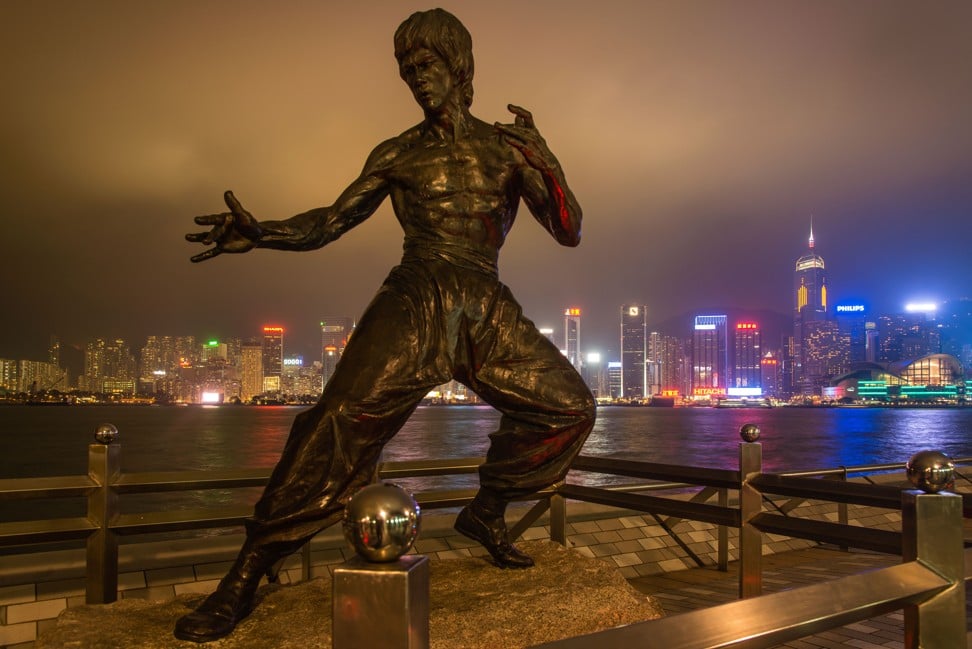
The Bruce Lee statue along Hong Kong’s Avenue of Stars. Photo: Alamy
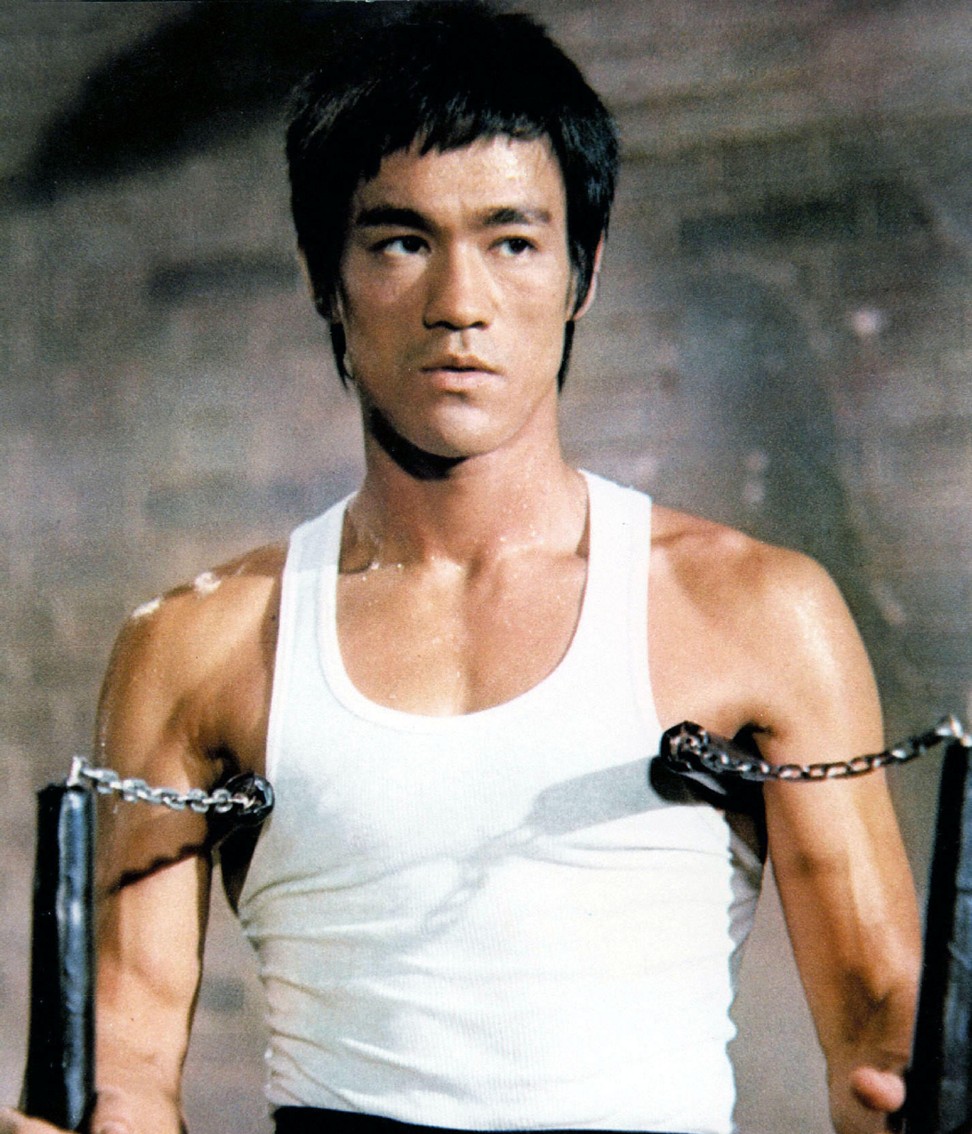
Lee in Enter the Dragon. Photo: Alamy
Bruce Lee: A Life by Matt Polly
Sundance documentary Be Water aims to show the man underneath the legend of Bruce Lee
Entertainment | January 23, 2020
Ryan Kostecka
sports@parkrecord.com

The Sundance documentary Be Water aims to give audiences a more intimate look at Bruce Lee than what they saw on screen in his martial arts films.
Courtesy of the Sundance Institute
[QUOTE]Be Water, an entry in the Sundance Film Festivals U.S. Documentary Competition, is set to screen at the following times and locations:
Saturday, Jan. 25, 2:30 p.m., The MARC Theatre
Sunday, Jan. 26, 9:30 p.m., Rose Wagner Center, Salt Lake City
Monday, Jan. 27 at 9:45 p.m., The Ray Theatre
Thursday, Jan. 30, noon, Redstone Cinemas 7
Friday, Jan. 31, 6 p.m., Sundance Mountain Resort Screening Room, Sundance Resort
Saturday, Feb. 1, 8:30 a.m., Prospector Square Theatre
Make no doubt about it this was personal for director Bao Nguyen.
Nguyen, the child of Vietnamese war refugees, gave up a career in law to pursue his passion for film a decision that he doesnt regret.
Everything Nguyen has worked for culminated in his latest film, Be Water, a documentary about martial artist and actor Bruce Lee returning to Hong Kong in 1971 to achieve the stardom that eluded him in America before his death in 1973. Be Water is an entry in the Sundance Film Festivals U.S. Documentary Competition and marks Nguyens first appearance at the festival.
Im Asian American, so to me, Bruce Lee is one of those heroes that I connected with immediately on how he looks and appears on screen, Nguyen said. There arent many Asian American heroes, so watching him on TV as I grew up was brand new to me. His story was one I didnt know, so I wanted to explore how he broke through Hollywood following his death.
Nguyen said that, through his research, he learned how difficult it was to be Asian American during the 1960s and 1970s, especially as someone trying to break into acting. So telling Lees story in a different way from others whove attempted to tell it was important to him. He said it was important to acknowledge what Lee overcame to achieve greatness and a continuing place in the culture decades after his early death.
Ive always wanted to explore stories that were personal and could speak to a larger audience. And lately theres been a lot of talk about diversity on screen, so I felt that this movie about him would be right, Nguyen said. There are so many people out in the world who have different affections for him, so making a personal film about him thats also not related to him, it just connects with me and hopefully others.
If he were still alive, Lee would turn 80 this year, so the timing of the movie couldnt have been better for Nguyen. The people who knew Lee personally are getting older, which made it imperative for Nguyen to make the film as soon as possible.
He credits his team for going through old footage to tell the story. He wanted to build an immersive world that would make viewers feel as if theyre living in a story, one in which theyre seeing Lee in the present tense, brought back to life, rather than the legendary figure audiences have come to know.
There are so many intimate stories about him as a person that people dont know compared to the legend, the mythical martial artist, Nguyen said. Thats the story my team and I wanted to show. It was difficult because back then, people didnt have iPhones shooting everything. Finding the archival films and bringing those to new life with the relative interviews. Building that story from the past was the goal.
Nguyen said he found success with the film because of the questions he asked to those who knew Lee. For decades, the same people have been asked the same questions about Lee but Nguyen wanted to dig deeper. His questions were more personal in nature and enticed the interviewees to open up and help show off a different side of Lee that has never been portrayed before.[/QUOTE]
I heard about Be Water from Matthew Polly. I understand he is involved in this project. That’s what he tweeted:
Matthew Polly
@MatthewEPolly
I’m proud to announce that the new ESPN Bruce Lee documentary, ‘Be Water,’ which is based on my book and on which I served as Executive Producer, has been accepted to the Sundance Film Festival.