Weekend Box Office
The Raid had a per screen average of $15,786 on fourteen screens. The only film that had a higher per screen average this weekend was, of course, Hunger Games.
Weekend Box Office
The Raid had a per screen average of $15,786 on fourteen screens. The only film that had a higher per screen average this weekend was, of course, Hunger Games.
Interview with Shinoda on THR
Linkin Park’s Mike Shinoda Rocks on to New Challenge: ‘The Raid: Redemption’ Film Score (Q&A)
The songwriter and keyboardist talks about tackling Asian stereotypes and taking advantage of serendipitous career choices as he premieres his first film score.
4:29 PM PDT 3/21/2012 by Todd Gilchrist
In a little more than a decade, Linkin Park has racked up more than 30 credits contributing songs or other pieces of music to a variety of movies and television programs. But frontman Mike Shinoda has never been satisfied with just one outlet for his creativity, and his solo work on the Fort Minor album, along with an assortment of remixes and productions for other artists, has led perhaps inevitably back to another medium in which the band has experienced so much success: movies.
Working with Tron: Legacy orchestrator Joe Trapanese, Shinoda created not just a soundtrack but a full-blown score for The Raid: Redemption, writer-director Gareth Evans’ epic action thriller about an Indonesian SWAT team that gets trapped in a drug dealer’s fortresslike tenement building. As the musician continues to expand his repertoire, Shinoda talked with The Hollywood Reporter about making the transition into scoring movies and taking on new challenges.
The Hollywood Reporter: How did you initially get involved with this project, and how much did you know about the movie beforehand?
Mike Shinoda: With Linkin Park being placed in so many films, I’ve gotten a few offers to get involved in scoring before. A lot of the stuff really hasn’t been my cup of tea; generally it’s like: “Hey, we love Linkin Park. We’ve got this composer on board, but we want to put your name on the poster, and we want you to put heavy rock guitars on the score.” That’s really not very inspiring for me, and I’m not at a place in my career where I feel like doing that kind of thing gets me anywhere. But I got approached by Sony, and the guy basically said, “We’re fans of your Fort Minor stuff [and] some of the remixes you’ve done – would you want to score this film?” They basically were saying they were going to trust me with the whole thing. What they were talking about is a couple of pieces of work that I did for fun – the Fort Minor album and the remixes, I basically did those on afternoons hanging out in my studio and started messing around with something and turned it into something that I ended up putting out. So I figured if I could do that and get some experience with a film, then it’d be a great opportunity – and it did end up being exactly that.
THR: Coming into an Indonesian film, and you being Japanese-American, was there any conscious thought about the idea of being an Asian-American working on an Asian action film?
Shinoda: That’s funny. I know there was a conversation at one point where we said for the most part we’re going to try to avoid traditional instruments, because I’m not that familiar with them and even if I read on Wikipedia that this particular instrument is the most popular traditional Indonesian instrument, it’s still like I don’t have an expertise in that instrument and I’m not going to try and use it in a clunky way. So we basically tried to stay away from that for the most part. There’s a couple of scenes in the film where we went with some very traditional sounding or organic sounding drums, I think those reference points do have a kind of Taiko [drumming] kind of feel. But in no way did I try and bring some kind of Indonesian musical sound; in fact, I avoided it. Joe and I both avoided it because it’s not us. It was out of respect for the people. But I feel like for me, we tour all over the world and we have actually a really fantastic fan base in Indonesia and I know it’s pretty clear to them that I’m not Indonesian.
THR: Sure, but it seems like Hollywood isn’t always sensitive to the differences between Asian cultures.
Shinoda: I feel like people who make that mistake might benefit from an awareness of the website Disgrasian. It’s one of my favorite Asian-centric American websites, and they constantly make fun of Hollywood’s tendency to kind of mix and match Asian culture.
THR: How challenging was it to make the transition from realizing that certain pieces of music you had created were good for certain kinds of sequences to actually creating them specifically for those kinds of sequences?
Shinoda: I did a little piece of scoring for an independent that Rob Dyrdek put together called Street Dreams, and I did some other things that nobody will ever see. And then eventually when Linkin Park did the Transformers movies, on the second one we got to get involved on the score in that one, and I think that got me excited – it was a little taste of what it could be like. And so when I first got involved, I told Gareth that I wanted to approach it more like a score; I didn’t want to try and just make songs and have somebody else edit them together, which I know is a possibility. He seemed to be really receptive to that, and in fact at the end of the process he said that was one of the moments when he got the most confidence about the relationship because I intended to approach it in a way that was complementary to what he had done. I brought Joe Trapanese on board, who was Daft Punk’s scoring partner on the TRON soundtrack, because I love what he did on that movie and I really thought that bringing somebody with a more traditional background would be an educational opportunity for me. He not only [taught] me about simple technical stuff like the workflow, but also just we could provide a point of reference for one another – like are we being true enough to scoring the film without getting too distracting in the music, are we being bold enough with the music that it’s not just a boring generic score, stuff like that. I think that the collaboration really benefitted all of us.
THR: Did you have any concerns about joining the film with another score already created?
Shinoda: Absolutely. I think that was the scariest moment, going to Sundance when the film debuted with my score in it, because I knew that it had already won awards, there was a ton of buzz about the movie, and people were going to Sundance just to see this movie. Some of them had already seen it with the other score and it would be awful if people had written reviews saying “this movie is great, we’ve seen it for the second or third time, they ruined the score though.” Luckily I haven’t seen anybody say that. It may be out there, but I haven’t seen it. But I didn’t go into it trying to compare what I was going to do with their thing; we basically started from a clean slate, got a few notes from the music supervisor at Sony that were basic ideas that Gareth wanted to make sure happened, but for the most part he was very open to what we wanted to come with. I mean he was a dream scenario in the sense that we had a lot of artistic freedom to come up with what should go on in each scene.
continued next post
from previous
THR: how did you look at this in terms of what people might be expecting?
Shinoda: I have a background in piano – in fact, that’s where I started out. I spent ten years playing classical piano, and that was what led to keyboards and eventually to production and to Linkin Park. I remember transitioning out of piano after about 12 years of doing it and I had told my piano teacher I loved playing piano but I hate playing these classical pieces – “I hate homework, having to take home these things and learn them.” They were not my favorite kind of music, and all I saw myself doing was basically learning all the loops on my favorite rap songs and playing that on the piano for my friends. And my piano teacher was a saint; she was so sweet about it and said “I honestly can’t teach you that, and it’s okay if you want to quit lessons. But here’s what you should do – buy a keyboard and learn what that’s about and I can try and help you find another teacher if you want.” Jumping forward, there’s a balance to be aware of in this movie where I wanted it to sound like me, to sound what they probably expected, and also to surprise people, just to keep it fresh and keep people on their toes. So as we went along there are definitely moments where sounds that I think you would expect to pop up, and there are these other moments that just provides variety in the score and keeps people guessing.
THR: Now natural was your movement towards this opportunity? Was it sort of a serendipitous convergence of events, or did it sort of come out of the blue?
Shinoda: It’s a little bit of all of that. On one hand I’ve always loved the exercise of making music to fit something visual, and we joked about this score [being] almost like reverse engineering of a music video. You’ve got the dance on the screen – the fight scene is a carefully choreographed number and we’ve got to make music that they’re dancing to. And we found that there is actually a rhythm to a lot of the scenes that would ebb and flow. And once we found that rhythm, the score really locked into the action. For me it’s just always something that’s kind of lingered in the back of my head. I remember being a little kid sitting in the living room with my brother and some friends from around the neighborhood, and I would sit at the piano and as they were running around the room doing different things and being silly, acting out, I would actually play the score for it – the music that went along with it. So if they’re creeping along the side of the wall, I’m making this mysterious detective music or whatever it may be. And I think it just kind of sits there in the back of your head and when the moment arrives then we might be able to seize it and do something with it, then you jump. For me with this score too it’s the right kind of movie – I felt like I wanted to go into it and give it 100%. I’m not just going to say yes to this and then just kind of half-ass it, but at the same time if I make some mistakes along the way, this is the place to do it. And I found that I would love to do some more scoring and I really do enjoy the process and I enjoy what happened here. But I think that, to be fair, the next thing that I do probably won’t be an action film.
THR: Have you lined up any participation in the sequel to The Raid, Berandal?
Shinoda: I’m actually not aware of how far through he is, so we haven’t really talked about it. The answer at this point would be no.
THR: Where do you feel like you’re at in your career now – is this a fully new direction to go into, or do you look at this as a digression from your Linkin Park and Fort Minor efforts?
Shinoda: I don’t think this is a sign of any kind of infidelity; this isn’t like I’m restless with Linkin Park and I needed to stretch out and do something else. We have moments with the band where I have an opportunity to dive into something else and I enjoy having my hands in a lot of different things, as evidenced by all the other random weird stuff that I’ve done along the way from art shows to projects with other artists. As a creative person you just get an idea in your head, and sometimes you just can’t shake it off. When it comes to the scoring, I intend to have a healthy balance between that and the stuff that I do with Linkin Park. We’re in the studio right now with the band making a record which I’m really really happy with, and I feel like the best part about it is the things that I do that are not Linkin Park, they all complement one another. As I finished up the score for The Raid I realized some things about the working process that were so useful and they were great tools that I then took to the studio with the band and I loosened up our workflow. With The Raid, you just kind of go down the rabbit hole and you don’t really check in as often. With our band we tend to check in every week or even more often, and sometimes that disrupts the creative process. So I told the guys about that and we started putting it in place, and it has great results. I think it’s healthy, at least for me.
I’m a huge fan of Indonesian gamelan. Traditional music would have been interesting, but it’s a hard call not having seen the film yet.
I really enjoyed The Raid: Redemption.
In Merantau, I thought that Iko Uwais looked a bit like ‘Tony Jaa Lite’ in the MA department, although he was a better actor. Such a comparison was inevitable. In The Raid, it’s cool to see how his choreagraphy has grown and developed since then. He and his stunt team have fully come into their own, with their own distinctive (and brutal) style. IMO, the team of Gareth Evans and Iko Uwais have far surpassed the quality of Tony Jaa’s films. The fights in The Raid are more about inflicting extreme damage, as opposed to showing off super-athleticism/XMA/Parkour-style fights.
For an early show, I was surprised at the number of people in the audience…not even half-full, but being an early show and a subtitled film, a good number. And a pretty good audience response, too. Which does not happen at the movies too often anymore.
If I have a complaint about the film at all, it’s the often shaky camerawork, probably done to enhance the sense of tension and chaos. Sometimes it’s shaky even when there is no action going on. Also, why would such a powerful (and presumably rich) crime boss choose such a ****hole of a building as his base? But those are small things. This is probably the best action film to come out in years.
@ Gene:
There’s no sword fights, but plenty of knife and machete fighting.
10/10.
[QUOTE=Jimbo;1165216]I really enjoyed The Raid: Redemption.
In Merantau, I thought that Iko Uwais looked a bit like ‘Tony Jaa Lite’ in the MA department, although he was a better actor. Such a comparison was inevitable. In The Raid, it’s cool to see how his choreagraphy has grown and developed since then. He and his stunt team have fully come into their own, with their own distinctive (and brutal) style. IMO, the team of Gareth Evans and Iko Uwais have far surpassed the quality of Tony Jaa’s films. The fights in The Raid are more about inflicting extreme damage, as opposed to showing off super-athleticism/XMA/Parkour-style fights.
For an early show, I was surprised at the number of people in the audience…not even half-full, but being an early show and a subtitled film, a good number. And a pretty good audience response, too. Which does not happen at the movies too often anymore.
If I have a complaint about the film at all, it’s the often shaky camerawork, probably done to enhance the sense of tension and chaos. Sometimes it’s shaky even when there is no action going on. Also, why would such a powerful (and presumably rich) crime boss choose such a ****hole of a building as his base? But those are small things. This is probably the best action film to come out in years.
@ Gene:
There’s no sword fights, but plenty of knife and machete fighting.
10/10.[/QUOTE]
when i saw this here in nyc the theatre was jammed packed…on a tuesday…in nyc…thats impossible…the hunger games wasnt even half full. this movie was awesome…best action film ive seen in years, what makes this movie superior to the baa raam ewe films is two things, good acting and good story…which none of the tony jaa films or the other baa raam ewe films seem to have, the one exception being chocolate and even that story was eh. as for the action…it was top notch hollywood couldnt improve on it…my only problem was the hand to hand combat, because every fighter used the same style and tactics. i like it when each fighter has his or her own flavor. this was certainly an 8 out 10…im shaving two points because of the hand to hand. as for the american remake as long as they dont put ryan reynolds in it..ill see it.
Still haven’t seen it yet.
[QUOTE=Jimbo;1165216]There’s no sword fights, but plenty of knife and machete fighting.[/QUOTE] Machetes totally count as swords. 
As of 4/1: $582,442 U.S. Widest Release: 46 theaters
April 3, 2012, 12:06 PM SGT
“The Raid” Takes Indonesian Box Office By Storm
By Ahmad Pathoni
The action movie that has American reviewers raving lately isn’t a Hollywood product or a Chinese martial arts extravaganza. It’s a low-budget Indonesian action flick titled “The Raid: Redemption.”
The Raid, which cost only about $1 million to produce, has taken international film critics and audiences by storm since it won the Midnight Madness Award at the Toronto International Film Festival in September. It has earned an impressive 85 percent rating on rottentomatoes.com, a U.S. website dedicated to movie reviews.
The film’s international success has also provided a breath of fresh air for Indonesia’s cinema, which is notorious for producing mainly poor-quality horror movies with bizarre and sexually suggestive titles such as “The Virgin Ghost’s Boyfriend” and “Dancing Ghost in the Bathroom.”
“This is the first time in history that an Indonesian movie has been screened in theaters in the United States, Canada and Australia. We are extremely proud,” said The Raid producer Ario Sagantaro. The Raid is due to hit U.K. theaters in May.
The Los Angeles Times called it “a slam-bang, knock-your-socks-off action bonanza” while the New York Post dubbed it an action lover’s dream par excellence. Salon.com had The Raid as its Pick of the Week on March 23, calling it “a dazzling martial-arts sensation,” while Minneapolis Star Tribune declared that the movie “is a kick that will leave your head ringing for days.”
The movie has also proved to be a sensation in Indonesia since it began screening in local theaters on March 23. It was directed by Welsh-born Gareth Evans, who first came to Indonesia four years ago to do a documentary on a local martial-arts form known as pencak silat, and is married to an Indonesian woman of Japanese heritage. While making the documentary, Mr. Evans met Iko Uwais, The Raid’s main protagonist, a silat athlete who was working as a driver for a telecommunications company.
The film follows a SWAT-like police squad on a mission to take out a cold-blooded drug lord Tama (Ray Sahetapy), who holes himself in a rundown Jakarta apartment building with his henchmen. The team soon encounters resistance from gun-toting and machete-wielding criminals loyal to Tama, setting the stage for brutal gunfights and stunning displays of bare-hand battles featuring pencak silat. Iko Uwais plays Rama, a rookie officer who has to finish the mission after his comrades fall one by one.
“The film is so brutal it made me squirm in my seat throughout. The fighting and the cast are top-notch,” said action movie fan Budi Heryana after watching the film in a Jakarta cinema.
Hesti Purwaningsih, a production coordinator at Merantau Films, which produced The Raid, said 250,000 people had watched the movie over its first four days – a great turnout for an Indonesian film.
It’s not clear if The Raid will be able to match Indonesia’s biggest blockbuster hit of all time, Laskar Pelangi (Rainbow Troops), which drew 4.6 million cinemagoers in 2008.
Mr. Evans wrote in his Twitter feed that he was finishing the script for the sequel to The Raid, “expanding the story and ramping up the action a bit.”
Industry observers said The Raid’s success should raise the international profile of Indonesian cinema. In recent years, a new breed of filmmakers has emerged in Indonesia, bringing in fresh ideas and technical know-how, but they are still struggling to break into the international scene commercially.
“I think The Raid shows that Indonesian cinema is catching up with countries whose film industries are already established. It has put us on the global map,” said Muhammad Abduh Aziz, a film producer who is also the secretary general of Jakarta Arts Council.
Indonesia, a country of 240 million people, produced only 82 films last year, and with only about 660 theater screens nationwide, mostly in big cities, there’s a huge untapped market, Mr. Aziz said.
“In (less developed) eastern Indonesia, cinemas are virtually non-existent,” Mr. Aziz said. “The government should provide incentives for business people to open cinemas and finance film productions and distribution,” he said.
He described Indonesia’s current crop of producers and filmmakers as gamblers who are mainly driven by their passion for movies.
“There’s a lot of uncertainty and risks in making films in Indonesia,” he said.
Now I really want to see Dancing Ghost in the Bathroom.
Why we love movies
Nothing bumps up martial arts better than a good movie.
Indonesian film may help revive local martial art
By Lenita Sulthani
JAKARTA | Wed Apr 25, 2012 7:52am EDT
(Reuters) - An Indonesian martial arts film with fast fight sequences has smashed domestic box office records and become the first Indonesian flick to break into the U.S. box office, also winning acclaim at international film festivals.
Now the movie’s director hopes the film’s success will breathe new life into Pencak Silat, the Indonesian martial art it showcases - and one whose followers are dwindling at home.
“The Raid: Redemption” was released worldwide on March 28 and reached number 11 in the U.S. box office at the start of April, drawing an audience of more than 2 million. At home, it has drawn an audience of more than 1 million, a spectacular amount for the local movie industry.
“It’s a film that can help promote the idea of people knowing Silat all around the world,” said Gareth Evans, a filmmaker from Wales who wrote and directed the movie after falling in love with Pencak Silat several years ago.
“So if through this film there are audience members in the U.S., UK or France, or anywhere else in the world, that suddenly start to learn more about Silat, or people that want to learn to actually be able to perform Silat, then we’ve done our job.”
Pencak Silat has more than 150 variations in style across Indonesia, utilizing hand and foot movements. Evans said he was impressed by the beauty of how Silat athletes move into an attack, as well as the brutality behind it, but its popularity has diminished among younger Indonesians.
The movie, called simply “The Raid” in Indonesia, tells the story of an Indonesian SWAT team sent to capture a crime lord who lives and works in a multi-storey tower block.
It stars Pencak Silat master and former champion Iko Uwais as a police chief and Yayah Ruhiyan, who has served as an international Pencak Silat referee, as a criminal mastermind. The two co-choreographed fight scenes.
Shot in three months with a budget of a million dollars, the movie garnered rave reviews from international critics, including a Midnight Madness award at the Toronto Film Festival, and was showcased at the Sundance Film Festival as well as in Spain, Italy and Dublin.
Critics praised the film for its non-stop action and meticulous choreography, though Evans said he and producer Ario Sagantoro had done nothing innovative and used the same style as Hong Kong action movies from the 1980s. Some 90 percent of the movie was shot indoors.
“That was the only rule, that we wanted to make a film that we wanted to watch. So we weren’t thinking ‘Oh well, maybe we could do this at the box office, or maybe we can sell to this country and this country,’” Evans said.
“We knew we had to sell internationally, but we had no idea how we would perform, we had no idea how people would respond. Everything that has happened since Toronto has been a bonus.”
Evans started directing Asian movies before he left his home country, making “Samurai Monogatari” in 2003 as a film school project. He came to know Pencak Silat while shooting a documentary five years ago.
He and Sagantoro have also made “Merantau,” which was popular locally before going to international film festivals.
A graphic novel version of “The Raid” has been launched to capitalize on its popularity, and a second installment is currently in development. It will showcase Pencak Silat again, but in a bigger and more ambitious scale by taking the story to the streets to “blow up Jakarta,” said producer Sagantoro.
Fans in Indonesia approved of the movie, which was picked up by Sony Pictures after its original release for local theatres.
“I like the action and the story. This is good for the film industry in Indonesia,” said 15-year-old Caca Anisa. “I am proud of it.”
As of 4/27: U.S. 881 Theaters, $3,020,911
Remember in my post on Merantau? “…it’s really about Iko’s choreography. He’s the new young turk to watch in martial arts films.” I told you. 
Delicious ultraVI. The Raid doesn’t mess around. Just pure unadulterated action, barely inhibited by the distractions of plot. It’s like fight scene porn - absurdly entertaining if you like fight scenes (and who here doesn’t?). Iko delivers. It’s great to see a Muslim hero. My only criticism is it suffers from some some shaky camera work which either spoils great choreography or covers a multitude of sins. Machete and ratchet fights. Knife fights. Gun fights. Chair fights. Ass kicking from the get go.
See it in the theaters if you can. Support it. It’s great to see a subtitled martial arts film do so well theatrically.
Looking forward to Berandal.
Across the pond
The last post was the peak of the US distribution according to BoxOfficeMojo. It’s down to 126 houses here now. It managed to do $4,004,549 domestically to date Not too shabby. It’s still playing in San Jose and Emeryville here in the Bay Area.
As The Raid (Redemption) gets ready to continue its international acclaim with a UK release, Impact talks exclusively to action director Gareth Evans about channelling his inner-Peckinpah…
9 May 2012
While it’s undeniable that the Avengers is currently eating up the cinematic spotlight in astonishing box-office, it’s equally clear that the film has merely kick-started what should be one of the biggest action seasons in recent memory. There seems no better way to follow up a mega-budget juggernaut than with a project being equally lauded for its amazing action content but which was done on a considerably smaller budget.
Yet The Raid (aka The Raid: Redemption as it will be known internationally – yet another example of title tweakage this year!) has already generated amazing reviews for its hands-on, gritty, claustrophobic action as a police team work their way through a Jakarta apartment block facing intense confrontations and close-quarter combat with a heavily-armed gangster and his henchmen. Already being called Ong Bak meets Die Hard in western shorthand reviews, The Raid is not just aimed at a genre-specific martial-arts crowd, but an introduction to a more classic, solid alternative to CGI-dominated movies.
In 2009, after almost a decade of producing acclaimed shorts, Welsh-born director Gareth Evans created an impressive industry calling-card with Merantau. The Indonesian film, also starring Iko Uwais, focussed on the martial art of Silat and the film began to pick up great reviews and attention from international festivals. It was inevitable that Evans would be given the opportunity to expand on that cult success. However from an early point, the buzz about his next film, to be released in the UK next week, was growing. Perhaps as an alternative to expected blockbusters, perhaps as just an expert slice of classic action, expectations started to be tweaked.
As it prepared to be screened at last year’s Toronto Film Festival, Evans, himself, was less than confident The Raid would catch fire with critics. He was proud of what they’d made but pragmatic about the competition and nature of film distribution. He needn’t have worried. It quickly became the darling of the festival, with industry papers applauding the raw, confrontational style and the relentless momentum as a breath of fresh air.
“We were looking at the film in post-production, about a week before we went to Toronto and in that last screening we were actually quite pessimistic. We were so ‘into’ the film by that time that ALL we could see were the flaws. We weren’t hating it, but we weren’t sure about it at all. We were hopeful we’d get a decent review… maybe something we could pull something from to put a quote on the poster…No, we could never have anticipated the word of mouth on this and the way it’s gone. Even if we had I think that would have made us the most arrogant people on the planet!” he laughs. “ It has taken us all completely by surprise”
Was it perhaps a case of simply being the right project in the right place at the right time? Evans suggests that whatever technology comes along, audiences will sometimes find themselves yearning for some of the timeless basics of good action and drama.
“My approach to film-making is a little bit old-fashioned in a way. I’m not sure if that’s helped in the sense that audiences may be tired of the ‘new’ style. I wanted to go back a step. I wear my influences on my sleeve. It’s informed heavily by Hong Kong cinema from the 1980 and 1990s, by Sam Peckinpah’s work on The Wild Bunch. It’s just a case of not editing in too flashy a way. I only ever use straight cuts. We aren’t doing those flashy movements with the camera or special effects…” he explains.
“I miss the golden age of Peckinpah and John Woo and Jackie Chan. There’s were action films with… clarity. You could see what was going on, read the action scenes and time was taken to build a sense of rhythm with the shots in fight scenes. The decision on how many bullets were being fired was one made of rhythm and made of a necessity for violence. What feels right? It wasn’t sewn together haphazardly , it was predetermined and planned out,” he continues. “That’s one of the things we brought to The Raid that I think people have most responded to. I don’t think we’re being ground-breaking… I’ve just done the things I learned by watching better film-makers over the years.”
Maybe so, but Evans didn’t make it easy for himself. The very nature of filming the story of a tower-block siege made the environment itself a tricky one to master. This would not be the wide-open environment favoured by gesticulating, graceful martial-artists… this would be close-up, brutal and claustrophobic. The team needed to find the best way to get the audience feeling as if they were trapped in there too, while dealing with the pragmatic side of the basic technology needed to shoot the film.
“Shooting the stuff in the corridor was pretty hard because it was only two metres wide. Our remit was that we were to see everything in the corridor, we don’t hide stuff. Even if we wanted to come around from behind into a profile shot, we still had to see it all. That created some logistical problems we had to fix,” Gareth remembers. “We had to find solutions… such as moving the fighters near a doorway, so that the art department could open/close the door behind the camera as it went by. We could step into the room and get a little more focal distance between the camera and the subject…”
The shoot was a tough one, the conditions already adding to what would be a concise shoot for a n action production.
“From beginning to end the whole film took about two and a half to three months. It was hard. When people make a drama film and get that amount, it sounds like a long time, but when it comes to a martial arts film or action-based film, that’s actually VERY tight. You spend days working on a fight sequence to get a minute’s worth of footage. It’s hard – really difficult. A shot may last three or four seconds’ worth of screen-time, but if you are doing fifteen to twenty takes of it, that’s an hour of shooting…” he notes.
continued next post
continued from previous
Success breeds imitation (or in Hollywood, ‘re-imagining’) and the fans who had first witnessed The Raid’s potential were somewhat cynical when it was announced a western remake – to be helmed by Brad Inglesby - was already on the cards before the original’s international roll-out. Evans himself is more pragmatic and says he’s being consulted but wants them to do their own thing.
“For the remake, I’m an Executive Producer on it – I’ll have a certain say on somethings but I feel that’s more independent and for it to work, I have to step away. I can’t be over the shoulder of whoever gets to direct. It’s important for them to approach it with a fresh pair of eyes, coming to it with a freedom to take it in whatever direction he wants to take it.”
However Gareth is adamant that the Hollywood remake will not affect his plans to film a sequel to the original. For that he WILL be completely hands-on and controlling every aspect of its production. “ For the sequel… that’s MINE to do with whatever I want. I’m very much involved with that, writing the script, editing it, shooting it… The Hollywood interest in the sequel is purely on the distribution level. In terms of everything, I retain full control in the content of the sequel,” he explains. “ My intention is to just make a kick-ass film and fingers-crossed people will take to it the same way as they did the first. I guess there IS a level of pressure now, I know, as people will have high expectations after the first one. It would be foolish for us to EXPECT them to react the same way to the sequel. There will be people who will prefer the first one, people who will prefer the second one. It’d down to us that when we make that second one, that we approach it in the right way, with the same sensibilities… if we try to keep an eye on the market or try to make it for anybody else, we’re the wrong people to do it. It wouldn’t be what WE want it to be. We’ll just hope people continue to follow us…”
Pre-production on the sequel will hopefully start later in the year. He’ll be a guest at this month’s Kapow event in London but otherwise hopes to enjoy some rare time-off before throwing himself back into his work. In the meantime, he hopes to catch up on some of his own cinema-viewing and welcomes the people who are helping shape the current and next generation…
“I’m a big fan of cinema. David Fincher is one of my all-time favourite directors. In terms of martial-arts, when you look at the films from Thailand – the work by Panna Rittikrai and Prachya Pinkaew… they broke the mould with Ong-Bak. That really kick-started the action genre again. That made people sit up and take notice. They’ve blazed a trail. Also Wilson Yip with Ip Man… there’s people who deserve more recognition than what they get. We consume a lot. When we make films we see what other people are up to. For instance, the stunt-people like Eric Jacobus are producing some incredible independent content of their own…”
Will Mr Evans ever go to Hollywood? He says that while he’s loves filming in Indonesia and the region, he has nothing against filming elsewhere as long as the project sparks an interest.
“I’m game. I want to do some stuff in the US and UK at some point in my career, but whatever it is, I don’t consider myself tied down to one country or one type of film, y’know?” he admits. “All I care about is that it’s the right film for me and that it’s the right script. As long as I believe in every scene and line of dialogue, then I’ll do it. If I don’t, I can’t be the one to do it. We’ll see how it goes…”
The Raid: Redemption (18) is released by Momentum Pictures and opens on 18th May across the UK.
Nice nod to Eric Jacobus.
I can’t believe I didn’t watch this before. Saw a preview for the Raid 2 and thought I should watch the 1st. Glad I did.
Gareth Evans on YouTube
Could it be that Evans is working on a remake of his student film Samurai Monogatari?
Or is this footage from the original 2003 project?
Coming to comics
THE RAID Movies Coming To Comic Books
by Newsarama Staff Date: 22 June 2016 Time: 06:17 PM ET

CREDIT: Titan Comics
Press Release
Titan Comics are thrilled to announce that The Raid is punching its way into comic books, in late 2016. Titan is working closely with the director Gareth Evans (The Raid, The Raid 2) and XYZ Films to develop all-new stories featuring characters from the series.
Premiering in 2011, Indonesian martial-arts movie The Raid (also known as The Raid: Redemption) sent pulses racing at the Toronto International Film Festival and secured unanimous critical praise, rocketing to cult film status across the world.
The movie captured audiences with its boundary-pushing, inventive choreography and piston-pumping narrative where a lone, isolated SWAT team are trapped by a ruthless mobster and his army of killers and thugs inside a tenement block, and they have to fight through to the top.
Directed by Gareth Evans and produced by PT. Merantau Films and XYZ Films, the high-octane franchise has garnered great success since its release. The first film had 10 nominations at the 2012 Maya Awards. It was followed, in 2014, by The Raid 2, which featured the character of Rama returning to battle against corruption in his own police force.
“At Titan we’re thrilled to be publishing The Raid comic books,” said editor Martin Eden. “Gareth is a visionary and a huge talent. It’s a pleasure to work with him on developing his characters for the comic book page. We promise to deliver the same thrilling, fifth-gear adrenaline that fans have come to expect from the franchise.”
I don’t know that a comic version would be that effective compared to the action of the film.
Iko
SPOILER - I had the privilege of interviewing Iko recently for an article coming up in our FALL 2019 issue. [URL=“https://www.martialartsmart.com/19341.html”]Subscribe by August 1 2019 and get a FREE DVD.
Iko Uwais Is Hollywoods Next Big Martial Arts Star. Just Ask Keanu Reeves and Mark Wahlberg.
Hollywood has an action aversion: turning well-choreographed fight scenes into quick-cutting, hand-held cacophonies. Iko Uwais hopes his films will change that.
BY JOSH ST. CLAIR JUL 12, 2019
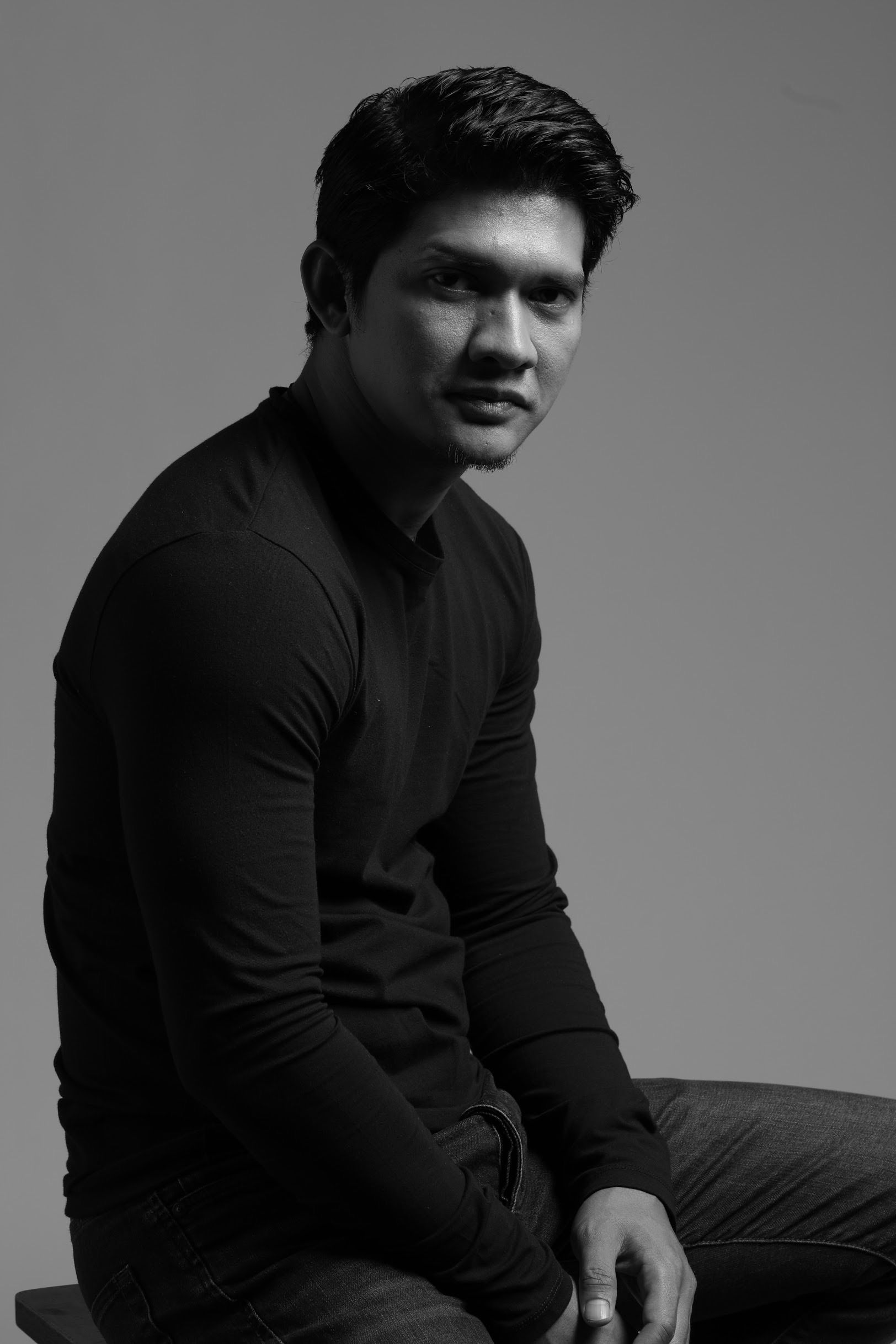
RENDHA RAIS
When J.J. Abrams resurrected Star Wars, he wanted excitementand actors who would make the new films fun. For a particular scene in The Force Awakens, when raider assassins board and attempt to hijack the Millennium Falcon from their galactic target, Han Solo, Abrams wanted actionand actors who could make it feel real. Abrams called on Iko Uwais.
It was a fans desire as much as it was a directors request. Abrams, like many in Hollywood, discovered Uwais through his work on The Raid: Redemption, Welsh director Gareth Evans Indonesian martial arts film equally inspired by Die Hard, an M.I.A. music video, and the Malay self-defense art form Silat. The Raid became one of the most celebrated action movies of the century and featured hand-to-hand combat to render Jason Bourne a haymaker-throwing street brawler and John Wick a novice MMA fighter. (John Wick star Keanu Reeves was so enthralled by Uwais, he cast him in a small role for his directorial debut, Man of Tai Chi.)
Abrams wanted that action. So he called and cast Uwais and Raid co-star Cecep Arif Rahman to hunt down Han. He also asked Uwais to choreograph a lightsaber fight for later in the film. Uwais, a champion in Pencak Silat, had by then written and performed hundreds of murderous fight choreographies involving knives and machetes. The concept he showed Abrams called for a duel and featured a finishing move where a fighter strategically retracts his lightsaber before gaining his opponents rear-side, and then, as Uwais explains, with a swift move, puts the dead lightsaber into the back of his opponent, and turns it on.
Abrams loved the choreography, but thought the fight too violent for the movies PG-13 rating. Ultimately, it was cut from the film. In their own roles, Uwais and Rahman hold less than five minutes of total screen time: they engage in a brief exchange with Solo; they are set upon by a tentacled monster; they run, turn, shoot, and diemostly off screen. By the time the action clears, theatergoers probably had no idea that two of the worlds premier martial artists, brought on to help rejuvenate the most iconic film franchise of all time, did little more than stand around; their role was essentially a cameo.
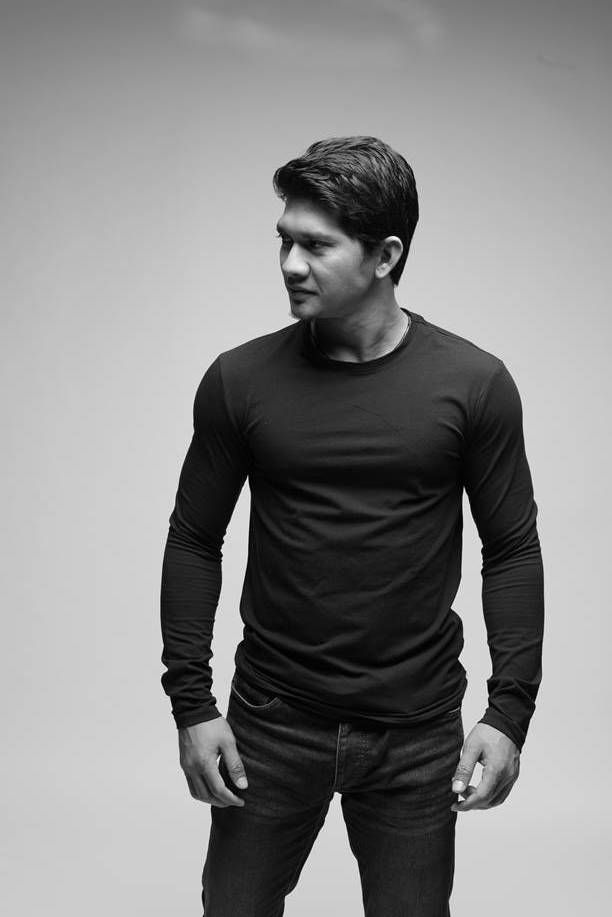
RENDHA RAIS
Of course, Uwais doesnt see it that way, and he was happy and honored that Abrams gave him the call, cameo or no. Getting calls from Hollywood has been quite surreal to be honest, says Uwais. Making a living out of my real passion, which is Silat; thats certainly a privilege for me.
Uwais humility can be disarming; for a flashy, elbow-and-knee-throwing performer, his offstage presence is surprisingly placid. He stands at roughly 57, muscled but not dominating, and he smiles shyly and with the sort of spotlight aversion native only to those who truly never dreamt of a spotlight.
Mark Wahlberg on Uwais: badass.
Though already an action superstar in the eastern hemisphere, Uwais and his non-cameo talents are only now coming to American screens. Last year, Uwais shot and fought beside Mark Wahlberg as a triple-crossing police informer in Mile 22, his first major American movie role. Even surrounded by a cast that included Wahlberg, Ronda Rousey, and John Malkovich, Uwais became the most electrifying part of the production, and he outpaced action star Wahlberg in every action-starred sequence. During an interview for the film, Wahlberg simply called Uwais a badass.
Its a moniker more of Hollywoods elite have come to recognize.
Uwais will appear onscreen this weekend as the bleach blond super-villain fist fighting Dave Bautista and Kumal Nanjiani in Stuber. In August, he will take lead in his own Netflix-produced martial arts series Wu Assassins.
Despite all the modesty, his surprise that the likes of Abrams, Reeves, and Wahlberg even know who he is, Uwais may soon be the most sought-after martial arts star in the world.
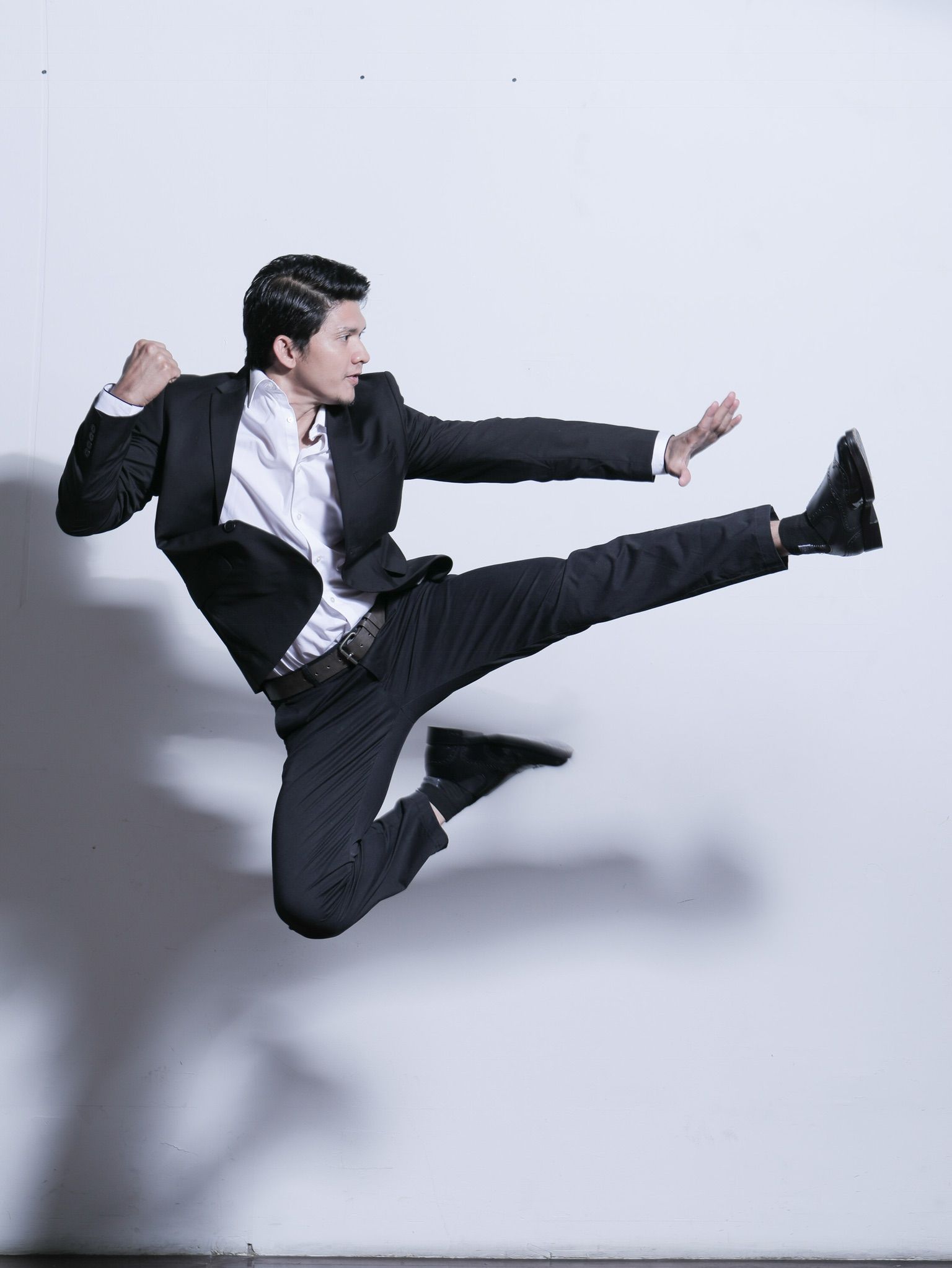
RENDHA RAIS
The legend of Silat tells of a woman, Rama Sukana, who witnesses two animals battling in the wild. Rama then incorporates these movements into a unique fighting style: Silat. In some regions, the fighting animals include a monkey and a tiger. Others tell the story of tiger and a hawk. (Uwais character in The Raid films is also named Rama.) In the human world, Silat employs strikes using every part of the body, grappling, and throws; traditional weapons include knives and daggers.
Uwais began practicing Pencak Silat, a variation native to Indonesia, when he was ten. He learned under his grandfather, H. Achmad Bunawar, a master of the form and founder of a Silat school in Jakarta, where Iko was born. Central Jakarta was a dangerous place for a teenager in the 1990s, as Indonesia transitioned from economic hardship and largely authoritarian rule. For Uwais, Silat wasnt just a family tradition; it also proved to be a necessary survival skill.
One day at school, an older classmate, thinking he had a beef with Uwais, jumped himwith five other friends. Uwais reflexively began blocking punches, ignoring the five cronies while focussing on the one classmate. It felt like spontaneous movementfending off the six older kids. He sustained a few bruises, but escaped unharmed. When Uwais told his grandfather, he just smiled, gave Uwais advice to stay out of fights, and then trained him even harder. Uwais was 17.
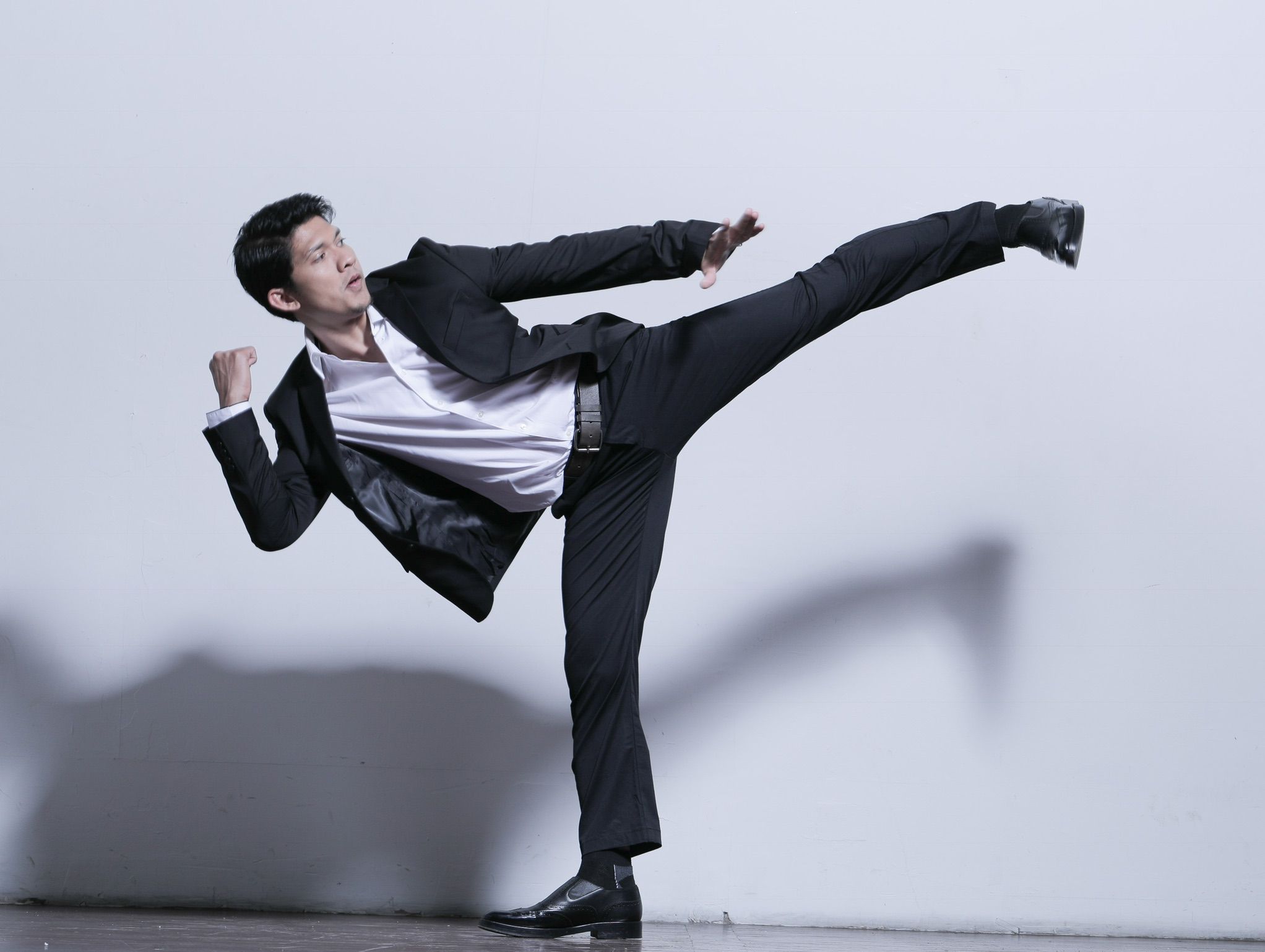
Uwais says he always avoided fights when in school. That is absolutely not Silat is about, he says. Its a self defense, and a spiritual based martial art. It focuses on respect for others, to make your mind and body healthy. Martial art skills without values and responsibility can be dangerous.
RENDHA RAIS
In 2007, director Gareth Evans moved to Indonesia and began work on a documentary showcasing Silat. He sought out Bunawar. By then, Uwais, 24, was driving a truck for a telecommunications company. He had briefly lived out his dream of playing professional soccer for a local club and two years earlier captured the National Pencak Silat Championship.
While filming Bunawar, Evans and his wife, Rangga Maya Barack, noticed Uwais in a practice session. They sensed a screen presence in his performance and offered him a leading role in their upcoming project, Merantau, a feature film promoting Silat. The film became a cult hit, a martial arts movie stripped of flashy acrobatics in favor of fast, real, brutal choreography. It made Uwais a local star.
Soon after, Uwais and Evans set out to film what would become their breakout project, The Raid: Redemption, a one location action film: one high rise building, one raiding group of SWAT officers, including Uwias, and floor after floor of bad guys. (Evans made The Raid with just $1.1 million.) Evans and Uwais then shot the sequel, The Raid 2: Berandal, which premiered at Sundance, featured even larger fight scenes and one car chase, murdered 327 people on screen, causing one audience member to faint and Malaysia to initially ban the film, and solidified Evans and Uwais status in the world of martial arts cinema: they were on top.
That’s when Hollywood started calling.
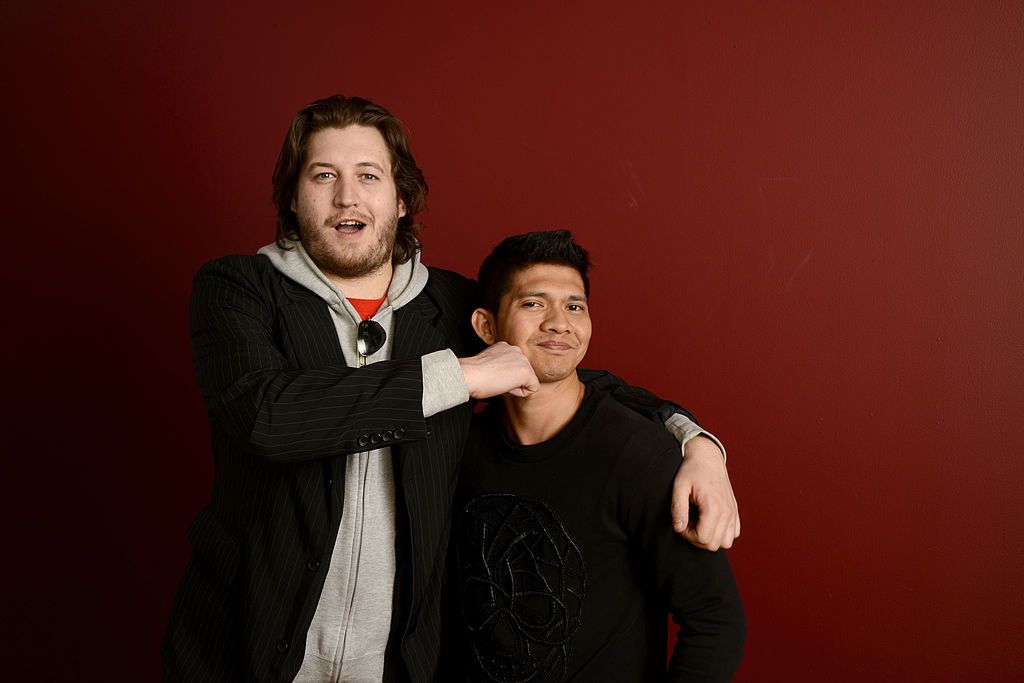
Uwais and director Gareth Evans
LARRY BUSACCA GETTY IMAGES
In August 2018, as Mile 22 and his first major American performance hit theaters, Uwais was already filming his next project, Stuber. He had also returned east to shoot The Night Comes for Us (Indonesia) and Triple Threat (China)both low-earning, but critically-well-received martial arts films. Uwais was as busy as ever.
By the end of August, however, Mile 22 had been thoroughly thrashed by critics and at the U.S. box office, stomping the breaks on what was supposed to be a film franchise. That failure also meant that Uwais’ most successful U.S. role to date remains his Star Wars cameo. All 3 minutes of it.
But success for Uwais can’t be measured by numbers, and it’s almost frustrating how content Uwais appears despite his lukewarm American reception. “I’m just grateful that I have a chance to introduce traditional Indonesian martial arts to a worldwide audience,” he says, underscoring his role as a choreographer and cultural ambassador; he sees his role as creating shock and awareness.
But why, even while Abrams, Reeves, and Wahlberg see Uwais as the next big thing, is Uwais not yet the next big thing?
continued next post
Continued from previous post
Part of Uwais’ lackluster American reception is baked into the history of Hollywood martial arts.
Jackie Chan, Uwais’ own inspiration, was 26 when he appeared in his first American film, The Big Brawl, a movie which saw marginal success in the American box office, but was poorly reviewed by critics. Chan’s breakout in the States came only later and with Rush Hour (1998), when Chan was 34.
Uwais, now 36, faces the same challenges as Chan—as well as Chan’s fellow Hong Kong film star Donnie Yen—namely American directors who aren’t quite sure how to employ his talent for cinematic success. (Yen was also cast in the new Star Wars franchise and, despite his martial arts talents, was also given little to do.)
Most Hollywood directors lack the eye (and ear) for action. When Uwais explains the aesthetic of Silat, he does so using percussive language: “Silat is not just block and punch; it has a specific rhythm to it, a dynamic to it.” Each fight scene, each block and punch, must edit to a beat. (Raid director Gareth Evans would even match this beat to onscreen gunshots.)
One of the reasons why Chan, Yen, and Uwais had (and have) such a difficult time adapting to Western cinema is the tone-deafness among Hollywood directors; they fail to edit around these actors’ particular fight and comedy rhythms.
continued next post
Continued from previous post
The result, notes Uwais, is that American films begin “over editing” and obscuring fight movements. They turn symphony into cacophony. Directors, Uwais explains, must compensate for actors who lack fighting skills; they use aggressive camera work to make movements look aggressive. Hence all the hand-held, shaky cam and quick-cutting fight sequences you see. (Yen’s Star Wars fight lasts less than 30 seconds and cuts 19 times. Uwais’ premier hospital fight scene in Mile 22 cuts 19 times in the first 13 seconds.)
Quick-cutting mainly allows directors to inexpensively simulate aggression without showing aggression, the cause and effect of fight movements that take months to prepare and shoot—and potentially slap the film with a “restricted” rating.
And until recently, well-choreographed, R-rated cinema didn’t win at the box office. The success of Chad Stahelski’s John Wick franchise, which goes to great choreography lengths in the name of realism, may help to upend that economical thinking. But until Hollywood is able to lean behind a fighter like Uwais or Yen for a leading role, their action skills are likely to remain hidden, over edited, or simply under appreciated. (And while this slight may not visibly aggravate Uwais, it should aggravate movie fans; why wouldn’t you want well-choreographed action movie?)
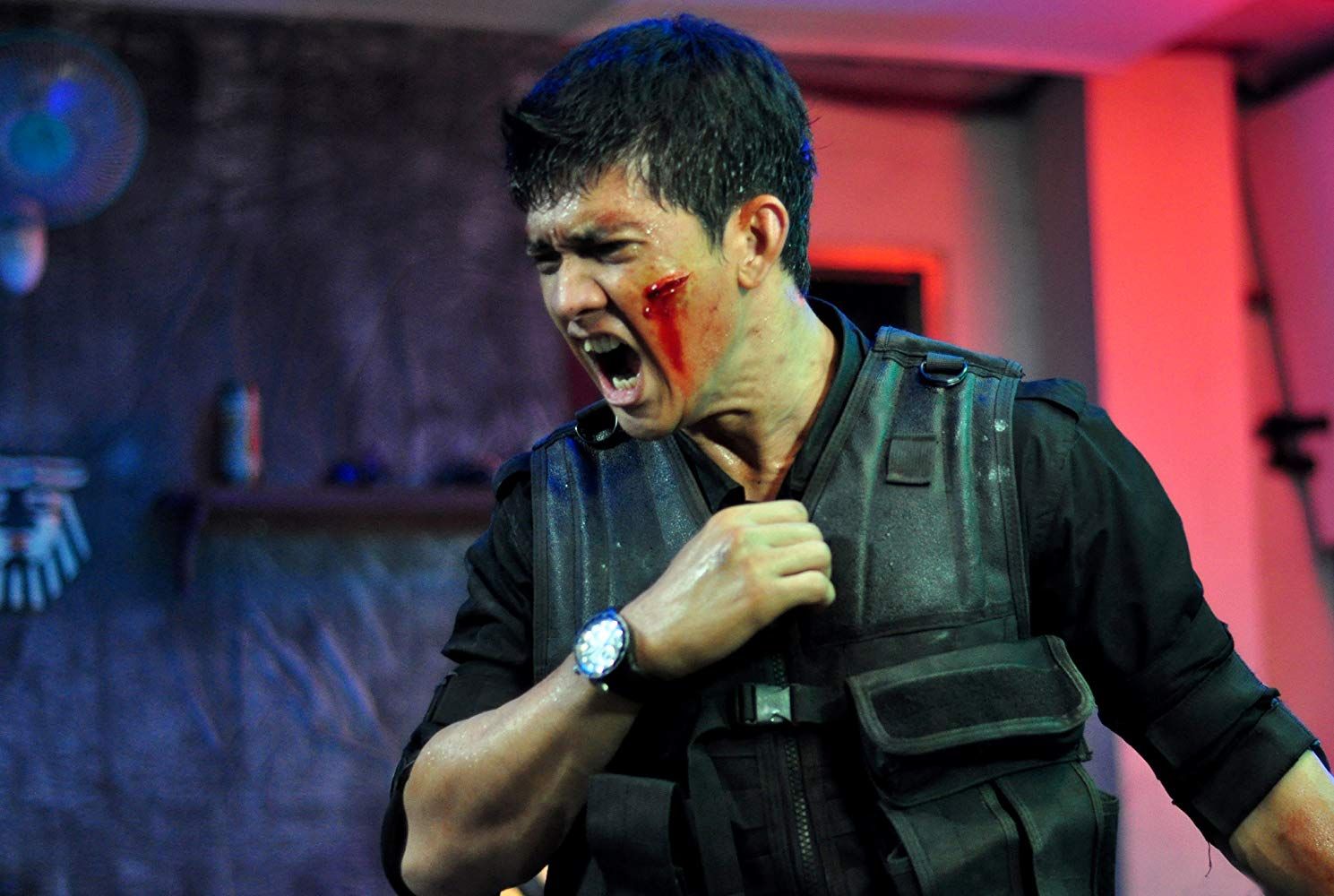
Uwais in The Raid: Redemption
IMDB
But perhaps Uwais’ films are not the ones western critics or viewers are ready to see.
In his one-star review of The Raid, critic Roger Ebert wrote that the film had “no dialogue, no plot, no characters, no humanity. Have you noticed how cats and dogs will look at a TV screen on which there are things jumping around? It is to that level of the brain’s reptilian complex that the film appeals.”
When asked whether he thinks his films are excessively violent, Uwais simply highlights martial arts’ balletic qualities. “I always try my best to bring the beauty of the martial arts into the screen,” he says. The fight is an aesthetic, after all. An art form. A beat. Yet it’s one American cinema continues to *******ize. Or let stand in the background, while the amateur A-listers slug it out. Or cross lightsabers. No humanity indeed.
JOSH ST. CLAIR
THREADS
Stuber
Star Wars: The Force Awakens
Mile 22
The Raid
I hope I’m wrong, but all indications are that Iko Uwais’s career peaked several years ago with The Raid 2: Berandal. Gareth Evans was his best directorial match. Evans was an anomaly: a Westerner who actually knew how to make Asian films. I don’t see Hollywood adapting enough to make Iko Uwais as big a star as he should be. I foresee him appearing in small roles here and there in some big-budget Hollywood action films, and starring or co-starring in mediocre straight-to-DVD independent action/MA movies.
I think it’s unfortunate that Iko and Evans went their separate ways. Iko is awesome, but Evans was the one who got the ball rolling at full speed. It’s going to be difficult if not impossible to match Iko’s success and impressiveness in the first two ‘The Raid’ films.
It also underscores just how impressive stars like Jackie Chan and Sammo Hung really are. They started out really young. Long before they appeared in American screens, they were already screen veterans with considerable resumes, as child actors, stuntmen, choreographers, co-stars, and finally, lead stars and directors. Their best work was behind them before they became household names in the US (Sammo starred in CBS’s Martial Law). The last MA star to even approach that (and still not to the same level) is Donnie Yen. IMO, the days of becoming a big star in Hollywood based on being a martial artist are long gone. American audiences would rather see Tom Cruise, Keanu Reeves, Charleze Theron, Chadwick Boseman, etc., made to look like MAists with the aid of physical trainers, CGI and quick editing (or see a pumped-up “sex symbol” with a super over-the-top persona like Dwayne Johnson) than some obscure Asian actors.
Even an actor/MAist like Scott Adkins is almost in the same boat. He has a standard Hollywood “look,” but it’s highly doubtful he’ll become as big a name as Van Damme or Seagal became in the '80s/early '90s. And Adkins is already 40-something now.
