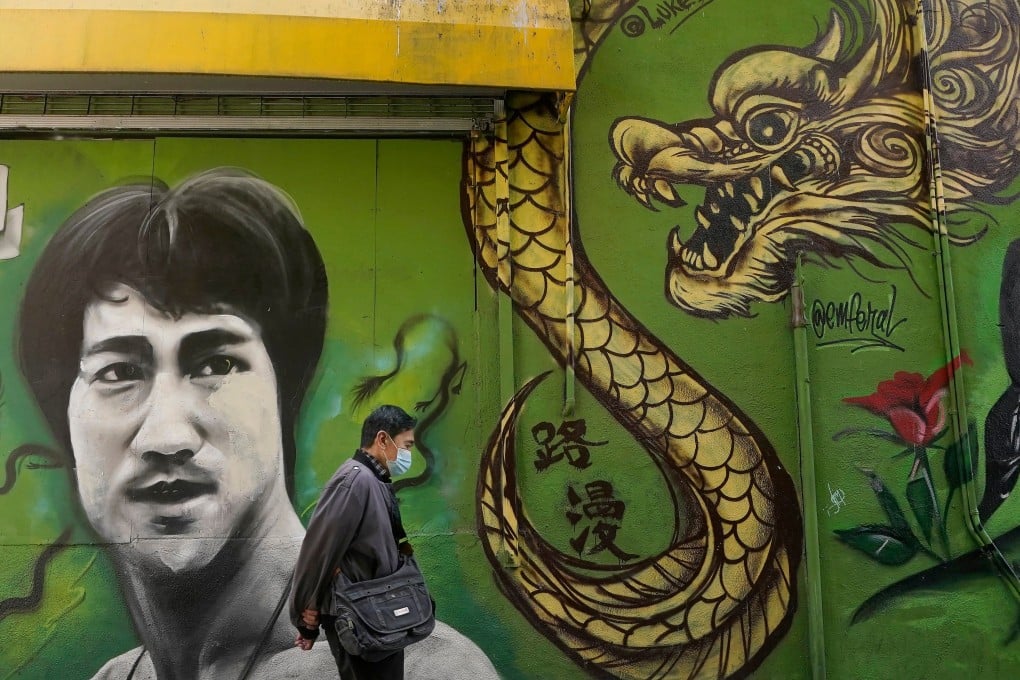
California to institute Bruce Lee Day, in first for a Chinese-American in the state
May 17, the day Lee returned to San Francisco after spending his childhood in Hong Kong, will be his annual namesake day
2-MIN READ
Published: 7:26am, 2 Jul 2026Updated: 12:45pm, 2 Jul 2026
Martial arts icon Bruce Lee, who was born in San Francisco, will become the first Chinese-American in California history with an annual namesake day.
Governor Gavin Newsom signed a law on Tuesday afternoon officially designating May 17 as Bruce Lee Day, according to the office of state Assemblymember Matt Haney, who represents San Francisco.
An 18-year-old Lee returned to San Francisco on May 17, 1959, after spending his childhood in Hong Kong.
Lee’s daughter, Shannon, who is CEO of the Bruce Lee Foundation, said the honour is a testament to her father’s enduring legacy as a bridge between cultures.
“From young people who found confidence and possibility in his philosophy, to families who finally saw themselves represented on screen, to athletes who still draw on his teachings of discipline and inner strength, his reach is profound,” Shannon Lee said in a statement.
Haney called Lee the epitome of the best of California.
The philosophy behind Bruce Lee’s fists of fury
“At a time when Asian-Americans were too often absent from or stereotyped on screen, Bruce Lee helped generations see themselves represented with strength and dignity,” he said in a statement.
The foundation and various Asian-American organisations hope Lee will be celebrated every year with voluntary commemorative activities around the state such as cultural exhibits, public events and classroom lessons.
Born in 1940 to Chinese parents who were touring with an opera, Lee was allowed to have birthright citizenship. A few months later, the family returned to Hong Kong where Lee became a child actor and began learning Chinese kung fu.
He moved back to the US in 1959 and enrolled in the University of Washington in Seattle two years later. He dropped out and threw himself into practising and teaching martial arts.
In the 1960s, Lee found work in Hollywood, most notably as Kato in the television series The Green Hornet, but studios wanted him to play racist stereotypes and paid him less than his white counterparts.
He pivoted back to Hong Kong and soon became a megastar of martial arts flicks, including The Big Boss and Fist of Fury. Lee died in 1973 at 32 after an allergic reaction to pain medication.
Lee’s name and likeness remain popular. Fans gather on his birthday. A treatment for a proposed television action series he wrote inspired the HBO Max show Warrior.